
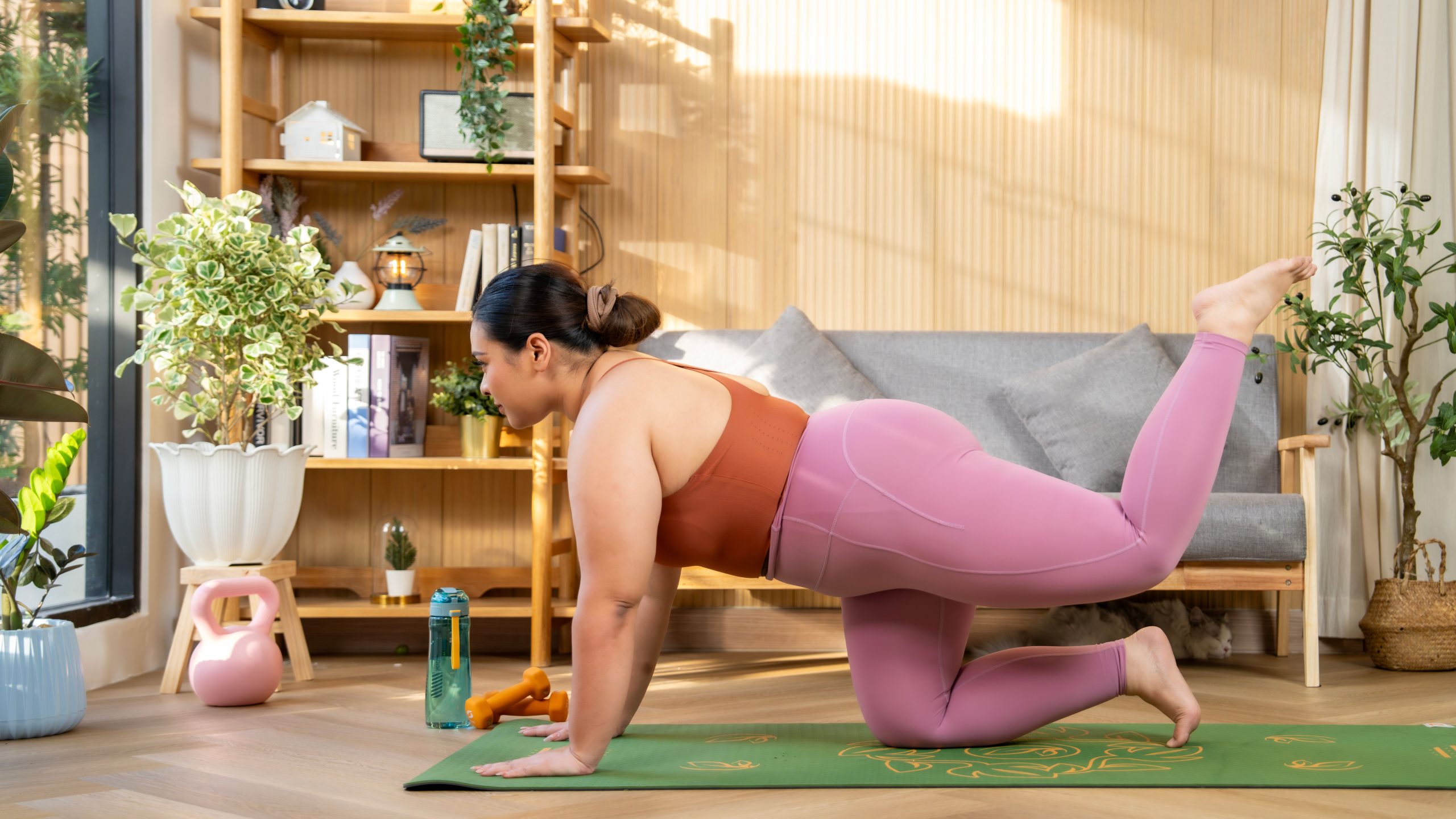
The Transformation of Women’s Fitness through Social Media
In recent years, the landscape of physical activity for women has undergone a significant transformation. The rise of social media platforms has not only altered how women engage with fitness but also how they perceive and pursue their exercise goals. With the click of a button, inspiration and motivation are more accessible than ever.
Consider these intriguing statistics:
- 72% of women report feeling more motivated to exercise when they share their fitness journeys online.
- 49% of users follow fitness influencers for tips and encouragement on social media platforms.
- 54% of women expressed a desire to join new workout trends showcased on social media.
The pervasive influence of social media creates a unique blend of community, competition, and creativity in women’s fitness. A myriad of trends has emerged, fueled by viral challenges, aesthetically pleasing workout routines, and vibrant fitness communities that span geographic boundaries. Platforms such as Instagram, TikTok, and YouTube are particularly noteworthy for their role in this evolution. For example, the #FitFam hashtag has fostered a global network where women share not only their workout regimens but also personal stories of health and wellness, creating a sense of solidarity that transcends traditional gym culture.
The way women interact with fitness has dramatically shifted, moving away from solitary workouts to shared experiences. Virtual workout classes, such as those on platforms like Peloton or Beachbody, have become a staple. The convenience of participating in live classes from home, paired with social components like leaderboards and community forums, allows women to feel part of a larger group even from their living rooms.
Moreover, social media has birthed trends such as “fitspiration,” where users post fitness-related content aimed at inspiring others. While this can be motivating, it also raises questions about body image and health standards. Many women are now navigating a complex web of expectations that highlight the importance of balanced, healthy lifestyles over unrealistic ideals. For instance, the #BodyPositivity movement has gained traction on these platforms, encouraging women to embrace their bodies at every size while pursuing their fitness goals.
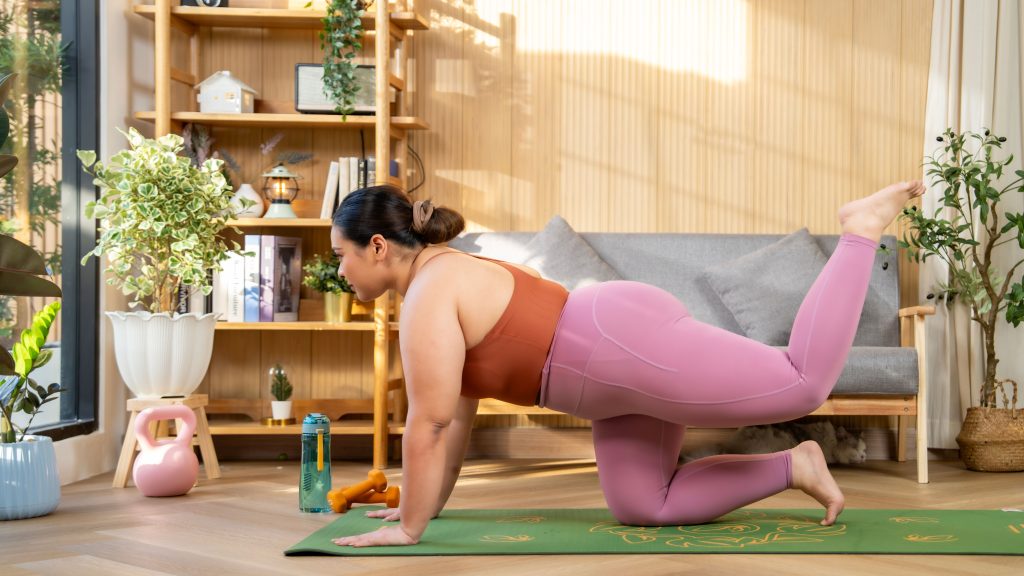
This article delves deeper into the trends in physical activities for women, highlighting how social media plays a pivotal role in shaping their exercise motivation. From “30-day challenges” to discovering new workout genres like yoga or high-intensity interval training (HIIT) through online platforms, women are redefining their fitness experiences. Join us as we explore the dynamic interplay between social media and women’s fitness narratives, discovering how technology can empower and inspire a healthier lifestyle.
DISCOVER MORE: Click here for valuable insights
Exploring New Fitness Trends Driven by Social Media
As we dive deeper into the trends shaping physical activities for women, it becomes evident that social media acts as a catalyst for innovation in exercise motivation. The convenience and engagement offered by platforms such as Instagram, TikTok, and YouTube lead to a flourishing online fitness culture, where new workout trends emerge, evolve, and spread virally. This phenomenon has redefined how women approach their fitness journeys, making it more interactive and collaborative.
One of the most notable trends is the rise of 30-day fitness challenges. These challenges, often promoted through hashtags like #30DayChallenge, invite women to commit to a specific workout regimen for a month. Whether it’s a squat challenge, a plank challenge, or a yoga flow series, these bite-sized commitments provide structure and an immediate sense of achievement. Notably, participants frequently share their daily progress on their personal profiles or through stories, creating an engaging loop of accountability and motivation.
Another trend influenced by social media is the shift towards community-driven fitness. Many women now prefer group classes that can be accessed virtually, allowing them to connect with like-minded individuals without geographical limitations. Platforms like Zoom are being utilized for live classes, where trainers can guide participants in real-time while fostering a sense of camaraderie. This evolution from solitary workouts to inclusive experiences promotes long-term adherence to fitness goals.
In addition to challenges and community aspects, social media encourages exploration of diverse workout genres. Women are increasingly trying out new forms of exercise thanks to trending videos demonstrating unique routines. Popular workout categories gaining traction include:
- High-Intensity Interval Training (HIIT) – Short bursts of intense exercise followed by rest, ideal for busy schedules.
- Dance Fitness – Engaging and fun ways to break a sweat, drawing inspiration from dance-based formats like Zumba.
- Mindfulness and Recovery – Practices such as yoga and Pilates that emphasize both physical and mental well-being against the backdrop of popular influencer-led sessions.
The influence of social media doesn’t just stop at motivation; it significantly impacts the perception of physical fitness and body image. The proliferation of content showcasing various body types and fitness levels encourages inclusivity and acceptance. Influencers are increasingly showcasing their own struggles and triumphs, allowing followers to see that fitness is not a one-size-fits-all journey. This authenticity resonates with women looking for relatable figures to guide them through their fitness pursuits.
However, while many of these trends inspire positive changes, they also carry the potential risk of perpetuating harmful standards of comparison. Women are navigating social media’s dual-edged sword: the motivation to maintain health through community support, and the challenge of distancing themselves from unrealistic ideals set by flashy “fitspiration” posts. As a result, discerning what constitutes healthy expectations in fitness has become crucial.
In summary, the intersection of social media and fitness presents a rich tapestry of opportunities for women to engage in physical activities. As we continue to explore these trends, the role of social media emerges as a powerful force that shapes motivations while providing a platform for self-expression and community connection.
| Category | Key Features |
|---|---|
| Social Media Communities | Fostering connections and support among women, allowing them to share experiences and advice on fitness. |
| Influencer Impact | Inspiration through relatable content, motivating women to adopt healthier lifestyles by following role models. |
| Fitness Challenges | Engagement through competition, encouraging participation and accountability in physical activities. |
| Content Sharing | Visual motivation through before-and-after transformations and workout posts that depict progress. |
As trends evolve, the influence of social media on women’s physical activities has never been more prominent. Social platforms serve as hubs for community-building, where women engage in discussions about fitness, share their journeys, and support one another. This creates a dynamic environment that can lead to increased motivation and participation in exercise routines. Furthermore, the emergence of fitness influencers plays a crucial role; when women see relatable figures sharing their fitness successes, it makes the goal of maintaining a strong and healthy lifestyle more attainable.Engagement through challenges such as “30-Day Squat Challenges” or “Fitspiration Weeks” further illustrates how social media can foster a competitive yet supportive atmosphere. These initiatives not only promote accountability but also turn exercise into a fun and collective endeavor. Social media also allows users to visually document their transformations and share workout routines, providing powerful reminders of the benefits of regular physical activity. In this digital age, the combination of community support, influencer impact, competitive challenges, and relatable content creates a unique landscape that greatly enhances women’s motivation to engage in physical activities. It’s essential for women to leverage these platforms wisely, maximizing their potential to inspire and uplift each other in achieving fitness goals.
DISCOVER MORE: Click here to dive deeper
The Role of Influencers in Shaping Fitness Narratives
In recent years, the role of fitness influencers has gained substantial traction in sculpting the conversations and trends around women’s fitness. These individuals have transformed the landscape of physical activities by crafting narratives that resonate deeply with their followers. Utilizing various social media platforms, they share their personal fitness journeys, provide workout tips, and discuss wellness topics, thereby fostering an authentic connection with their audiences.
Influencers often embody relatable fitness experiences—whether it’s dealing with body image issues, balancing motherhood with exercise, or finding the right workout amidst hectic schedules. This relatability fosters a sense of trust and loyalty among followers, who turn to these figures not just for inspiration but also for support. A striking aspect of this relationship is the power of storytelling. For instance, when an influencer shares a candid moment of struggle, it often evokes a wave of engagement, prompting discussions about personal challenges. This openness can motivate others to confront their fitness hurdles by revealing the messy reality behind achieving fitness goals.
Micro-Influencers and Niche Communities
The landscape of fitness influencers is also marked by the emergence of micro-influencers, individuals who typically have smaller, more engaged audiences compared to their mainstream counterparts. Micro-influencers often focus on niche fitness topics—such as sustainable living, body-positive workouts, or specific exercise regimes. This trend allows for deeper connections among community members who share similar interests and backgrounds.
As these micro-influencers often cultivate a loyal following with high engagement rates, they can create impactful social movements that underscore inclusivity and diverse body types within the fitness realm. For instance, campaigns led by micro-influencers emphasizing self-love and acceptance have sparked conversations about embracing one’s body in its current state while aspiring for wellness rather than conforming to the conventional beauty standards portrayed in mainstream media.
Fitness Content and Accessibility
The democratization of fitness content via social media has made fitness resources more accessible than ever. Women no longer need to rely solely on traditional gyms for guidance; instead, they can access a plethora of tutorials, workout plans, and health tips with just a few taps on their smartphones. Raw workout videos showcasing everything from bodyweight exercises to beginner-friendly yoga are abundant on platforms like Instagram and TikTok, allowing women of all skill levels to engage without intimidation.
This accessibility is particularly vital for women in underserved communities who may lack access to fitness facilities or personal trainers. Virtual events, often shared via social media, provide opportunities for women to participate in fitness initiatives like free workout classes or wellness programs that cater specifically to marginalized groups. This trend not only promotes physical activity but fosters a supportive environment that cultivates community spirit and empowerment.
Balancing Authenticity and Aesthetic Norms
With the rise of wellness influencers comes the challenge of balancing authenticity and the aesthetic norms overwhelmingly present on social media. Women’s fitness narratives can sometimes become overshadowed by perfectly curated posts showcasing fit bodies and luxurious lifestyles. It poses the risk of creating a filtered reality, contradicting the very essence of inclusivity that many advocates strive to promote.
For women navigating this digital fitness space, it is essential to embrace a critical perspective on the content they consume. Engaging with individuals who exemplify genuine, imperfect fitness journeys can help foster a healthier mindset around exercise and body image. Moreover, such an awareness helps to create a more balanced narrative surrounding women’s fitness, one that fully appreciates both the physical and emotional dimensions of embarking on a personal health journey.
DISCOVER MORE: Click here to learn about hormonal imbalances and their effects
Conclusion: Transforming Women’s Fitness Through Social Media
In summary, the convergence of social media and women’s fitness has heralded a new era of physical activity that champions motivation, inclusivity, and community building. From the rise of fitness influencers who share authentic narratives to the emergence of micro-influencers fostering niche communities, women are empowered like never before to engage in physical activities that resonate with their personal journeys. The rich tapestry of content available online breaks down traditional barriers, making fitness accessible to individuals from all walks of life.
However, as the digital landscape evolves, it remains crucial to approach fitness content with a discerning eye. While curated visuals often depict an idealized version of fitness, many voices are advocating for authenticity and promoting realistic bodies and experiences. This balance is essential for fostering a healthy relationship with exercise and wellness, reminding women that their journeys are uniquely their own.
Looking ahead, the impact of social media on women’s fitness trends is poised to deepen, helping to facilitate connections among like-minded individuals while challenging outdated stereotypes. Encouraging diversity in body types and promoting self-love, the ongoing dialogue within this space can lead to comprehensive changes in how women perceive not just fitness, but themselves. The call to action for all women is clear: engage critically, indulge in community support, and redefine personal fitness narratives to align with individual values and realities.