
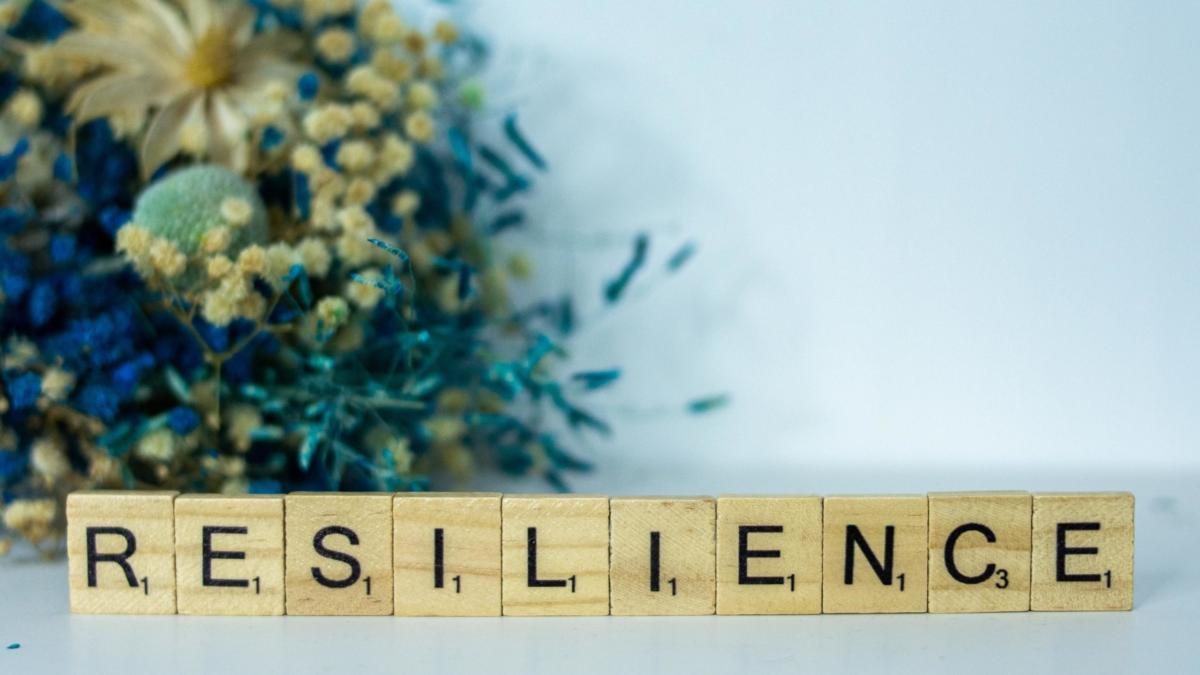
The Importance of Building Emotional Resilience
Every day, women navigate a complex landscape filled with unique challenges and pressures. From managing professional responsibilities to handling personal relationships, these experiences significantly shape mental health and overall well-being. Emotional resilience stands out as the foundational skill that empowers women to not only withstand adversity but also to recover and thrive in its aftermath.
Understanding why emotional resilience is crucial for women’s well-being reveals multiple facets that contribute to a healthier, more fulfilling life. Here are several essential points to consider:
- Managing Stress: Resilient individuals possess the ability to cope with stressors effectively, which significantly reduces their overall psychological burden. For instance, a woman facing a high-pressure work environment can apply resilience skills to prioritize tasks, delegate responsibilities, and set boundaries, thereby managing her stress levels more effectively.
- Building Relationships: Resilience fosters stronger connections by promoting empathy and understanding. Women who cultivate emotional resilience are often better at expressing their feelings and understanding others. For example, by actively listening and validating the experiences of friends, a resilient woman can reinforce her support network during times of hardship.
- Enhancing Performance: In both personal and professional spheres, emotional resilience leads to improved decision-making, creativity, and outcomes. A woman who exhibits resilience may approach challenges at work with a solution-oriented mindset, transforming setbacks into opportunities for growth rather than viewing them as roadblocks.
Despite the pressing benefits, many women underestimate the value of emotional resilience. Current statistics highlight a concerning reality: mental health issues, such as anxiety and depression, disproportionately affect women. According to the National Institute of Mental Health, approximately 8.4% of adult women experience a major depressive episode, compared to 5.3% of men. The good news is that emotional resilience can be cultivated through targeted strategies.
There are practical strategies available that can effectively strengthen mental health and build emotional resilience. Engaging in mindfulness practices such as meditation, journaling, or yoga can enhance self-awareness and reduce stress. Additionally, fostering a supportive social network where women can share their experiences and challenges creates communal resilience—a powerful antidote to loneliness and mental health struggles.
By actively seeking to understand and implement these tools, women can enhance their overall well-being and foster a sense of empowerment amid life’s inevitable challenges. The journey may not always be easy, but the rewards of building emotional resilience are profound and lasting.
DISCOVER MORE: Click here to delve into the significance of nutritional balance
Understanding Emotional Resilience
Emotional resilience is more than just the ability to bounce back from life’s setbacks; it encompasses a range of skills and attributes that enable women to navigate life’s ups and downs with greater ease. It involves maintaining a positive outlook, adapting effectively to change, and managing stress in healthy ways. Consequently, women who develop a strong foundation of emotional resilience often find themselves better equipped to handle adversity and recover from challenges that life presents.
The significance of emotional resilience in women’s well-being cannot be overstated, especially as it relates to various aspects of daily life. Here are several reasons why cultivating emotional resilience is vital:
- Improved Coping Mechanisms: Women who enhance their emotional resilience can face difficulties—with the ability to adapt and cope more effectively. This might manifest as a mother balancing multiple roles; she can use resilience-building techniques to navigate parenting challenges while managing work commitments, ultimately leading to a more harmonious lifestyle.
- Prevention of Burnout: Emotional resilience serves as a barrier against burnout, which is increasingly prevalent among women in the workforce. Strategies such as recognizing triggers, prioritizing self-care, and seeking support can help women maintain their energy levels and mental health, minimizing the risk of overwhelming stress.
- Boosted Confidence: Developing resilience fosters increased self-esteem and confidence. Women who learn to face difficulties tend to cultivate a belief in their own capabilities, allowing them to take on new challenges—whether that’s pursuing a promotion or engaging in a new hobby—that may have once felt daunting.
Research sheds light on the critical relationship between emotional resilience and mental health. A study by the American Psychological Association found that individuals with high emotional resilience report lower levels of anxiety and depression, underscoring the necessity of robust emotional skills for optimal mental health. Moreover, by equipping themselves with these skills, women can not only navigate their individual challenges but also become role models for others in their communities.
Despite its significance, many women may feel overwhelmed by the prospect of building emotional resilience, unsure where to start. Fortunately, practical strategies exist that are accessible and easy to integrate into everyday life. Techniques such as practicing gratitude, engaging in physical activity, and maintaining a balanced diet can have profound impacts on emotional well-being. Additionally, embracing vulnerability and allowing oneself to feel emotions openly encourages the formation of deeper connections, enhancing overall resilience and community support.
In the journey to emotional resilience, awareness is essential. By proactively recognizing and addressing emotional challenges, women can create a solid foundation for enduring well-being. With every step taken towards building resilience, the journey becomes not only an opportunity for personal growth but also a pathway to empower others around them.
| Advantages | Description |
|---|---|
| Enhanced Coping Skills | Developing emotional resilience equips women with practical tools to navigate life’s challenges effectively. |
| Improved Mental Health | Fostering emotional resilience leads to lower levels of anxiety and depression, promoting a healthier mindset. |
Emotional resilience is a crucial component in enhancing women’s well-being, offering various advantages that are particularly relevant to the unique experiences they face. By developing stronger coping skills, women can face adversity with confidence, transforming obstacles into opportunities for growth. This not only helps in managing stress but also cultivates a more adaptive response to changes in their lives.Moreover, nurturing emotional resilience correlates closely with improved mental health. Research suggests that women who actively engage in practices that promote emotional strength tend to experience significant reductions in anxiety and depression. This positive mental health shift allows women to thrive in both personal and professional environments, creating a ripple effect that benefits their families and communities, ultimately paving the way for a more resilient society. The strategies for strengthening emotional resilience—such as self-awareness, mindfulness, and social support—are easily accessible. Engaging in these practices not only enhances individual well-being but also contributes to a larger narrative of empowerment and mental health advocacy among women. As we delve deeper into these aspects, it becomes clear that emotional resilience should be prioritized in discussions surrounding women’s well-being.
DIVE DEEPER: Click here to learn more
Practical Strategies to Enhance Emotional Resilience
Building emotional resilience is not a one-size-fits-all approach; it is as individual as the women embarking on this journey. Incorporating tailored strategies into everyday life can lead to effective outcomes. Here are some essential techniques that have proven successful for many women:
- Cultivating Mindfulness: Practicing mindfulness—being present in the moment without judgment—has gained traction as a powerful tool for enhancing emotional resilience. Mindfulness techniques such as meditation, breathing exercises, and yoga can help women manage stress and reduce anxiety. According to a study published in the Journal of Health Psychology, women who engage in mindfulness practices report heightened emotional regulation and overall well-being.
- Fostering Social Connections: Building and nurturing relationships play a crucial role in developing emotional resilience. Women can enhance their mental health by surrounding themselves with supportive friends and family, participating in community groups, or joining clubs that align with their interests. Research shows that a robust social network can significantly impact mental health, creating a buffer against stressors and proving indispensable in overcoming life’s challenges.
- Creative Expression: Engaging in creative activities—be it writing, painting, or dancing—can serve as an emotional outlet, encouraging self-discovery and emotional expression. A study by the American Journal of Public Health revealed that participating in creative pursuits can positively influence mental health, providing women with a productive way of coping with emotions, enhancing their overall emotional resilience.
Moreover, cultivating emotional resilience is not solely about managing challenges; it also involves practicing self-compassion. Women should embrace the idea that it’s acceptable to face difficulties and make mistakes. According to Dr. Kristin Neff, a leading researcher in self-compassion, those who practice self-kindness during tough times are more likely to recover from setbacks and stress.
Setting Realistic Goals
Another critical aspect of building emotional resilience is setting realistic, achievable goals. Women can practice the SMART (Specific, Measurable, Achievable, Relevant, Time-bound) goal-setting technique to structure their aspirations in a way that is both motivating and attainable. Breaking down larger objectives into smaller, actionable steps can empower women to maintain a sense of control and boost their confidence while facing challenges.
Seeking Professional Support
Sometimes, the most effective strategy is to seek professional assistance. Therapy can provide invaluable tools and strategies for developing emotional resilience. Mental health professionals specialize in helping individuals not only to cope with life’s stresses but also to cultivate a deeper understanding of their emotional landscape. Organizations such as the National Alliance on Mental Illness (NAMI) offer resources for women looking for therapy or peer support networks, ensuring that they do not face their struggles alone.
Being proactive in the pursuit of emotional resilience leads to profound transformations in mental health and overall quality of life. By implementing these practical strategies, women can empower themselves to cultivate their emotional strength, ultimately benefiting their personal growth and their communities.
LEARN MORE: Click here to discover the effects of hormonal imbalance
Conclusion
In conclusion, the journey towards enhancing emotional resilience is not only crucial for women’s well-being but also empowering, as it fosters a deeper connection with oneself and the world. Women’s mental health is a multifaceted issue, intertwined with societal expectations, personal aspirations, and myriad challenges. By adopting practical strategies such as mindfulness, building strong social connections, and engaging in creative expression, women can cultivate a robust emotional framework that equips them to navigate life’s ups and downs with confidence and grace.
Ultimately, emotional resilience enables women to transform adversity into growth opportunities, leading to richer, more fulfilling lives. It encourages the acceptance of imperfections and mistakes, reinforcing the idea that vulnerability is not a weakness but a pathway to strength. Research supports this notion, highlighting the significant benefits of self-compassion and realistic goal-setting in fostering psychological well-being.
Moreover, seeking professional support can serve as a vital resource, offering tailored strategies to enhance one’s emotional toolkit. Organizations dedicated to mental health awareness, like the National Alliance on Mental Illness (NAMI), are essential allies in this endeavor, providing communities with the necessary tools to thrive.
As women embrace the importance of emotional resilience, they pave the way for personal empowerment and collective support. By prioritizing their mental health, women not only uplift themselves but also inspire others to engage in meaningful conversations around emotional wellness. It is a journey worth undertaking—one that invites everyone to explore the vast potential that lies within each individual.