
The Importance of Recovery in Fitness
In today’s fast-paced world, many are eager to jump into intense workouts with the belief that more exercise will yield quicker and better results. However, this approach often overlooks the critical roles of recovery and rest, especially for women who face unique physiological and psychological challenges in their fitness journeys. Understanding how to properly incorporate recovery can fundamentally change how women approach their health and exercise regimens.
Recovery as a Multi-Faceted Concept
Recovery is not simply about taking days off from exercise; rather, it is an active process aimed at enhancing overall performance. It is essential for allowing the body and mind to recuperate from the strains of physical activity. Here are some key components that highlight its significance:
- Muscle Repair: After an intense workout, micro-tears occur in muscle fibers. Adequate rest and nutrition are crucial for these muscles to heal, which ultimately leads to increased strength and muscle growth. For instance, integrating protein-rich foods into meals post-exercise can significantly aid in this repair process.
- Mental Clarity: Continual exercise without proper recovery can lead to burnout and fatigue, detrimentally affecting mental health. By allowing the mind to rest, individuals can improve their focus and motivation, vital aspects for sustained workout success. Practices such as meditation or gentle yoga can further enhance mental recuperation.
- Hormonal Balance: The body’s hormonal systems can become disrupted with continuous exercise stress, particularly cortisol, the hormone associated with stress. Balancing levels through adequate rest not only supports mood regulation but also facilitates better energy levels throughout the day.
Benefits of Adequate Rest
Establishing a harmonious balance between exercise and recovery can lead to numerous benefits that often go unnoticed:
- Improved Performance: Many professional athletes incorporate recovery into their training routines, leading to enhanced performance. For example, studies have shown that those who prioritize rest improve their endurance and strength when they return to training.
- Injury Prevention: A solid recovery plan is essential for mitigating the risk of injuries associated with overuse—something particularly relevant for runners or those involved in high-impact sports.
- Long-Term Sustainability: Rather than viewing rest days as setbacks, adopting them as part of a balanced routine fosters a healthier lifestyle. For women engaging in fitness, this helps sustain commitment over time without the worry of burnout.
Empowering Women Through Recovery
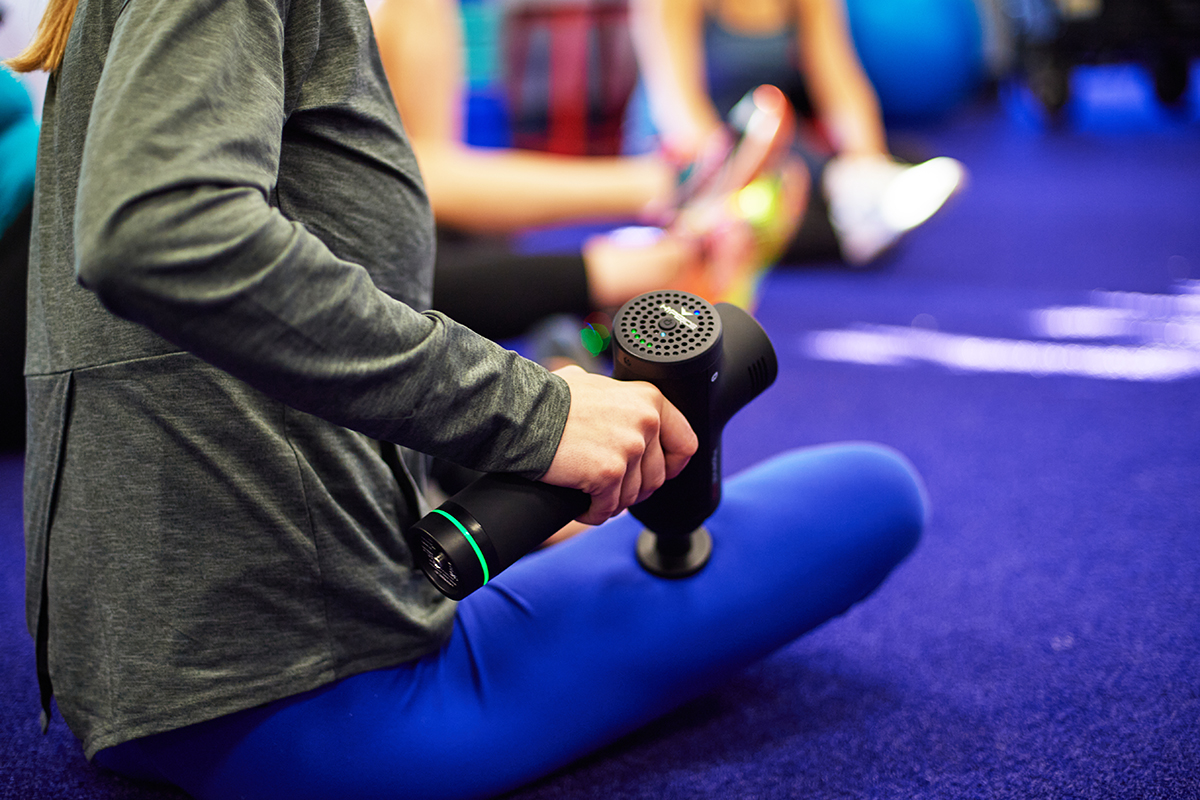
As more women dive into the fitness world, recognizing the importance of recovery strategies can significantly enhance their overall experience. Strategies can include structured rest days, engaging in low-impact activities, and utilizing techniques such as foam rolling or massage to aid in muscle recovery. By embracing these methods, women can empower themselves to reach their fitness goals while maintaining a healthy balance—both physically and mentally. This conscious approach to integrating recovery into their routines is not just beneficial; it is essential for fostering a sustainable and rewarding fitness journey.
LEARN MORE: Click here for insights on hormonal imbalances and mental health
Understanding the Role of Recovery in Women’s Fitness
To truly grasp the significance of recovery and rest in women’s exercise routines, it is essential to look beyond the workouts themselves and consider how this crucial aspect affects overall health and fitness. Women’s bodies possess unique biological responses to exercise, including differences in muscle composition, hormonal fluctuations, and metabolic rates. These factors emphasize the need for a tailored approach to recovery, underscoring its importance in achieving long-term fitness goals.
The Science Behind Recovery
When women engage in physical activity, their bodies face numerous stresses that can lead to both physical and mental fatigue. Adequate recovery is vital for several reasons:
- Cellular Rejuvenation: During exercise, the body experiences oxidative stress that can lead to cellular damage. Recovery time allows for cellular repair and renewal, promoting better endurance and performance levels over time. Research shows that structured recovery leads to enhanced muscle repair and less soreness, allowing for more effective training sessions in the long run.
- Reduced Inflammation: After strenuous workouts, inflammation can hinder performance and increase pain. Resting enables the body to reduce inflammation and recover effectively, resulting in reduced downtime from injuries. Techniques like ice baths or contrast therapy are becoming popular among athletes for managing inflammation post-exercise.
- Enhanced Sleep Quality: Rest days not only benefit physical recovery but also improve sleep quality. Sleep plays a critical role in muscle repair and recovery processes. Studies have shown that women who prioritize sleep alongside their training routines experience better health outcomes, increased energy levels, and improved mood.
Incorporating Rest and Recovery Strategies
Integrating effective recovery strategies into a fitness routine can significantly enhance women’s overall exercise experiences. These methods can include:
- Active Recovery: Instead of complete inactivity, women can engage in low-intensity exercises such as walking, swimming, or gentle yoga. These activities promote blood flow without straining the body, facilitating healing.
- Proper Nutritional Support: Consuming a balanced diet rich in vitamins, minerals, and proteins plays a fundamental role in recovery. Foods like leafy greens, lean proteins, and whole grains provide essential nutrients that support muscle recovery and overall health.
- Mindfulness Practices: Incorporating mindfulness techniques such as meditation or breathing exercises can also aid in recovery. These practices reduce stress and promote a sense of calm, which is vital for mental recuperation and focus.
By developing a comprehensive and individualized recovery plan, women can not only improve their performance but also ensure a healthier, more fulfilling fitness journey. The key lies in recognizing recovery as a proactive and integral component of any successful exercise regimen.
| Advantages of Recovery | Benefits for Women’s Exercise |
|---|---|
| Muscle Repair | Recovery allows for the repair of micro-tears in muscles, leading to greater strength and endurance. |
| Hormonal Balance | Proper rest helps maintain hormonal balance, which is crucial for energy levels and mood regulation. |
| Injury Prevention | Incorporating rest days significantly reduces the risk of overuse injuries, enabling sustained performance. |
| Cognitive Function | Rest contributes to improved cognitive function, enhancing focus and mental clarity during workouts. |
Incorporating recovery into women’s exercise routines not only optimizes physical outcomes but also enhances overall well-being. Adequate rest periods facilitate muscle repair, which is vital for building strength and stamina. Additionally, maintaining hormonal balance through effective recovery can lead to improved energy levels and emotional health. Moreover, paying attention to rest can help avert injuries related to overtraining, allowing women to pursue their fitness goals consistently. Importantly, recovery doesn’t just benefit the body; it also supports cognitive functions. Sharper focus and heightened mental clarity can significantly enhance workout performance, making recovery an indispensable aspect of any effective exercise routine. Engaging in practices that prioritize recovery is essential for long-term success and satisfaction in fitness. Learning about these elements can lead to a deeper understanding of how to structure your exercise regimen for the best results.
DISCOVER MORE: Click here to delve deeper
The Impact of Overtraining and Adapting Recovery Techniques
As women become increasingly active in their pursuit of fitness, understanding the consequences of overtraining and the necessity of recovery is paramount. In the United States, where fitness culture often emphasizes high-intensity workouts and achievements over well-being, many women might fall prey to the misconception that more training equates to better results. However, overtraining can lead to a host of negative effects, undermining fitness goals and overall health.
Recognizing the Signs of Overtraining
Listening to the body is crucial in maintaining a sustainable exercise regimen. Symptoms of overtraining can include:
- Persistent Fatigue: This goes beyond normal tiredness and can impact daily activities. Feeling drained despite adequate sleep may signify that the body needs more time to recuperate.
- Decreased Performance: A sudden drop in strength, endurance, or motivation may indicate an overexerted state. Those who notice they are consistently underperforming should consider evaluating their training intensity and recovery practices.
- Physical Ailments: Frequent injuries and physical discomfort are signs that the body is not properly recovering. Overtraining can also lead to stress fractures or chronic pain, which can quickly sideline active women.
Being attuned to these symptoms can empower women to adjust their routines thoughtfully. For athletes and fitness enthusiasts alike, recognizing when to dial back on intensity or introduce more recovery days into their routines is essential for long-term success.
Tailored Recovery Approaches for Women
Given the unique physiological responses women exhibit, recovery strategies should reflect individual needs and vary based on workout intensity and type. Here are some tailored approaches:
- Scheduled Active Recovery Days: Implementing low-intensity workouts, such as light cycling, restorative yoga, or foam rolling, allows for recovery without complete stagnation. Scheduling two active recovery days each week can enhance muscle adaptability and prevent burnout.
- Cycling Training Regimens: Women’s exercise routines can benefit from periodization, wherein training loads are manipulated through cycles of varying intensity, volume, and recovery. This method provides structured recovery periods, allowing the body to repair itself fully and perform optimally in subsequent workouts.
- Collaboration with Professionals: Engaging with trainers or coaches who understand the unique challenges women face in fitness can facilitate the development of customized recovery plans. These experts can provide guidance and recommendations based on individual goals and capabilities.
Moreover, it’s essential to embrace varying forms of recovery, such as nutrition recovery, where post-workout meals rich in antioxidants and protein are consumed to promote muscle recovery. Hydration must also not be overlooked; it plays a significant role in restoring body functions and reducing recovery times.
Incorporating diverse recovery techniques that harmonize with workout regimens can profoundly enhance women’s fitness journeys, fostering a healthier balance between effort and restoration. By prioritizing recovery, women not only improve their physical performance but also create a more enjoyable and sustainable approach to fitness that can last a lifetime.
DISCOVER MORE: Click here to learn about nutritional balance and mental health
Empowering Fitness Through Rest and Recovery
In the quest for optimal fitness, the significance of recovery and rest in women’s exercise routines cannot be overstated. As the modern fitness landscape continues to evolve, embracing the notion that recovery is just as important as the workouts themselves marks a pivotal shift in women’s health and well-being. Understanding the balance between training intensity and recovery practices enhances not only physical performance but also mental resilience.
By recognizing the signs of overtraining and implementing personalized recovery techniques, women can foster sustainable fitness routines that support long-term success. Scheduled active recovery days, cycling training regimens, and nutritional support equipped with adequate hydration pave the way for an enhanced rejuvenation process. These strategies not only allow the body to repair but also fortify it against injuries, empowering women to achieve their fitness goals without compromising their health.
Furthermore, prioritizing recovery cultivates a more enjoyable fitness experience, transforming it into a lifestyle rather than a relentless pursuit of intensity. This perspective encourages a holistic approach, promoting well-being beyond physical appearances. For those navigating the dynamic world of exercise, seeking the expertise of fitness professionals can offer invaluable insights tailored to individual needs.
In conclusion, the importance of rest and recovery in women’s fitness routines is a vital aspect often overlooked in the pursuit of excellence. By placing equal emphasis on recovery as on activity, women can unlock their true potential, paving the way for enduring health, improved performance, and a more satisfying fitness journey. Embrace the power of rest—it is not merely an absence of activity, but rather a crucial component that leads to a more vibrant and energetic life.