
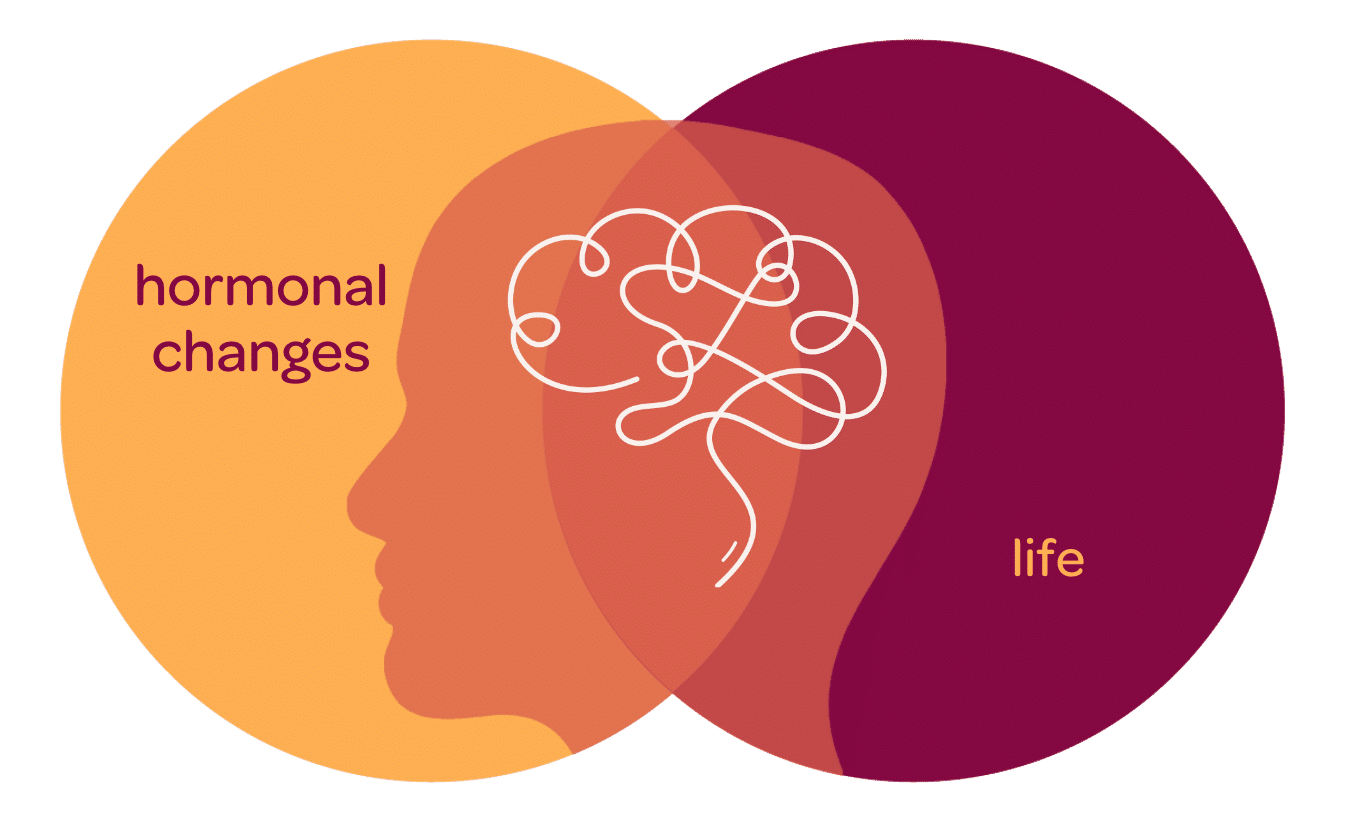
Understanding the Connection Between Mental Health and Menopause
The transition into menopause is a significant phase in a woman’s life, marked by various physical and emotional changes. As hormone levels fluctuate, many women experience not only physical symptoms but also profound emotional shifts that can impact mental health. This connection is often overlooked, yet it is crucial for understanding the full scope of the menopausal experience.
Research has indicated that emotional symptoms during menopause can include a range of mental health challenges. For instance, anxiety can manifest as excessive worry, panic attacks, or a general sense of unease that was not present before this life stage. These feelings might be triggered by the physiological changes in the body, societal pressures, or concerns about aging.
Depression is another significant concern, with some studies indicating that the prevalence of depressive symptoms can increase during menopause. Feelings of sadness or hopelessness may arise due to hormonal fluctuations, life transitions, or the stress of changing roles, such as becoming an empty nester or caring for aging parents.
Additionally, many women may experience heightened irritability, where mood swings can lead to frustration over minor issues. This emotional volatility can impact relationships, leading to challenges with partners, family, and friends. Recognizing these emotional symptoms is essential as they can greatly affect overall well-being.
The Interplay Between Menopause and Mental Health
Understanding the interplay between mental health and menopause is crucial for managing these emotional symptoms. Many women may find themselves grappling with several interrelated issues that exacerbate their feelings. Sleep disturbances, such as insomnia or disrupted sleep patterns, can significantly impact emotional health, leading to increased irritability and anxiety during waking hours.
Moreover, chronic stress can create a vicious cycle. As stress levels rise, the menopausal symptoms may intensify, leading to further emotional distress. It becomes a self-perpetuating loop where mental health suffers, resulting in increased stress responses.
Furthermore, relationship challenges often surface during menopause. As mood swings and emotional fluctuations occur, they can strain communication and affect interactions with partners and family. The changes can lead to misunderstandings and conflict, which may further contribute to feelings of isolation and sadness.
Available Resources and Management Strategies
In the United States, there is a growing awareness of the importance of addressing mental health during menopause. Numerous resources are available to help women navigate this significant life phase. From therapy and counseling to support groups, many avenues can provide the necessary support. Moreover, healthcare providers are increasingly recognizing the importance of discussing mental health in conjunction with menopausal symptoms.
By exploring effective management strategies—such as mindfulness practices, exercise, diet modifications, and possibly hormone replacement therapy (HRT)—women can take proactive steps to enhance their emotional well-being during menopause. Gathering information, connecting with supportive communities, and fostering open conversations with healthcare professionals are essential steps toward navigating this transitional stage in life.
Overall, understanding the multifaceted connection between menopause and mental health is vital. By acknowledging and addressing these challenges, women can embark on a journey towards improved emotional health and fulfillment during and after this critical phase in their lives.
LEARN MORE: Click here to delve deeper
Emotional Symptoms During Menopause: A Closer Look
The experience of menopause can vary greatly among women, but one common thread is the emotional turbulence that can accompany this transition. Understanding the specific emotional symptoms is essential for women to navigate this phase of life with resilience. Many in the United States may find themselves grappling with various psychological challenges during menopause, which can have a substantial impact on daily life and overall health.
Anxiety is often at the forefront of menopausal emotional symptoms. The feeling of unease can arise seemingly out of nowhere, and for some women, it can manifest into chronic anxiety. According to the North American Menopause Society, studies have shown that nearly 40% of women report increased anxiety levels during menopause. These elevated anxiety levels can stem from numerous factors, including hormonal changes, worries about aging, health concerns, and shifts in family dynamics. Recognizing the signs of anxiety is crucial; symptoms such as racing thoughts, heightened restlessness, and even physical sensations like a racing heartbeat can signal that support is needed.
Depression is another pivotal concern that significantly impacts mental health during menopause. Research indicates that up to 30% of women may experience depressive symptoms during this transitional period. The combination of hormonal imbalances and the stresses related to aging or changing life circumstances can lead to a sense of hopelessness or despair. Symptoms of depression can vary and may include fatigue, loss of interest in activities once enjoyed, changes in appetite, or difficulties in concentration. Acknowledging these signs early can facilitate more timely interventions and prevent a decline in emotional well-being.
Understanding Mood Swings and Their Effects
Mood swings can also be indicative of the emotional challenges women face during menopause. These abrupt changes in mood, ranging from irritability to sudden bouts of sadness, can create a ripple effect in daily interactions. The unpredictability of mood changes can lead to conflict in relationships, causing stress not only for the woman undergoing these changes but also for those around her. Recognizing the triggers of mood swings—be it stress, fatigue, or external pressures—can enable women to develop proactive strategies to manage their emotions more effectively.
Here are some strategies to consider for managing emotional symptoms during menopause:
- Engaging in physical activity: Regular exercise has been shown to reduce symptoms of anxiety and depression while promoting overall well-being.
- Prioritizing sleep hygiene: Creating a restful sleep environment can combat sleep disturbances that exacerbate emotional health issues.
- Practicing mindfulness and relaxation techniques: Practices such as yoga, meditation, and deep-breathing exercises can help alleviate stress and increase emotional resilience.
- Seeking professional support: Contacting mental health professionals can provide guidance tailored to individual experiences.
- Connecting with support groups: Women can feel less isolated by sharing experiences and strategies with others who understand their journey.
Recognizing and addressing emotional symptoms during menopause is essential for enhancing life quality. The interplay between mental health and menopause is complex, and taking proactive steps can help mitigate emotional challenges that may arise. Understanding these factors allows women to approach this significant life transition with clarity and confidence, ultimately leading to a more positive experience throughout menopause and beyond.
| Mental Health Challenges | Coping Strategies |
|---|---|
| Depression | Engaging in regular physical activity can significantly improve mood and reduce feelings of depression. |
| Anxiety | Mindfulness practices like meditation can help manage anxiety symptoms effectively, fostering a sense of calm. |
| Irritability | Exploring therapy options can provide emotional support for irritability and other mood swings often experienced during menopause. |
| Fatigue | Adopting a balanced diet and sufficient sleep can help combat fatigue linked to hormonal changes. |
During menopause, mental health can undergo significant changes, as the body adjusts to hormonal fluctuations. Common challenges include increased instances of depression, anxiety, irritability, and fatigue. It is crucial for individuals to understand these emotional symptoms and take proactive measures to manage them effectively. Engaging in regular physical activity not only helps to boost mood but can also provide essential structure to daily routines. Moreover, practicing mindfulness techniques such as meditation and deep-breathing exercises have been shown to be effective in reducing anxiety, offering moments of peace amid the tumult of hormonal changes. Seeking professional therapy may also be beneficial, providing a safe space to process feelings of irritability and emotional upheaval. Lastly, prioritizing nutrition and sleep will support overall well-being, counteracting feelings of fatigue that often accompany this transitional stage. These resources can provide a roadmap for individuals navigating the emotional landscape of menopause while ensuring mental health remains a priority.
DISCOVER MORE: Click here to learn about the effects of hormonal imbalance
Navigating the Path to Emotional Well-Being
As women navigate the winding journey of menopause, maintaining mental health is as crucial as managing physical symptoms. The emotional landscape during this time can often feel overwhelming, making it imperative to implement strategies that foster resilience. Beyond traditional methods of self-care, an array of innovative approaches can prove beneficial in managing emotional symptoms associated with menopause.
Holistic Approaches to Mental Health
Holistic health practices, which consider the mind, body, and spirit, can provide effective means of alleviating emotional symptoms during menopause. Techniques such as acupuncture have garnered attention for their potential benefits in regulating mood swings and reducing anxiety. According to recent studies, acupuncture may help balance the body’s energy, encouraging the release of endorphins, which can enhance feelings of well-being.
Additionally, nutrition plays a pivotal role in emotional health. A balanced diet rich in omega-3 fatty acids, antioxidants, and vitamins can support cognitive function and enhance emotional stability. Foods such as salmon, walnuts, berries, and leafy greens can promote better overall mental health. New research suggests that women who adopt a Mediterranean-style diet, which emphasizes plant-based foods, healthy fats, and whole grains, may experience fewer mood disturbances during menopause.
The Power of Social Connections
Another effective way to manage emotional symptoms is by harnessing the power of social connectivity. Connections with friends, family, or support groups can mitigate feelings of isolation, offering emotional comfort during this transitional stage. Engaging in social activities not only creates a sense of belonging but also serves as a reminder that others share similar experiences. Support networks can be invaluable, providing not only emotional support but also practical advice and coping strategies.
Mind-Body Practices
Incorporating mind-body practices such as Tai Chi or Qigong into a regular routine can enhance emotional well-being as well. These practices emphasize gentle movements, breath control, and mindful awareness. Engaging in such activities has been shown to reduce anxiety and enhance mood, helping women regain a sense of control over their emotional states.
Utilizing Technology and Resources
In this digital age, the resources for managing emotional symptoms are more accessible than ever. Mobile applications focused on mental health can assist women in tracking their mood, providing mindfulness exercises, or offering therapeutic support. For instance, apps like Calm or Headspace have gained popularity for their guided meditation and relaxation techniques, which can help lower anxiety levels.
Furthermore, individual therapy or counseling can address emotional distress in a personalized manner. Therapists specializing in women’s health can equip women with coping strategies tailored to their unique experiences during menopause, ensuring that they have the tools needed for mental resilience.
By exploring these diverse approaches, women can find effective ways to navigate the emotional challenges of menopause. Taking an active role in prioritizing mental health can pave the way for a more empowered transition.
DIVE DEEPER: Click here to discover more
Conclusion: Embracing Change with Confidence
In summary, the intersection of mental health and menopause presents a complex yet manageable landscape for women experiencing this significant life transition. As emotional symptoms can often mirror physical discomforts, understanding their relationship is pivotal for overall well-being. By employing a variety of strategies such as engaging in holistic practices, enhancing nutritional intake, nourishing social connections, and integrating mind-body exercises, women can cultivate a supportive environment for emotional health.
The emergence of technology brings a wealth of resources at our fingertips. Mobile applications dedicated to mental health offer insightful tools that allow women to track their emotional fluctuations and find solace through meditation and mindfulness practices. Additionally, seeking guidance through individual counseling can provide custom-tailored strategies that resonate with personal experiences, empowering women to navigate this phase with greater confidence.
Ultimately, the journey through menopause can be approached with a proactive mindset, where women become not just passive recipients but active participants in their mental and emotional health journey. By recognizing and addressing the impact of mental health on menopause, women can embrace this transition, equipped with knowledge and strategies that lead to greater emotional resilience. The path to fortifying mental well-being is not only about alleviating symptoms but is also an invitation to explore new dimensions of self-care and growth during this transformative time.