
Understanding the Importance of Mobility in Aging Women
As women age, maintaining mobility becomes increasingly critical to promoting independence and overall quality of life. Engaging in regular physical activity can significantly counteract the effects of aging on the body. Research indicates that appropriate fitness routines can enhance strength, balance, and flexibility, vital components for mobility. The benefits of these activities extend beyond physical health; they also contribute to mental well-being by fostering a sense of accomplishment and community.
Understanding the specific challenges faced by elderly women is essential. Key factors include:
- Muscle Mass Loss: Sarcopenia, or the loss of muscle mass, can lead to decreased strength. Studies suggest that women can lose up to 5% of their muscle mass per decade after reaching 30, making strength training all the more essential.
- Joint Stiffness: Conditions like arthritis can limit movement and cause discomfort. According to the Arthritis Foundation, more than 54 million adults in the U.S. have doctor-diagnosed arthritis, a reality that affects mobility and daily activities.
- Bone Density: Aging can contribute to weaker bones, increasing the risk of fractures. Post-menopausal women are particularly at risk for osteoporosis, with 1 in 2 women over age 50 experiencing a fracture due to bone thinning.
To combat these challenges, incorporating targeted strategies can yield positive results. Exceptional programs and resources exist across the country, focusing on older adult fitness. Consider the following:
- Strength Training: Engaging in resistance exercises helps build and maintain muscle mass. Activities such as lifting light weights or using resistance bands can be safely integrated into routines, even for beginners.
- Flexibility Exercises: Incorporating stretching routines or classes such as Pilates enhances range of motion and reduces stiffness. The practice of gentle nylon yoga is particularly beneficial, allowing for modifications to accommodate different physical abilities.
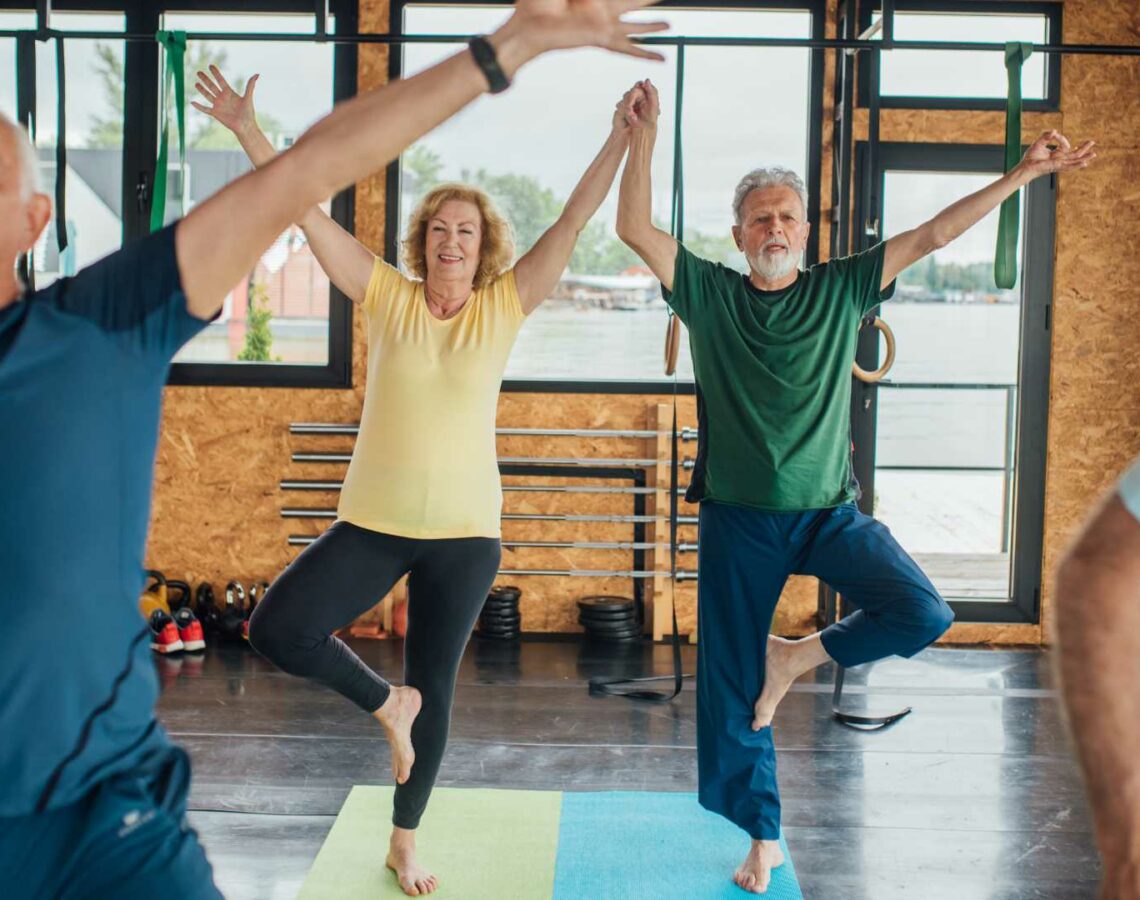
- Balance Activities: Participation in Tai Chi or yoga can prevent falls, which are a significant concern for older adults. Research shows that these practices can improve stability and coordination, ultimately boosting confidence in movement.
In this article, we will explore a variety of fitness strategies tailored specifically for elderly women. It’s crucial to start small and gradually increase intensity based on comfort and ability. By understanding and embracing these methods, women can not only maintain but also enhance their mobility during the aging process. This journey towards improved fitness can empower women to enjoy an active life, bolstering both physical capabilities and overall happiness.
DISCOVER MORE: Click here to learn about the effects of hormonal imbalance
Essential Fitness Strategies for Enhancing Mobility
To effectively counter the challenges that come with aging, elderly women can benefit from a tailored approach to fitness that emphasizes strength, flexibility, and balance. A strategic combination of these components not only preserves mobility but also empowers women to navigate their daily lives with confidence. Incorporating fitness activities into their routine is not merely an option; it is a necessity for fostering a fulfilling and independent lifestyle.
The Role of Strength Training
One of the most impactful strategies for combating muscle mass loss associated with aging is strength training. Research indicates that engaging in muscle-strengthening activities at least twice a week can help counteract sarcopenia. Simple exercises, such as chair squats, wall push-ups, or using light dumbbells or resistance bands, can create a solid foundation for maintaining strength. These exercises can be performed at home or in a community setting, making them accessible options for women looking to begin or enhance their fitness journey.
- Start Gradually: It is crucial for elderly women to begin with light weights or resistance levels and gradually increase them as strength improves. This gradual approach helps prevent injury and builds confidence.
- Focus on Major Muscle Groups: Targeting major muscle groups, including arms, legs, and core, can yield significant benefits. Simple leg lifts, bicep curls, and glute bridges can be effective foundational exercises.
- Consider Professional Guidance: Seeking advice from a certified fitness trainer who specializes in senior fitness can be invaluable. They can design personalized workout plans and ensure exercises are performed correctly.
The Importance of Flexibility and Stretching
Alongside strength training, incorporating flexibility exercises is crucial for maintaining mobility. Tight muscles can restrict movement and increase the risk of injuries. Stretching not only enhances flexibility but also promotes circulation and relaxation. Here are some ways to seamlessly integrate flexibility exercises into daily life:
- Dedicated Stretching Routines: Encourage women to dedicate time each day to stretching out major muscle groups. Gentle yoga or stretching classes specifically geared toward seniors can be beneficial.
- Focus on Muscles Used in Daily Activities: Concentrating on areas such as the hips, legs, and back can enhance performance in everyday tasks, from bending down to pick something up to walking comfortably.
- Mindful Breathing: Incorporating mindfulness with breathing techniques during stretching routines can lead to more effective relaxation and help in managing stress.
Stability Enhancement Through Balance Activities
Improving balance is vital for preventing falls, which pose a significant threat to the health and independence of elderly women. Activities like Tai Chi and yoga not only improve stability but also incorporate mind-body connection, enhancing overall well-being. These practices promote a sense of calm while teaching proper body mechanics. For those who may feel apprehensive about balance activities, starting with beginner classes or online tutorials can offer a comfortable entry point.
In summary, by understanding and implementing these fitness strategies, elderly women can work towards maintaining their mobility as they age. The journey towards improved fitness is one of empowerment, encouraging them to reclaim their independence and embrace each day with vigor and vitality.
Incorporating Strength Training into Daily Routines
As women age, it becomes increasingly important to incorporate strength training into their fitness routines. Strength exercises not only help to enhance muscle mass but also play a crucial role in maintaining bone density. Research suggests that engaging in strength training at least two times per week can significantly reduce the risk of osteoporosis, a condition that commonly affects elderly women. By utilizing resistance bands, light weights, or even body weight exercises, elderly women can improve their upper and lower body strength.In addition to strength training, maintaining flexibility is also essential. Yoga and stretching can improve balance, reduce the risk of falls, and enhance overall well-being. Mindfulness practices, such as focusing on breath during yoga, can alleviate stress and improve mental health. Encouraging regular stretching sessions can further aid in preserving joint health, which is crucial as flexibility often declines with age.
Engaging in Aerobic Activities
Aerobic activities are another vital component of fitness and can be tailored to suit any level of ability. Engaging in low-impact exercises such as walking, swimming, or cycling not only supports cardiovascular health but also boosts mood and overall energy levels. These activities promote better blood circulation, enhancing overall cell health and vitality. For elderly women, even simple activities like walking in the park can yield significant health benefits by fostering social interaction and reducing feelings of isolation.Regular physical activity has been linked to improved longevity and a better quality of life. Studies show that women who engage in consistent aerobic exercise report improved mobility, agility, and a notable decrease in chronic health issues. Implementing fun and social workouts, such as group classes tailored specifically for older adults, can lead to sustainable habits that further encourage activity.Integrating strength training and aerobic activities into fitness routines is fundamental for elderly women looking to maintain mobility. These practices promote not merely physical health but also foster a sense of community and empowerment through shared experiences.
LEARN MORE: Click here for insights on hormonal imbalances
The Impact of Aerobic Activities on Cardiovascular Health
While strength training and flexibility exercises play a critical role in maintaining mobility, incorporating aerobic activities into the fitness regimen can significantly bolster cardiovascular health and overall vitality. Engaging in moderate aerobic activities for at least 150 minutes a week can lower the risk of heart disease and enhance endurance, which is essential for daily activities. Walking, swimming, and cycling are excellent options that can be adapted to the preferences and abilities of elderly women.
- Walking: A low-impact yet highly effective form of aerobic exercise, walking can be done nearly anywhere and requires no special equipment. Joining a local walking group not only provides physical benefits but also fosters social interaction.
- Chair Aerobics: For those who may have limited mobility, chair aerobics can be a gentle way to stimulate the heart and improve circulation. These seated exercises can be adjusted in intensity to suit individual capabilities.
- Water Aerobics: Swimming or participating in water aerobics classes can alleviate stress on the joints while providing an excellent cardiovascular workout. The buoyancy of water allows for a full range of motion, easing the strain commonly felt on land.
Nutritional Considerations for Enhanced Mobility
Alongside a dedicated fitness routine, nutrition plays a pivotal role in supporting mobility and overall well-being in elderly women. As the body ages, nutritional needs change, necessitating a focus on essential vitamins and minerals to maintain muscle strength and joint health.
- Calcium and Vitamin D: Adequate intake of calcium and vitamin D is crucial for bone health. Foods like dairy products, leafy greens, and fortified cereals can help maintain bone density, reducing the risk of fractures.
- Protein: Incorporating sufficient protein into daily meals supports muscle repair and growth. Options such as lean meats, legumes, and dairy can bolster dietary intake, helping counteract age-related muscle loss.
- Hydration: Staying properly hydrated is essential for cognitive function and physical performance. Elderly individuals often have diminished thirst perception, making it crucial to drink water regularly throughout the day.
Integrating Mindfulness and Mental Health in Fitness
Maintaining mobility is not solely about physical strength and endurance; mental health plays a fundamental role in overall fitness. Engaging in activities that promote mental wellness can enhance one’s motivation to stay active and committed to a fitness regimen.
- Meditation and Mindfulness: Practices such as mindfulness meditation can reduce stress and anxiety, encouraging a positive outlook on fitness. Allocating a few minutes each day for deep breathing or meditative practices can improve emotional resilience.
- Community Engagement: Building connections through local fitness classes or community centers fosters a supportive environment that encourages older women to remain active. Social interaction can boost motivation and accountability.
- Setting Goals: Encouraging elderly women to set achievable fitness goals can provide a sense of accomplishment and purpose. Small milestones, such as increasing the number of steps taken each day or completing a weekly class, can lead to significant improvements over time.
By embracing a comprehensive approach that incorporates aerobic activities, proper nutrition, and mental health practices, elderly women can effectively enhance their mobility and overall quality of life. Each step taken toward a more active lifestyle is a stride toward fostering independence and vitality in their golden years.
DISCOVER MORE: Click here to learn about nutritional balance and mental health
Conclusion: Embracing a Holistic Approach to Mobility
In summary, maintaining mobility in elderly women is a multifaceted endeavor that requires a combination of regular physical activity, sound nutritional practices, and an emphasis on mental well-being. Aerobic activities, such as walking, swimming, and cycling, are essential not only for enhancing cardiovascular health but also for promoting independence in daily tasks. Integrating strength training and flexibility exercises ensures that the body remains agile and capable of handling the physical challenges that come with aging.
Equally important is the role of nutrition. A well-balanced diet rich in calcium, vitamin D, and protein forms the foundation for strong bones and muscles, which are critical in preventing fractures and maintaining overall mobility. Elderly women should also prioritize hydration to support cognitive function and physical performance.
Moreover, the mental aspect of fitness should not be underestimated. Practices such as mindfulness and community engagement can greatly improve motivation and emotional resilience, encouraging women to remain active and connected with others. Setting achievable goals further establishes a sense of purpose and accomplishment in their fitness journeys.
As the population continues to age, embracing these comprehensive strategies not only enhances mobility but also fosters a vibrant quality of life for elderly women. Each individual’s journey towards fitness is unique; however, the collective integration of these elements can lead to a more fulfilling and independent lifestyle in the golden years. By investing in their physical and mental health, elderly women can navigate the challenges of aging with confidence and vitality.