
The Importance of Exercise for Women’s Bone Health
Throughout every stage of life, women face unique challenges related to their bone health. Factors like genetics, hormonal changes, and lifestyle choices play a significant role in shaping bone density and strength. Regular exercise is a powerful tool that can mitigate risks and enhance overall bone vitality. Engaging in a well-rounded fitness routine can not only improve muscle tone and cardiovascular health but can also serve to fortify the skeletal system.
Research shows that engaging in physical activity offers myriad benefits for women of all ages. Consider these crucial points:
- Childhood and Adolescence: This stage is critical for establishing peak bone mass. Weight-bearing activities, such as jumping rope, running, or playing soccer, help stimulate bone formation and density. The importance of these activities cannot be overstated; girls who are physically active during their formative years have been shown to develop higher peak bone mass, reducing their risk of fractures and osteoporosis later in life.
- Adulthood: As women transition into adulthood, the focus shifts to maintaining bone health. Regular exercise, including aerobic workouts and resistance training, has been linked to a decreased risk of osteoporosis. A study published in the Journal of Bone and Mineral Research found that women who engaged in regular weight training had significantly higher bone mineral density compared to those who did not.
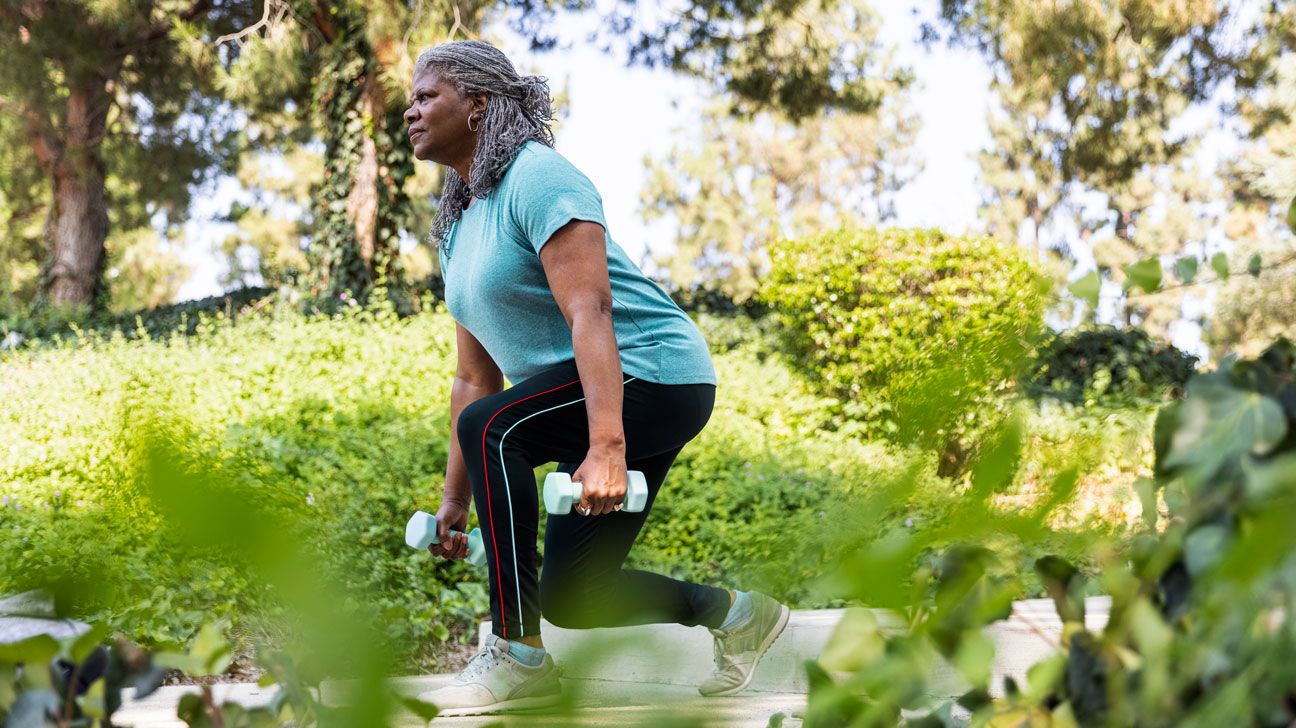
- Post-menopause: After menopause, a woman’s risk for bone density loss increases dramatically due to hormonal changes that specifically affect calcium absorption and bone remodeling. Resistance training, such as lifting weights or performing body-weight exercises, can help counteract this decline by promoting bone strength and improving muscle mass. Engaging in such activities has proven valuable as postmenopausal women can see a significant reduction in their risk of hip fractures, a common concern.
Despite the evident benefits, many women remain unaware of how significantly exercise influences their skeletal health. This lack of awareness can stem from societal attitudes toward fitness and the misconception that engaging in physical activity is less critical for women. However, as various studies indicate, the right kind of exercise is beneficial at every stage of life. For example, a 2020 study indicated that women in their 40s and 50s who participated in regular aerobics and strength-training classes showed improvements in their balance and lower body strength, which are imperative for fall prevention.
Incorporating a regular exercise routine doesn’t have to be daunting. Women can begin by making small changes, such as taking the stairs instead of the elevator, walking during lunch breaks, or joining group fitness classes tailored for their specific age group. Creating a support system with friends or family members can also make exercising more enjoyable and consistent. By understanding the connections between exercise and women’s bone health throughout their lives, women can take proactive steps towards a healthier future.
DIVE DEEPER: Click here to learn more
Exercise: The Key to Building Strong Bones in Women
Understanding the role of exercise in women’s bone health requires a closer examination of how physical activity impacts bones at various life stages. Engaging in regular exercise is crucial for optimizing not only physical fitness but also skeletal development. The intricate relationship between exercise and bone density underscores the importance of movement throughout a woman’s life, setting the stage for long-term health benefits.
First, it is essential to recognize the biological changes women undergo during different life phases and how these changes affect bone health. During childhood and adolescence, girls experience rapid growth periods which are vital for building bone density. According to the National Institute of Arthritis and Musculoskeletal and Skin Diseases, around 90% of a person’s peak bone mass is reached by age 18. This makes physical activity a non-negotiable aspect of healthy growth. Engaging in activities that involve weight-bearing exercises, such as dancing, gymnastics, and playing sports, can significantly contribute to achieving optimal bone mass. In fact, studies show that active girls are more likely to develop bones that are robust and resilient, helping to lay a strong foundation for the future.
As women move into their reproductive years and beyond, the necessity to maintain bone health becomes even more pronounced. The importance of continuing a regular exercise routine cannot be overlooked. A 2021 review published in the Journal of Clinical Endocrinology and Metabolism highlighted that postmenopausal women engaging in consistent aerobic exercises and strength training had a greater bone mineral density compared to their sedentary counterparts. Regular physical activity promotes the circulation of hormones that are essential for maintaining bone tissue, particularly estrogen, which plays a role in bone density regulation. With a focus on resistance training, women can combat the natural bone density loss that typically occurs after menopause, reducing their risk for fractures associated with osteoporosis.
The significance of different types of exercise also cannot be dismissed. An effective fitness program that includes a combination of aerobic exercise, strength training, and flexibility work proved beneficial in diversifying the effects on bone health. Consider a few types of exercise that are especially impactful:
- Weight-Bearing Exercises: Activities such as brisk walking, jogging, and hiking encourage bone-forming cells to function more effectively.
- Resistance Training: Utilizing weights or resistance bands helps strengthen not just muscles, but also the bones attached to them.
- Balance and Flexibility Activities: Yoga and Pilates improve coordination and flexibility, reducing the risk of falls that can lead to fractures.
Moreover, the social components of exercise can enhance the experience, fostering community and support among women of all ages. Group classes or team sports create an environment that encourages consistency and motivation. As such, women must be proactive about incorporating exercise into their daily lives to ensure lasting benefits for their bone health.
In summary, understanding the impact of exercise on women’s bone health serves as a call to action. By embracing the importance of physical activity at every stage of life, women can take charge of their bone health, paving the way for a brighter and stronger future.
The Importance of Weight-Bearing Exercises
Engaging in weight-bearing exercises is pivotal for enhancing women’s bone health at every stage of life. These exercises include activities such as running, dancing, and brisk walking, which stimulate bone formation and improve bone density. This practice is especially important during adolescence and early adulthood, as these are critical periods for developing peak bone mass. Studies show that women who regularly participate in these activities can forge robust skeletal structures that may help stave off osteoporosis later in life.
Strength Training and Bone Density
Strength training is another key component in the maintenance of healthy bones. Research indicates that lifting weights can lead to significant increases in bone mineral density in women, effectively countering the natural decline in bone density that occurs with age. Incorporating resistance training into a regular exercise routine is particularly beneficial for women post-menopause, as it mitigates the rapid bone loss seen during this phase.
Exercise During Pregnancy
During pregnancy, exercise can play a crucial role in promoting maternal bone health and the overall development of the fetus. Participating in a well-structured exercise program—after consulting with healthcare professionals—can enhance the mother’s bone strength and lead to a lower risk of complications. This proactive approach helps ensure a healthier pregnancy while laying a solid foundation for the baby’s future skeletal system.
Nutrition’s Role in Bone Health
While exercise is essential, it works best in conjunction with proper nutrition. Adequate intake of calcium and vitamin D—along with a balanced diet—supports optimal bone health. Women should strive to incorporate foods rich in these nutrients to truly maximize the benefits of their exercise regimen. It’s well-understood that a holistic approach—merging exercise with nutritional support—is vital for sustaining bone density and overall well-being throughout life.
| Category | Benefits |
|---|---|
| Weight-Bearing Exercises | Stimulates bone growth and fortifies density, crucial during adolescence and early adulthood. |
| Strength Training | Counteracts age-related bone density loss, particularly beneficial for postmenopausal women. |
DISCOVER MORE: Click here to delve deeper
The Lifelong Benefits of Exercise on Bone Health
As women navigate through life, the impact of exercise on bone health transcends mere injury prevention; the benefits extend into myriad aspects of well-being. For instance, research indicates that physical activity not only helps to build and maintain healthy bones but also plays a significant role in managing body weight and reducing the risk of chronic diseases. Maintaining a healthy body weight is a crucial factor, especially since obesity can create additional stress on bones and joints, leading to complications down the line.
Moreover, exercise fosters a sense of empowerment and confidence, which can be particularly beneficial for women. Engaging in regular physical activity can help alleviate stress, anxiety, and depression—common concerns among women of all ages. A study published in the Journal of Sports Medicine found that women who participated in moderate-intensity exercise experienced significant improvements in mood and mental health, further promoting adherence to long-term exercise routines that support bone health.
At older ages, particularly in the senior demographic, maintaining bone density and strength becomes exceptionally critical. The National Osteoporosis Foundation states that women over 50 are at a heightened risk for osteoporosis, which affects up to one in two women at some point in their lives. Incorporating strength training exercises, such as lifting weights or body-weight workouts, can significantly bolster bone density. According to a meta-analysis published in the Archives of Physical Medicine and Rehabilitation, older women who engaged in strength training exhibited a marked increase in bone mineral density, further validating the necessity of exercise in older age.
Additionally, the type of exercise chosen can lead to varying outcomes in bone health. Research emphasizes the role of high-impact exercises such as jumping and sprinting, as well as moderate-impact activities like walking and dancing, as effective methods for stimulating bone formation. Furthermore, activities that include an element of load-bearing, such as hiking with elevation, can enhance both muscle and bone strength, thereby providing comprehensive benefits for women’s skeletal systems.
Sensory cues from the environment can also motivate women to engage in exercise, enhancing their overall experience. Outdoor activities—ranging from gardening to group hikes in national parks—can provide a dual benefit of physical exercise coupled with exposure to sunlight, which supports vitamin D synthesis—a crucial nutrient for bone health. The Centers for Disease Control and Prevention report that adequate vitamin D levels can help optimize calcium absorption, another essential factor for maintaining strong bones.
Community initiatives further emphasize the importance of collective action in promoting women’s bone health through exercise. Programs aimed at older adults often incorporate fun, engaging workouts focused on balance and agility training to prevent falls. Local health organizations and community centers play a pivotal role in fostering such opportunities, creating environments where women feel inspired and supported to prioritize their bone health.
In summary, the extensive benefits of exercise on bone health throughout a woman’s life cannot be overemphasized. A proactive approach to maintaining and enhancing bone density through an active lifestyle yields rewards that reverberate well beyond skeletal strength, laying the groundwork for holistic health and wellness.
DISCOVER MORE: Click here to enhance your understanding
Conclusion: A Holistic Approach to Strengthening Women’s Bone Health
In conclusion, the significance of exercise in promoting women’s bone health throughout their lives is both profound and multifaceted. As we have explored, engaging in regular physical activity not only solidifies bone density and strength but also contributes to a well-rounded state of mental and physical well-being. The incorporation of weight-bearing and high-impact exercises can lead to substantial improvements in bone health, particularly pivotal during the osteoporosis-prone years of women over 50.
Moreover, exercise empowers women by enhancing their confidence and alleviating common mental health concerns, which is essential in fostering a long-term commitment to an active lifestyle. An individual’s approach to fitness can be as diverse as their interests, whether it’s communal group activities or solitary outdoor pursuits, each providing unique opportunities for enhancing bone health while nurturing overall life satisfaction.
As community initiatives continue to promote exercise as a key to health and well-being, women are encouraged to seize these opportunities, recognizing the vital role their physical activity plays in sustaining strong bones. Through informed choices and a proactive stance towards fitness, women can navigate the complexities of life with resilience and strength.
As we move forward, ongoing research and public health campaigns must continue to stress the importance of physical activity as a cornerstone of women’s health programs. With consistent engagement in exercise, women of all ages can protect their bone health, ensuring not just longevity but a vibrant and dynamic quality of life.