
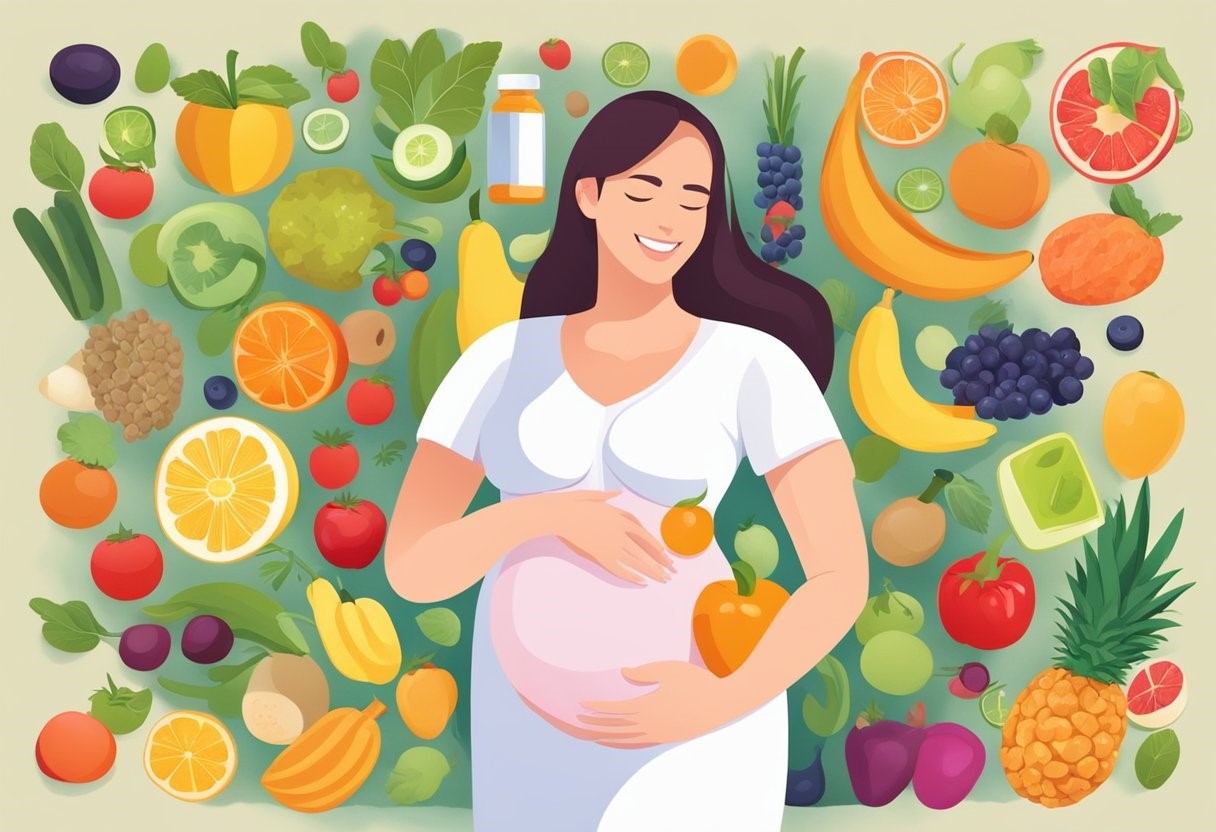
Navigating the Nutritional Landscape of Pregnancy
Pregnancy marks a transformative phase in a woman’s life, characterized by an array of physiological changes that not only affect her body but also lay the foundation for her child’s future health. During this crucial time, the importance of nutrition takes center stage. Expectant mothers must focus on a diet rich in essential nutrients to nourish themselves and support the optimal development of their babies.
Key Nutrients to Consider
To facilitate a healthy pregnancy, several essential nutrients should be prioritized. Here’s an expanded look at some of the most critical:
- Folic Acid: This B-vitamin is vital for the formation of the neural tube, which eventually develops into the baby’s brain and spinal cord. Consuming folic acid before conception and during early pregnancy can significantly reduce the risk of neural defects. Foods rich in folate include leafy green vegetables, beans, and fortified cereals.
- Iron: As pregnancy progresses, a woman’s blood volume increases, necessitating higher iron intake to prevent anemia. Iron plays a crucial role in oxygen transport throughout the body, ensuring that both mother and baby receive adequate oxygen. Lean meats, spinach, lentils, and fortified grains are excellent sources of iron.
- Calcium: Essential for the development of the fetal skeleton, calcium also supports muscle function and the cardiovascular system. If a mother does not receive enough calcium, her body will draw it from her bones, potentially jeopardizing her health. Dairy products, fortified plant-based milk, and green vegetables like broccoli can help meet calcium needs.
- Omega-3 Fatty Acids: These essential fats, particularly DHA, are fundamental for fetal brain development and visual acuity. Omega-3s also play a role in reducing the risk of preterm birth. Good sources include fatty fish such as salmon and sardines, as well as flaxseeds and walnuts.
- Protein: During pregnancy, protein requirements increase to support tissue growth for both the mother and the developing baby. Protein-rich foods such as lean meats, eggs, dairy, and legumes are essential for fulfilling this need and promoting healthy growth.
Each of these nutrients contributes significantly to the overall health and development of the fetus, while also ensuring the mother maintains her strength and vitality. In the United States, where dietary preferences and food availability can vary widely, it is particularly important for expectant mothers to remain informed and proactive about their nutritional intake.
Exploring Nutritional Needs
By understanding the role of these essential nutrients, expectant mothers can make informed dietary choices that promote a healthy pregnancy. Consulting with a healthcare professional or a registered dietitian can provide personalized insights, helping to create a tailored nutrition plan that accommodates individual health conditions and dietary preferences.
As you adapt your diet during this life-changing journey, remember that each bite counts. Embrace the exploration of new foods and recipes that can enrich your nutritional profile while enjoying the process of nurturing both yourself and your growing child. A balanced diet not only supports physical health but also boosts emotional well-being, setting the stage for a joyful and fulfilling motherhood experience.
LEARN MORE: Click here to dive deeper
The Role of Nutrition in Supporting Pregnancy
Nutrition during pregnancy is more than just a dietary preference; it is a critical aspect of maternal and fetal health. Expectant mothers must be aware that their nutritional choices can directly impact not only their own well-being but also the development and future health of their babies. A well-rounded diet filled with essential nutrients is imperative for a healthy pregnancy journey.
Nutrients Critical for Fetal Development
During pregnancy, women are advised to prioritize specific nutrients essential for the growth and development of their unborn child. Here’s an in-depth look at these critical nutrients:
- Vitamin D: Often referred to as the sunshine vitamin, vitamin D is crucial for fetal bone development and immune function. Supplementing with vitamin D can often be necessary, particularly in results of limited sun exposure. Foods high in vitamin D include fortified milk, fatty fish, and eggs. Health experts recommend that pregnant women maintain adequate vitamin D levels to support both their own health and that of their baby.
- Zinc: This trace mineral plays a significant role in cellular division and the synthesis of DNA and protein, all of which are vital during the growth of a fetus. Pregnant women require significantly more zinc than non-pregnant women to support fetal development. Rich dietary sources of zinc include meat, shellfish, legumes, seeds, and nuts.
- Iodine: Essential for thyroid function, iodine supports the development of the baby’s brain and nervous system. A deficiency in iodine during pregnancy can negatively impact cognitive function in children. Pregnant women should aim to consume iodine-rich foods such as dairy, seafood, and iodized salt, or consider a supplement if necessary, as recommended by healthcare providers.
- Vitamin C: This powerful antioxidant supports tissue repair and the immune system. Additionally, it enhances iron absorption, making it particularly important for pregnant women who need to combat the risk of anemia. Citrus fruits, berries, and peppers are excellent sources of vitamin C that can easily be integrated into daily meals.
- B Vitamins: Beyond folic acid, the B vitamins work together to provide energy and support cellular metabolism. B6 can help alleviate nausea during the first trimester, while B12 is crucial for maintaining healthy nerve cells and producing DNA. Good sources include whole grains, eggs, dairy products, and meat.
Incorporating these nutrients into daily meals can be both enjoyable and beneficial. By focusing on a diverse diet that celebrates colors, flavors, and textures, mothers-to-be can savor their culinary journey while ensuring they meet their nutritional needs. In the fast-paced environment of the United States, where convenience may tempt some to opt for processed foods, it remains essential to emphasize whole foods and nutritional balance.
Personalizing Nutritional Plans
As each pregnancy is unique, it’s equally important for expectant mothers to seek personalized dietary recommendations. Consulting with healthcare providers or registered dietitians can lead to tailored nutrition plans that align with individual health conditions, personal preferences, and cultural practices. Understanding how to navigate nutritional resources can empower mothers to make informed choices that promote both their own health and the health of their child.
| Nutrient | Importance |
|---|---|
| Folic Acid | Prevents neural tube defects and supports the overall development of the baby’s brain and spine. |
| Iron | Essential for producing hemoglobin, which carries oxygen in the blood, vital for both mother and fetus. |
| Calcium | Supports the formation of the baby’s bones and teeth while preventing maternal bone density loss. |
| Omega-3 Fatty Acids | Crucial for brain development and may reduce the risk of postpartum depression. |
Proper nutrition during pregnancy is not just important, it’s essential. Each nutrient plays a pivotal role in the health of both the mother and the baby. For instance, folic acid is critical in preventing neural tube defects, which can lead to severe developmental issues. Women who consume adequate amounts of iron not only support their own health but also ensure that their developing baby receives sufficient oxygen. Additionally, calcium helps to prevent maternal bone loss while supporting the formation of the baby’s skeletal system.Omega-3 fatty acids are another key component that cannot be overlooked; they contribute significantly to neural development and have been associated with improved mental health outcomes for mothers post-delivery. Ensuring a balanced intake of these vital nutrients can lay the groundwork for a healthy pregnancy, making it imperative for expectant mothers to consider their nutritional needs carefully. As the journey of pregnancy unfolds, understanding these essential nutrients helps mothers make informed dietary choices, creating a nurturing environment for their growing child.
DIVE DEEPER: Click here to learn more
Balancing Nutritional Needs Throughout Pregnancy
As pregnancy progresses, a woman’s nutritional needs will evolve, reflecting the changing demands of both her body and her developing baby. Understanding these changing requirements is crucial for maintaining optimal maternal and fetal health. During distinct trimesters, specific adjustments in dietary focus can empower mothers-to-be to support their journey effectively.
Trimester-Specific Nutrient Focus
In the first trimester, the foundation of the baby’s development is laid. With increased levels of hormones and rapid changes in the body, a higher intake of folate or folic acid is essential during this time. Folic acid helps prevent neural tube defects and is crucial for fetal growth. Notably, foods such as leafy greens, beans, and fortified cereals can easily elevate folate levels.
As women transition into the second trimester, the nutritional spotlight shifts to iron. During this phase, blood volume increases significantly, and the demand for iron rises. Adequate iron intake can stave off anemia and enhance oxygen delivery to the fetus. Good sources include red meat, poultry, legumes, and spinach. It’s noteworthy that pairing these iron-rich foods with vitamin C sources, like strawberries or bell peppers, can enhance absorption.
In the third trimester, when the baby experiences rapid growth, additional calories are often needed. However, it is essential to focus on the quality of those calories rather than merely increasing quantity. Aiming for whole grains, healthy fats, and protein-rich foods, such as fish, nuts, and lean meats, can provide the energy necessary for both mother and child.
The Importance of Hydration
Another often-overlooked component of maternal health is proper hydration. During pregnancy, maintaining hydration is critical for amniotic fluid production, nutrient transportation, and body temperature regulation. Pregnant women should aim to consume at least 8-10 cups of water daily, with more needed in hot climates or when engaging in physical activity. Infusing water with fruits or consuming hydrating foods like cucumbers and watermelon can make hydration appealing and enjoyable.
The Impact of Lifestyle on Nutritional Needs
While focusing on essential nutrients, it is vital for expecting mothers to consider how various lifestyle choices, such as physical activity and stress management, can influence nutrition. Engaging in moderate exercise, like walking or prenatal yoga, can enhance overall physical and mental well-being, making it easier to maintain a balanced diet. Additionally, managing stress through mindfulness techniques can positively affect nutritional choices, as stress can lead to unhealthy eating patterns.
Moreover, alongside the physical aspects of nutrition, emotional health remains paramount. Studies indicate that mothers who engage in supportive communities or therapeutic practices can alleviate stress and isolation during this transformative time. Such support networks may provide not only emotional reassurance but also practical dietary tips or meal preparation assistance, making nutritional balance easier to achieve.
Ultimately, recognizing the semi-constant shift in nutritional demands throughout pregnancy encourages women to stay attuned to their bodies and seek guidance from healthcare professionals. It is essential for expectant mothers to consider their unique experiences to curate the most personalized and beneficial dietary practices during this crucial period.
DISCOVER MORE: Click here to enhance your understanding
Conclusion: Prioritizing Nutrition for a Healthy Pregnancy
In summary, the journey of pregnancy is a transformative experience, one that requires a nuanced understanding of essential nutrients for pregnancy and maternal health. Each trimester brings its unique nutritional challenges and needs, and recognizing these shifts is vital for the well-being of both mother and child. Implementing nutrient-dense foods, such as those rich in folate, iron, and healthy fats, can significantly impact fetal development and maternal vitality.
Moreover, a holistic approach to nutrition extends beyond what is on the plate. Hydration, physical activity, and emotional support form the pillars of a healthy pregnancy. Adequate fluid intake ensures optimal bodily functions, while engaging in moderate exercise cultivates physical resilience. Equally, fostering connections with supportive communities can enhance emotional health, allowing expectant mothers to navigate the complexities of pregnancy effectively.
Ultimately, it is crucial for pregnant women to prioritize self-care during this life-altering chapter. Seeking personalized advice from healthcare professionals can provide tailored dietary insights, equipping women with the tools they need for a vibrant pregnancy. For those looking to explore this topic further, numerous resources are available, from prenatal classes to reliable nutrition guides that delve deeper into the importance of each nutrient. Embracing these considerations paves the way for a nurturing environment that supports both maternal and fetal health, setting the stage for a bright future ahead.