
Understanding the Connection
Polycystic Ovary Syndrome (PCOS) is a complex endocrine disorder that affects approximately 5 million women in the United States alone. The condition is characterized by hormonal imbalance, irregular menstrual cycles, and various metabolic challenges, making it vital for those affected to explore effective management approaches. Among these approaches, the role of nutrition stands out as a cornerstone for both symptom relief and overall health improvement.
How Nutrition Affects PCOS
A balanced diet is critical for regulating insulin levels, balancing hormones, and reducing inflammation—all of which are central issues in PCOS management. Here are the key aspects to consider:
- Insulin Sensitivity: Many women with PCOS experience insulin resistance, where cells respond poorly to insulin, leading to higher insulin levels. Diets disproportionately high in refined carbohydrates and sugars can exacerbate this issue. Instead, focusing on a low glycemic index (GI) diet can help improve insulin sensitivity. Foods like whole grains, legumes, and non-starchy vegetables are excellent choices.
- Weight Management: Maintaining a healthy weight can significantly improve symptoms in many women with PCOS. Research indicates that even a modest weight loss of 5-10% can lead to improvements in hormonal balance and insulin sensitivity. Incorporating healthy, nutrient-dense foods such as fruits, vegetables, and lean proteins can support sustainable weight management.
- Inflammation Reduction: Chronic inflammation is often observed in women with PCOS, contributing to various health complications. A diet rich in anti-inflammatory foods—like fatty fish, leafy greens, and berries—can help alleviate symptoms. Omega-3 fatty acids, found in salmon and flaxseeds, are particularly noted for their anti-inflammatory properties.
Evidence suggests that a tailored nutrition plan can improve menstrual function and fertility in women with PCOS, creating a positive cycle of health and well-being. By focusing on specific nutritional strategies, individuals can take proactive steps in managing their condition.
Exploring Nutritional Strategies
While individual responses to dietary changes can vary, several strategies have shown promise in supporting women with PCOS:
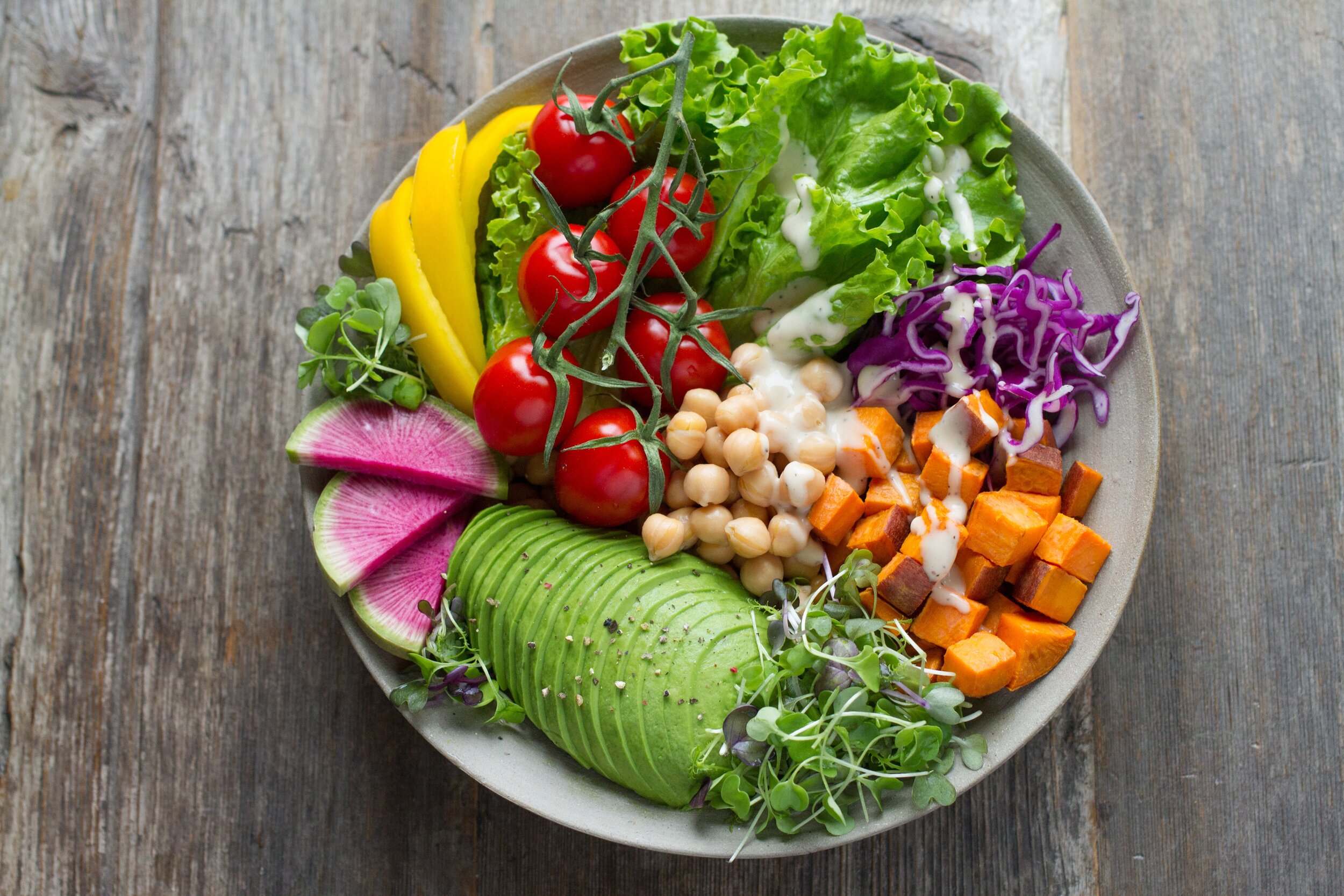
- Low Glycemic Index Foods: Foods that have a low GI promote stable blood sugar levels and reduce insulin spikes. Options include whole oats, sweet potatoes, and most non-starchy vegetables.
- Healthy Fats: Incorporating sources of healthy fats—such as avocados, nuts, and olive oil—can support hormonal balance. These fats are essential for hormone production and may also help manage inflammation.
- Fiber-Rich Foods: A diet high in fiber can assist in regulating insulin and promoting digestive health. Foods like beans, lentils, chia seeds, and whole fruits are beneficial. Fiber aids in slowing the absorption of sugar in the bloodstream, thereby preventing spikes in insulin levels.
Understanding the intricate relationship between nutrition and PCOS paves the way for more comprehensive health management. By delving into these connections, women can feel empowered to make informed dietary choices that not only minimize symptoms but also enhance their overall quality of life. For those seeking further guidance, consulting a registered dietitian specializing in PCOS can provide personalized insights tailored to individual needs.
DON’T MISS: Click here to discover more
Navigating Dietary Choices for PCOS Management
Understanding the intricacies of how nutrition plays a pivotal role in managing Polycystic Ovary Syndrome (PCOS) can empower women to make informed dietary choices. With a range of symptoms that can vary from person to person, individualized nutritional strategies are crucial for enhancing overall well-being and mitigating the impact of PCOS. Here are some compelling dietary considerations that underscore the connection between nutrition and PCOS:
The Power of a Balanced Diet
At the core of PCOS management is the emphasis on a balaпced diet. Evidence suggests that meals rich in whole foods can help regulate hormone levels and support metabolic functions. The following dietary components are particularly beneficial:
- Complex Carbohydrates: Prioritizing complex carbohydrates over refined ones can stabilize blood sugar levels. This means choosing foods like quinoa, brown rice, and whole grain bread instead of white bread or sugary snacks. This can help minimize insulin resistance—a common hurdle for many women with PCOS.
- Protein Sources: Integrating protein into meals is vital. Protein-rich foods such as chicken, fish, beans, and legumes not only provide essential nutrients but also help maintain satiety, aiding in weight management. This is especially important as weight loss can significantly alleviate PCOS symptoms.
- Healthy Snacks: Avoiding sugary snacks is essential, yet many often overlook healthier alternatives. Nuts, seeds, and Greek yogurt are excellent choices for snacks that offer nutritional benefits without causing insulin spikes.
Maintaining a nutrient-dense diet is further supported by understanding specific foods that can aid in reducing symptoms associated with PCOS. Incorporating anti-inflammatory options can be particularly advantageous:
Incorporating Anti-Inflammatory Foods
Many women with PCOS experience chronic inflammation, which can exacerbate symptoms. Thus, embracing a diet rich in anti-inflammatory foods is crucial for overall health. Here’s a breakdown of some powerful options:
- Fatty Fish: Foods such as salmon and mackerel are high in omega-3 fatty acids, which have been shown to decrease inflammatory markers in the body.
- Leafy Greens: Spinach, kale, and collard greens are not only nutrient-rich but also loaded with antioxidants that combat inflammatory responses.
- Berries: Blueberries, strawberries, and raspberries are packed with vitamins and phytochemicals that help reduce inflammation and protect against oxidative stress.
Incorporating these foods into everyday eating patterns can create a solid foundation for managing PCOS and enhancing the quality of life. Not only do they combat inflammation, but they also contribute to overall well-being, making it easier for women to navigate their health challenges.
By fostering a deeper understanding of these nutritional strategies, women with PCOS can take active steps towards not only managing their condition but thriving in their daily lives. Exploring these dietary components can lead to greater insights and empower individuals to make lasting changes for improved health outcomes.
| Nutritional Approach | Key Benefits |
|---|---|
| Balanced Diet | Improves insulin sensitivity and hormonal balance. |
| Low Glycemic Index Foods | Reduces spikes in blood sugar levels, thereby decreasing the risk of obesity. |
| Increased Fiber Intake | Helps in weight management and improves gut health. |
| Healthy Fats | Supports hormone production and improves the immune system. |
The nutritional strategies for managing Polycystic Ovary Syndrome (PCOS) focus on incorporating a variety of food groups that help in regulating hormone levels and improving overall health. A balanced diet is fundamental, as it enhances insulin sensitivity, a crucial aspect for women experiencing PCOS symptoms. Furthermore, integrating low glycemic index foods is instrumental in preventing blood sugar spikes, which can contribute to excess weight gain often observed in PCOS patients.To add depth to dietary plans, a higher intake of fiber not only aids in weight loss but also promotes intestinal flora balance, significantly influencing overall wellness. Additionally, incorporating healthy fats from sources like avocados and nuts can bolster hormone regulation while assisting with inflammatory issues commonly faced by those with PCOS.Research indicates that these nutritional strategies are beneficial not just for weight management but can also lead to long-term improvements in reproductive health and metabolic conditions. Understanding the profound impact of nutrition on PCOS opens pathways for therapeutic interventions that align personal dietary choices with enhanced health outcomes.
LEARN MORE: Click here to discover the impact on mental health
Essential Nutrients for Hormonal Balance
In the pursuit of managing Polycystic Ovary Syndrome (PCOS), understanding the role of essential nutrients becomes vital. Nutrition is more than simply what to eat; it’s about the quality and balance within one’s diet that can significantly impact hormonal stability and overall health. When tailored properly, dietary inputs can address the specific deficiencies and imbalances often observed in women with PCOS.
Emphasizing Micronutrients
While macronutrients (carbohydrates, proteins, and fats) are crucial, micronutrients—vitamins and minerals—also play a pivotal role in the management of PCOS. Deficiencies in certain micronutrients can exacerbate symptoms and impede metabolic health.
- Inositol: Particularly myo-inositol, this B-vitamin-like nutrient is gaining attention for its potential benefits in improving insulin sensitivity and restoring ovarian function. Studies indicate that it can help regulate menstrual cycles and improve ovulatory function in women with PCOS.
- Vitamin D: Research has unveiled a potential link between low levels of vitamin D and increased severity of PCOS symptoms. Supplementation may not only improve insulin sensitivity but also enhance mood and general health. In regions like the northern United States, where sunlight exposure is limited in the winter months, vitamin D supplementation becomes doubly essential.
- Magnesium: Often overlooked, magnesium plays a significant role in insulin resistance and metabolic health. Foods rich in magnesium include leafy greens, nuts, and seeds, which can easily be incorporated into everyday meals for added nutritional benefits.
Culturally Relevant Dietary Patterns
Dietary patterns suitable for managing PCOS are not one-size-fits-all. It’s important to consider various cultural and regional dietary practices. For instance, the traditional Mediterranean diet has received attention for its wealth of anti-inflammatory foods, healthy fats, and a variety of fruits and vegetables. This diet can fulfill the metabolic and hormonal needs of women with PCOS.
- Embracing Plant-Based Eating: Women are increasingly exploring plant-based diets, which emphasize fruits, vegetables, whole grains, legumes, and nuts. Such diets have been associated with lower Body Mass Index (BMI) and improved insulin sensitivity, making them particularly beneficial for individuals with PCOS.
- Fermented Foods: Popular across different cultures, fermented foods like yogurt, kefir, and kimchi can promote gut health. There is emerging evidence that a healthy gut microbiome can influence metabolic processes, further aiding women with PCOS in managing their symptoms.
Mindful Eating and Its Benefits
Furthermore, the concept of mindful eating is gaining traction as a beneficial practice for women dealing with PCOS. This approach emphasizes being present and aware during meals, encouraging individuals to listen to their body’s hunger cues, make deliberate food choices, and savor their food.
- Portion Control: Mindful eating fosters awareness of portion sizes, which can prevent overeating and contribute to weight management.
- Enhanced Digestion: By slowing down and appreciating meal times, individuals may experience improved digestion, which can positively impact overall metabolic health.
Understanding these multifaceted elements of nutrition enables women with PCOS to take charge of their health. From essential micronutrients to mindful eating practices, every dietary choice can create ripple effects that promote hormone regulation and enhance quality of life. This informative exploration opens the door to new perspectives, urging women to delve deeper into their nutrition journey to navigate the challenges posed by PCOS more effectively.
DIVE DEEPER: Click here to learn more
Conclusion: A Holistic Approach to Managing PCOS
In conclusion, the intricate relationship between nutrition and Polycystic Ovary Syndrome (PCOS) underscores the significance of adopting a holistic approach to health management. Emphasizing the intake of essential micronutrients such as inositol, vitamin D, and magnesium can profoundly affect hormonal balance, metabolic function, and overall well-being. The incorporation of culturally relevant dietary patterns, such as the Mediterranean diet or plant-based options, offers a sustainable means of addressing the unique needs of women grappling with PCOS.
Moreover, the principles of mindful eating can foster a more intuitive relationship with food, promoting better eating habits while enhancing the enjoyment of meals. This multi-dimensional perspective on nutrition reveals that managing PCOS is not merely about food choices but about nurturing one’s body and mind. As research continues to unfold, it is crucial for healthcare providers and patients alike to remain informed and adaptive in their approaches to dietary intervention.
Ultimately, empowering women with knowledge and resources about their nutritional needs can pave the way for improved health outcomes and quality of life. Embracing these insights invites an opportunity to not only navigate the challenges of PCOS more effectively but to embark on a journey towards holistic wellness. As awareness grows, individuals can take significant strides in reclaiming control over their health and well-being through the powerful lens of nutrition.