
The Importance of Nutrition for Women’s Heart Health
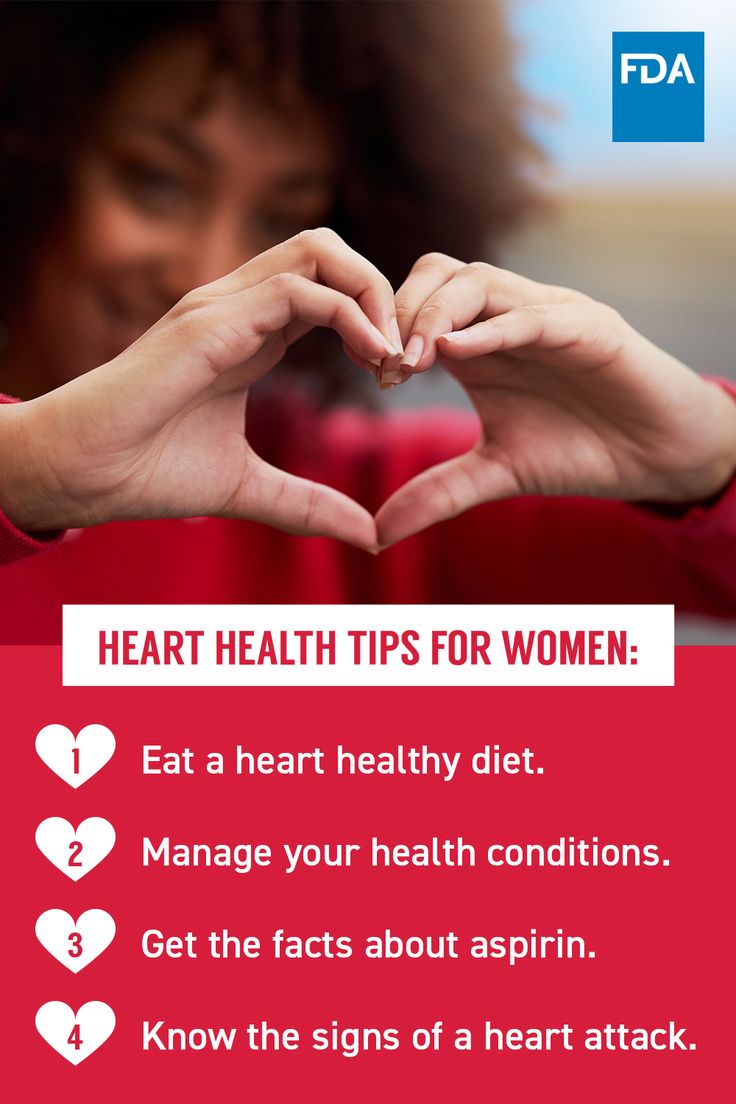
Maintaining a healthy heart is essential for women, as cardiovascular diseases remain one of the leading causes of mortality in this demographic. However, the good news is that most heart issues can be effectively managed and even prevented through mindful dietary choices. Women often face unique health challenges, and understanding the specific needs of their cardiovascular systems is vital. Comprehensive knowledge about nutrition can empower women to take charge of their heart health.
Many may underestimate the influence of nutrition on heart health. The truth is, a diet rich in the right nutrients can lead to remarkable improvements in cardiovascular function, helping to mitigate the risks associated with heart disease. Below are some foundational components of a heart-friendly diet, along with practical food sources:
- Omega-3 Fatty Acids: These essential fats are abundant in fatty fish such as salmon, mackerel, and sardines. Studies have shown that omega-3s can lower blood pressure, reduce triglycerides, and even help to prevent plaque buildup in arteries, ultimately lowering the risk of heart attacks and strokes. For those who may not consume fish regularly, plant-based sources like flaxseeds, chia seeds, and walnuts can also provide valuable omega-3s.
- Fiber: High-fiber foods such as oats, whole grain bread, legumes, fruits, and vegetables play a crucial role in reducing cholesterol levels and improving overall heart health. A diet rich in fiber has also been associated with a lower risk of heart disease. Aiming for at least 25 grams of fiber per day can be a simple yet effective strategy. Consider adding foods like lentils to salads or choosing whole grain options over refined grains.
- Antioxidants: Foods loaded with antioxidants, including berries, nuts, and even dark chocolate, are beneficial in combating inflammation and oxidative stress, two factors that can contribute to heart disease. Berries, packed with vitamins and fiber, have been shown to improve cholesterol levels and lower blood pressure. Enjoying a handful of mixed nuts or a few squares of dark chocolate can be a delightful yet healthy snacking option that provides heart-healthy benefits.
- Potassium: This vital mineral, found in foods like bananas, sweet potatoes, and spinach, helps balance sodium levels and can significantly aid in blood pressure management. Increasing potassium intake while decreasing sodium consumption is a crucial step towards maintaining healthy blood pressure levels. Simple swaps, such as incorporating more leafy greens into your diet, can make a difference.
As heart health issues continue to be a pressing concern, understanding the role of nutrition has never been more critical. Research indicates that women may experience heart disease symptoms differently than men, which underscores the importance of informed dietary choices. Furthermore, women have unique hormonal changes that can affect heart health over their lifespans, highlighting the need for a targeted approach to nutrition.
Incorporating these heart-healthy foods into daily routines not only boosts cardiovascular health but also enhances overall wellness. To delve deeper into the impact of these vital nutrients and discover delicious recipes or meal ideas, continue reading. Adopting a heart-conscious lifestyle is a journey worth pursuing, and knowing how to nourish your body is the first step toward a healthier heart.
DISCOVER MORE: Click here to learn about building emotional resilience
Essential Nutrients for a Heart-Healthy Diet
When it comes to heart health, not all foods are created equal. For women, understanding the specific nutrients that can support cardiovascular function is essential. A heart-healthy diet focuses on a range of nutrients that work synergistically to enhance overall health and reduce the risk of heart-related complications. Below are some crucial nutrients and the foods that are packed with them, guiding women towards beneficial dietary choices:
- Magnesium: This important mineral plays a vital role in maintaining heart rhythm and regulating blood pressure. Foods rich in magnesium include leafy greens like kale and spinach, nuts such as almonds and cashews, and whole grains including quinoa and brown rice. Incorporating these foods into meals can help elevate magnesium levels, contributing to a stronger cardiovascular system.
- Vitamin D: Often overlooked, vitamin D is crucial for heart health, as it helps maintain proper inflammation levels and supports vascular function. Fatty fish such as salmon and sardines are excellent sources, while fortified foods like dairy products, orange juice, and cereals can also boost vitamin D intake. Many women may benefit from sun exposure and dietary additions to ensure adequate levels.
- Folic Acid: This B-vitamin is essential for maintaining healthy blood vessels and can aid in lowering homocysteine levels, an amino acid linked to heart disease risk. Foods rich in folic acid include beans, lentils, fortified grain products, and dark leafy greens. Making a conscious effort to consume these foods can enhance cardiovascular health.
- Coenzyme Q10 (CoQ10): Known for its role in energy production in cells, CoQ10 also acts as an antioxidant, protecting the heart from damage. While the body produces CoQ10, supplementation or consumption of foods such as fatty fish, meat, and whole grains can be beneficial. Incorporating these foods can support heart health, especially for women who may be aging or experiencing certain health conditions.
Understanding the significance of these nutrients can empower women to make informed food choices that align with their heart health goals. With each meal, there lies an opportunity to nurture not just the body, but also the heart. By incorporating a diverse range of these nutrient-dense foods, women can build a balanced diet that is not only satisfying but deeply supportive of their cardiovascular well-being.
Moreover, adopting a nutrient-rich diet can lead to sustainable health improvements over time. As research continues to highlight the connection between nutrition and heart disease, women are encouraged to learn more about how specific foods can affect their heart health uniquely. Moreover, as lifestyle factors such as stress and hormonal changes can influence cardiovascular health, thoughtfully choosing the right foods becomes a critical step in a proactive approach to wellness. For those looking to explore delicious heart-healthy recipes and meal planning ideas, the journey toward enhanced cardiovascular health starts with understanding and appreciating the food on one’s plate.
Introduction to Heart-Healthy Foods for Women
In recent years, the importance of heart health among women has led to a growing interest in specific foods that support cardiovascular wellness. Women have unique physiological differences that can affect heart health, making it essential to explore dietary choices that can fortify their hearts. Research shows that certain foods can not only lower cholesterol levels but also improve blood pressure and reduce inflammation. In this section, we will delve into the categories of foods that are particularly beneficial for women aiming to maintain heart health.
| Category | Description |
|---|---|
| Fruits and Vegetables | Rich in vitamins, minerals, and fiber, they help reduce blood pressure and improve heart health. |
| Whole Grains | High in fiber, they help lower cholesterol and maintain healthy blood sugar levels. |
| Healthy Fats | Sources like olive oil and avocados promote heart health by reducing bad cholesterol levels. |
| Nuts and Seeds | Packed with omega-3 fatty acids, they can decrease inflammation and improve heart function. |
| Fatty Fish | Varieties like salmon and mackerel are known for their high omega-3 content, essential for heart health. |
The exploration of these food categories not only reveals their direct benefits but also prompts a holistic approach to wellness. Incorporating a variety of these foods in daily meals can lead to profound positive changes in heart health, especially for women. Thus, understanding the intricacies of food relationships with women’s heart health leads to informed choices and promotes better cardiovascular health. It’s vital for women to recognize these foods as not just options, but as fundamental elements of their diets.
DISCOVER MORE: Click here to find out how hormonal imbalance affects mental health
Incredible Foods for Heart Health
In addition to understanding essential nutrients for heart health, women should also focus on incorporating specific heart-protective foods into their diets. These foods are not only tasty, but they also boast remarkable health benefits that can enhance cardiovascular well-being. Here’s a closer look at some incredible foods that support heart health.
- Berries: For a delicious and nutritious treat, consider adding berries such as strawberries, blueberries, and raspberries to your meals. Rich in antioxidants, particularly anthocyanins, these fruits have been linked to reduced blood pressure and improved cholesterol levels. One study found that women who consumed three or more servings of blueberries and strawberries each week experienced a 32% lower risk of heart attack. Incorporating a cup of mixed berries into your morning oatmeal or yogurt can be a flavorful way to boost heart health.
- Avocados: Creamy and versatile, avocados are a powerhouse of heart-healthy monounsaturated fats, which can help lower bad cholesterol levels and reduce the risk of heart disease. Additionally, avocados are high in potassium, promoting proper blood pressure regulation. A simple addition of sliced avocados to salads or sandwiches can deliver a heart-friendly boost while adding a rich flavor.
- Legumes: Beans, lentils, and chickpeas are fantastic sources of protein, fiber, and essential minerals. Their high fiber content aids in lowering cholesterol levels and maintaining a healthy weight, both of which are crucial for cardiovascular health. Incorporating legumes into meals, such as adding black beans to a salad or making a delicious lentil soup, can significantly benefit heart health. Research has demonstrated that consuming legumes regularly can lead to a heart disease risk reduction among women.
- Whole Grains: Whole grains like oats, quinoa, and brown rice are packed with fiber and essential nutrients that can contribute to a healthier heart. Fiber aids in reducing cholesterol and promoting good digestion, while the antioxidants found in whole grains help protect against heart disease. A hearty bowl of oatmeal topped with fruits for breakfast or a quinoa salad for lunch can ensure that women obtain the heart-friendly benefits of whole grains.
- Nuts and Seeds: Nuts and seeds are nutrient-rich snacks that offer a heart-healthy combination of healthy fats, protein, vitamins, and antioxidants. Walnuts, for instance, are particularly noted for their omega-3 fatty acids, while flaxseeds offer lignans that support cardiovascular health. A small handful of mixed nuts or a sprinkle of seeds over salads can make for heart-friendly snacks and meals.
Each of these foods holds the potential to transform heart health positively, especially for women navigating the complexities of cardiovascular wellness. Incorporating a variety of these foods into daily meals not only enhances nutrition but also adds to the enjoyment of cooking and eating. Moreover, engaging with different cuisines and recipes that feature these heart-healthy foods can make dietary changes more exciting and sustainable over time.
The impact of these foods on heart health is supported by a host of studies, indicating that women who prioritize a diet rich in fruits, vegetables, whole grains, and healthy fats can significantly reduce their risk of heart disease. As more research underscores the connection between a well-rounded diet and cardiovascular health, women are encouraged to experiment with these foods and explore the benefits they have to offer. Taking small steps to incorporate these nutritious options can lead to powerful, lasting changes in heart health.
DISCOVER MORE: Click here to learn about the effects of hormonal imbalance
Final Thoughts on Heart-Healthy Foods for Women
Incorporating heart-healthy foods into daily diets can be a transformative step for women aiming to enhance their cardiovascular well-being. The foods highlighted—berries, avocados, legumes, whole grains, and nuts and seeds—are not just nutrient-dense but also carry significant benefits that can mitigate the risk factors associated with heart disease. By embracing a varied and flavorful diet rich in these ingredients, women can cultivate not only better heart health but also greater enjoyment in their meals.
Research continues to affirm that the prevention of cardiovascular issues can be closely tied to dietary habits. Women who prioritize nutritious foods equipped with antioxidants, healthy fats, and fiber are well-positioned to reduce their heart disease risk significantly. These dietary changes need not be overwhelming; simple alterations, such as swapping refined grains for whole grains or incorporating a few servings of legumes each week, can yield notable outcomes over time.
As we continue to uncover more about the complex relationship between diet and heart health, women are encouraged to remain curious and proactive about their food choices. This not only promotes individual well-being but also contributes to a broader understanding of heart health in communities. Ultimately, taking these small yet impactful steps toward incorporating heart-friendly foods can lead to lasting improvements in quality of life and longevity, paving the way for a healthier future.