
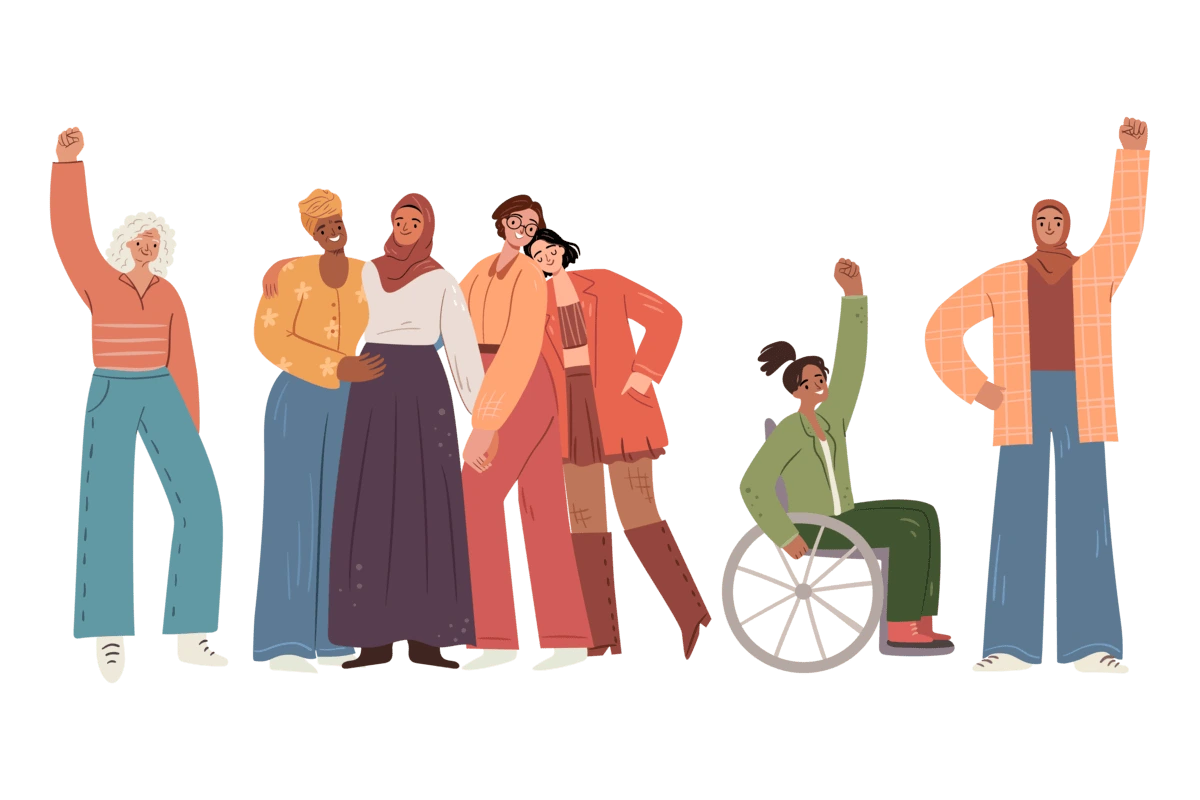
The Intersection of Mental Health and Women’s Empowerment
The synergy between mental health and women empowerment is a critical topic that demands our collective attention. Despite significant strides toward equality, many women still encounter numerous challenges when it comes to accessing mental health resources and the support they need. These barriers not only affect individual well-being but also have broader societal implications that warrant urgent action.
One of the primary barriers is stigma. Social stereotypes and misconceptions surrounding mental health can create an environment where women feel the weight of judgment when seeking help. For example, women might worry about being perceived as weak or unstable if they openly discuss their mental health struggles. This stigmatization can lead to isolation, making it even more challenging for them to find the support they need.
Economic disparities further complicate these challenges. Financial constraints can significantly restrict access to necessary healthcare services, including counseling and therapy. Many women are primary caregivers in their families, making it difficult for them to find affordable and flexible mental health care options. This financial burden can prevent them from investing in their mental well-being, thereby inhibiting personal growth and resilience.
Moreover, the lack of a strong social support system exacerbates existing mental health issues. Women often juggle multiple responsibilities—career, family, and community roles—which can leave little room for their own emotional needs. Without a strong network of friends or family who understand and validate their experiences, women may feel overwhelmed, further affecting their mental health.
Understanding these obstacles is essential for creating effective solutions. By identifying and addressing the unique needs of women, stakeholders can foster environments that promote mental well-being. This, in turn, leads to stronger, more resilient communities. Engaging in discussions around this important topic can unveil critical insights that benefit all. Here are some compelling avenues worth exploring:
- How do societal norms affect women’s mental health, and what can be done to challenge harmful stereotypes?
- What resources are available for women struggling with mental health issues, particularly in underserved communities?
- In what ways can empowerment initiatives enhance mental resilience among women?
By shedding light on these aspects, we can cultivate a deeper understanding of the intersection between mental health and women empowerment. Taking proactive steps to address these challenges is not only beneficial to individual women but is essential for nurturing a healthier society overall. Join us as we delve into strategies for overcoming these challenges and building resilience, paving the way for a future where all women can thrive.
DISCOVER MORE: Click here to learn about the benefits of strength training
Challenging Societal Norms and Their Impact on Women’s Mental Health
The societal norms surrounding gender roles have a profound impact on women’s mental health and their ability to seek empowerment. Traditional expectations often prioritize self-sacrifice and caretaking over personal well-being, which can place an overwhelming burden on women. In the United States, a significant number of women report feelings of guilt or shame when they take time for self-care or dedicate resources to their mental health. The pressure to fulfill multiple roles—mother, partner, employee—can create a sense of inadequacy and exacerbate mental health issues such as anxiety and depression.
Research studies have shown that women are more likely than men to experience mental health problems, often stemming from societal pressures and systemic inequalities. According to the National Institute of Mental Health, nearly one in five women suffers from a mental disorder at some point in their lives. This prevalence draws attention to the urgent need for conversations that challenge harmful stereotypes regarding women’s mental health, which often depict emotional vulnerability as a weakness.
One of the paths to addressing these challenges involves examining the intersection of gender and mental health. For example, women of color and those from marginalized communities face compounded stressors due to systemic racism, economic disadvantage, and other sociocultural factors that can limit their access to mental health resources. The reality is stark: when women encounter barriers to mental health care, it becomes increasingly difficult for them to engage actively in empowerment initiatives.
Breaking the Cycle of Stigma
Confronting stigma is pivotal for paving the way toward improved mental health access. In many cases, the stigma associated with mental health can deter women from seeking the help they need. Options such as therapy or psychiatric support may be viewed negatively, akin to an admission of failure. Shifting this perspective requires collective action—individuals, organizations, and policymakers must work together to foster an environment where mental health discussions are normalized and encouraged.
In addition, educational campaigns aimed at both men and women can help dismantle the pervasive myths that surround mental health. By promoting narratives that frame mental well-being as a form of strength, we can encourage more women to advocate for their mental health needs without fear of judgment. Here are some ways to contribute to this shift:
- Engaging in community dialogues around mental health to highlight common experiences.
- Utilizing social media platforms to share personal stories and create supportive networks.
- Partnering with mental health organizations to raise awareness and provide resources for women.
Transitioning toward a culture that embraces open conversations about mental health is essential for achieving women empowerment. By understanding and addressing the stigma and societal norms that hinder women’s progress, we can begin to build a more inclusive framework that supports their mental health journey and fosters resilience.
| Advantage | Description |
|---|---|
| Empowerment Programs | These initiatives provide women with essential skills and resources to navigate mental health challenges effectively. |
| Support Networks | Building community connections that foster emotional support and resilience, vital in overcoming barriers. |
| Access to Resources | Facilitating access to mental health services and educational materials that inform and empower. |
| Advocacy | Raising awareness about women’s mental health issues, helping to reduce stigma and encourage open dialogue. |
In exploring mental health and women’s empowerment, it is essential to address the systemic barriers women face. These can often lead to stress, anxiety, and feelings of isolation. Empowerment programs designed specifically for women can significantly enhance their ability to tackle these issues head-on. By offering vital skills and resources, such programs enable women to manage mental health challenges more proactively.Moreover, creating strong support networks bolsters resilience among women, providing the emotional backing necessary to overcome obstacles. Access to comprehensive resources is crucial, ensuring that women have the tools they need for self-advocacy and informed decision-making regarding their mental health.The role of advocacy in raising awareness about women’s mental health cannot be overemphasized. By encouraging discussions and challenging stigmas, we pave the way for more women to seek the help they need, ultimately building a stronger, more resilient community. This interconnected approach is vital for nurturing both mental health and women’s empowerment.
DISCOVER MORE: Click here to uncover the effects
The Role of Support Networks in Enhancing Mental Health and Empowerment
In navigating the complexities of mental health and women’s empowerment, the importance of support networks cannot be overstated. Research indicates that strong social support can significantly mitigate the effects of mental health challenges. For women, who often juggle multiple responsibilities and roles, having a robust network of friends, family, and community members can be a critical lifeline. Such networks not only provide emotional support but also act as a resource for sharing information about mental health services and opportunities for empowerment.
A study by the American Psychological Association highlighted that women who actively engaged in support groups or community circles report feeling less isolated and more understood. These informal gatherings can serve as safe spaces where women share their experiences and coping strategies. The act of simply being heard can uplift a woman’s spirit, dissipate feelings of loneliness, and provide valuable insights into managing mental health issues. The exchange of experiences fosters resilience as these interactions cultivate a sense of belonging and collective strength.
Professional Support: Therapy and Counseling Access
Despite the recognized benefits of support networks, many women face difficulties in accessing professional mental health services. Barriers such as cost, availability, and stigma continue to impede access to quality care. According to the Substance Abuse and Mental Health Services Administration, less than half of individuals with mental health disorders receive the necessary treatment; this percentage is even lower among marginalized women. It is essential for healthcare systems to recognize these barriers and work towards creating accessible mental health resources tailored to women’s unique experiences.
Innovative initiatives such as teletherapy have emerged as a promising alternative, allowing women to seek mental health support from the comfort of their homes. Telehealth services can break down geographical and logistical barriers, making it easier for women in rural areas or those with mobility issues to access counseling. Furthermore, incorporating culturally competent care is vital in respecting women’s diverse backgrounds and experiences, which can be an empowering aspect of their journey to mental wellness.
Workplace Initiatives and Mental Health Awareness
As more women enter the workforce, the role of workplace mental health initiatives has gained critical importance. Employers in the United States are beginning to recognize the mental health of their employees as a key factor in overall productivity and workplace satisfaction. Companies that prioritize mental health by offering supportive resources, flexible hours, and wellness programs can contribute significantly to fostering an environment where women feel empowered to thrive professionally.
Programs that promote mental health awareness can encourage open dialogues about emotional well-being among colleagues. Initiatives like mindfulness training, stress management workshops, and access to counseling services can foster a culture of support, aiding in the reduction of workplace-related stress. As women are empowered in their places of employment, they can set an example for one another, creating a ripple effect that promotes further participation in mental wellness activities.
Ultimately, the interconnectedness of mental health and women’s empowerment is evident. By understanding the significance of support networks, promoting access to professional care, and advocating for mental health initiatives in workplaces, society can cultivate resilience among women. These efforts can lead to transformative changes in the lives of women, enabling them to break free from the limits imposed by societal norms and contribute positively to their communities.
DISCOVER MORE: Click here to learn about the benefits of strength training
Conclusion: A Path Towards Empowerment and Resilience
In conclusion, the journey of mental health and women’s empowerment is a multifaceted challenge that requires collective effort from individuals, communities, and institutions. The intertwining of mental health and empowerment reveals that addressing mental health needs is vital not only for the well-being of women but also for fostering a society where they can thrive. Support networks play an indispensable role in this process, as they offer emotional sustenance, shared experiences, and a safe space for women to express themselves.
Furthermore, expanding access to professional mental health services remains critical in overcoming barriers that hinder many women from seeking the help they need. Initiatives such as teletherapy and culturally sensitive care frameworks stand out as innovative solutions that can mitigate the geographical and social challenges many encounter. Simultaneously, enhancing workplace mental health initiatives can provide an empowering environment that nurtures women’s potential, contributing positively to overall productivity and job satisfaction.
As we navigate these complex interrelations, it is imperative to continue fostering dialogue and commitment towards better understanding mental health and its impact on empowerment. By promoting a culture of openness, initiating community-based support systems, and advocating for systemic changes, we can empower women to build resilience, break through societal barriers, and emerge as leaders in their respective domains. The potential for transformative change is within reach, paving the way for a future where every woman can access the resources she needs to excel, both personally and professionally.