
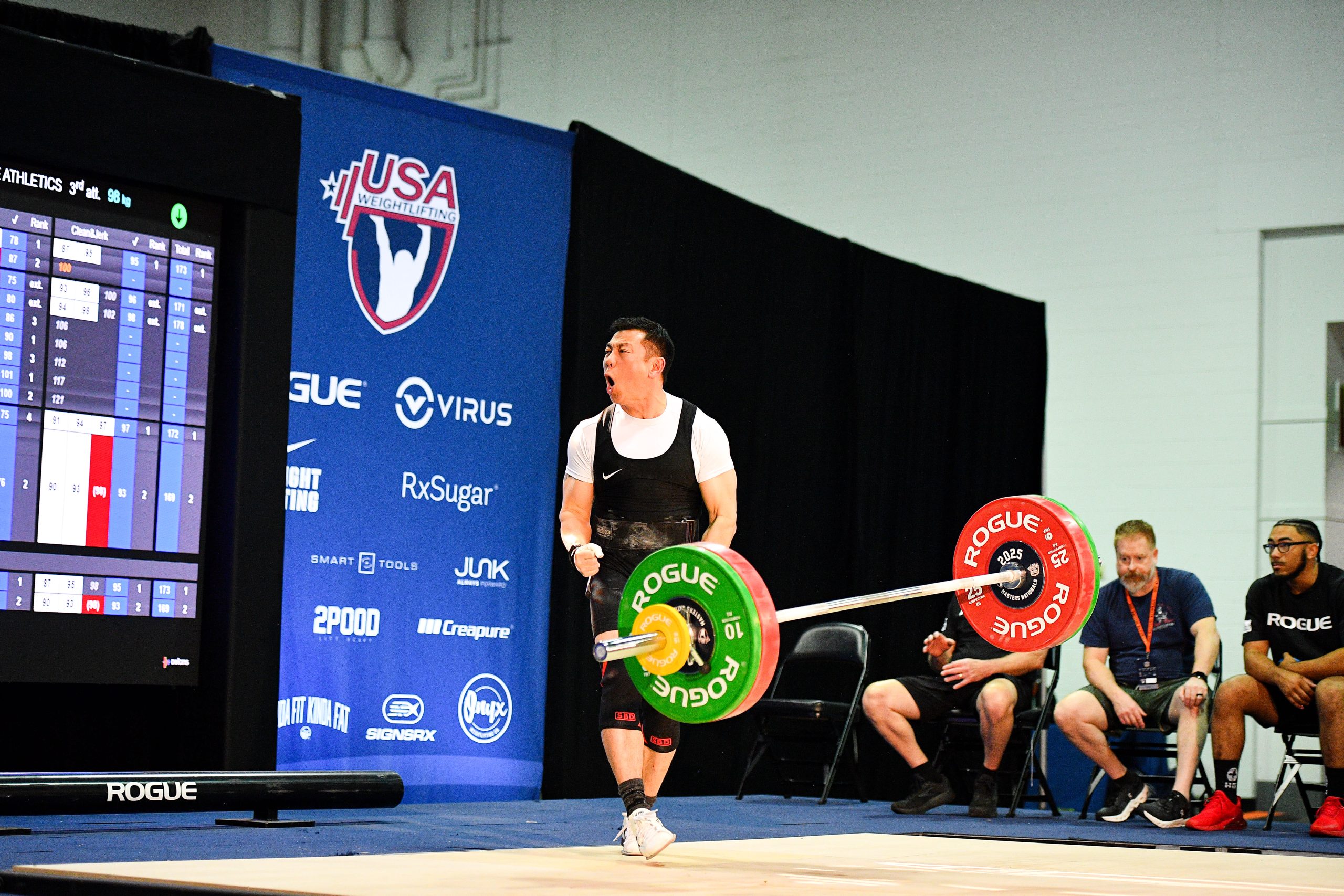
The Transformative Power of Strength Training
Strength training, often recognized for its physical benefits, possesses a transformative potential beyond the confines of the gym. Women engaging in strength training frequently report profound changes not only in their mental health but also in their body positivity. The journey of lifting weights can fundamentally reshape perspectives and self-perception, making it a powerful vehicle for personal evolution.
The Benefits of Strength Training
- Boosts self-esteem and confidence through tangible accomplishments.
- Reduces symptoms of anxiety and depression, providing a natural outlet for stress.
- Enhances overall mental resilience by fostering a growth mindset.
Traditional narratives of fitness often center around aesthetics—thinness, toned abs, and societal standards of beauty. However, strength training encourages women to shift their focus towards functional abilities and personal achievements. Many discover a newfound appreciation for their bodies, moving away from restrictive ideals towards a more empowered mindset. The act of lifting weights can become a celebration of strength and capability rather than merely a pursuit of physical appearance. This shift often leads to improved self-acceptance, which can be life-changing.
Evidence and Trends
Research consistently underscores the positive correlation between physical fitness and psychological well-being. Studies show that women who engage in regular strength training report:
- Increased energy levels and motivation, making them more productive both in personal and professional spheres.
- Better stress management, which is crucial in today’s fast-paced, often overwhelming environment.
- A stronger sense of community, as many women find supportive networks in gyms or fitness classes that foster camaraderie and encouragement.
For instance, the National Institute of Health has noted significant improvements in mood and lower levels of anxiety among individuals who participate in regular strength training routines. This indicates that women not only gain physical strength but also emerge with a fortified mental framework that helps them tackle daily challenges. Furthermore, fitness groups like “Girls Who Lift” and various local gyms across the United States provide not only a space for physical growth but also create supportive communities where women can share their journeys and experiences.
As we explore these insights further, it’s clear that strength training can be a powerful ally in the quest for greater mental health and body positivity. Engaging in this form of fitness is not solely about lifting weights; it’s about lifting one’s entire outlook on life. As numerous women continue to advocate for the benefits of strength training, it beckons others to consider how these practices might transform their own self-image and empowerment.
DISCOVER MORE: Click here to learn about nutritional balance and mental health
Shifting Perspectives on Self-Image
At the heart of the discussion surrounding women’s mental health and body positivity is the profound shift in perspective that often accompanies participation in strength training. Rather than merely aspiring to meet societal beauty standards, women discover a journey focused on what their bodies can do. This empowerment often begins with the simple act of lifting weights, which opens up new realms of self-expression and capability.
Engaging in strength training helps women redefine their relationship with their bodies. With each successful lift, they gain not only physical strength but also emotional fortitude. Studies have shown that with increased physical strength comes enhanced self-efficacy, the belief in one’s ability to achieve goals and manage challenges. Women who regularly engage in strength training often report a sense of accomplishment that boosts their self-esteem and motivates them to pursue other personal aspirations.
Breaking the Cycle of Negative Self-Perception
- Strength training promotes a healthier body image by emphasizing functionality over appearance.
- It encourages women to celebrate their bodies for what they can achieve rather than what they look like.
- A supportive community often develops around strength training, offering encouragement and fostering bonds that challenge negative self-images.
Instead of fixating on societal ideals linked to thinness and perfection, women embracing strength training frequently experience a paradigm shift. By concentrating on the empowerment derived from lifting weights, they begin to appreciate their bodies as capable and resilient, leading to improved body image. This shift is substantiated by reports from countless women who describe their fitness journey as not just a physical endeavor but a holistic transformation of their lives. They begin to see their bodies as tools for strength and resilience—important attributes that transcends mere aesthetic qualities.
Furthermore, strength training cultivates a sense of camaraderie among women. As they navigate the challenges of lifting heavier weights and pushing through intense workouts, they often form bonds with fellow gym-goers that counteract feelings of isolation and inadequacy. Community support plays a crucial role in reinforcing positive body image, as sharing experiences and successes encourages women to embrace their individuality and uniqueness.
As strength training continues to gain popularity among women across the United States, it serves as a catalyst for conversations about body positivity and acceptance. More women are vocalizing the mental health benefits of their experience, encouraging others to consider strength training as a viable path to emotional well-being and self-love. The positive psychological effects are profound; women often leave the gym feeling rejuvenated and empowered, ready to face life challenges with renewed vigor.
The intersection of strength training with mental health and body positivity presents numerous opportunities for growth. As the conversation expands, it becomes clear that the impact of strength training extends far beyond physical appearance, shaping how women view themselves and their capabilities in a world that often pressures them to conform to unrealistic standards.
The Impact of Strength Training on Mental Health
Strength training has been recognized for its significant effects on women’s mental well-being. Studies show that engaging in regular strength training can lead to a decrease in symptoms of anxiety and depression. This is largely due to the release of endorphins during exercise, which fosters a sense of happiness and helps combat negative feelings. Notably, strength training provides a structured routine, which can instill a sense of accomplishment and purpose. Moreover, as women see their physical strength improve, the psychological benefits often follow. This can boost self-esteem and foster a positive self-image. Many women report feeling more capable and empowered after committing to a strength training program. This change in perception not only relates to their physical capabilities but also enhances their overall confidence in various aspects of life.
Encouraging Body Positivity
In addition to mental health benefits, strength training plays a pivotal role in promoting body positivity among women. Traditional societal standards often pressure women to conform to unrealistic body types, perpetuating harmful stereotypes. However, strength training encourages women to appreciate their bodies for what they can achieve rather than how they look. By focusing on performance and strength, women learn to celebrate their bodies. They begin to recognize that strength comes in various shapes and sizes, challenging mainstream narratives about femininity and physical appearance. Furthermore, strength training communities provide a supportive environment where women can share their experiences and foster a sense of camaraderie, further enhancing their journey toward body positivity.
| Mental Health Benefits | Body Positivity Aspects |
|---|---|
| Reduction in anxiety and depression symptoms | Encourages appreciation for physical strength |
| Increased self-esteem and confidence | Challenges societal body image norms |
The transformative effects of strength training on mental health and body positivity are profound. Women not only strengthen their bodies but also reshape their minds, leading to a more fulfilling and empowered existence. By exploring these themes, we can encourage more women to embrace strength training as a path to both physical and mental wellness.
DON’T MISS OUT: Click here to learn more
Empowerment Through Strength Training: A Path to Mental Wellness
In recent years, the connection between strength training and mental health has garnered substantial attention, particularly among women. As more individuals engage in physical fitness, particularly lifting weights, the profound impacts on mental wellness and self-perception are becoming increasingly clear. Research has highlighted various aspects wherein strength training serves as a therapeutic outlet, allowing women to confront and manage emotional challenges.
Anxiety and Depression Reduction: One of the most significant mental health benefits associated with strength training is its ability to alleviate symptoms of anxiety and depression. A study published in the journal *Psychosomatic Medicine* found that resistance training significantly reduces symptoms of anxiety, reinforcing the mind-body connection. Engaging in a structured strength training regimen can provide a sense of control and accomplishment, fostering a greater sense of well-being. For many women, the gym becomes a sanctuary—a space where they can channel stress and negative thoughts into positive energy through physical exertion.
Building Resilience and Coping Skills
- Strength training equips women with coping skills to face life’s adversities.
- The practice encourages a growth mindset, translating challenges in the gym into everyday resilience.
- Physical challenges faced during workouts often parallel personal challenges, fostering mental toughness.
Strength training also encourages the development of resilience—a vital trait that extends beyond fitness. As women strive to lift heavier weights or master new techniques, they cultivate a growth mindset that can be applied to personal and professional challenges. This process not only enhances physical prowess but also instills valuable coping skills. The ability to push through a tough workout can translate into a newfound determination in navigating life’s hurdles, from workplace obstacles to interpersonal struggles.
The camaraderie built in strength training environments contributes significantly to mental wellness. Women who lift weights together often share more than just workout tips; they exchange personal stories, triumphs, and setbacks, fostering a nurturing community. This support network is crucial in combating feelings of inadequacy or loneliness that often come with modern societal pressures. The shared experiences can embolden women to celebrate their uniqueness rather than conforming to often unattainable beauty ideals. Over time, such interactions create a ripple effect, where positive self-affirmation is shared and normalized.
The Roll of Social Media
Moreover, platforms like Instagram and TikTok have become pivotal in reshaping the narrative around women’s strength training. Influencers and fitness enthusiasts are using social media to create a counter-narrative against the unrealistic standards that often dominate these spaces. By sharing their experiences and showcasing the realities of strength training—including the physical changes and mental shifts—they inspire others to embark on their journeys toward body positivity and mental health improvement. #StrongNotSkinny is just one such movement that encourages women to embrace strength over appearance, promoting an inclusive fitness culture.
As the dialogue surrounding strength training and its benefits on women’s mental health continues to thrive, it becomes increasingly evident that the journey to body positivity is intertwined with the growth of confidence and self-love. That journey is as much about empowering oneself mentally as it is about gaining physical strength.
LEARN MORE ABOUT: Click here
Conclusion: Strength Training as a Catalyst for Positive Change
In summation, the profound impact of strength training on women’s mental health and body positivity is a testament to the intricate relationship between physical and mental well-being. As highlighted throughout this discussion, engaging in strength training nurtures not only physical resilience but also emotional fortitude. The reduction of anxiety and depression symptoms, coupled with the development of coping skills, illustrates that the gym can serve as a refuge for many women seeking solace from the pressures of daily life.
The communal atmosphere fostered by strength training further enhances its benefits, creating a supportive environment where women can share their journeys and uplift one another. This camaraderie acts as a powerful antidote to societal pressures, helping women to embrace their unique bodies and celebrate strength over traditional standards of beauty. Social media platforms, by promoting narratives that encourage body positivity, play a crucial role in shifting public perceptions and making strength training more accessible and appealing.
As we continue to explore the multifaceted benefits of strength training, it is essential to recognize it not merely as a fitness regimen but as a vital component of mental well-being. Women are empowered to reclaim their narratives, fostering confidence and self-love in the process. By embracing strength and resilience, every woman can contribute to a culture that prioritizes mental health and body positivity, paving the way for future generations to engage with fitness and self-acceptance in a healthier, more fulfilling manner.