
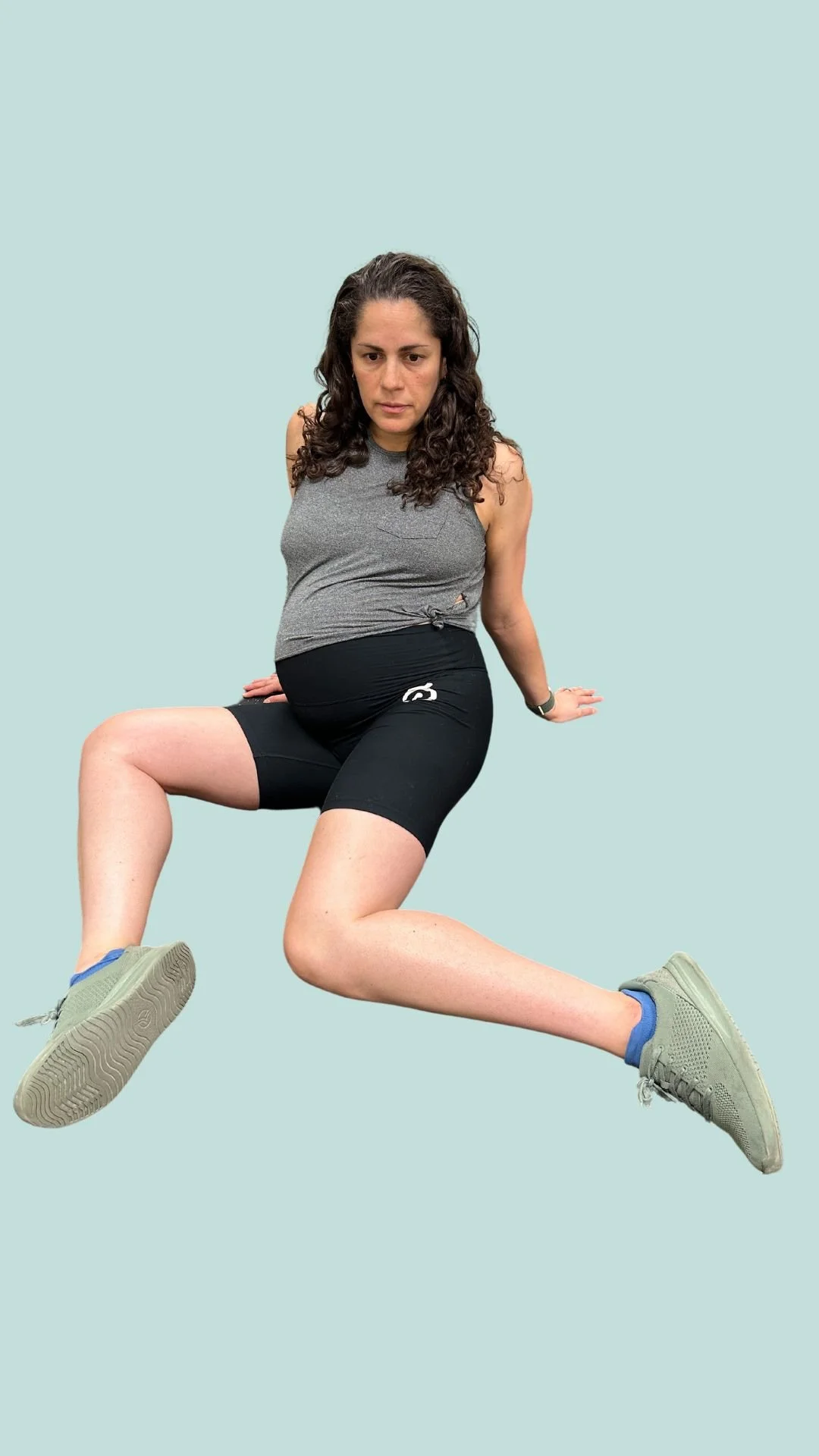
The Importance of Mobility and Flexibility in Women’s Health
Mobility and flexibility are often underestimated aspects of a comprehensive fitness regimen, especially among women. As life progresses through various stages—from adolescence to motherhood and beyond—maintaining these physical attributes becomes critically important for overall health and wellness. Surprisingly, many women overlook the necessity of incorporating flexibility and mobility exercises into their regular routines, resulting in a host of potential health issues down the line.
Why Flexibility and Mobility Matter
Understanding the multifaceted benefits of flexibility can encourage more women to prioritize these exercises. Here are several key reasons why mobility and flexibility hold immense importance:
- Injury Prevention: Greater flexibility plays a significant role in reducing the likelihood of injuries during both active sports and daily activities. For instance, athletes who engage in regular stretching regimes often experience fewer strains and sprains. Women participating in high-impact sports, such as soccer and basketball, can particularly benefit from enhanced flexibility, which allows for a greater range of motion and helps to protect joints from undue stress.
- Improved Posture: Flexibility exercises contribute to maintaining a healthy posture, crucial for warding off conditions like chronic back pain and tension headaches. Poor posture, frequently stemming from long hours spent sitting at desks or navigating screens, can lead to long-term discomfort. By incorporating practices such as yoga, which emphasizes alignment and core strength, women can significantly improve their posture and overall spine health.
- Enhanced Performance: Whether in the realm of sports, dance, or simple daily activities such as lifting groceries or playing with children, having flexible muscles can lead to improved performance. Activities that require sudden movements, like sprinting or jumping, are made easier with a flexible physique, which can boost confidence and efficiency in physical tasks.
Flexibility’s Role in Life Stages
Beyond physical activities, flexibility exercises have been shown to help alleviate discomfort associated with menstrual cycles and pregnancy. Gentle stretching can relieve menstrual cramps and enhance circulation, while pregnant women can benefit from flexibility practice as it helps prepare their bodies for childbirth. Furthermore, engaging in flexibility-enhancing exercises, such as prenatal yoga, provides mental and emotional benefits by reducing stress levels, which is especially beneficial during such transformative phases.
Adopting a Holistic Approach to Women’s Health
As society gradually shifts towards recognizing the need for a holistic approach to women’s health, exploring the benefits of mobility and flexibility becomes increasingly significant. There are numerous avenues through which women can improve their flexibility. Activities such as Pilates, which focuses on core strength and flexibility, and various forms of yoga, cater to different levels of ability and experience. Simple stretching routines can also be easily incorporated into daily life, making them accessible and manageable.
The journey towards better health, marked by improved mobility and flexibility, begins with small, conscious steps. Embracing these elements can lead to profound changes—not just physically, but also mentally and emotionally. With an ever-growing body of research supporting the connection between flexibility and overall well-being, there has never been a better time for women to invest in their health. By taking the initiative to explore these practices, women can pave the way for a healthier, more vibrant future.
DISCOVER MORE: Click here for insights
The Multifaceted Benefits of Mobility and Flexibility
When it comes to women’s health, many may not initially think of mobility and flexibility as crucial components, yet their profound impact on wellness cannot be overstated. Women across the United States face unique challenges throughout their lives, and understanding how mobility and flexibility can mitigate these challenges is vital for overall health. Not only do these physical attributes enhance daily functioning, but they also foster a resilient body capable of handling stressors that are intrinsic to various life stages.
Everyday Functionality and Quality of Life
One of the most immediate benefits of increased flexibility and mobility is the enhancement of everyday functionality. From simple tasks like reaching for objects on high shelves to more demanding activities such as lifting children or exercising, increased range of motion allows women to navigate their daily lives with ease and confidence. Research suggests that women with improved flexibility often report higher satisfaction in their active lifestyles, contributing to a better overall quality of life.
Consider the following critical benefits to everyday functionality:
- Improved Balance: As women age, equilibrium can become compromised. Flexibility exercises that enhance balance can significantly reduce the risk of falls, which is particularly important for older women who are more susceptible to fractures and injuries.
- Enhanced Range of Motion: Activities of daily living, such as bending, twisting, or squatting, become simpler and safer when the body is flexible. A flexible body can adapt better to physical demands, allowing more effective movement patterns that are crucial for injury prevention.
- Greater Energy Levels: When muscle tightness is alleviated through flexibility training, blood flow improves, resulting in increased energy levels and less fatigue. This naturally becomes a catalyst for women to stay active and engaged in their daily routines.
Additionally, holding on to mobility and flexibility becomes increasingly significant in the context of mental well-being. Engaging in activities that promote these physical traits can lead to reduced levels of stress and anxiety. Practices such as yoga and tai chi not only improve physical flexibility but also encourage mindfulness and relaxation, creating a holistic solution to mental health challenges that many women face today.
Flexibility as a Lifelong Investment
Another essential aspect to consider is that the benefits of mobility and flexibility are not just limited to the present. Investing time in flexibility-enhancing exercises offers long-term advantages, making them vital throughout different stages of a woman’s life. For instance, during pregnancy, flexibility training can help ease discomfort and prepare the body for childbirth, demonstrating the significance of mobility in a transformative phase.
As women transition into post-menopausal life, maintaining flexibility can combat common issues such as joint stiffness and decrease the risk of osteoporosis. Continued practice of stretching and mobility exercises plays a crucial role in supporting bone health and reducing the risks associated with aging.
In conclusion, understanding the critical role that mobility and flexibility play in women’s health opens up a pathway for improved overall well-being. As women recognize these benefits, they can take actionable steps toward incorporating a flexibility-oriented approach into their daily fitness routines, paving the way for a healthier, more fulfilling life.
The Importance of Mobility and Flexibility in Women’s Health
In today’s fast-paced world, mobility and flexibility are more essential than ever for maintaining women’s health. From improved daily function to overall wellness, the benefits of staying active cannot be overstated. This section delves deeper into how these elements significantly impact various facets of health and well-being.
Regular physical activity enhances flexibility, which is crucial for preventing injuries and minimizing the risk of developing chronic conditions. Numerous studies illustrate that women who incorporate stretching and mobility exercises into their routines experience fewer joint pains and musculoskeletal issues. Furthermore, enhanced flexibility can improve performance in various physical activities, from sports participation to everyday tasks.
Additionally, mobility exercises play a vital role in managing stress and promoting mental health. Engaging in physical activities such as yoga or tai chi can help in reducing anxiety and depression, which disproportionately affect women. These practices not only improve physical flexibility but also foster mental resilience, creating a holistic approach to health.
Moreover, as women age, maintaining mobility becomes increasingly critical. Osteoporosis and arthritis are common concerns that can severely limit movement. By prioritizing flexibility and mobility training, women can mitigate these risks and maintain their independence well into their later years.
The connection between physical activity and hormonal balance is another area deserving attention. Regular movement helps in regulating estrogen levels, contributing to reproductive health and decreasing the risk of hormone-related conditions such as endometriosis and menstrual disorders. Thus, incorporating effective mobility practices can be a preventive measure against various health issues.
To summarize, the significance of mobility and flexibility extends beyond mere physical fitness—it encompasses emotional well-being, aging gracefully, and preventive health. The next section will explore practical ways to integrate mobility and flexibility training into everyday life, ensuring every woman can benefit from these essential practices.
| Benefits of Mobility | Key Features |
|---|---|
| Improved Range of Motion | Allows for easier performance of daily activities |
| Reduced Injury Risk | Strengthens muscles and joints, preventing strains |
| Enhanced Mental Wellbeing | Exercise releases endorphins, promoting better mood |
| Increased Posture | Encourages proper alignment of the body in daily tasks |
DISCOVER MORE: Click here to learn about the impact of hormonal imbalance
Incorporating Mobility and Flexibility Practices into Daily Life
As the multifaceted benefits of mobility and flexibility become clearer, the next logical step is understanding how to integrate these practices seamlessly into daily life. The good news is that enhancing flexibility and mobility does not require extensive time commitment or access to specialized equipment; rather, it can be woven into the fabric of everyday routines. Whether through structured exercises or simple modifications to daily activities, women can effectively boost their physical capabilities.
Accessible Practices for All Women
One of the most enticing aspects of mobility and flexibility training is its accessibility. Women of all ages can engage in activities that promote these health benefits without requiring prior experience or extensive preparation. Here are some simple practices to consider:
- Stretching Routines: Consistently incorporating stretching exercises into morning routines can set a positive tone for the day ahead. Basic stretches targeting major muscle groups, such as hamstrings, quadriceps, and shoulders, can enhance flexibility and improve overall posture, increasing readiness for the day’s activities.
- Incorporation of Yoga: Yoga is an excellent option for improving flexibility, balance, and mental well-being. Various styles, from gentle restorative practices to active vinyasa flows, offer programs suitable for all skill levels. Engaging in regular yoga sessions, whether at home via online platforms or at local studios, can yield significant results for women’s health.
- Utilizing Modern Technology: With the rise of fitness apps and online resources, women now have access to guided stretching and mobility exercises at their fingertips. These resources enable users to tailor a routine specific to their needs, regardless of their fitness level, and can include guided videos or step-by-step illustrations.
Embracing Movement Throughout Each Day
An important mindset shift regarding mobility and flexibility is that movement doesn’t have to be confined to structured workouts. Everyday activities can be opportunities to enhance these attributes. For example, taking the stairs instead of the elevator, engaging in a short walk during breaks, or participating in garden work can contribute to increased mobility. Additionally, simple modifications to common routines can boost flexibility—for instance, doing calf stretches while standing at the kitchen counter or performing hip openers while waiting for water to boil can seamlessly integrate flexibility work into mundane tasks.
The Role of Community and Support
Joining a community can also supercharge motivation for improving mobility and flexibility. Group classes available in gyms, community centers, or online platforms often provide a supportive environment that encourages participation and accountability. Research indicates that women participating in group activities are more likely to adhere to their exercise routines, ultimately yielding better outcomes in flexibility and mobility.
Moreover, the virtual landscape has opened channels for cultivating social connections through online classes, social media groups, or fitness challenges that focus on flexibility and mobility. These communities provide a sense of belonging, along with additional motivation and encouragement for women on their health journeys.
A Balanced Approach to Flexibility and Mobility
Finally, balancing flexibility training with strength-building exercises is crucial for comprehensive physical health. Activities that promote muscle strength enhance joint stability and overall functionality, preventing injuries while improving performance. A well-rounded fitness program may include resistance training, aerobic exercises, and mobility workouts to create a robust framework for women’s health and wellness.
By addressing the importance of mobility and flexibility in women’s health and incorporating these practices into daily life, women can lay a solid foundation for resilience and longevity. The benefits extend far beyond the physical realm, impacting mental health, social connections, and overall life satisfaction.
DISCOVER MORE: Click here to learn how strength training can boost mental health
Conclusion: Empowering Women’s Health through Mobility and Flexibility
In conclusion, the significance of mobility and flexibility in women’s health cannot be overstated. These elements not only contribute to physical well-being but also play a vital role in enhancing mental health, emotional resilience, and overall quality of life. By integrating simple yet effective stretching routines, yoga practices, and active movement throughout daily activities, women can unlock a wealth of benefits that promote long-term health and vitality.
The accessibility of flexibility training empowers women of all ages and backgrounds to partake in activities that nurture their bodies and minds. Joining community classes, whether in-person or online, fosters a supportive atmosphere that encourages consistency and adherence to health goals. As evidence shows, shared experiences often increase motivation, leading women to celebrate their journey toward better health together.
Furthermore, a balanced approach, incorporating both flexibility enhancement and strength training, lays the groundwork for a well-rounded fitness regimen. This dual focus not only prevents injury but also optimizes performance across various physical activities. Ultimately, by embracing the importance of mobility and flexibility, women can cultivate a robust foundation for resilience, longevity, and empowerment.
As you embark on or continue your journey toward improved mobility and flexibility, remember that small changes can lead to significant transformations. Now is the time to prioritize your health, make informed choices, and discover how the power of movement can redefine your well-being.