
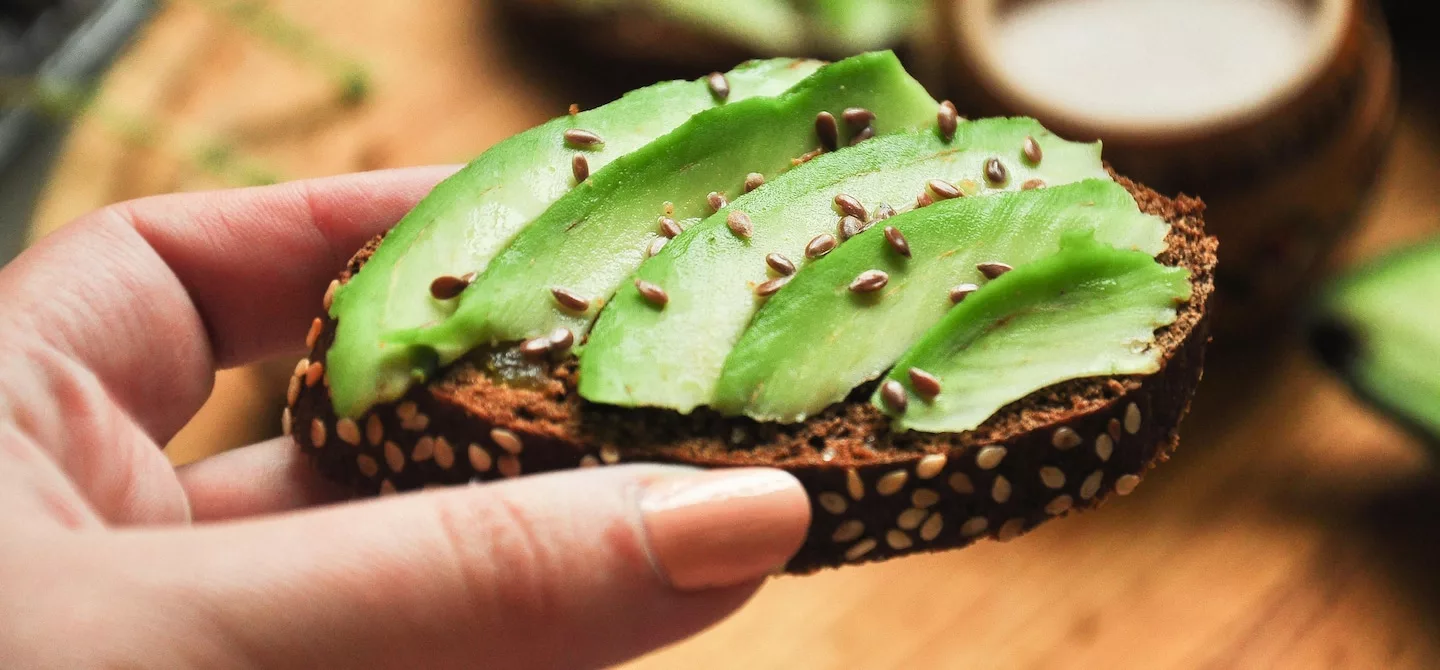
The Role of Nutrition in Hormonal Balance
Women’s health intricately intertwines with their hormones, impacting areas that range from emotional well-being to physical vitality. The choices made around nutrition can serve as a powerful tool in maintaining and achieving hormonal balance. Unfortunately, many women may not realize that the foods they consume have direct implications on their hormonal health.
To explore this connection more deeply, let’s examine several critical factors that highlight the relationship between nutrition and hormonal balance:
- Micronutrients: Essential vitamins and minerals such as Vitamin D, B vitamins, and magnesium are pivotal for the production of hormones. For instance, Vitamin D enhances insulin sensitivity, which may be particularly beneficial for women managing conditions like polycystic ovary syndrome (PCOS). Foods like fatty fish, egg yolks, and fortified cereals are excellent sources of these nutrients.
- Healthy Fats: Incorporating omega-3 and omega-6 fatty acids into the diet is vital for regulating inflammation and supporting overall hormone function. Fatty fish, walnuts, and flaxseeds not only provide these healthy fats but also contribute to improved vascular health, aiding in nutrient delivery throughout the body.
- Carbohydrate Quality: The quality of carbohydrates consumed can significantly influence insulin levels, which play a vital role in hormonal balance. Whole grains, lentils, and fiber-rich fruits like berries and apples can lead to more stable blood sugar levels. This stability can help mitigate mood swings and cravings often linked to hormonal fluctuations.
- Hydration: Proper hydration supports numerous bodily functions, including hormonal regulation. Drinking an adequate amount of water can aid in digestion, boost skin health, and enhance energy levels—all of which are essential for managing hormonal changes throughout the menstrual cycle.
Furthermore, contemporary research suggests that the typical American diet, often filled with processed foods high in sugar and unhealthy fats, may lead to increased hormonal disturbances. For example, trans fats commonly found in many packaged snacks have been linked to increased inflammation and insulin resistance. Therefore, understanding the significance of nutritious foods becomes imperative for women seeking to restore hormonal balance.
Embarking on a journey towards hormonal balance through nutrition not only nourishes the body but can also significantly enhance mental well-being. A balanced hormonal state is achievable with informed dietary choices, opening the door to improved physical health and emotional stability.
By focusing on a nutrient-rich diet, women can empower themselves to take control of their hormonal health, leading to a more vibrant life filled with energy, better mood, and overall wellness. The journey toward discovering the foods that positively impact hormonal balance can be a transformative experience, encouraging further exploration and understanding of one’s body.
DISCOVER MORE: Click here to strengthen your mental health
Nourishing the Endocrine System
Nutrition plays a critical role not only in maintaining overall health but also in supporting the intricate balance of hormones that govern a woman’s body. At the heart of this relationship lies the endocrine system, responsible for producing and regulating hormones that influence metabolism, energy, mood, and reproductive health. Recognizing how specific dietary choices can affect this system is the first step toward achieving hormonal harmony.
Hormonal fluctuations are a natural part of a woman’s life, occurring during menstrual cycles, pregnancy, and menopause. However, poor nutrition can exacerbate symptoms associated with these changes, leading to conditions such as estrogen dominance, weight gain, and mood disorders. It’s essential to understand which foods can support hormonal balance and how they interact with our body’s complex systems.
The Importance of Whole Foods
One of the fundamental aspects of hormonal health is embracing a diet rich in whole foods. These nutrient-dense options not only help stabilize blood sugar levels but also provide essential vitamins and minerals that facilitate hormone production. Key elements include:
- Vegetables: Leafy greens, cruciferous vegetables (like broccoli and kale), and colorful veggies offer antioxidants and phytochemicals that support detoxification processes and hormone regulation.
- Fruits: Berries, apples, and avocados are rich in fiber and vitamins, helping to moderate estrogen levels and enhance liver function, crucial for effective hormone metabolism.
- Whole Grains: Foods like quinoa, brown rice, and oats provide sustained energy and fiber. They contribute to stable blood sugar levels, reducing insulin spikes that can lead to hormonal imbalances.
In addition to whole foods, incorporating a variety of herbs and spices can benefit hormonal balance. Turmeric, for example, contains curcumin, known for its anti-inflammatory properties, which can assist in managing symptoms associated with conditions like PCOS and fertility issues. Similarly, adaptogens such as ashwagandha may help the body cope with stress—an often-overlooked factor in hormonal health.
The Role of Glycemic Index
The glycemic index (GI) is another critical element that impacts hormonal balance. Foods with a high GI can cause rapid spikes in blood sugar, leading to increased insulin production. Over time, these fluctuations could contribute to hormonal disruptions. Adopting a low-GI diet, which emphasizes lower-sugar fruits, whole grains, and legumes, can promote stable energy levels and balanced hormones.
Moreover, addressing emotional eating is vital. Women may turn to sugar-laden or processed comfort foods during times of stress, which can contribute to further hormonal chaos. Developing mindful eating habits and choosing nourishing alternatives can create a significant positive ripple effect on emotional and physical health.
As research continues to unveil the importance of nutrition in balancing women’s hormones, a deeper awareness of food choices becomes essential. By prioritizing whole, nutrient-rich foods while minimizing processed items, women can embark on a transformative journey towards greater hormonal balance and enhanced well-being.
| Nutritional Factors | Impact on Hormones |
|---|---|
| Healthy Fats | Support hormone production by providing essential fatty acids, particularly Omega-3. |
| Whole Foods | Rich in vitamins and minerals that help regulate estrogen and progesterone levels. |
| Fiber | Aids in the elimination of excess hormones, thereby supporting hormonal balance. |
| Antioxidants | Combat oxidative stress, which can negatively affect hormone function and balance. |
Nutrition plays a crucial role in overall health, especially for women experiencing hormonal fluctuations throughout their lives. A diet rich in healthy fats, derived from sources like avocados and nuts, is pivotal for the synthesis of hormones. Incorporating whole foods can be a game-changer, as they are packed with vital nutrients essential for maintaining healthy hormone levels. Moreover, the inclusion of fiber in your diet enhances digestive health and supports the removal of excess hormones from the body. This is beneficial in mitigating issues like PMS or menopausal symptoms.Furthermore, antioxidants found in a variety of fruits and vegetables can protect the body from oxidative damage and support hormonal functions. Understanding these nutritional influences provides the foundation for managing hormonal health effectively, paving the way for further exploration and inquiry into how dietary choices can optimize well-being for women.
LEARN MORE: Click here to discover the effects on mental health
The Impact of Fats on Hormonal Health
When discussing nutrition for hormonal balance, the significance of healthy fats cannot be underestimated. Contrary to outdated dietary beliefs, fats are essential for the production of hormones, including estrogen and progesterone. Our bodies rely on fats to create cell membranes and facilitate the transport of hormones throughout the system. Women should focus on incorporating sources of omega-3 and omega-6 fatty acids into their diets. These healthy fats are prevalent in:
- Fatty Fish: Salmon, mackerel, and sardines are rich in omega-3 fatty acids, known to reduce inflammation and support brain health—key factors in maintaining emotional equilibrium during hormonal fluctuations.
- Nuts and Seeds: Walnuts, flaxseeds, and chia seeds not only provide omega-3s but also are excellent sources of fiber and protein, promoting satiety and aiding metabolism.
- Avocado Oil and Olive Oil: These oils are packed with monounsaturated fats that help decrease inflammation and promote cardiovascular health, essential during the hormonal changes related to menopause.
Moreover, it is essential to avoid trans fats commonly found in processed and fried foods. These artificial fats not only raise LDL cholesterol levels but also can lead to insulin resistance, exacerbate symptoms of hormonal imbalance, and increase the risk of chronic diseases.
Protein’s Pivotal Role
Another cornerstone of a balanced diet is adequate protein intake, which is vital for maintaining muscle mass, supporting metabolism, and stabilizing energy levels throughout the day. Protein is composed of amino acids that serve as the building blocks for hormones. Women should consider diverse protein sources, such as:
- Lean Meats: Turkey and chicken breast offer high-quality protein without excessive saturated fat.
- Legumes: Beans, lentils, and chickpeas are not only protein-rich but also provide fiber, helping to regulate blood sugar levels and support digestive health.
- Dairy or Dairy Alternatives: Greek yogurt and plant-based milk fortified with protein can aid in muscle recovery and hormonal balance.
Research has shown that insufficient protein intake can lead to fluctuations in insulin and cortisol levels, disrupting overall hormonal balance. Therefore, incorporating a variety of protein sources into daily meals can provide the necessary building blocks for hormone production.
Micronutrients: The Unsung Heroes
While macronutrients (fats, proteins, and carbohydrates) are often the focus, micronutrients play an equally critical role in hormonal health. Vitamins and minerals are involved in hormone synthesis and regulation. Some vital micronutrients include:
- Magnesium: Found in leafy greens, nuts, and whole grains, magnesium helps regulate cortisol and may alleviate PMS symptoms.
- Zinc: Present in shellfish, seeds, and nuts, zinc is crucial for ovarian function and testosterone production.
- B Vitamins: A group of vitamins that support energy production and neurotransmitter function, essential for mood regulation during hormonal shifts.
Deficiencies in any of these micronutrients can lead to significant hormonal dysregulation, highlighting the importance of a well-rounded diet to maintain optimal hormonal health. As women prioritize nutritional choices, awareness of micronutrient needs can enhance overall well-being.
Understanding that nutrition profoundly impacts women’s hormonal health paves the way for informed dietary choices. By embracing a balanced diet, rich in healthy fats, adequate proteins, and essential micronutrients, women can effectively promote hormonal balance and foster a greater sense of vitality in their lives.
DISCOVER MORE: Click here to learn about the connection between hormonal imbalance and mental health</p
Conclusion
In summary, the integral relationship between nutrition and women’s hormonal balance cannot be overstated. Through the lens of dietary choices, women have the power to influence their hormonal health significantly. As explored throughout this article, healthy fats, adequate proteins, and vital micronutrients play pivotal roles in the synthesis, regulation, and function of hormones within the body. Emphasizing sources such as omega-3-rich fish, plant-based proteins, and micronutrient-dense foods can lead to substantial improvements in hormonal stability and overall health.
Moreover, taking a proactive approach to nutrition not only addresses the symptoms of hormonal imbalance—such as mood swings, fatigue, and irregular cycles—but also enhances long-term wellness by mitigating risks of chronic diseases. In a world where convenience often overshadows nutritional value, it is crucial for women to become informed advocates for their dietary choices.
As research continues to evolve, it unfolds new insights into the complex interplay between nutrition and hormonal health. Women should consider personalized dietary strategies and engage with healthcare professionals to tailor their nutrition plans to their unique needs. This exploration of the role of nutrition in balancing women’s hormones invites you to reevaluate your plate, making informed choices that pave the way for a harmonious hormonal life.