
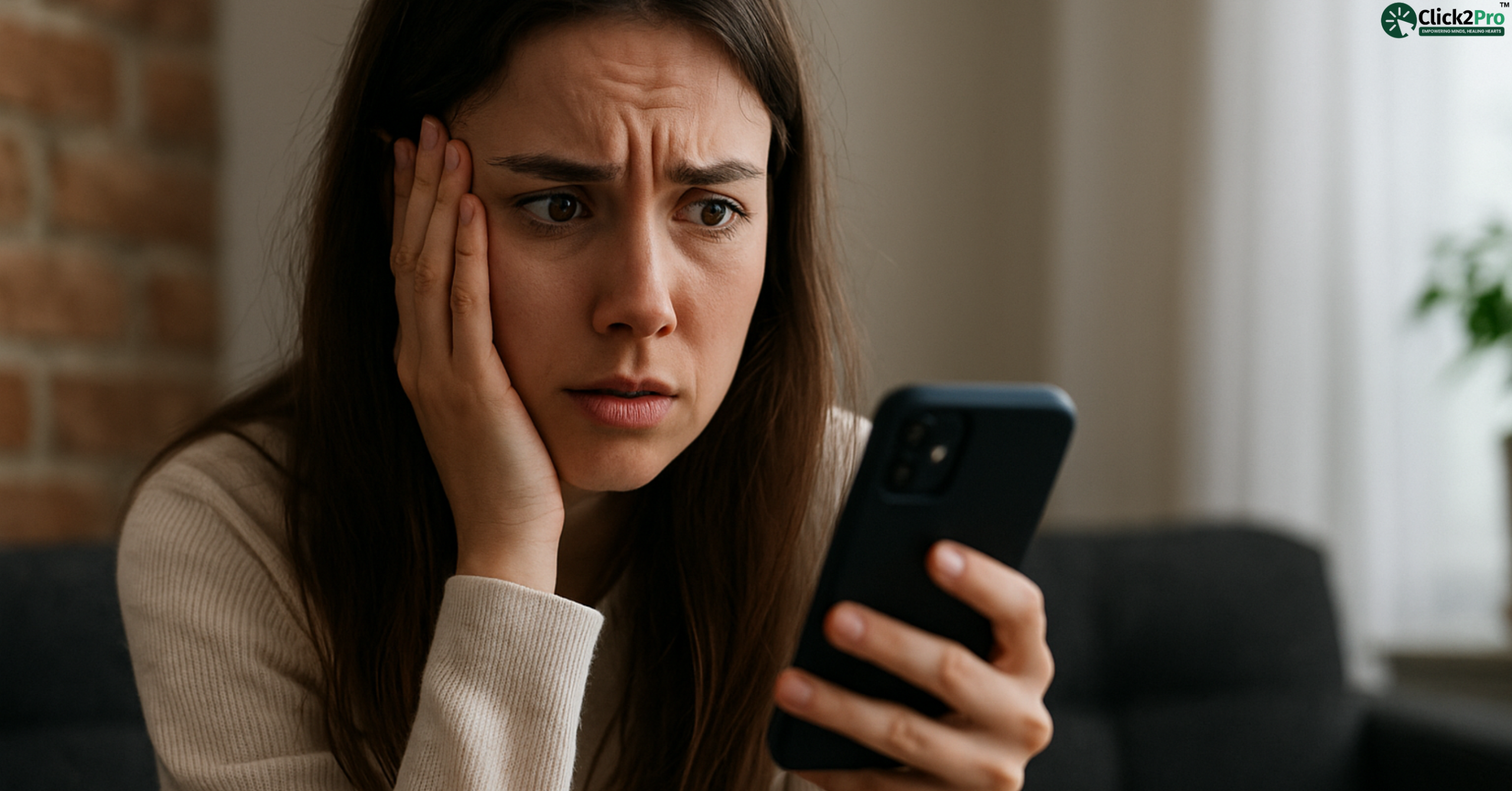
Exploring the Dual Edges of Social Media on Women’s Mental Health
The evolution of social media has not only changed how we communicate but has also left a significant imprint on our mental health. For women, in particular, the effects can be intricate, highlighting both beneficial and detrimental aspects that shape their experiences.
- Constant Comparison: One of the most pervasive impacts of social media is the phenomenon of constant comparison. Platforms like Instagram and Snapchat are rife with images portraying glamorous lifestyles, perfect appearances, and curated moments. This often leads women to assess their own lives through a distorted lens. A 2021 study from the Journal of Women’s Health found that over 70% of women reported feeling inadequate after browsing social media. Comparing oneself to influencers or peers can result not only in lower self-esteem but also in increased anxiety and depression.
- Curation vs. Reality: The gap between what is curated online and the often messy reality of life can lead to a deep sense of dissatisfaction. Many users selectively share snippets of their lives, creating a highlight reel that does not capture everyday struggles. This can lead to feelings of isolation and inadequacy, as the authenticity of real-life experiences gets overshadowed by an online façade. Researchers advocate for greater digital literacy, urging users to remember that social media doesn’t reflect reality but rather a curated version of it.
- Online Harassment: Cyberbullying is another prevalent issue, particularly for women. Reports indicate that women are disproportionately targeted by negative comments, harassment, and trolling online. This reality can not only damage self-esteem but also lead to severe emotional distress. According to a report by the Pew Research Center, approximately 40% of women reported experiencing online harassment, highlighting the urgent need for proactive measures to foster safer online environments.
Despite these challenges, there is evidence that social media can also serve as a platform for connection, support, and empowerment among women. Engaging with emotional content and online communities can foster a sense of belonging and validation.
- Frequency of Usage: Understanding how the time invested in social media correlates with mood fluctuations is essential. Some studies reveal that limited and intentional use can yield positive relationships, while excessive scrolling often correlates with increased feelings of sadness and anxiety.
- Positive Interactions: A crucial aspect of this engagement revolves around the nature of interactions. Supportive comments from friends or followers can provide a much-needed boost that may help mitigate the effects of negative experiences, although the overall impact still varies from person to person.
- Influence of Influencers: The role of social media influencers in shaping perceptions of beauty, success, and lifestyle cannot be overlooked. Many young women look to these digital figures for inspiration, often emulating their behaviors and appearances. The consequences can be both inspiring and problematic, as the measures of success may become skewed.
Navigating the landscape of social media presents both opportunities for connection and risks for emotional well-being. It becomes increasingly important to critically address how these platforms influence women’s mental health as we delve into this complex dialogue. Understanding these dynamics is fundamental to empowering women and promoting healthier interactions within this digital age.
DIVE DEEPER: Click here to discover more
The Impact of Social Media Interaction on Emotional Health
As the digital landscape grows more intricate, understanding how social media interactions affect women’s mental health becomes increasingly vital. Engaging with these platforms can lead to various emotional responses, ranging from camaraderie and support to anxiety and disillusionment. A deeper investigation into specific aspects of social media usage reveals a complex web of influences that shape women’s emotional well-being.
- Vicarious Experiences: Users often engage with content that resonates with their own experiences, creating a unique blend of empathy and connection. Platforms like Facebook and Twitter enable women to share their struggles, victories, and moments of vulnerability. This sharing fosters a sense of community, often leading to positive emotional reinforcement among peers who relate to similar narratives. A study conducted by the Journal of Social and Personal Relationships indicated that women who actively participate in supportive online communities report stronger feelings of self-worth and emotional resilience.
- Fear of Missing Out (FOMO): The phenomenon known as FOMO can be particularly prevalent among women engaged in social media. Viewing friends or influencers participating in social events or thriving in their careers can foster feelings of inadequacy. A 2022 survey by the American Psychological Association found that nearly 60% of women identified FOMO as a significant trigger for anxiety. This constant exposure to others’ highlight reels increases the pressure to maintain a perfect façade, potentially compromising mental health.
- Echo Chambers and Confirmation Bias: Another challenge arises from the way algorithms curate content, often creating echo chambers that reinforce existing beliefs or experiences. While having a supportive online community is beneficial, interacting primarily with similar voices can limit exposure to diverse perspectives. This confined interaction may lead to skewed perceptions of reality, compounded by a lack of constructive discourse. Research shows that women engaged in these limited discussions may experience heightened feelings of isolation and misunderstanding in broader social contexts.
In contrast to the negative implications, there is a growing recognition of the potential for social media to foster positive mental health outcomes. Awareness campaigns and wellness initiatives springing up across various platforms aim to combat adverse effects while promoting mental health resources.
- Support Networks: Many women utilize platforms like Instagram and TikTok to connect with mental health advocates who share their lived experiences and coping strategies. This visibility can empower women to seek help, thereby fostering a culture of openness and support in discussing emotional struggles.
- Transformation of Dialogue: The evolving discourse around mental health, championed by numerous influencers, encourages women to embrace authenticity over perfection. By sharing their trials, these voices inspire others to do the same, transforming online spaces into venues where vulnerability is met with acceptance rather than judgment.
- Educational Resources: Social media serves as a vehicle for disseminating valuable information related to mental well-being. From workshops hosted on YouTube to the spread of informational graphics on Instagram, women can access mental health resources, options for therapy, and coping techniques with a simple scroll or click.
As we continue to address the digital presence of women in today’s society, it is essential to unpack these multifaceted interactions. By acknowledging both the psychological pitfalls and empowering opportunities presented by social media, we can better understand its role in shaping women’s mental health.
| Category | Insights |
|---|---|
| Social Media Engagement | Increased interaction can lead to stronger social bonds. |
| Identity Formation | Women often use social media platforms to explore and express their identities, impacting their self-perception. |
| Comparison Culture | Exposure to idealized images may prompt negative self-evaluation and lower self-esteem. |
| Support Networks | Online communities can provide essential support for mental health struggles, promoting resilience. |
Research indicates that social media not only affects how women connect with one another but also influences their overall emotional landscape. For many, platforms such as Instagram and Facebook serve as a double-edged sword; they offer the possibility of creating and maintaining relationships, yet they simultaneously expose users to a barrage of idealized lifestyles and unrealistic standards. This phenomenon can lead to significant mental health implications, particularly through the lens of comparison culture. As women scroll through curated images, they may feel pressure to conform to perceived norms, which can take a toll on self-esteem and body image.Interestingly, social media can also play a positive role by fostering support networks for mental health challenges. Online communities provide spaces for women to share experiences, find encouragement, and access resources. This aspect highlights the dichotomy of social media’s influence, revealing both the potential for connection and the risks related to self-worth. It’s essential that women engage mindfully with their digital environments, balancing the benefits of social interaction against the pitfalls of comparison, as they navigate their emotional well-being in this saturated digital landscape.
DIVE DEEPER: Click here to enhance your understanding
The Role of Self-Representation and Comparison in Women’s Mental Health
Another significant element impacting women’s emotional health in the context of social media is the way they curate their personal narratives and present themselves online. Self-representation can be empowering, but it also has its drawbacks. With platforms emphasizing visual content, women may feel pressured to portray an idealized version of themselves, which can lead to harmful psychological consequences.
- Curated Perceptions: Women often engage in selective sharing, highlighting their accomplishments, relationships, and physical appearances while omitting the mundane or challenging aspects of their lives. This curation can create a pressured environment where followers may feel compelled to maintain a façade of perfection. A 2021 study by the Pew Research Center indicated that 71% of women admitted to modifying their online photos to portray a more favorable image. This constant vigilance to present an ideal self can contribute to anxiety and dissatisfaction with one’s life.
- Comparison Culture: The curated nature of social media leads many women to engage in a continuous cycle of comparison. When they see polished images of their peers or influencers, feelings of inadequacy or jealousy can arise. A report from the Royal Society for Public Health revealed that 70% of young women in the UK linked social media usage to feelings of inadequacy, reflecting a similar trend observed in the United States. The incessant cycle of comparison can sap self-esteem and exacerbate mental health conditions, such as anxiety and depression, particularly among young women vulnerable to these influences.
- Body Image Issues: The prevalence of idealized body standards on platforms like Instagram can have profound effects on women’s self-perception. The impact of influencers and celebrities promoting specific body types as ‘ideal’ can lead women, especially adolescents, to internalize these standards, potentially resulting in harmful behaviors like disordered eating or body dysmorphic disorder. Research led by the University of Pennsylvania indicates that exposure to idealized images on social media correlates with lower body satisfaction and increased likelihood of developing eating disorders in young women.
While self-representation and comparison have their drawbacks, there is also a rising trend of body positivity and self-acceptance within social media spaces. This movement is helping to restructure how women view themselves and their interactions online.
- Body Positivity Movement: Numerous accounts and hashtags emphasize body love, encouraging women to embrace their natural selves. This growing trend aims to dismantle harmful stereotypes associated with beauty, urging women to appreciate their unique individuality instead of chasing a singular ideal. By fostering inclusivity and authenticity, these campaigns serve to bolster women’s self-esteem and overall emotional health.
- Diverse Role Models: A shift is occurring where more influencers and content creators are sharing unfiltered versions of themselves, highlighting personal struggles, and advocating for mental health awareness. This representation allows for more relatable content and can create a supportive atmosphere where women feel less alone in their experiences. A survey by the Global Web Index found that 58% of women appreciated content that offers authenticity over perfection, indicating a desire for real connection over superficial interactions.
- Creative Expression: Platforms like TikTok provide women with an opportunity for creative self-expression through diverse formats such as dance, art, and storytelling. This form of engagement not only fosters community but also allows women to channel their emotions into art, which has been proven to have therapeutic effects on mental health. Studies show that creative expression can alleviate symptoms of anxiety and depression, making these forms of engagement powerful tools for emotional health.
Overall, while the influences of self-representation and comparison on social media can weigh heavily on women’s mental health, the emergence of body positivity and authentic sharing can create uplifting and supportive digital spaces, marking a shift in emotional well-being narratives. Understanding these dynamics helps illuminate the multifaceted relationship women have with their online presence and mental wellness.
DISCOVER MORE: Click here to enhance your mental health
Conclusion
In exploring the intricate relationship between mental health and digital presence, particularly in women’s experiences, it becomes evident that social media is a double-edged sword. On one side, platforms can aid in self-expression, fostering community and allowing for creativity and connection. However, the pressures of curated self-representation and the comparison culture that permeate these spaces can significantly impact emotional well-being. An alarming statistic shows that nearly 70% of young women link social media use with insecurities related to self-image, underscoring the potential for adverse psychological effects.
Furthermore, while women are increasingly embracing movements like body positivity and authentic sharing, the challenge remains to navigate a landscape where idealized portrayals often prevail. The influence of social media on women’s body image issues and self-esteem represents a critical area for further research and awareness. As more influencers and users advocate for transparency and realism, there lies an opportunity to reshape these narratives, promoting a healthier, more realistic view of womanhood.
Ultimately, women’s mental health in the age of social media reflects a complicated interplay of empowerment and pressure. Awareness is key—the more women understand the dynamics at play, the better equipped they are to harness the positive aspects of their digital presence while mitigating the negative ones. Through informed engagement with social media, women can cultivate a digital environment conducive to resilience and emotional health. As these challenges continue to evolve, ongoing dialogue and research will be essential in ensuring that social media serves as a tool for well-being rather than a source of distress.