
Exploring the Impact of Exercise on Women’s Hormonal Health
In our modern age, where awareness of women’s health issues is steadily growing, the significance of exercise in maintaining hormonal balance has emerged as a pivotal area of interest. Research consistently shows that engaging in regular physical activity influences numerous aspects of hormonal health, affecting everything from mood stability to the management of metabolic conditions. This evolving understanding suggests that fitness is not solely about physical appearance but also about achieving a state of hormonal equilibrium, which can enhance overall well-being.
Let’s delve into some of the specific benefits that regular exercise provides to hormonal health:
- Improved Insulin Sensitivity: Engaging in physical activity helps the body use insulin more effectively, which can stabilize blood sugar levels. For instance, studies have shown that even moderate aerobic exercise, like brisk walking or cycling, can reduce the risk of developing insulin resistance, a precursor to conditions such as type 2 diabetes.
- Regulated Cortisol Levels: Exercise serves as a natural remedy for stress, helping to lower cortisol levels in the body. High cortisol, often associated with chronic stress, can lead to a range of health issues, including weight gain and anxiety. Activities like yoga and deep-breathing exercises are particularly effective in mitigating stress and bringing cortisol levels back into balance.
- Boosted Estrogen Levels: Regular physical activity can promote healthy estrogen metabolism, which is vital for reproductive health. For example, weight-bearing exercises, such as resistance training, not only help to improve bone density but also positively influence estrogen levels, benefiting menstruating women and those transitioning through menopause.
Furthermore, the implications of different types of exercises reach beyond mere physical enhancements. Cardio workouts, strength training, and even mind-body practices like yoga create a complex interplay with hormonal systems that warrants detailed exploration. Cardiovascular exercises can uplift mood, combating symptoms of depression, which often accompanies hormonal shifts, while strength training boosts the production of hormones like testosterone, which contributes to overall vitality.
As we dive deeper into the intricate relationship between fitness and hormonal health, it becomes clear that the journey toward optimal well-being is paved with informed choices regarding physical activity. The question is: Are you prepared to tap into the transformative benefits of a fitness regimen that’s tailored to support hormonal balance? Join us in uncovering the scientific insights that highlight this vital connection.
DIVE DEEPER: Click here to discover more about nutritional balance
The Role of Exercise in Balancing Female Hormones
Understanding the intricate relationship between exercise and hormonal health is essential, especially for women navigating the phases of life that significantly alter hormone levels. From adolescence to menopause, fluctuations in hormones can profoundly impact physical and mental well-being. Research supports that a consistent fitness regimen can serve as a powerful tool to mitigate these changes and promote hormonal balance.
One of the critical hormones affected by physical activity is insulin. Insulin sensitivity, a crucial aspect of metabolic health, can be significantly improved through regular exercise. Engaging in activities such as running, cycling, or even brisk walking enhances the body’s ability to utilize insulin effectively. For women, particularly those at risk of insulin resistance due to conditions like polycystic ovary syndrome (PCOS), incorporating aerobic exercises into their routine can lead to notable improvements in metabolic function and weight management.
Additionally, let’s explore how exercise can regulate cortisol, often referred to as the body’s stress hormone. Cortisol plays a vital role in the body’s fight-or-flight response but can wreak havoc on hormonal balance when levels remain elevated due to chronic stress. Research indicates that engaging in moderate-intensity workouts can effectively lower cortisol levels, leading to reductions in anxiety and improved mood. For women dealing with the pressures of modern life, prioritizing activities like yoga or pilates can offer dual benefits by increasing flexibility and fostering mental resilience.
Exercise Types and Their Hormonal Impacts
The type of exercise chosen can yield varying hormonal benefits, leading to a more nuanced understanding of how each activity affects the female hormonal landscape. Below are three primary types of exercises and their specific impacts on women’s hormones:
- Aerobic Exercises: Activities such as running, swimming, or cycling not only enhance cardiovascular health but also balance hormones associated with mood regulation. Research has shown that consistent aerobic exercise can help alleviate symptoms of premenstrual syndrome (PMS) and anxiety disorders due to its uplifting effects on neurotransmitter levels.
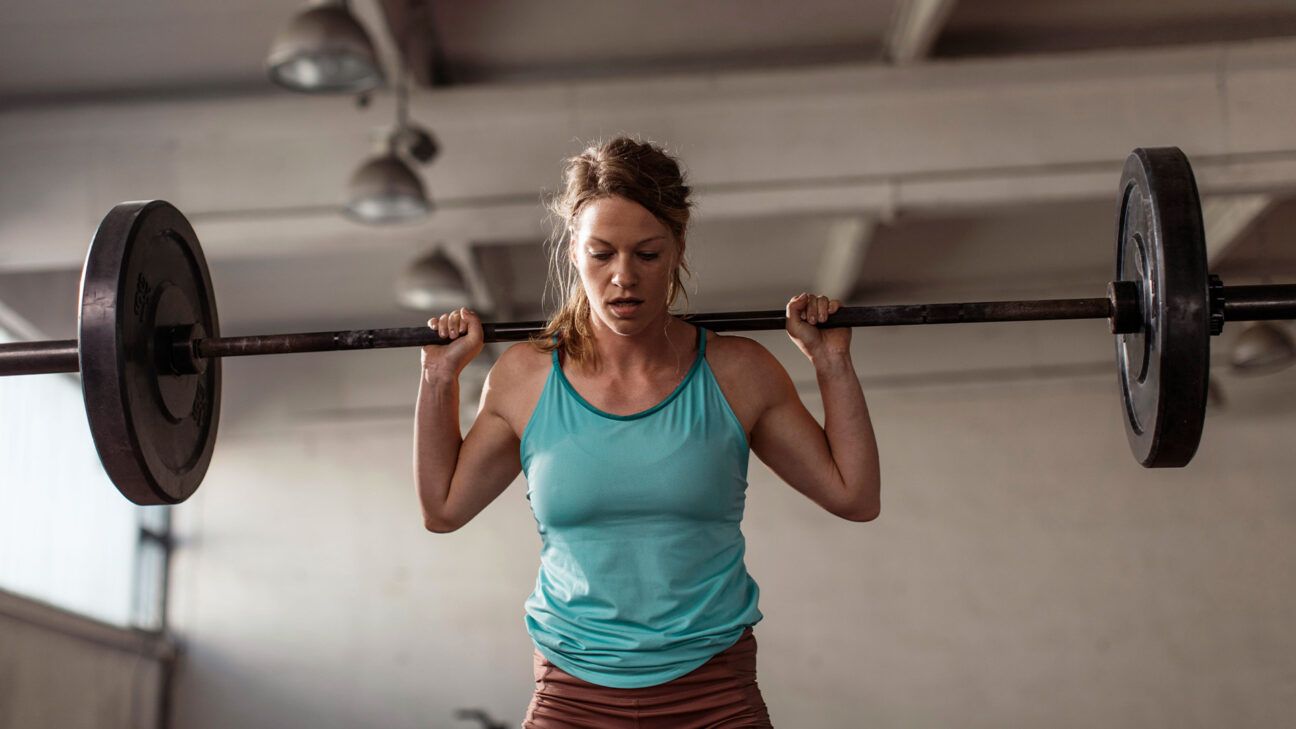
- Strength Training: Resistance exercises, including weightlifting or bodyweight workouts, play a crucial role in testosterone production. This hormone, while typically associated with male physiology, significantly contributes to women’s overall vitality, bone density, and muscle mass. By integrating strength training into fitness routines, women can capitalize on testosterone’s benefits while also enhancing metabolic rate.
- Mind-Body Practices: Yoga and Tai Chi, considered slower-paced workouts, focus on breathing and mental centering. These practices can be particularly effective in lowering stress hormones, such as cortisol, while promoting relaxation and overall hormonal equilibrium. Research has highlighted their efficacy in supporting emotional wellness, especially during times of hormonal imbalance.
As we navigate through the various types of exercises and their effects on female hormones, it becomes evident that an individualized approach to fitness can lead to remarkable improvements in hormonal health. By understanding these connections, women can tailor their exercise regimens to meet specific hormonal needs, paving the way for enhanced well-being.
Understanding Hormonal Balances
Hormones play a crucial role in women’s health, influencing everything from mood to metabolism. Regular exercise is a powerful tool that can help maintain a healthy hormonal balance. When you engage in physical activity, your body releases endorphins, often referred to as “feel-good” hormones, which can significantly enhance your mood and reduce feelings of stress. Moreover, exercise has been shown to regulate levels of insulin, estrogen, and progesterone, which are critical in managing menstrual cycles and mitigating symptoms related to hormonal imbalances, such as PMS and PCOS.
Types of Exercise Beneficial for Hormonal Health
Certain types of exercise can be more beneficial for regulating female hormones. For instance, strength training not only builds muscle but also supports metabolism and improves insulin sensitivity, crucial for hormonal regulation. On the other hand, aerobic exercises like running, cycling, or swimming promote cardiovascular health and enhance endurance. Yoga and Pilates, known for their balance and flexibility benefits, also contribute significantly to stress relief, which can further aid in balancing cortisol levels—another critical hormone in the body.
The Impact of Exercise on the Menstrual Cycle
Engaging in regular physical activity can lead to a more regular menstrual cycle, as it helps your body harmonize its hormonal output. Many women find relief from irregular periods, heavy bleeding, and other menstrual-related issues with a consistent exercise routine. This regulation is partly due to the body’s ability to respond appropriately to hormonal signals when it is conditioned through various forms of exercise. Fitness not only aids in physical well-being but also translates into emotional stability, fostering an overall healthier lifestyle.
Nutrition and Its Role
While exercise is vital, the right nutrition complements hormonal health. Incorporating foods rich in omega-3 fatty acids, vitamins, and minerals can support your body in maintaining optimal hormone levels. With this comprehensive approach that intertwines fitness and nutrition, women can pave the way for hormonal balance and improve their overall health. As you begin or enhance your fitness journey, remember that these efforts can have lasting effects on hormones, mood, and wellbeing.
Discovering Your Path to Hormonal Health
Ultimately, your journey towards understanding fitness and hormonal health is incredibly personal. Finding the right type of exercise that resonates with you, along with maintaining a balanced diet, is the key to unlocking a more harmonious hormonal balance. Each step taken toward fitness is an investment in your health that pays dividends beyond the scale. Explore how your exercise regimen can uniquely fit into your lifestyle, leading you to better hormonal health and overall vitality.
DIVE DEEPER: Click here to learn more about the impact of hormonal changes
Exploring the Connection Between Exercise and Hormonal Health
In the journey to achieve optimal hormonal health, physical activity emerges as a cornerstone. Women experience unique hormonal fluctuations, and understanding how exercise influences these changes can empower them to seize control of their well-being. Moreover, emerging evidence showcases the profound interplay between physical fitness and female hormones, emphasizing the importance of consistent movement in a woman’s lifestyle.
One of the often overlooked yet significant aspects of fitness is its relationship with the hormone estrogen. Fluctuations in estrogen can lead to a range of symptoms, including mood swings, weight gain, and irregular menstrual cycles. Engaging in regular exercise has been linked to improved estrogen metabolism, allowing the body to better regulate this vital hormone. Research indicates that women who incorporate both aerobic and strength-training workouts into their routines can help maintain healthier estrogen levels, thereby reducing the risk of hormone-related disorders, including certain types of cancer.
Exercise and the Menstrual Cycle
Another critical area to consider is the impact of exercise on the menstrual cycle. Research shows that maintaining an active lifestyle can lead to more regular cycles, alleviate symptoms associated with premenstrual syndrome (PMS), and reduce the severity of menstrual pain. For instance, a study published in the journal *Obstetrics & Gynecology* revealed that women who participated in consistent aerobic exercise reported fewer PMS symptoms, which can be attributed to the endorphin release often associated with physical activity.
Moreover, the phase of the menstrual cycle can influence a woman’s response to exercise. During the follicular phase, when estrogen levels rise, women may experience improved strength and endurance. This phase is an optimal time for high-intensity workouts, potentially leading to better performance gains. In contrast, during the luteal phase, women may feel more fatigued. Adapting exercise routines to align with these hormonal fluctuations can enhance motivation and overall fitness outcomes. Embracing cycle syncing—tailoring workouts to the different stages of the cycle—can optimize benefits and minimize discomfort.
The Role of Nutrition in Conjunction with Exercise
Addressing hormonal health wouldn’t be complete without acknowledging the synergistic role of nutrition. A well-rounded diet rich in whole foods, healthy fats, and adequate protein can complement the hormonal benefits derived from exercise. Nutrients such as omega-3 fatty acids, found in fish and flaxseeds, can support hormonal balance, while fiber-rich foods help regulate insulin and estrogen levels. Combining exercise with a nutritious diet creates a holistic approach to women’s health, where both physical activity and nutrition work in harmony to enhance well-being.
Furthermore, hydration plays a pivotal role in supporting hormonal health. Dehydration can lead to elevated cortisol levels, negating some of the stress relief benefits of exercise. Therefore, sufficient water intake is crucial, especially during workouts, to maintain hormonal balance and optimal performance.
In conclusion, the multifaceted relationship between exercise and female hormones highlights the importance of adopting a personalized fitness approach. By embracing various forms of exercise, such as aerobic, strength training, and mindful practices, women can navigate hormonal fluctuations with greater ease while promoting overall health. Whether aiming to mitigate symptoms related to menstrual cycles, improve mood, or support metabolic health, the benefits of physical activity extend far beyond the gym and provide a foundation for lasting hormonal harmony.
DISCOVER MORE: Click here for insights
Conclusion
In understanding the intricate dynamics between fitness and hormonal health, it becomes evident that exercise serves as a powerful ally for women seeking to optimize their well-being. The positive impact of physical activity on key hormones such as estrogen and progesterone extends beyond the physiological benefits; it influences emotional stability, menstrual regularity, and overall quality of life. By implementing a comprehensive fitness routine that includes both aerobic and strength-training exercises—and aligning these activities with the phases of the menstrual cycle—women can navigate hormonal fluctuations more effectively, enhancing their ability to manage symptoms such as PMS and fatigue.
Moreover, the combination of regular exercise with a nutrient-rich diet amplifies these benefits, fostering a holistic approach to women’s health. Essential nutrients work synergistically with physical exercise to maintain hormonal balance, paving the way for not only physical vitality but also emotional resilience. The importance of hydration in supporting this balance cannot be overlooked, as it plays a critical role in optimizing exercise performance and reducing stress levels.
Ultimately, the journey towards improved hormonal health is both unique and multifaceted, and recognizing the significant role of exercise is crucial. As women continue to embrace personalized fitness strategies, they open the door to enhanced hormonal regulation and overall wellness. The profound benefits of embracing physical activity offer a pathway to a healthier, more balanced life—making it imperative to prioritize movement as a fundamental aspect of women’s health.