
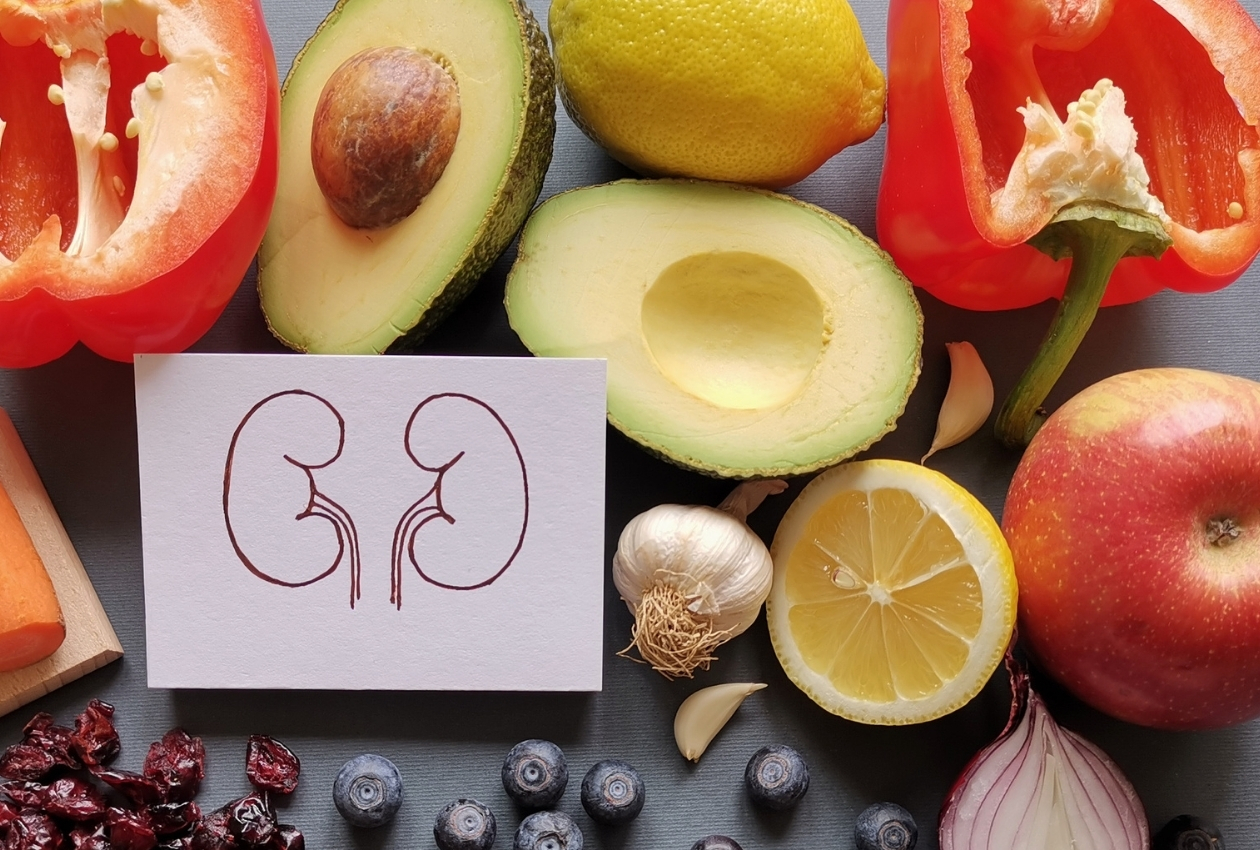
The Role of Nutrition in Supporting Women’s Health
Nutrition is a cornerstone of women’s health, especially in the battle against chronic diseases that significantly impact lifespan and quality of life. The relationship between diet and disease is profound; the foods we choose not only nourish our bodies but also serve as powerful tools in disease prevention. A well-considered diet can make a considerable difference in managing health outcomes.
Heart Disease: A Major Concern
Heart disease remains a leading cause of death among women in the United States. The American Heart Association emphasizes that a balanced diet rich in fruits, vegetables, and whole grains can help mitigate risks associated with heart disease. For instance, foods high in potassium, such as bananas and sweet potatoes, can help manage blood pressure. Furthermore, incorporating lean proteins from sources like fish and poultry, along with healthy fats from nuts and avocados, supports cardiovascular health. Studies have shown that women who consume a Mediterranean diet experience a reduced risk of coronary artery disease, underlining the critical role of dietary choices in cardiovascular wellness.
Understanding Diabetes Management
Another chronic condition closely linked to nutrition is Type 2 diabetes. Proper nutrition is crucial, especially in managing carbohydrate intake to maintain stable blood sugar levels. For instance, choosing whole grains over refined grains can lead to better glycemic control. According to the Centers for Disease Control and Prevention (CDC), women who integrate high-fiber foods like legumes and green vegetables into their diets can lower their risk of developing diabetes. Additionally, meal planning that focuses on consistent meal timing can aid in blood sugar management and prevent abrupt spikes that can lead to long-term complications.
Bone Health and Osteoporosis
As women age, the risk of developing osteoporosis increases, making it essential to focus on nutrients that support bone health. A diet rich in calcium and vitamin D is imperative for maintaining optimal bone density. Good sources include dairy products, leafy greens, and fortified foods. Additionally, exposure to sunlight helps the body produce vitamin D, which works in synergy with calcium to ensure strong bones. Regular weight-bearing exercise, combined with a nutritious diet, can significantly reduce the risk of osteoporosis in women.
The Importance of Mindful Eating
Equally vital is the concept of portion control and meal timing. Understanding how to balance meal sizes can help maintain a healthy weight, an essential factor in preventing obesity—which is a significant contributing factor to various chronic diseases. Research indicates that small, consistent changes in diet can yield profound health benefits over time. For example, swapping sugary snacks for fruits or nuts not only satisfies a sweet tooth but also provides essential nutrients without empty calories.
In summary, making informed dietary choices is not merely beneficial but essential for women’s health. The interplay between nutrition and chronic disease prevention highlights the need for awareness and proactive measures. Women who take the initiative to improve their eating habits can experience substantial improvements in overall wellness and longevity, proving that every bite counts toward a healthier future.
DISCOVER MORE: Click here to learn about the benefits of strength training
Nutrition as a Preventive Measure Against Chronic Diseases in Women
Nutrition plays a pivotal role in the prevention of chronic diseases that disproportionately affect women. By understanding how specific dietary choices influence health outcomes, women can proactively lower their risk for conditions such as heart disease, diabetes, and osteoporosis—common chronic illnesses that can greatly impact quality of life. Emphasizing a nutrient-dense diet can empower women to take charge of their health and embrace longevity.
The Connection Between Diet and Chronic Disease
Research has consistently shown that what we eat directly influences our susceptibility to chronic diseases. A whole-foods-based diet—rich in vitamins, minerals, and antioxidants—can have a remarkable effect on health. Women must recognize the importance of incorporating the following food groups into their meals:
- Fruits and Vegetables: These are essential for providing antioxidants that combat oxidative stress, which is linked to chronic diseases.
- Whole Grains: Foods like brown rice, quinoa, and oats offer essential fibers that aid digestion and support heart health.
- Lean Proteins: Incorporating fish, legumes, and poultry can help maintain muscle mass and metabolic function as women age.
- Dairy and Alternatives: Rich sources of calcium and vitamin D are crucial for bone health.
Cardiovascular Diseases and Dietary Impact
Cardiovascular diseases (CVDs) are among the leading causes of death for women, making heart-healthy nutrition paramount. The American Heart Association advocates for lifestyle changes, particularly dietary modifications that include:
- Reduced intake of saturated and trans fats found in commercial baked goods and fried foods.
- Increased consumption of omega-3 fatty acids from fatty fish like salmon or walnuts.
- Choosing low-sodium options to help manage blood pressure effectively.
Additionally, studies suggest that women who follow diets high in fiber derived from plant sources experience improved cardiovascular health metrics, reiterating the critical nexus between nutrition and heart disease prevention.
Balancing Nutrition With Weight Management
Achieving and maintaining a healthy weight is another vital component of chronic disease prevention in women. Obesity is a significant risk factor for numerous health conditions, including Type 2 diabetes and certain cancers. Effective strategies for weight management through nutrition include:
- Understanding Portion Sizes: Learning proper serving sizes can prevent overeating and promote mindfulness.
- Incorporating Nutrient-Dense Snacks: Replacing calorie-dense treats with healthier options like nuts, fruits, or yogurt.
- Consistent Meal Timing: Establishing regular meal patterns to support stable metabolism and hunger regulation.
By recognizing how nutrition intersects with chronic disease prevention, women are better equipped to make informed choices that not only enhance their physical health but also promote their overall well-being. The journey towards better health may start with small dietary adjustments, but the impact can be life-changing.
| Nutritional Element | Impact on Health |
|---|---|
| Antioxidants | Play a crucial role in combatting oxidative stress, reducing the risk of chronic diseases. |
| Omega-3 Fatty Acids | Linked to decreased inflammation and improved heart health, they are vital for women’s wellness. |
| Fiber | Helps in regulating blood sugar levels and lowering cholesterol, crucial for preventing type 2 diabetes and heart diseases. |
| Calcium and Vitamin D | Essential for maintaining bone health, reducing the risk of osteoporosis in women as they age. |
The connection between nutrition and chronic disease prevention cannot be understated, especially for women who face unique health challenges throughout different stages of life. Achieving a balanced diet enriched with essential nutrients is paramount. Antioxidants, such as those found in fruits and vegetables, help combat oxidative stress, a key factor in many chronic illnesses. Omega-3 fatty acids, available in fish and flaxseeds, contribute to heart health by reducing inflammation and cholesterol levels.Fiber-rich foods, including whole grains and legumes, support digestive health and help regulate blood sugar, thus reducing the risk of type 2 diabetes. Furthermore, ensuring adequate intake of calcium and vitamin D is vital, particularly for women at risk of osteoporosis post-menopause. By focusing on these nutritional elements, women can significantly enhance their overall health and well-being, paving the way for a healthier, more vibrant life.
DIVE DEEPER: Click here to learn more about nutritional balance
Specific Nutrients and Their Protective Effects
In the context of women’s health, certain nutrients hold particular significance in combating chronic diseases. Understanding these key players can empower women to make more targeted dietary choices that enhance their overall health. Here are a few standout nutrients that should be prioritized:
Omega-3 Fatty Acids
Omega-3 fatty acids, predominantly found in fatty fish, flaxseeds, and walnuts, offer profound benefits for women’s cardiovascular health. A study published in the Journal of the American College of Cardiology indicated that women who consumed omega-3 fatty acids regularly had a significantly lower risk of heart disease. These healthy fats help reduce inflammation, lower triglyceride levels, and support healthy blood pressure. For women, particularly those entering menopause, omega-3s also play a role in maintaining brain health and reducing symptoms of anxiety and depression, conditions that often manifest during this transitional period.
Calcium and Vitamin D for Bone Health
As women age, the risk of osteoporosis increases significantly, making adequate intake of calcium and vitamin D crucial. Calcium, found in dairy products, leafy greens, and fortified foods, is key for maintaining bone density. Meanwhile, vitamin D, obtained from sunlight and fortified foods, enhances calcium absorption and plays a vital role in bone health. According to the National Osteoporosis Foundation, women should aim for 1,200 mg of calcium daily after the age of 50. Beyond bone health, emerging research shows that vitamin D may also play a role in reducing the risk of certain cancers and autoimmune diseases, providing another layer of defense as women age.
Fiber: The Unsung Hero
Fiber intake is significantly correlated with a lowered risk of Type 2 diabetes and cardiovascular diseases. Women should target at least 25 grams of fiber per day from fruits, vegetables, whole grains, and legumes. A diet rich in fiber promotes satiety, helping manage weight, while also regulating blood sugar levels. According to a report from the Centers for Disease Control and Prevention (CDC), adequate fiber intake is linked to healthier cholesterol levels and a decreased risk of developing metabolic syndrome, a precursor to diabetes.
Antioxidants and Phytochemicals
The role of antioxidants and phytochemicals, which are abundant in colorful fruits and vegetables, cannot be understated in chronic disease prevention. Research indicates that diets high in antioxidants—such as vitamins C and E, along with compounds like flavonoids—help neutralize free radicals, thereby protecting cells from oxidative stress linked to age-related diseases. Women should seek to fill their plates with a rainbow of produce, ensuring a diverse intake of these powerful compounds. For instance, berries, spinach, and tomatoes are not just nutritious; they act as formidable defenders against inflammation and chronic illness.
As the landscape of health continues to shift, it’s clear that nutrition remains a cornerstone in the battle against chronic diseases. By prioritizing key nutrients and embracing a well-rounded, whole-foods diet, women can enhance their resilience against such health risks while bolstering their overall well-being. Taking charge of one’s nutrition is an empowering step that can lead not only to longer life but also to a life filled with vitality and energy.
DISCOVER MORE: Click here to learn about enhancing your emotional resilience</p
Conclusion: Empowering Women Through Nutrition
In summary, the relationship between nutrition and the prevention of chronic diseases in women is both profound and multifaceted. By understanding the critical roles of essential nutrients such as omega-3 fatty acids, calcium, vitamin D, fiber, and a variety of antioxidants, women can equip themselves with the tools necessary to safeguard their health against conditions like heart disease, osteoporosis, and diabetes.
As women navigate different life stages—from menstruation to menopause—paying attention to nutritional needs becomes increasingly crucial. Making conscious dietary decisions not only enhances physical health but can also contribute to mental well-being, fostering a holistic sense of vitality. Research supports that a diet rich in these protective nutrients can improve outcomes across various health metrics, highlighting the importance of a balanced, whole-foods diet.
The call to action for women is clear: prioritize nutrition within your lifestyle. This journey begins by incorporating a wide array of nutrient-dense foods and seeking ongoing education about dietary impacts on health. By doing so, women can significantly reduce their risk of chronic diseases and promote optimal health across their lifespans. Nutritional empowerment is not just a personal choice—it’s a pathway to a future filled with resilience, energy, and well-being. As you explore the colorful world of nourishing foods, remember that every meal is an opportunity to invest in your health and longevity.