
The Intersection of Hormones and Mental Health
Throughout life, women experience a series of hormonal changes that can profoundly influence their mental health. These fluctuations often arise from significant life stages, which include puberty, pregnancy, postpartum recovery, and menopause. Each of these transitions presents unique challenges that not only affect physical health but also have far-reaching implications for mental well-being. Understanding the impact of these hormonal shifts is crucial in fostering improved mental health outcomes for women.
Key Life Stages to Consider
- Puberty: The onset of menstruation often coincides with emotional upheaval, characterized by mood swings and heightened anxiety levels. Research indicates that the hormonal shifts that accompany puberty can lead to an increased risk for conditions such as depression and anxiety disorders. As adolescent girls navigate these changes, the importance of supportive environments becomes evident, with schools and families playing a vital role.
- Pregnancy: During pregnancy, women experience dramatic hormonal surges, including spikes in hormones like estrogen and progesterone. This can lead to emotional highs and lows, often referred to as “mood swings.” Though many might think of pregnancy as a time of joy, the stark reality is that it can also expose women to mental health challenges such as anxiety and depression, commonly known as perinatal mood disorders. It’s essential for expectant mothers to receive proper education and guidance as they navigate these emotional landscapes.
- Postpartum: After childbirth, many women face postpartum depression (PPD) as their bodies adjust to the drastic hormonal shifts. The American Psychological Association estimates that approximately 1 in 7 women experience PPD, which can manifest as feelings of extreme sadness, anxiety, and fatigue. Recognizing the signs of PPD is crucial, as prompt intervention can significantly improve recovery outcomes. Support networks, therapy, and, in some cases, medication can play a pivotal role in helping women cope.
- Menopause: As women approach middle age, a decline in estrogen levels often correlates with increased instances of anxiety and depression. The mental health impact of menopause can go unnoticed, but awareness of symptoms like mood changes, irritability, and cognitive difficulties is essential. Resources such as counseling and hormone replacement therapy can provide relief and help women navigate this transitional period effectively.
Research illustrates that each of these life stages brings distinct challenges that can exacerbate underlying mental health conditions. Women may experience an increased susceptibility to disorders such as anxiety and depression during these pivotal transitions. Recognizing these trends enables healthcare providers, families, and women themselves to proactively address and minimize the negative effects of these changes, empowering individuals to care for their mental health.
Why This Matters
By examining the relationship between hormonal changes and mental health, we can better address the needs of women across different life stages. Enhanced awareness and understanding allow women to seek appropriate support, ultimately fostering better mental wellness. Delving into these experiences provides vital insights into improving healthcare strategies that are tailored specifically to women’s unique health needs. Furthermore, engaging in open dialogues about these issues can help to destigmatize mental health challenges and encourage women to prioritize their well-being.
The journey through hormonal changes is ubiquitous, yet individualized; understanding it in depth offers a pathway to better health and improved quality of life for many women across the United States. The flattening of stigma and the promotion of informed discussions can lead to significant improvements not only for women’s mental health but for community health as a whole.
DIVE DEEPER: Click here to learn more
Hormonal Changes and Emotional Well-being
The journey through life for many women is marked by a series of hormonal changes that can dramatically alter mental health. From the onset of puberty to the transition into menopause, these changes not only influence physical health but also significantly affect emotional and psychological well-being. It is essential to acknowledge how these stages intertwine with mental health, as each period can harbor risks for various mood disorders, warranting greater awareness and proactive measures.
Puberty: The Tumultuous Transition
As girls enter puberty, they undergo significant hormonal shifts characterized by an increase in estrogen and progesterone. This biological transition often coincides with an emotional upheaval, leading to heightened feelings of anxiety and mood swings. The American Psychological Association highlights that during this formative stage, adolescent girls are at increased risk for developing anxiety and depression. Studies suggest that nearly one in three adolescent girls will experience a major depressive episode by their late teens. Therefore, fostering a supportive environment is crucial; schools, parents, and mental health professionals must collaborate to provide the necessary guidance and resources.
Pregnancy: The Rollercoaster of Emotions
During pregnancy, women experience profound hormonal shifts, including a surge in estrogen and progesterone, which can lead to emotional highs and lows often described as “mood swings.” The joy and anticipation of becoming a mother can be overshadowed by feelings of anxiety and depression. Research indicates that about 15% to 20% of women will face perinatal mood disorders, which encompass both prenatal and postpartum mental health issues. The complexities of these emotional landscapes underscore the necessity for comprehensive education and resources for expectant mothers. Psychological support, clear communication, and anticipatory guidance can significantly mitigate these challenges and promote healthier emotional outcomes during this critical life stage.
Postpartum Period: A Heightened Vulnerability
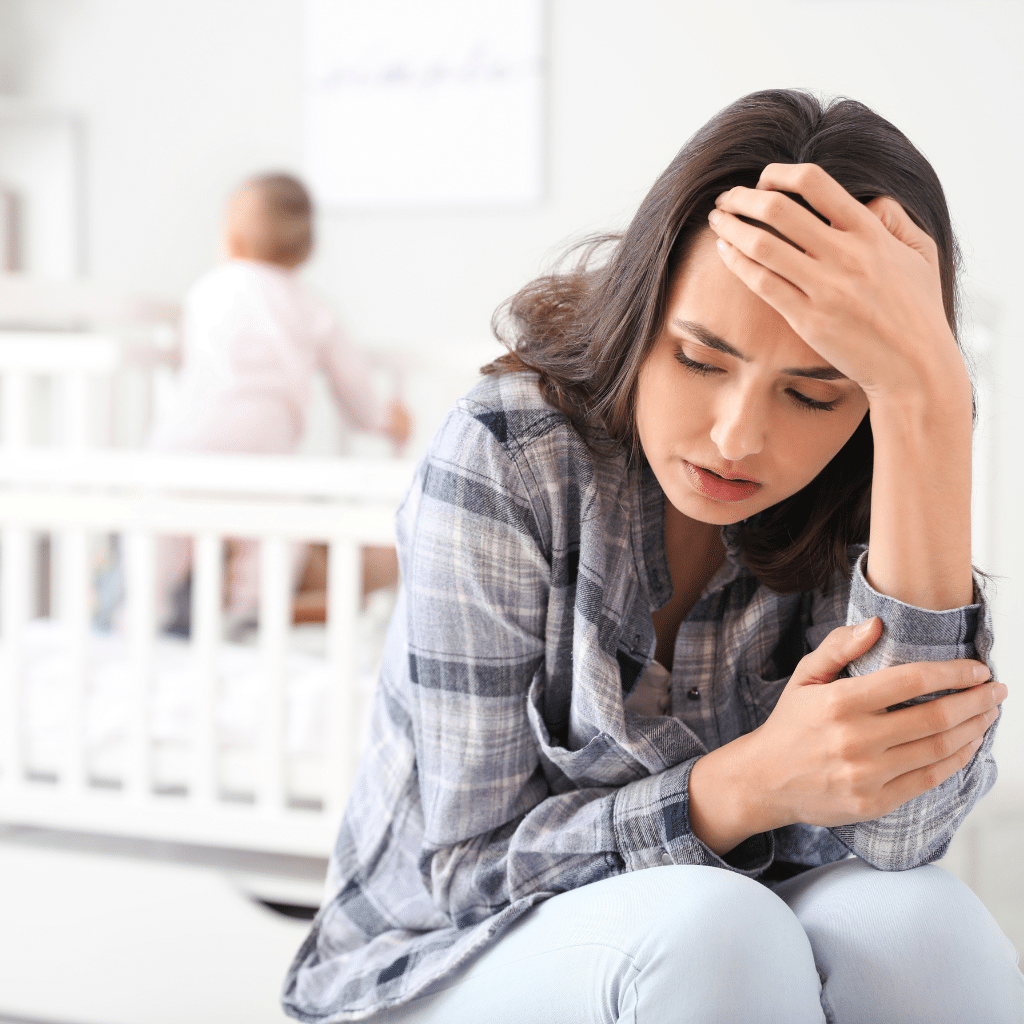
Postpartum depression (PPD) is one of the most common complications associated with childbirth, affecting approximately 1 in 7 women according to the Centers for Disease Control and Prevention (CDC). After giving birth, hormonal fluctuations can exacerbate feelings of sadness, anxiety, and fatigue, creating a challenging environment for new mothers who often feel isolated and overwhelmed. It is imperative to recognize the signs of PPD early as it can have lasting implications not only on mothers but also on their children. Resources such as therapy, peer support groups, and medication can help mitigate the effects of PPD. Ensuring that mothers receive timely and empathetic care is essential to their recovery and overall well-being.
Menopause: The Final Hormonal Shift
As women approach menopause, they experience a gradual decline in estrogen levels, which can contribute to increased instances of anxiety and depression. Common symptoms—such as mood instability, irritability, and cognitive difficulties—often go unrecognized and untreated. The stigma surrounding menopause can lead to social withdrawal and decreased self-esteem. However, proactive management through counseling, lifestyle changes, and in some cases, hormone replacement therapy (HRT), can improve mental health outcomes significantly. The importance of recognizing this natural phase as a legitimate health concern cannot be overstated, as it plays a critical role in ensuring that women feel supported during this life transition.
Understanding how hormonal changes affect mental health at different life stages allows for more tailored interventions and support systems. By highlighting these key transitions, we can pave the way toward a society that prioritizes women’s mental health and encourages open conversations about these often-stigmatized experiences.
The Impact of Hormonal Changes Throughout Life Stages
Adolescence and Early Womanhood
During adolescence, women encounter significant hormonal shifts, primarily associated with the onset of menstruation. These changes can lead to heightened emotional sensitivity and mood swings, often resulting in conditions such as anxiety and depression. It is essential to recognize that adolescent girls may experience greater stress levels due to these hormonal fluctuations. Understanding and addressing these challenges can lead to better mental health outcomes, emphasizing the need for early intervention strategies in schools and communities.
Reproductive Years: Pregnancy and Postpartum Depression
In reproductive years, hormonal changes are most pronounced during pregnancy. Many women report changes in their mental health, ranging from increased anxiety to episodes of depression. The postpartum period can be particularly challenging, with hormonal shifts contributing to feelings of sadness and emotional instability. It is crucial to raise awareness about Postpartum Depression (PPD), as it can affect women’s ability to bond with their newborns. Healthcare providers must provide comprehensive support and screening for mental health issues during and after pregnancy.
Perimenopause and Menopause
As women approach menopause, typically in their 40s and 50s, the gradual decline in estrogen levels can significantly impact mental health. Many women experience anxiety, mood swings, and depressive symptoms during perimenopause. In menopause, the abrupt hormonal changes can lead to further psychological symptoms such as increased anxiety, irritability, and challenges with memory and concentration. Understanding these changes is vital for developing effective coping strategies. Research indicates that lifestyle modifications, such as regular exercise and a balanced diet, can mitigate some of these symptoms, enhancing emotional well-being during this transitional phase.
Understanding Supportive Measures
Recognizing the role of hormonal changes in women’s mental health highlights the importance of creating supportive environments. Access to mental health resources, counseling, and community support can make a substantial difference in managing the effects of these biological changes. Encouraging open discussions about mental health can help destigmatize these issues, enabling women to seek the help they need at different life stages. As research advances, understanding the intricate relationship between hormonal fluctuations and mental health can foster better strategies for support throughout a woman’s life journey.
| Category | Key Points |
|---|---|
| Adolescence | Increased emotional sensitivity and risk of anxiety |
| Pregnancy | Higher vulnerability to anxiety and PPD |
| Menopause | Cognitive changes and increased depression |
LEARN MORE: Click here to discover more
Hormonal Changes in Midlife: Navigating New Challenges
The transition through midlife brings a host of hormonal changes that can greatly influence mental health. This often overlooked stage is marked by a new set of emotional challenges as estrogen levels begin to decline, leading women to experience not only physical symptoms associated with perimenopause and menopause but also significant psychological effects.
The Cognitive Effects of Hormonal Fluctuations
Research has shown that the fluctuations in hormones during perimenopause can lead to cognitive difficulties, including memory lapses and concentration challenges. A study published in the Journal of Women’s Health indicated that nearly 60% of women reported experiencing “brain fog” during this period, which can exacerbate feelings of frustration and depression. This phenomenon is often underestimated but significantly impacts daily life and self-esteem. Women may feel as though they are losing their mental sharpness, which can trigger further anxiety about aging and personal identity.
Heightened Anxiety and Depression Risk
In addition to cognitive symptoms, many women report an increase in anxiety and depression during the perimenopausal period. A review published in Menopause: The Journal of The North American Menopause Society found that the rate of depression can increase by two to three times during this transition. The hormonal shifts, compounded by life stressors such as aging parents or career changes, create a perfect storm for mental health challenges. Additionally, societal pressures regarding aging can amplify feelings of inadequacy and concern about physical appearance and vitality.
The Role of Lifestyle Factors
Understanding the role of lifestyle factors in mitigating the impact of hormonal changes on mental health during midlife is crucial. Factors such as nutrition, exercise, and sleep patterns significantly influence mood and overall well-being. For instance, maintaining a balanced diet rich in omega-3 fatty acids can have a positive effect on mood and cognitive function. Regular physical activity has also been shown to alleviate symptoms of anxiety and depression, providing a natural outlet for emotional stress. Engaging in activities like yoga or meditation can offer both physical and mental benefits, fostering resilience as women navigate these complex changes.
The Importance of Support Systems
Establishing strong support systems is another vital aspect of coping with hormonal changes during midlife. Women benefit from open dialogue with friends, relatives, and healthcare providers about their experiences. Support groups, whether in-person or online, can provide a sense of community and shared experience that diminishes feelings of isolation. Studies indicate that those who share their struggles with others are more likely to find coping mechanisms that uphold their mental health during this tumultuous time. Healthcare providers play a pivotal role in promoting awareness and providing resources, such as counseling, therapy, and medication when necessary, to help women adjust and thrive during this transformative stage of life.
In conclusion, recognizing and addressing the mental health impact of hormonal changes during midlife is essential. By prioritizing education and support, women can become empowered advocates for their own health and well-being. As awareness grows, so too does the potential for improved mental health outcomes throughout this critical life stage.
DISCOVER MORE: Click here to learn about the effects of hormonal imbalance
Conclusion: Embracing the Journey of Hormonal Change
The journey through hormonal changes in a woman’s life is more than just a biological process; it’s a profound experience that significantly impacts mental health. From the tumultuous transitions of adolescence, where hormonal surges shape emotions and self-identity, to the complexities of pregnancy, postpartum, and finally, midlife challenges, the psychological effects of these changes cannot be overstated. As highlighted, women often grapple with issues such as anxiety, depression, and cognitive disruptions during these pivotal life stages, underscoring the need for enhanced awareness and support.
Moreover, factors like lifestyle choices and strong support systems play a vital role in mitigating the impacts of hormonal fluctuations. Prioritizing mental health through nutrition, exercise, and community engagement can pave the way for better emotional wellbeing. Establishing open dialogues about these experiences with healthcare providers and peers is crucial in tackling the stigma surrounding women’s mental health issues.
As we continue to explore the intricate relationship between hormonal changes and mental health, it becomes clear that ongoing education and advocacy are essential. Recognizing these impacts not only normalizes the conversation around women’s health but empowers women to take proactive steps in supporting their mental well-being. By doing so, we can foster resilience and promote healthier outcomes across all life stages.