Training Tips for New Pet Owners: Ensuring Pet Safety and Well-being

Welcome to the Journey of Pet Ownership
Bringing a new pet into your home is an exciting adventure, filled with joy and challenges. However, ensuring the safety and well-being of your furry friend requires more than just love and cuddles. Proper training is vital for establishing a positive relationship, helping your pet adjust to their new environment and ultimately becoming a well-behaved member of your family.
Key Areas to Focus On
As a new pet owner, there are several essential aspects of training to consider that can greatly enhance your experience:
- Basic Commands: Teaching fundamental commands like sit, stay, and come is crucial in promoting safety and good behavior. For instance, a reliable “come” command can protect your dog from dangerous situations, such as running into traffic. Begin training in a quiet space and gradually introduce distractions as your pet demonstrates mastery of each command.
- Socialization: It’s vital to expose your pet to a variety of people, animals, and environments. Socialization helps to enhance their comfort and confidence, significantly reducing fears and anxieties. Take your puppy on walks to busy parks, or introduce them to different sounds and surfaces. This process lays the groundwork for well-adjusted behavior in adult dogs.
- Positive Reinforcement: Employing positive reinforcement, such as treats, praise, or playtime, can make the learning experience enjoyable for your pet. For example, if your dog sits on command, reward them immediately. This approach not only builds their understanding but strengthens the bond you share.
In addition, be aware of common challenges that may arise. Issues like:
- Barking excessively: This behavior can be a cry for attention or a response to anxiety. Addressing the root cause can lead to a quieter home.
- Jumping on guests: This can be both disruptive and rude. Training your pet to greet people calmly will make social gatherings more pleasant.
- Chewing on furniture: Puppies, in particular, have a natural instinct to chew. Providing appropriate chew toys can save your belongings while satisfying this desire.
Understanding these challenges early on allows you to address them effectively, ensuring your home remains a safe haven for both your pet and your family. For instance, a consistent training regimen can minimize jumping behavior, transforming a hyperactive greeting into a more laid-back approach.
Let the Learning Begin
By implementing these training tips, you are laying down a solid foundation for a harmonious life together with your pet. There are endless resources available—books, classes, and online tutorials—that can enrich your pet’s quality of life while ensuring their safety and well-being. Delve into pet training communities online or local training courses that provide further insights and support. Each moment spent on training not only enhances your pet’s behavior but also cultivates a lasting bond that can bring both of you joy for years to come. Remember, the journey of pet ownership is as much about learning and adapting as it is about love and companionship.
Essential Training Strategies for Pet Owners
Effective training is the cornerstone of a fulfilling relationship between you and your new pet. The process is not simply about teaching tricks or commands; it is about establishing clear communication and fostering a safe environment. While the journey may seem daunting at first, breaking it down into manageable steps can facilitate smoother training sessions, leading to a confident and well-adjusted pet.
Creating a Safe Space
Before diving into specific training techniques, it is crucial to create a safe and nurturing environment for your pet to thrive. A consistent routine helps animals feel secure and understand their expectations. Begin by:
- Designating a specific area in your home as your pet’s training zone. This space should be free from distractions, allowing for focused learning sessions.
- Ensuring that your home is pet-proofed: Electrical cords, toxic plants, and small objects should be stored away or eliminated. A safety-conscious household not only protects your pet but also contributes to a peaceful training atmosphere.
- Establishing a consistent feeding schedule: This aids in potty training and sets a routine that your pet can rely on, reinforcing their understanding of structure and discipline.
Moreover, it’s essential to understand your pet’s specific needs based on their breed, age, and temperament. For instance, energetic breeds may require more physical activity and mental stimulation, while older pets might benefit from gentle training methods that foster respect and understanding.
Building the Foundation with Basic Training
Once you have created a safe and structured environment, the next step is to introduce basic commands. Teaching commands such as “sit,” “stay,” and “leave it” not only instills discipline but also enhances safety. For example:
- “Sit”: This command can prevent your pet from jumping on visitors or running out the door.
- “Stay”: A vital command that can help keep your pet out of harmful situations, such as moving vehicles or dangerous crowds.
- “Leave it”: This command is crucial for discouraging unwanted behaviors, like eating something harmful from the ground or approaching aggressive animals.
Training sessions should be kept brief yet frequent, ideally lasting about 5-10 minutes, and should occur several times a day. This method aids retention and allows your pet to absorb commands over time. Remember, consistency is key; use the same words and gestures for commands to avoid confusion.
Utilizing Positive Reinforcement
The use of positive reinforcement has been proven to be one of the most effective training strategies. Animals, like humans, respond best to encouragement rather than punishment. When your pet successfully follows a command, reward them immediately with a treat, praise, or playtime. This promotes a sense of accomplishment and strengthens the bond between you and your pet. Additionally, it’s important to remain patient and understanding, as learning takes time and can vary significantly among pets.
In the following sections, we will explore deeper training techniques, address common behavioral issues, and guide you on resources that can elevate your training game, ensuring your pet’s safety and well-being while enriching your relationship. Remember, this journey is not just about training; it’s about growing together as companions.
| Safety Precautions | Training Techniques |
|---|---|
| Pet-proofing your home | Implementing basic commands like ‘sit’ and ‘stay’ |
| Identifying hazardous materials | Using positive reinforcement for behavior modification |
As a new pet owner, ensuring your furry friend’s safety is paramount. Pet-proofing your home involves securing loose wires, dangerous chemicals, and hazardous plants to create a safe environment. Moreover, identifying hazardous materials, whether it’s chocolate, certain houseplants, or cleaning supplies, is essential to prevent any health risks to your pets. In parallel, training techniques are vital for a well-behaved pet. Teaching basic commands like ‘sit’ and ‘stay’ not only fosters discipline but also enhances communication between you and your pet. Utilizing positive reinforcement encourages good behavior and builds trust. Incorporating these training tips equips new pet owners with tools that enhance pet safety, reducing anxiety for both the owner and the pet while fostering a harmonious living experience. Explore more about how to implement these techniques in your daily routine to ensure your pet’s well-being.
Advanced Training Techniques for a Harmonious Relationship
After establishing a solid foundation with basic commands and positive reinforcement, it’s time to explore advanced training techniques that not only enhance obedience but also contribute to your pet’s overall safety and well-being. These methods can significantly improve your pet’s behavior in various situations, making them a more enjoyable companion.
Socialization and Exposure
Socialization is a crucial aspect of training that helps your pet learn how to interact safely and confidently with different people, animals, and environments. Early exposure is vital, particularly for puppies, as it helps prevent fearfulness and aggression. To effectively socialize your pet, consider the following:
- Introduce your pet to various environments: Take them on walks in bustling parks, pet-friendly stores, and different neighborhoods to expose them to new sights and sounds.
- Encourage interaction: Set up controlled playdates with other pets or attend puppy classes to foster positive associations with other animals.
- Be mindful of their comfort level: If your pet appears anxious, allow them to retreat, and gradually reintroduce them to new situations at their own pace.
By nurturing a socially adaptable pet, you can ensure their safety in potentially stressful situations, which ultimately benefits both you and your furry friend.
Addressing Behavioral Issues
As new pet owners, it’s common to encounter some behavioral challenges. Addressing these issues promptly not only fosters a better relationship but also ensures the safety of your pet and others. Some common issues include:
- Excessive barking: Identify triggers, such as doorbells or passing cars, and seek to desensitize your pet through gradual exposure and rewards for quiet behavior.
- Chewing furniture: Redirect your pet’s attention to appropriate chew toys and add positive reinforcement when they use them instead of household items.
- Jumping on people: Teach your pet a command to sit upon greeting guests and reward them for calm behavior to reduce this instinctual reaction.
Consider consulting a professional dog trainer or behaviorist for stubborn or serious issues. They can offer tailored strategies to address specific behaviors effectively.
The Importance of Mental Stimulation
A mentally stimulated pet is a happy and well-adjusted pet. Engaging your furry friend’s mind can be a significant factor in preventing behavioral issues stemming from boredom or excess energy. Incorporate activities such as:
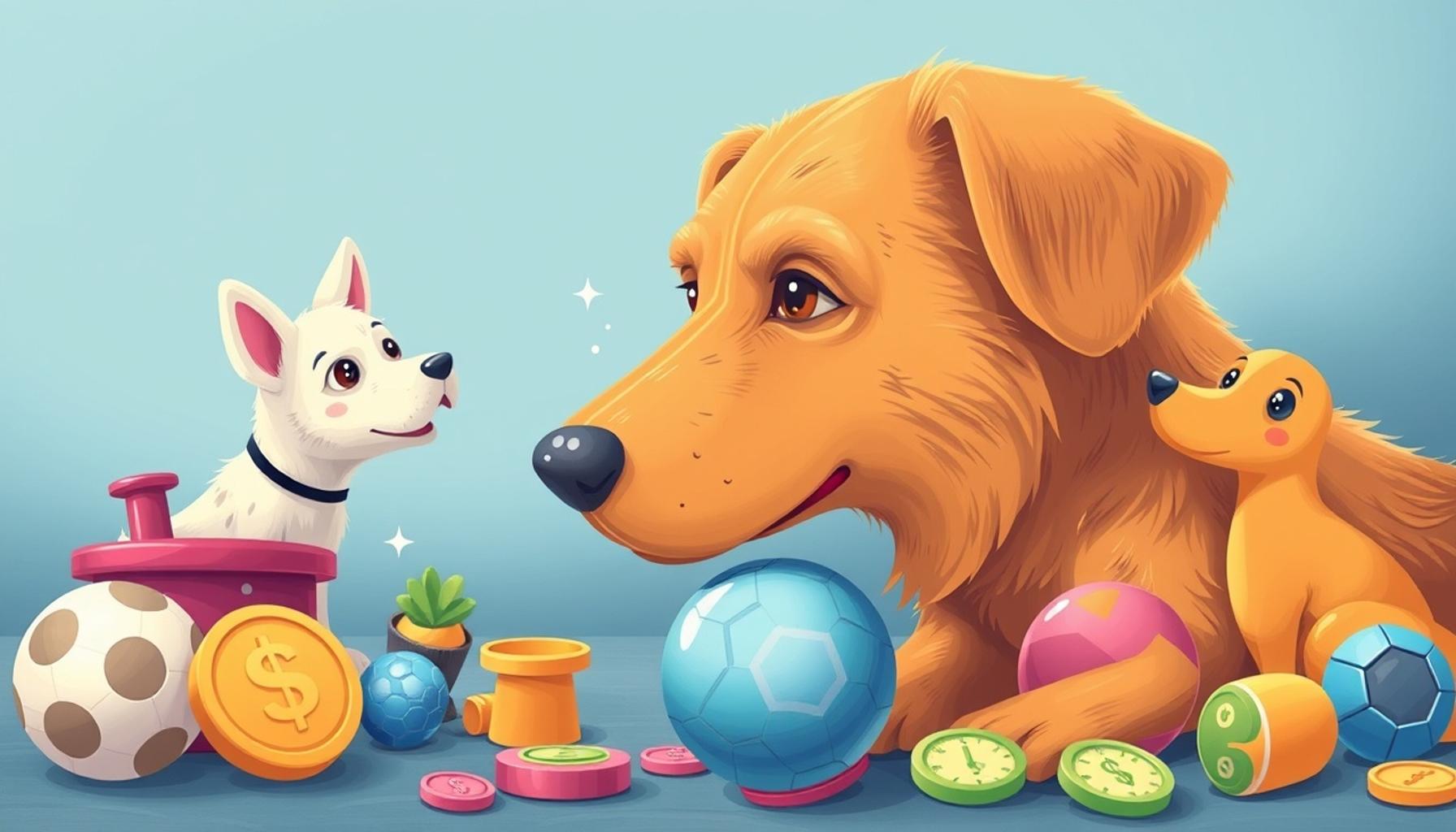
- Interactive toys: Invest in puzzle toys that require your pet to figure out how to access treats, keeping them engaged and entertained.
- Training games: Utilize training apps that focus on obedience and fun tricks; they are a great way to bond while enhancing your pet’s cognitive skills.
- Obstacle courses: Set up simple courses in your yard, using cones or safe household items, encouraging your pet to navigate through the course
These activities can be integrated into your daily routine, ensuring that both exercise and mental challenges are met.
Consistency and Patience
Throughout the training process, consistency and patience remain vital components. Animals thrive in a consistent environment where they understand what is expected of them. Establishing a well-defined routine will help solidify new commands and behaviors. Remember to be patient with your pet, as learning takes time and can vary significantly based on individual personalities.
In the next section, we will delve into the importance of ongoing training and how to maintain your pet’s training progress over the long term, ensuring a harmonious coexistence that prioritizes both safety and well-being.
Conclusion: Embracing the Journey of Responsible Pet Ownership
As you embark on the rewarding journey of pet ownership, prioritizing training is essential for fostering a strong bond between you and your beloved companion. The tips outlined in this article—including effective socialization, positive reinforcement techniques, and the necessity of mental stimulation—are vital for ensuring your pet’s safety and overall well-being. Alongside establishing consistent routines and being patient, you’ll create an environment where your pet feels secure and confident.
Addressing behavioral issues promptly is also crucial, as it not only enhances your relationship with your pet but promotes a harmonious atmosphere for all family members. Remember that professional help is available should you face challenges that seem overwhelming. Consulting a dog trainer or behaviorist can provide tailored solutions that cater specifically to your pet’s needs.
In the long term, ongoing training is fundamental. Regularly revisiting training exercises and incorporating new skills will keep both you and your pet engaged, turning training into a rewarding experience rather than a chore. Engaging your furry friend in various activities will not only satiate their physical needs but also keep their minds active and curious.
Ultimately, the relationship between you and your pet is forged through trust and understanding. By being committed to their training and well-being, you are not just raising a pet but nurturing a cherished member of your family. This journey may require effort and dedication, but the rewards—a happy, well-adjusted pet—are undoubtedly worth it. Embrace the experience, and enjoy every moment with your furry friend!