
Leveraging Crate Training for Stress-Free Travel with Pets: Ensuring Safety and Comfort
Understanding Crate Training for Pet Travel
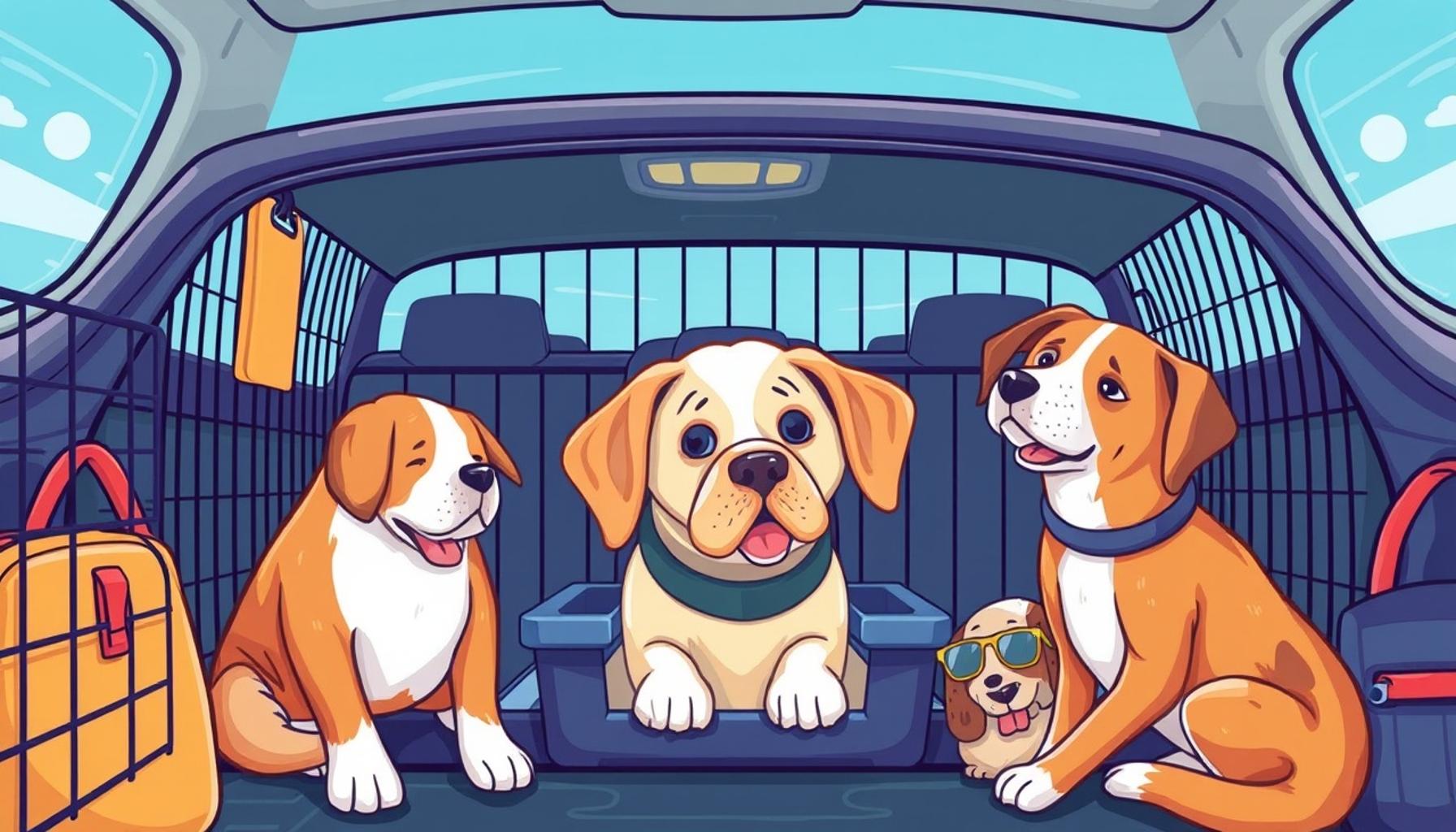
Traveling with pets is often filled with excitement and joy, but it is crucial to approach it with careful planning to avoid potential mishaps. One of the most effective strategies that can enhance this experience is crate training. This process not only helps to instill a sense of security for your pet but also contributes significantly to the overall safety of everyone involved during travel.
Why Safety is Paramount
One of the primary benefits of utilizing a crate for your pet while on the road is the emphasis on safety. A well-trained pet will remain in their designated space, minimizing the likelihood of distraction for the driver. In a 2023 survey by the American Automobile Association (AAA), 29% of drivers admitted to being distracted by pets while driving. By crate training your furry friend, you reduce this risk, making the journey safer for everyone.
The Comfort of Familiarity
A crate serves as a portable sanctuary for your pet. The confined space mimics a den-like environment that can significantly ease anxiety during travel. Many pets experience stress when exposed to new noises, smells, and sights, particularly in a moving vehicle. By having their crate on board, they are surrounded by familiar scents and textures that can help them to calm down more readily. For example, placing your pet’s favorite blanket or toy inside the crate can greatly enhance its effectiveness as a comfort zone.
Convenience with Accommodations
In addition to providing comfort and safety, crate training is often a necessity for various forms of lodging and transportation. Numerous hotels across the United States are pet-friendly, yet they frequently require pets to be secured in a crate when guests are not present. Schools of thought agree that this not only preserves the property but also protects your pet from potential harm. Furthermore, airlines require animals to be transported in an appropriate pet carrier, underscoring the need for proper crate training long before you hit the road.
Long-Term Benefits of Crate Training
Beyond the immediate advantages, crate training offers long-term benefits. It can reduce stress-induced behaviors such as excessive barking or chewing in unfamiliar situations. This training method reinforces your bond with your pet, as they learn to trust you as their protector and caregiver. Pet owners may notice that, with time, their animals are better at adjusting to new environments like campsites or vacation homes, facilitating an enjoyable travel experience for both parties.
Emergency Preparedness
Understanding the principles of crate training is not only beneficial for travel but can also prove vital in emergencies. In situations where quick evacuation is necessary, a pet that is already accustomed to their crate can be relocated swiftly and safely. This preparedness can make a significant difference, potentially reducing panic and ensuring your pet’s safety in daunting circumstances.
As we approach travel season, exploring the transformative potential of crate training is essential for pet owners aiming for a memorable adventure. With the right training, your pet can become an integral part of your journey, turning long drives into opportunities for shared experiences instead of stressful scenarios. Armed with this understanding, you’re ready to embark on your next trip, confident in your ability to keep both you and your furry friend happy and harmonious on the road.
Crate Training Techniques for a Stress-Free Journey
Embarking on a journey with your pet can feel like a daunting task, yet with the right crate training techniques, it can transform into a seamless adventure. First, it is important to understand that crate training is not merely about confining your pet; it’s about creating a safe haven where they can feel secure and tranquil amidst the hustle and bustle of travel.
Choosing the Right Crate
Before setting off, selecting an appropriate crate is paramount. A well-fitted crate allows your pet to stand, turn around, and lie down comfortably. Consider the following factors when choosing a crate:
- Size: Ensure the crate is spacious enough for your pet, but not excessively large, as that may cause anxiety.
- Material: Opt for durable materials that can withstand the rigors of travel, such as heavy-duty plastic or metal.
- Ventilation: Airflow is vital. Make sure your crate has proper ventilation to keep your pet comfortable.
- Portability: Lightweight and collapsible designs can ease transportation and storage.
Introducing Your Pet to the Crate
The success of crate training hinges on a positive introduction. Here are some effective strategies:
- Gradual Acclimation: Start by allowing your pet to explore the crate on their own terms. Place it in a comfortable space, leaving the door open, and encourage them to enter using treats and praise.
- Short Stays: Once your pet shows comfort, begin closing the door for short periods while you remain nearby. Gradually increase the duration as they adapt to the crate.
- Positive Reinforcement: Reward your pet with treats and affection when they enter the crate voluntarily, reinforcing their positive association with the space.
Training Sessions
Incorporating crate training into your pet’s daily routine is essential for establishing familiarity. Consider scheduling regular training sessions where the crate serves as a cozy spot for relaxation rather than punishment. This routine solidifies their comfort, especially when traveling. Each session should include:
- Calm Environment: Start in a low-distraction setting to help them focus.
- Gradual Increase in Duration: Keep the sessions short at first, gradually increasing the time spent in the crate.
- Include Downtime: Reward your pet with rest periods outside of the crate, ensuring they don’t associate it solely with confinement.
Through consistent training, your pet will learn to view their crate not as an enclosure but as a safe retreat. As you gear up for your next trip, the groundwork you lay now will pave the way for a stress-free travel experience, allowing both you and your furry companion to embrace the adventures that lie ahead. Crate training is indeed more than a necessity; it’s a vital tool that facilitates memorable journeys, easing the travel anxiety that often accompanies pet owners.
Benefits of Crate Training for Traveling Pets
Crate training is an essential component of preparing your pet for travel, especially when safety and comfort are of utmost priority. When done correctly, it can transform travel from a stressful venture into a smooth and enjoyable experience. Below, we explore crucial benefits that crate training offers, setting the stage for stress-free travel with pets.
| Category | Description |
|---|---|
| Safety | Crate training ensures your pet is secured during vehicle travel, reducing the risk of injury. |
| Comfort | Familiarity with the crate creates a safe personal space for pets, alleviating their anxiety during trips. |
| Predictability | Having a designated area helps pets feel at ease and know what to expect during travel. |
| Adaptability | Crate training prepares pets to adapt to various environments, helping them adjust to new spaces. |
Understanding the advantages of crate training leads to more enjoyable trips and enhances the overall wellness of your pet. As you delve deeper into crate training practices, you will discover the profound impact it can have on your furry companion’s travel experience and health.
Maintaining Safety and Comfort During Travel
Once your pet is well-acquainted with their crate, the next step is ensuring safety and comfort throughout your journey. Travel can be stressful for both pets and their owners, but by implementing strategic practices, you can enhance the travel experience significantly.
Pre-Travel Preparations
Preparation is key when it comes to stress-free travel with pets. Here are some essential pre-travel tips:
- Health Check: Before hitting the road, schedule a visit to your veterinarian. Ensure your pet is up-to-date on vaccinations and discuss any potential travel concerns. Acquiring a health certificate can be crucial, especially if you are traveling across state lines.
- Familiar Items: Bring along your pet’s favorite toys, blankets, or bedding. The familiar scents can help mitigate anxiety, as they provide a sense of home while traveling.
- Hydration and Feeding: Ensure your pet is hydrated before departure. You may also want to plan a light meal before traveling, as this can help prevent nausea during the journey.
Effective Crate Placement in Your Vehicle
Where you place the crate in your vehicle significantly affects your pet’s comfort level. Follow these guidelines to ensure a safe and cozy environment:
- Secure Location: Crate your pet in a secured area of the vehicle, such as the back seat or cargo space, using a safety harness or seatbelt. This minimizes distractions while driving and prevents the crate from shifting in the event of sudden stops.
- Temperature Control: Ensure that the area where the crate is located maintains a comfortable temperature. Avoid placing the crate near air conditioning vents or in direct sunlight, as extreme temperatures can stress your pet.
- Regular Breaks: Plan for frequent breaks during your travels. Stopping every two to three hours allows your pet to stretch their legs, relieve themselves, and enjoy some fresh air.
During the Trip: Keeping Calm and Collected
Even with the best preparations, it’s common for pets to feel a bit anxious during travel. However, there are ways to manage that anxiety and promote calmness:
- Comforting Sounds: Playing soft music or calming sounds inside the vehicle can help soothe your pet during the journey. Some pets respond positively to specific genres, such as classical or ambient music.
- Engagement: For longer trips, consider interactive toys or puzzles that keep your pet engaged. These can provide mental stimulation and distract them from travel stress.
- Calming Aids: If your pet is highly anxious, consult your vet about appropriate calming aids, such as pheromone sprays or supplements, which can help reduce anxiety levels.
Post-Travel Care and Reinforcement
The journey doesn’t end when you arrive at your destination. Post-travel care is just as crucial:
- Gradual Introduction: Allow your pet to acclimate to their new surroundings at their own pace. It’s beneficial to set up their crate in a quiet corner initially so they can retreat to it whenever they feel overwhelmed.
- Maintain Routine: Keeping your pet’s feeding, walking, and playtime routine consistent will help restore normality, aiding their adjustment to travel.
- Celebrate Their Good Behavior: Positive reinforcement after a successful trip encourages good behavior and makes future travels even smoother.
By leveraging these techniques and strategies, you can turn crate training into a powerful tool for ensuring your pet’s safety and comfort during travel. With the right preparation and attention to your pet’s needs, you can create memorable travel experiences filled with joy rather than stress.
Conclusion
Traveling with pets can be an enjoyable venture when approached with the right strategies, particularly leveraging crate training for ease, safety, and comfort. As we’ve explored, a well-trained pet can minimize stress for both the animal and owner during journeys, whether it’s a quick trip to the vet or an extended vacation. Crate training fosters a sense of security for your pet, transforming their crate into a cozy retreat that minimizes anxiety, thereby making travel more pleasant.
Moreover, the significance of pre-travel preparations cannot be overstated; from obtaining health check-ups to ensuring hydration and familiar items are packed, each step lays the groundwork for a successful journey. Thoughtful crate placement and regular breaks during travel further enhance the comfort level for your furry companion, while calming strategies, such as soothing music or gentle smells, can be potent tools against travel-related stress.
Finally, upon arriving at your destination, the effort shifts to post-travel care, reinforcing routines and providing your pet with a gradual adjustment period. This comprehensive approach not only protects their well-being but also enriches your travel experiences, turning potential challenges into delightful adventures. By adopting these strategies, pet owners can unlock a world where travel becomes a cherished experience rather than a source of stress, encouraging both you and your pet to explore new places with confidence and joy.