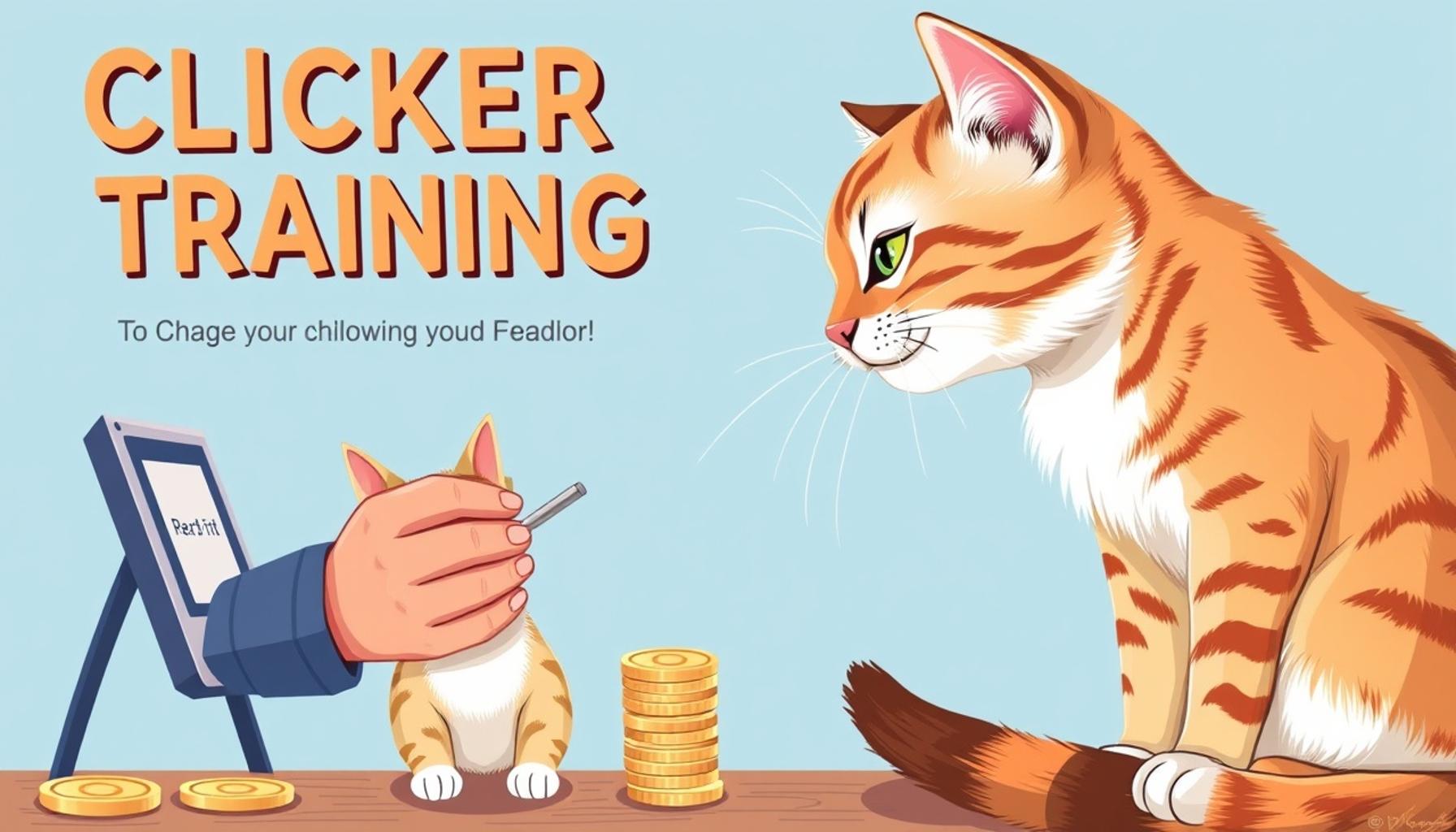
The Benefits of Training Techniques for Enhancing Pet Health: Focusing on Exercise and Enrichment Activities
Understanding the Importance of Pet Training Techniques
When it comes to fostering a happy and healthy pet, the role of training techniques cannot be overstated. Not only do effective training methods provide essential physical exercise, but they also introduce enrichment activities that are vital for maintaining a pet’s mental well-being. Both aspects are integral in promoting a well-rounded life for our beloved companions.
Many pet owners are often unaware of the multitude of benefits that stem from structured training. Beyond the basics, these techniques can instill important values in pets and strengthen the human-animal bond. The following are some of the most salient advantages of adopting effective training practices:
- Improved Physical Health: Consistent physical activity is crucial for maintaining a healthy weight in pets, much like in humans. Regular walks, playtime, and agility training can significantly lower the risk of chronic diseases such as obesity, diabetes, and joint issues.
- Mental Stimulation: Engaging enrichment activities—such as puzzle toys and scent games—offer more than just amusement; they challenge pets mentally, contribute to cognitive function improvement, and play a key role in preventing behavioral problems stemming from boredom.
- Stronger Bonds: Incorporating training into your routine fosters deeper connections between pets and their owners. Positive reinforcement techniques, where pets receive rewards for good behavior, not only promote compliance but also enhance trust and understanding.
Pet owners across the United States are increasingly recognizing the integral role of training in their pets’ lives. For instance, dog owners in metropolitan areas often turn to dog parks and training classes to socialize their pets while simultaneously working on command skills. On the other hand, cat owners may find innovative ways to lure their feline friends with laser pointers or interactive feeders that emphasize mental activity.
With a variety of training techniques available, it’s essential to tailor your approach based on your pet’s unique needs. Whether you have a spirited retriever that thrives on vigorous play or a curious cat eager for exploration, there are numerous ways to engage them effectively. From basic obedience training to advanced tricks and agility courses, the options are plentiful.
Now is the time to delve into the world of exercise and enrichment activities. By implementing effective training strategies, you not only enhance your pet’s health and happiness but also embark on an enriching journey that benefits both you and your furry friend. As you explore these options, you will likely uncover new avenues for interaction that strengthen your bond and promote a joyful lifestyle for your pet.
Unlocking Physical Health Through Structured Exercise
One of the primary pillars of pet health is regular exercise, which serves as a foundation for maintaining a pet’s overall vitality. Engaging your furry friend in physical activity doesn’t just keep them fit; it also substantially reduces the risk of developing serious health conditions. For instance, dogs require consistent cardiovascular workouts just like humans do to keep their heart healthy, while cats benefit from fun play sessions that mimic their natural hunting behaviors.
In the United States, statistics show that over fifty percent of pets are classified as overweight or obese, leading to a slew of preventable health issues. By implementing effective training techniques that promote physical fitness, pet owners can combat these alarming statistics. A simple daily routine of walks, ball fetching, or agility drills can lead to significant improvements in physical strength and stamina. For example, studies have indicated that pets who engage in at least thirty minutes of daily exercise have better joint health and enhanced muscle tone.
- Joint Health: Regular exercise can help preserve joint function, making it particularly vital for older pets who are prone to arthritis and mobility issues.
- Weight Management: Effective training routines not only burn calories but also enhance metabolism, helping pets maintain an ideal weight and reducing their risk for obesity-related diseases.
- Increased Lifespan: Healthier, active pets tend to live longer, as regular activity can prevent chronic diseases and promote overall wellness. Studies indicate that dogs who exercise regularly tend to have a longer lifespan than their sedentary counterparts.
Enhancing Mental Health with Enrichment Activities
While physical exercise is critical, mental stimulation through enrichment activities is equally important for a pet’s well-being. Boredom can lead to destructive behaviors such as chewing furniture or excessive barking, which can strain the pet-owner relationship. Therefore, engaging pets in stimulating activities serves as a beneficial counterbalance to regular exercise. Enrichment can take various forms, including interactive toys, training sessions that challenge their cognitive abilities, or even scent-based games that tap into their natural instincts.
The landscape of pet enrichment is vast and increasingly creative. Many pet owners are now investing in puzzle feeders, where pets must solve a problem to get their treats, or utilizing scent trails in the backyard to encourage exploration and curiosity. According to recent research, pets that engage in enrichment activities exhibit lower stress levels and improved social behavior, manifesting in their interactions with other animals and humans alike.
Additionally, incorporating training into daily routines fosters not only physical health but also mental engagement, creating a holistic approach to wellness. Pets succeed when challenged, and providing them with structured activities keeps their minds sharp and allows them to thrive.
By prioritizing both physical exercise and mental enrichment, pet owners can unlock the full potential of their companions’ health, fostering lifestyles that promote happiness and longevity. This balanced approach to pet care encourages a deeper bond while enhancing the quality of life for pets and their owners alike.
Understanding Training Techniques and Their Impact on Pet Health
When it comes to strengthening pet health, the incorporation of effective training techniques remains paramount. Training is not merely about obedience; it’s a comprehensive approach that optimizes both physical and mental well-being of pets. Engaging pets through structured training not only enhances their behavior but also contributes significantly to their overall health. Regular exercise is central to this process, fostering agility, strength, and cardiovascular health. Meanwhile, enrichment activities stimulate cognitive functions, preventing boredom-related behaviors that could lead to anxiety or destructive tendencies.
Types of Exercises Beneficial for Pets
Examples of physical activities can range from simple walks to more complex sports like agility and flyball. These types of dynamic exercises encourage pets to engage their muscles and improve joint health. Implementing a schedule that combines various types of physical activities ensures that pets remain active and healthy. Furthermore, the social interactions occurring during these activities often enhance the bond between pets and their owners, allowing for a more fulfilling companionship.
The Role of Enrichment Activities
Enrichment activities, such as puzzle toys and scent games, have gained popularity as essential elements in enhancing pet health. These activities provide vital mental stimulation that not only entertains but also educates pets, encouraging their natural instincts. Incorporating training sessions that utilize reward-based strategies can transform mundane tasks into exciting adventures, keeping pets mentally engaged. This kind of engagement is crucial in preventing behavioral issues often related to boredom, such as excessive barking or destructive chewing.
The Emotional Benefits of Training
Moreover, training fosters a sense of security and confidence in pets. Well-trained animals exhibit lower levels of stress, as they understand boundaries and commands, easing their interactions in potentially overwhelming environments. This emotional stability can lead to improved overall health, reducing the likelihood of stress-related illnesses. Owners often report greater satisfaction and happiness when observing their pets thrive both physically and emotionally.
Integrating Techniques for Holistic Health
Ultimately, a blend of exercises and enrichment activities serves as a holistic approach to enhancing pet health. Owners are encouraged to explore diverse training techniques and understand their pivotal role in their pets’ lives. Adopting a routine that suits the specific needs of each pet not only augments their health but also transforms the owner-pet relationship into one of mutual respect and understanding.
| Category | Benefits |
|---|---|
| Physical Exercise | Improves cardiovascular health and strengthens muscles. |
| Mental Stimulation | Enhances cognitive abilities and prevents behavioral issues. |
| Social Interaction | Fosters bonding and improves overall emotional well-being. |
| Emotional Security | Reduces stress and anxiety, promoting a fulfilling companionship. |
Socialization and the Importance of Interactive Play
In addition to structured exercise and enrichment activities, socialization through interactive play is another critical component in enhancing pet health. Social interactions not only provide pets with opportunities to hone their social skills but also contribute significantly to their emotional and mental well-being. Engaging in activities with other animals or people fosters a sense of belonging and happiness in pets, which can mitigate anxiety and behavioral issues.
Group classes for training, dog parks, or organized activities like agility competitions offer a wealth of socialization opportunities. For example, a study published in the Journal of Veterinary Behavior highlights that dogs regularly socialized with other dogs exhibit lower levels of stress during interactions. This is particularly beneficial for young pets, as early socialization is crucial for developing well-rounded adult dogs. Furthermore, pets that are well-socialized are less likely to exhibit fear-based behaviors, leading to more harmonious relationships with their owners and other pets.
- Building Confidence: Social interactions help pets build self-confidence and learn acceptable behaviors through exposure to various environments and stimuli.
- Behavioral Improvement: Regular socialization can lessen aggressive tendencies and help animals learn proper responses to unfamiliar situations, ultimately resulting in a more balanced pet.
- Strengthening Bonds: Participating in group activities or playdates can strengthen the emotional bond between the pet and its owner, enhancing trust and communication.
Combining Technique with Fun for Optimal Engagement
One of the best aspects of implementing training techniques for pet health is the versatility they offer. Many owners find that blending different types of activities can keep their pets engaged and mentally stimulated. For instance, incorporating mental challenges, such as teaching new tricks or introducing new commands during play, not only offers physical benefits but also strengthens the pet’s cognitive function.
The modern pet owner has access to a multitude of resources for keeping their pets entertained and engaged. Mobile apps like “Pawtrack” or “Pet First Aid” provide guidelines for activities suitable for different breeds and ages, while social media platforms showcase innovative training ideas that have community approval. According to the American Kennel Club, interactive toys have gained immense popularity for promoting exercise, as pets must strategize and solve challenges to access their rewards.
- Variety of Activities: Activities can range from obedience training to scent detection games, providing multiple avenues for exercise and mental stimulation.
- Personalized Training: Customizing training routines based on breed, age, and individual preferences leads to more significant participation and success.
- Long-Term Benefits: Constantly evolving training techniques can prevent boredom, maintaining enthusiasm and interest in daily routines.
As pet owners continue to personalize their training and enrichment approaches, fostering an environment enriched with diverse activities will undoubtedly enhance the health of their pets. Through a commitment to developing their pet’s physical and mental capabilities, owners play a crucial role in ensuring a fulfilling and dynamic life for their furry companions.
Conclusion
In summary, the myriad benefits of training techniques—particularly those centered on exercise and enrichment activities—underscore their vital role in promoting pet health. By integrating various forms of physical activity, mental challenges, and socialization opportunities, pet owners can contribute significantly to their companion’s overall well-being. Not only do structured exercise routines promote physical fitness, but they also enhance cognitive functions and emotional stability, creating a well-rounded pet.
The evidence supporting the connection between exercise and mental enrichment is compelling. Engaging activities, whether it be through interactive play, obedience training, or exploration in open spaces, facilitate a productive outlet for a pet’s energy and curiosity. Resources such as mobile apps and community-driven training initiatives provide valuable insights and techniques to help pet owners personalize these experiences for their furry friends.
Moreover, the emphasis on socialization highlights its direct impact on reducing behavioral issues, fostering confidence, and strengthening the bond between pets and their owners. This dynamic interaction promotes a sense of community and belonging that enriches the pet’s life, encouraging resilience against stress and anxiety.
As the landscape of pet care continues to evolve, embracing innovative training techniques and diverse activities will be indispensable for pet owners aiming to optimize their companions’ health. Far beyond mere play, these practices lay the foundation for a joyful, vibrant life, ultimately enriching both pets and their families. For anyone looking to enhance the happiness and health of their beloved pets, the time to explore these approaches is now.