
Understanding the Importance of Self-Care
In today’s fast-paced world, women often find themselves juggling multiple roles and responsibilities, whether as caregivers, professionals, or community leaders. The constant pressure to excel in both personal and professional lives can lead to significant emotional fatigue. This highlights the necessity of cultivating emotional resilience, an important trait for women striving for balance and fulfillment in their lives.
Integrating self-care into daily routines is not simply a fleeting trend; it is an essential practice that can help strengthen this resilience. Self-care encompasses a variety of practices aimed at nurturing the mind, body, and spirit, which can significantly empower women. Below are some effective self-care practices that can contribute to achieving emotional well-being:
- Meditation and Mindfulness: Setting aside as little as 10 minutes a day for meditation can dramatically improve focus and promote a sense of calm. Research shows that mindfulness not only reduces stress but can also enhance emotional regulation. Women may find guided apps, such as Headspace or Calm, beneficial in establishing a daily practice.
- Physical Activity: Regular exercise, ranging from yoga and jogging to dancing, has scientifically proven benefits for mental health. Exercise releases endorphins, often referred to as “feel-good” hormones, which can elevate your mood. Consider participating in local community classes or online fitness groups to stay motivated and connected.
- Healthy Nutrition: Maintaining a balanced diet is crucial for overall well-being. Foods rich in omega-3 fatty acids, such as salmon and walnuts, have been shown to combat symptoms of depression. Incorporating a variety of fruits, vegetables, and whole grains can fuel both the body and mind, providing the necessary nutrients for emotional resilience.
- Quality Sleep: Prioritizing sufficient rest is essential for rejuvenating emotional stamina. Studies indicate that women who maintain healthy sleep patterns exhibit improved mood stability and cognitive function. Establishing a regular bedtime routine can facilitate better sleep hygiene and overall health.
- Social Connections: Building supportive relationships can create a robust network of strength during challenging times. Engaging with friends and family can provide emotional support, and participating in community activities can foster new connections. For example, joining local interest groups or volunteering can enhance feelings of belonging.
These self-care practices are simple yet transformative, offering women valuable tools to navigate life’s challenges effectively. By consciously integrating these practices into their daily lives, women can foster a sense of agency and develop emotional strength. In the following sections, we will delve into each practice more deeply, exploring how they can be tailored to meet individual needs and lifestyles, ultimately aiding in building a resilient mindset.
DISCOVER MORE: Click here to learn about the benefits of strength training
Embracing Meditation and Mindfulness
Among the self-care practices that can aid women in bolstering emotional resilience, meditation and mindfulness stand out for their profound impact on mental well-being. These ancient practices have gained considerable traction in modern society, and for good reason. Meditation helps to center individuals, allowing them to gather their thoughts and emotions in a chaotic world. Research indicates that even a daily practice of just 10 minutes can lead to significant reductions in anxiety and stress levels.
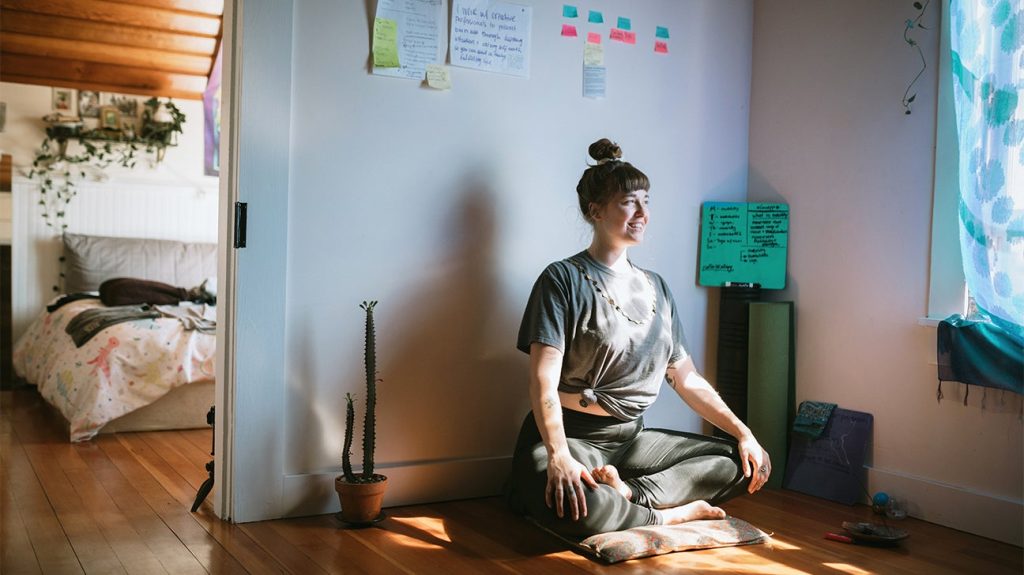
Mindfulness, on the other hand, encourages living in the present moment and fosters greater awareness of one’s thoughts and feelings. This can facilitate emotional regulation and resilience, enabling women to respond to life’s challenges rather than react impulsively. Incorporating meditation into daily routines can be made easier with the assistance of various mobile applications, such as Headspace or Calm, which offer guided sessions tailored for beginners and seasoned practitioners alike.
Physical Activity as a Form of Self-Care
Physical activity is another powerful tool in the self-care arsenal. Studies have shown that regular exercise can alleviate symptoms of depression and anxiety, fostering improved mood and emotional strength. Exercise, whether through cardio workouts, yoga, or even a simple walk in nature, releases endorphins, commonly referred to as “feel-good” hormones, which can greatly enhance one’s emotional state. Furthermore, engaging in group fitness classes or participating in community sports can also create a sense of camaraderie and support, helping women feel connected and empowered.
- Yoga: This mind-body practice combines physical postures, breathing techniques, and meditation. It not only improves physical health but also enhances mental clarity and emotional resilience.
- Dance: Many women find joy and self-expression through dance, making it an enjoyable way to exercise while also boosting one’s mood.
- Walking or Jogging: Simply walking or jogging in your local park offers a chance to enjoy nature and clear your mind while keeping fit.
Nourishing the Body with Healthy Nutrition
Another critical component of self-care that directly influences emotional resilience is maintaining healthy nutrition. What we put into our bodies can significantly affect our mental health. Consuming a balanced diet rich in essential nutrients is vital to modulating mood and energy levels. Foods high in omega-3 fatty acids, such as fish, nuts, and seeds, have garnered attention for their role in reducing depressive symptoms.
Incorporating a variety of fruits, vegetables, whole grains, and lean proteins into daily meals can provide the nourishment needed for optimal brain function. Consider exploring community-supported agriculture (CSA) programs or farmer’s markets for fresh, local produce, making it easier and more engaging to prepare nourishing meals.
By embracing these self-care practices, women can not only improve their overall well-being but also build a robust foundation for emotional resilience. In the following sections, we will further explore how these practices can be personalized, helping women to establish a sustainable self-care regimen that fits their unique lifestyles and needs.
| Self-Care Practice | Emotional Resilience Benefits |
|---|---|
| Mindfulness Meditation | Increases self-awareness and reduces anxiety. |
| Physical Exercise | Releases endorphins, leading to improved mood and reduced stress. |
| Journaling | Enhances emotional processing and clarity of thought. |
| Building Support Networks | Fosters a sense of belonging and shared experience. |
Each self-care practice mentioned here plays a pivotal role in strengthening emotional resilience among women. For instance, mindfulness meditation is not just a trend; it serves as a powerful tool to foster self-awareness, helping individuals remain calm amid emotional storms. Furthermore, engaging in physical exercise, whether yoga or running, significantly contributes to the release of endorphins, effectively lifting spirits and easing the mind.Additionally, journaling emerges as a profound method to articulate feelings, aiding women in untangling complex emotions, and thus fostering greater emotional health. By prioritizing building support networks, women create spaces where shared experiences lead to mutual understanding and resilience against life’s challenges.These self-care practices extend beyond mere hobbies; they embody fundamental strategies that empower women to nurture their emotional well-being, allowing them to navigate life’s ebbs and flows with greater ease and confidence.
DIVE DEEPER: Click here to discover the connection
The Power of Connection and Community
In addition to individual self-care practices, social connection plays a crucial role in maintaining emotional resilience. Women often thrive in environments where they feel supported and connected to others. Building and nurturing a strong support system can mitigate feelings of isolation, enhance self-esteem, and create a buffer against life’s stressors. Engaging with friends, family, or support groups can provide the emotional sustenance necessary during challenging times.
Organizing regular catch-ups with friends, whether in-person or virtually, can foster deep connections that reinforce emotional well-being. Community organizations or local groups centered around shared interests—like book clubs, volunteer organizations, or craft sessions—offer women ways to engage, connect, and grow together, creating a sense of belonging. Moreover, the act of giving back, such as volunteering at a local shelter or community garden, has been shown to bolster self-esteem and provide a profound sense of purpose.
Journaling for Reflection and Growth
Journaling is another impactful self-care practice that women can incorporate to enhance emotional resilience. This accessible and personal method of expression invites individuals to articulate their thoughts, emotions, and experiences in a safe space. By regularly writing down feelings, women can gain insights into their emotional patterns, facilitating better understanding and processing of their experiences.
Research shows that expressive writing can help in reducing anxiety and stress. Setting aside a few moments each day to reflect on daily occurrences, gratitudes, or even to vent frustrations can cultivate a strong emotional outlet. Different journaling techniques, such as gratitude journals or bullet journaling, can also keep the practice engaging and tailored to personal preferences. These methods not only spark creativity but also encourage a more positive outlook on life.
- Gratitude Journals: Focusing on the positive aspects of life encourages an optimistic mindset and strengthens resilience over time.
- Reflective Writing: Allowing oneself to explore deeper emotions and events can lead to greater self-awareness and emotional clarity.
- Creative Journaling: Incorporating art, doodling, or quotes allows for more freedom of expression and can be particularly therapeutic for visual thinkers.
Establishing Healthy Boundaries
Another essential, yet often overlooked, self-care practice is the establishment of healthy boundaries. Women frequently find themselves in caretaking roles, whether it be for children, partners, or parents, and it is vital to recognize when to say no in order to protect one’s emotional space. Setting limits on commitments allows for personal time and energy to recharge, thus preserving emotional reserves for when they are truly needed.
Learning to communicate needs effectively, whether at work, in friendships, or within family dynamics, is key to asserting boundaries without guilt. Workshop resources, therapists, and local courses can provide tools and techniques to help women navigate this endeavor. Understanding that creating boundaries is a form of self-respect fosters healthier relationships and contributes significantly to emotional resilience.
By embracing these diverse self-care practices, women can cultivate an environment where emotional resilience thrives. The journey to emotional robustness is deeply personal and can be tailored to fit individual needs and lifestyles, enabling women to handle life’s ups and downs with greater ease and confidence.
DISCOVER MORE: Click here to learn about the effects of hormonal imbalance
Conclusion: Empowering Women through Self-Care
In a world that often demands much from women, prioritizing self-care practices has never been more essential in strengthening emotional resilience. By embracing social connections, journaling for reflection, and establishing healthy boundaries, women can significantly enhance their emotional well-being. Engaging with supportive communities not only alleviates feelings of isolation but also cultivates powerful networks that offer encouragement and understanding during difficult times.
Furthermore, the act of journaling serves as a transformative tool for personal growth, enabling women to process their emotions and gain clarity. Creating a personalized journal practice, whether through gratitude lists or reflective writing, not only fosters a deeper appreciation for life but also equips women with the skills to navigate challenges with grace.
Setting and maintaining healthy boundaries empowers women to protect their emotional space, ensuring they have the necessary time and energy to recharge. Recognizing that saying no is a form of self-respect can lead to healthier relationships and a more balanced life.
Ultimately, adopting these self-care strategies is not merely a trend; it is a lifelong commitment to self-love and resilience. As women embrace these practices, they not only enhance their individual emotional fortitude but also inspire others to do the same. By championing self-care, women can build a supportive culture that emphasizes well-being, proving that taking care of oneself is a vital step towards thriving amidst life’s inevitable ups and downs.