
The Impact of Physical Activity on Women’s Self-Perception
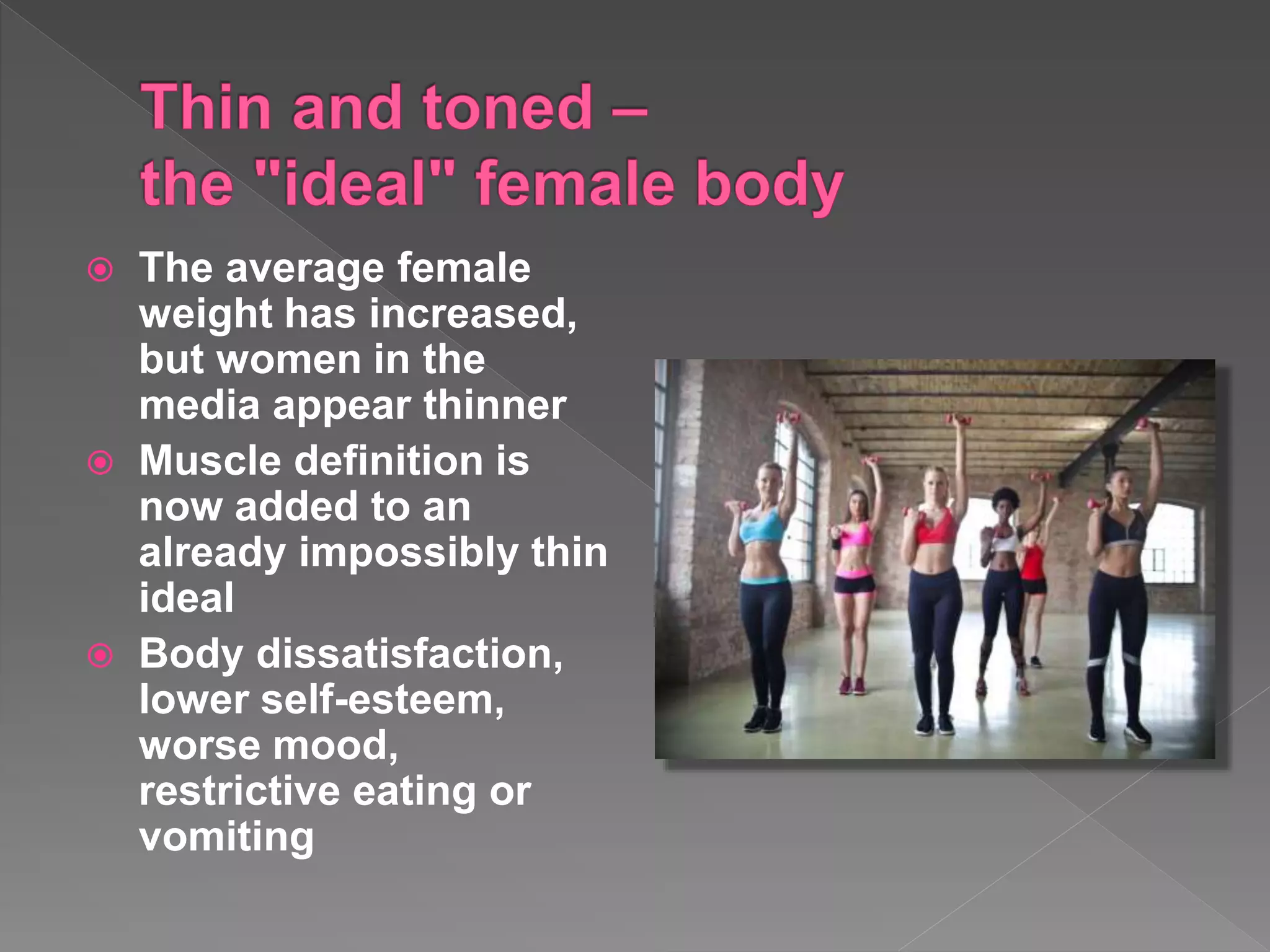
In today’s fast-paced world, the importance of physical activity transcends mere physical fitness; it plays a transformative role in shaping women’s self-esteem and overall body image. With the rise of social media and pervasive beauty standards, many women are continuously grappling with unrealistic expectations about their appearance. However, engaging in regular exercise can significantly alter how women view themselves, cultivating a strong sense of empowerment and self-confidence.
Research indicates that the benefits of exercise extend far beyond physical conditioning. Here are several key ways in which physical activity contributes to improved self-esteem and body image:
- Release of Endorphins: Exercise is known to produce a surge in endorphin levels, often referred to as “feel-good” hormones. These biochemicals are crucial in combating stress and anxiety, leading to heightened feelings of happiness and euphoria. For example, a brisk walk or a high-energy dance class doesn’t just tone muscles but also elevates mood, making participants feel more positive about themselves.
- Achievement of Goals: Setting fitness goals, whether it’s completing a 5K run, mastering a challenging yoga pose, or lifting heavier weights, can significantly boost women’s self-worth. Achieving these milestones fosters resilience and a sense of accomplishment, empowering them to face challenges in other aspects of life. For instance, the story of countless women who have transformed their lives through training for marathons exemplifies this point, as the journey often leads to newfound confidence and personal strength.
- Body Appreciation: Contrary to society’s narrow definitions of beauty, regular physical activity emphasizes the functional capabilities of the body. For instance, women who engage in weight training often begin to appreciate their bodies for their strength and abilities rather than their perceived flaws. This shift in focus allows for a healthier relationship with their bodies, where they recognize that their worth is not solely tied to appearance.
The societal pressures of contemporary beauty standards can be overwhelming. However, incorporating exercise into daily routines acts as a powerful counterbalance, helping women redefine their relationship with their bodies and cultivate a more positive self-image. Community fitness classes offer supportive environments where women encourage one another, fostering friendships and reinforcing the idea that value lies in collaboration and shared experiences, rather than comparison.
As we delve into these nuanced relationships, it becomes increasingly clear that the connection between physical activity and mental well-being is intricate and profound. By prioritizing exercise, women not only enhance their physical fitness but also embark on a journey of self-discovery and self-acceptance, leading to a more positive outlook in life.
DISCOVER MORE: Click here to learn about the impact of hormonal imbalance
Empowering Women Through Movement
The role of exercise in enhancing women’s self-esteem and body image extends into multiple dimensions, intertwining physical well-being with psychological health. One significant aspect to consider is the inherent relationship between regular physical activity and the development of body positivity. According to a study published in the journal ‘Body Image,’ women who engage in exercise on a consistent basis tend to report a more favorable body image compared to those who are less active. This correlation suggests that the act of moving one’s body can serve as a pathway to nurturing a more accepting attitude toward its form and function.
Moreover, engaging in regular physical activity fosters a sense of belonging and community, particularly through group exercise environments. From Zumba classes to female-only boot camps, these supportive spaces allow women to bond over shared fitness experiences, reinforcing the idea that health and wellness are collective journeys rather than solitary endeavors. Here are a few ways in which these communities amplify self-esteem:
- Support and Motivation: Working out alongside peers provides encouragement, making women feel less isolated and more capable of overcoming challenges. Individuals often find strength in witnessing the progress of others, which can light the motivational spark needed to push through personal barriers.
- Positive Reinforcement: Community fitness groups often celebrate each member’s achievements, no matter how small they may seem. This culture of recognition can have a tremendous impact on an individual’s perception of themselves, building confidence and a sense of worth.
- Elimination of Comparison: Being surrounded by diverse body types helps diminish unrealistic beauty standards. Women’s fitness groups typically prioritize personal growth and health over aesthetic comparisons, encouraging participants to focus on their unique journeys rather than striving for a narrow ideal.
Furthermore, the role of muscle strength in reshaping body image cannot be understated. Studies have shown that women who participate in strength training often report higher levels of self-esteem. As they progress in their workouts, they not only notice physical transformations—such as increased strength and toned muscles—but they also develop a newfound sense of power and capability. For instance, successfully lifting weights or completing a challenging workout can instill a sense of achievement that reverberates throughout other aspects of life, reinforcing the belief that they can overcome obstacles.
These interconnected benefits illustrate that exercise transcends mere physicality; it serves as a vehicle for tangible change in women’s self-perception. As women engage with their bodies in empowering ways, they often find that their self-esteem flourishes, giving rise to a more positive body image that is resilient against external societal pressures.
The Role of Exercise in Women’s Self-Esteem and Body Image
Exercise plays a crucial role in enhancing women’s self-esteem and body image, as it is intrinsically linked to physical, mental, and emotional health. Engaging in regular physical activity leads to notable improvements in confidence levels and body perception, which are vital for overall well-being. Research shows that women who incorporate exercise into their daily routines are more likely to experience positive body image and greater self-acceptance.One of the significant advantages of exercise is its ability to increase the release of endorphins, often referred to as the “feel-good” hormones. These endorphins help alleviate feelings of anxiety and depression, effectively boosting mood and contributing to enhanced mental health. Furthermore, regular physical activity provides a sense of accomplishment as women set and achieve fitness goals, fostering a positive self-image.Moreover, participation in physical exercise can lead to significant changes in body composition, reinforcing the importance of adopting a healthy lifestyle. As women become more engaged in their fitness journeys, they often start to view their bodies’ capabilities rather than merely focusing on appearance. This shift in perspective can profoundly impact self-esteem, encouraging a healthier relationship with oneself.Social interactions gained through group workouts or fitness classes can further contribute to improving self-esteem, as they foster a sense of community and belonging. Women often find support and encouragement from peers, reinforcing positive feelings and shared experiences.To delve deeper into how exercise shapes perceptions of self-worth and physical appearance, the following table highlights the advantages of exercise in promoting women’s self-esteem and body image.
| Advantages | Impact on Self-Esteem |
|---|---|
| Increased Body Confidence | Women feel empowered as they achieve fitness milestones. |
| Stress Reduction | Exercise lowers symptoms of anxiety and boosts mood. |
| Social Connections | Group activities nurture a sense of belonging and support. |
| Shift in Body Perception | Focus on health and performance over aesthetics. |
Each of these advantages illustrates how incorporating exercise into daily life not only enhances physical fitness but serves as a powerful tool for uplifting women’s self-esteem and body image. By embracing exercise as a part of their routine, women can unlock a newfound confidence that positively impacts various areas of their lives. It’s essential to recognize that every step taken toward fitness is a step toward realizing one’s full potential and fostering a healthier relationship with oneself.
DISCOVER MORE: Click here to learn about the benefits of strength training
The Psychological Benefits of Fitness
Delving deeper into the psychological benefits of exercise, it becomes apparent that physical activity influences not only the body but also the mind. The practice of regular exercise has been shown to reduce feelings of anxiety and depression, fostering improved mental health that is closely linked to enhanced self-esteem. According to a meta-analysis published in the journal ‘Psychological Bulletin,’ individuals who engage in regular physical activity report a significant decrease in symptoms of anxiety and depression, which in turn contributes to a more positive self-image.
A noteworthy aspect is the role of endorphins, often referred to as “feel-good” hormones, released during exercise. These natural chemicals can elevate mood and promote a sense of well-being. When women engage in physical activities, the subsequent release of endorphins can lead to immediate feelings of happiness, thereby reinforcing their self-worth and body acceptance. Regularly participating in exercises that elevate heart rates—like running, cycling, or dancing—not only provides these biochemical benefits but also integrates a spirit of enrichment into daily life.
Moreover, setting and achieving fitness goals can serve as excellent confidence boosters. The process of striving towards, and ultimately reaching, specific fitness milestones—whether it’s completing a 5K run, mastering a new yoga pose, or lifting heavier weights—instills a sense of accomplishment. This success translates into broader areas of life; as women gain confidence in their physical abilities, they often find it spills over into their professional and personal endeavors. Independence in pursuing fitness goals reinforces a sense of agency and belief in oneself.
Furthermore, the fostering of mindfulness through practices such as yoga or Pilates offers profound benefits for self-esteem and body image. Engaging in mindfulness-based exercise encourages participants to connect with their bodies in a non-judgmental way, thereby promoting self-compassion. Research published in the journal ‘Body Image’ indicates that women who practice yoga often report higher levels of body appreciation and self-acceptance. This becomes essential, as appreciating one’s unique body enhances self-esteem and cultivates a positive self-image.
In the context of societal pressures, exercise can act as an antidote. Many women experience critiques about their bodies through social media and traditional media channels, which can distort body image perceptions. Engaging in physical activity provides an alternative lens, allowing women to embrace their bodies for what they are capable of accomplishing rather than how they appear. This shift in focus from appearance to functionality can profoundly impact how women perceive themselves, aligning their self-esteem with personal achievements rather than external validation.
Lastly, the creator of fitness programs increasingly recognizes the importance of inclusive environments in exercise. Initiatives aimed at creating adaptive workouts and body positivity campaigns resonate with women of all shapes and sizes, allowing a broader spectrum of individuals to participate. By fostering inclusivity in fitness, these communities become safe havens where women can express themselves without fear of judgment, further fortifying their self-esteem and body image.
LEARN MORE: Click here to discover the vital link between nutrition and women’s mental health
Conclusion
In conclusion, the role of exercise in enhancing women’s self-esteem and body image cannot be overstated. Through a multifaceted approach that embraces both physical and mental wellness, exercise emerges as a powerful tool for fostering confidence and self-acceptance. The psychological benefits associated with regular physical activity create a positive feedback loop, where women not only feel better mentally but also begin to see their bodies through a more empowering lens.
Furthermore, the physiological release of endorphins during exercise, combined with the fulfillment of achieving personal fitness goals, significantly enhances self-worth. By shifting the focus from societal standards of beauty to functionality and capability, women are able to redefine their self-image, recognizing their strength and resilience.
As evidenced by research, inclusive fitness environments and communities play a crucial role in promoting body positivity. By welcoming women of all shapes and sizes, these spaces cultivate a culture of acceptance and encouragement, allowing individuals to thrive without judgment. This sense of belonging further reinforces positive body image and self-esteem, underpinning the importance of community in fitness journeys.
Ultimately, embracing exercise as a fundamental aspect of well-being paves the way for women to view their bodies not merely as objects of scrutiny but as vessels of strength and achievement. As awareness grows about the psychological and social benefits of physical activity, it becomes imperative for women to integrate exercise into their lives—not just for physical health, but as a vital cornerstone for nurturing a richer, more confident self.