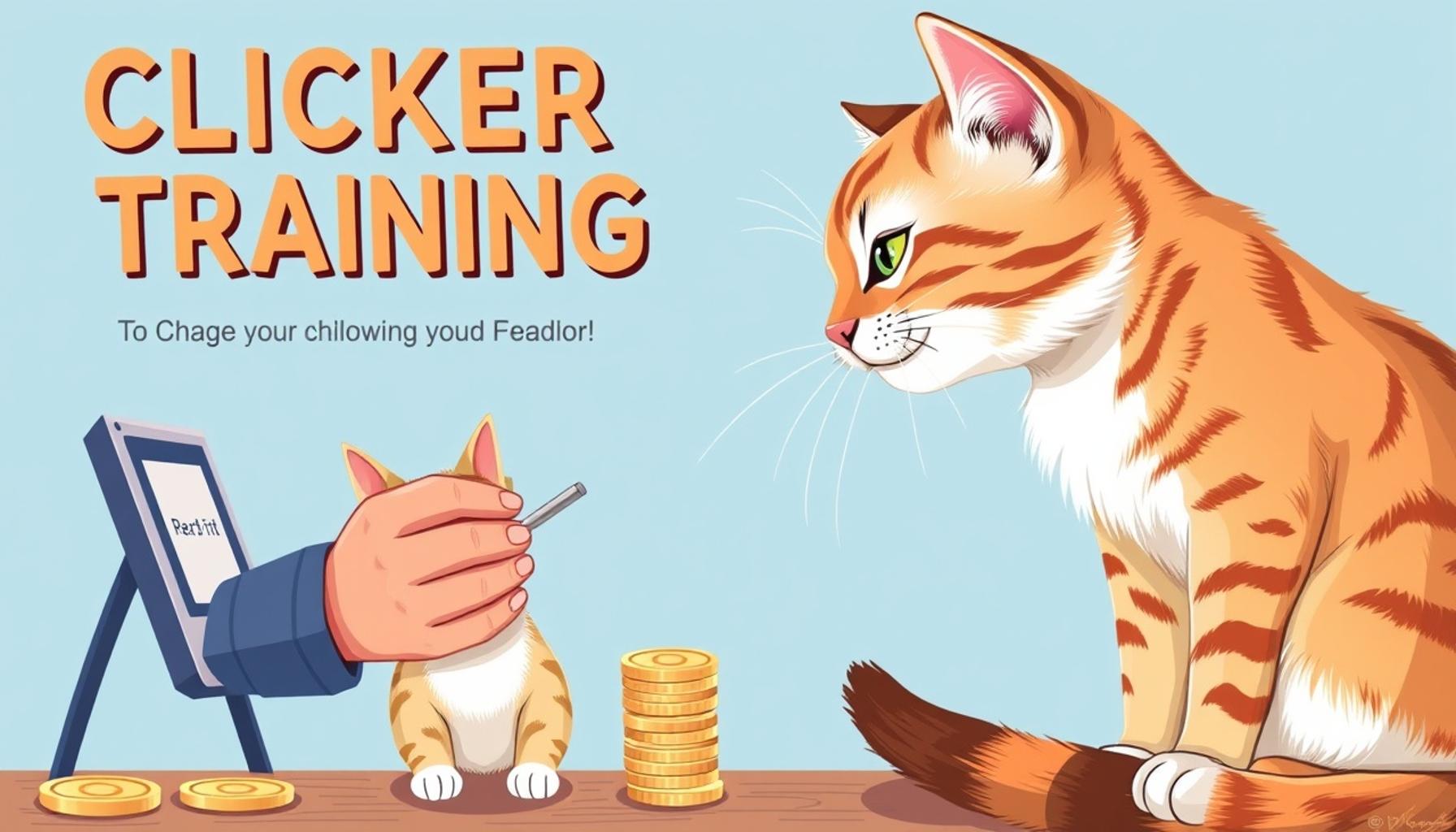
The Role of Enrichment Activities in Promoting Pet Wellness and Training
The Significance of Enrichment Activities for Pets
In the modern era of pet ownership, enrichment activities are recognized not only as a passing fad but as essential tools for fostering optimal wellness and effective training protocols. These activities are integral in providing pets with both mental and physical stimulation, greatly impacting their overall happiness. The investment of time and effort into enrichment can transform the everyday lives of pets, leading to improved behavior patterns and deeper bonds between them and their owners.
Enrichment can take on various forms, each tailored to suit different types of pets and their unique personalities. Here are some popular activities:
- Interactive Toys: Toys designed for engagement, such as puzzle feeders that require pets to solve challenges to access treats, stimulate a pet’s cognitive functions. These toys not only entertain but also enhance problem-solving abilities, which are crucial for their development.
- Training Sessions: Frequent training not only imparts fundamental commands like “sit” or “stay” but also reinforces trust and communication between pet and owner. These sessions can include agility training, trick training, or even basic obedience, leading to a fulfilling experience.
- Socialization Opportunities: Regular interaction with other pets, through dog parks or pet-friendly events, can significantly improve a pet’s social skills. This exposure helps curb anxiety tendencies and fosters a sense of confidence in diverse environments.
The advantages of integrating enrichment activities extend far beyond mere entertainment. They play a pivotal role in:
- Reducing Behavioral Issues: Engaging pets in constructive and stimulating activities can effectively channel their energy. For instance, a dog that may have previously chewed furniture out of boredom might find satisfaction in a simple game of fetch or tug-of-war.
- Enhancing Physical Health: Active play is instrumental in maintaining a pet’s fitness levels. Regular physical activity not only helps combat obesity but also supports cardiovascular health and strengthens muscles.
- Boosting Mental Well-Being: Mental challenges can alleviate feelings of boredom and anxiety. Games that require cognitive engagement, such as hide-and-seek games with treats, can keep a pet’s mind sharp and focused.
As awareness of the significance of enrichment activities increases among pet owners, the next question is: how do we incorporate them effortlessly into daily life? From dedicating a few minutes a day to training sessions with your dog to creating scavenger hunts for your cat, exploring effective enrichment activities can unlock a new realm of pet care. By committing to regularly scheduled engaging activities, pet owners can foster an enriching environment that benefits not only the animal but the entire household.
Understanding the Dimensions of Pet Enrichment
Engaging in enrichment activities is far more than a pastime; it is a fundamental aspect of fostering a harmonious home for pets and their owners alike. These activities provide the foundation for both wellness and training, with long-lasting benefits that impact every facet of a pet’s life. By delving into the fundamental elements of enrichment, it becomes clear how these endeavors enhance the quality of life for our furry companions.
To truly appreciate the role of enrichment, it’s essential to understand the various dimensions it encompasses. The primary components include:
- Cognitive Stimulation: Activities that challenge a pet’s mind can significantly enhance their cognitive abilities. Engaging puzzles, scent work, and even interactive games can improve focus and critical thinking skills. A study from the American Humane Society showed that cognitive enrichment is linked to longer attention spans in dogs, highlighting its importance for mental development.
- Physical Activity: As with humans, physical activity is a cornerstone of a pet’s health. Regular exercise not only prevents obesity but also keeps muscles toned and joints healthy. Activities like agility courses or simply playing fetch offer outlets for energy, resulting in happier, more balanced pets.
- Emotional Well-Being: Pets, much like us, experience emotions, and enrichment activities can ease feelings of anxiety and stress. Whether it’s through socialization with other animals or participation in group classes, these opportunities help pets develop confidence and reduce behavioral problems stemming from fear or uncertainty.
Moreover, understanding the specific needs of different pet species is crucial. For instance, while dogs may thrive on physical activities and social interaction, cats might benefit more from mental challenges and environmental enrichments, such as scratching posts or climbing structures. This tailoring ensures that enrichment strategies are both effective and engaging.
According to veterinary professionals, the absence of enrichment can lead to an array of negative behaviors, ranging from excessive barking and destruction of household items in dogs, to stress-related conditions in cats. Therefore, implementing regular enrichment is not just beneficial; it is essential for preserving the health and happiness of pets.
As pet owners explore the numerous avenues for implementing enrichment, it’s worth considering what their own pets gravitate toward. Identifying personal preferences can lead to an extraordinary array of activities designed to enliven a pet’s daily life. Embracing this journey of discovery can lead to stronger bonds, trust, and overall happiness for both pet and owner.
| Category | Details |
|---|---|
| Physical Engagement | Enrichment activities such as agility training and interactive play promote physical wellness by encouraging pets to exercise and stay active. |
| Mental Stimulation | Activities like puzzle toys and scent games enhance cognitive skills, preventing boredom and related behavioral issues. |
| Socialization | Group classes and pet playdates foster social skills and reduce anxiety in pets, making them more adaptable. |
| Emotional Health | Enrichment activities boost confidence and emotional wellness by creating positive experiences and strengthening the bond between pets and their owners. |
Further exploring the effects of enrichment activities reveals their multifaceted nature. For example, agility training not only enhances physical agility but also deepens the bond between pets and their owners through shared accomplishments. Additionally, engaging in mental stimulation through interactive toys can alleviate stress, proving pivotal in maintaining a pet’s overall well-being. Moreover, as pets engage with other animals during socialization exercises, they develop essential communication skills that enhance their adaptability in various environments. The holistic benefits of such activities are clear, emphasizing the importance of integrating them into routine pet care. As more pet owners embrace these practices, the conversation continues to grow around the significance of enrichment activities in fostering a healthier, more balanced life for pets.
The Impact of Enrichment on Behavioral Training
Enrichment activities play a crucial role not just in enhancing pet wellness but also in paving the way for effective behavioral training. By actively engaging pets in enriching experiences, owners can simultaneously teach vital skills and correct unwanted behaviors. This multifaceted approach can turn the mundane into the exceptional, fostering an environment where training becomes a fun game rather than a chore.
A noteworthy example of how enrichment aids training comes from the field of positive reinforcement. When pets are provided with stimulating toys or puzzles that require them to think critically to receive a reward, such as a treat, they not only improve their problem-solving skills but also strengthen their desire to learn. This simple yet effective method utilizes natural instincts, helping pets understand the cause-and-effect relationship between their actions and the rewards they receive. Moreover, studies have indicated that pets trained using enrichment activities exhibit higher levels of enthusiasm during training sessions, proving that a little fun can go a long way in achieving desired results.
Additionally, enrichment activities, particularly those that focus on socialization, yield significant benefits in behavioral training. Interactions with various animals and humans help pets develop crucial social skills, reducing the likelihood of anxiety-driven reactions or aggression. For instance, dogs exposed to regular playgroups or canine classes often display improved behavior when encountering unfamiliar situations, as these experiences build their self-confidence. Similarly, kittens and cats that are given opportunities to interact with different stimuli—like new toys or environments—can become well-adjusted pets, better equipped to handle changes that may arise in their homes.
It is also crucial to recognize that enrichment activities can be tailored for addressing specific behavioral challenges. For example, a dog prone to destructive behavior when left alone can benefit significantly from puzzle toys that keep their mind occupied and prevent them from engaging in unwanted actions. Cats, on the other hand, may require vertical climbing spaces to explore, preventing restlessness and reducing the likelihood of aggressive behaviors arising from boredom.
Technology in Enrichment and Training
The advent of technology has opened new avenues for pet owners seeking to incorporate enrichment into their pet’s training regime. High-tech products, such as automatic treat dispensers and remote-controlled toys, allow for continuous engagement even when owners are away. These tools can be particularly beneficial for working pet parents who want to ensure their pets are not only entertained but also mentally stimulated during their absence. For instance, using mobile apps that set intervals for play or rewarded challenges can significantly enhance cognitive engagement while keeping the training experience fresh and exciting.
Moreover, virtual training platforms now provide pet owners with access to expert advice and structured training programs that include enrichment activities. Options range from online classes in agility training to virtual playdates with other pets. Such resources contribute to a community that recognizes the value of enrichment activities in enhancing the lives of pets, further encouraging owners to adopt practices that promote health and training.
The evidence is clear: integrating enrichment activities into a pet’s daily routine can remarkably elevate not just their physical health, but also their training effectiveness. By blending wellness with behavioral training through exciting and tailored approaches, pet owners can create a nurturing environment that fosters growth, resilience, and emotional well-being.
Conclusion
Incorporating enrichment activities into a pet’s routine can significantly enhance both wellness and behavioral training. This holistic approach not only addresses the physical needs of pets through play and exploration but also nurtures their mental health, ultimately leading to better behavior and a stronger bond between pets and their owners. Engaging pets in stimulating activities fosters a sense of happiness and reduces stress, making the training process smoother and more enjoyable for everyone involved.
As highlighted in this article, the benefits of enrichment extend far beyond mere entertainment. These activities can aid in correcting unwanted behaviors, enhancing problem-solving skills, and facilitating socialization, which is crucial for emotional stability. Moreover, with the integration of modern technology, pet owners now have access to a plethora of innovative solutions that can keep their pets both entertained and engaged, ensuring a conducive learning environment even in their absence.
Ultimately, the synergy of enrichment activities and training cultivates a thriving atmosphere where pets can flourish. By embracing this multifaceted approach, pet owners are not just training their pets; they are investing in their long-term well-being and happiness. Therefore, it is pivotal for pet owners to actively seek out creative and diverse enrichment opportunities to fully realize the potential of their furry companions. This dual focus on wellness and training can pave the way for healthier and happier pets, transforming the dynamics of pet ownership into a fulfilling journey of companionship.