
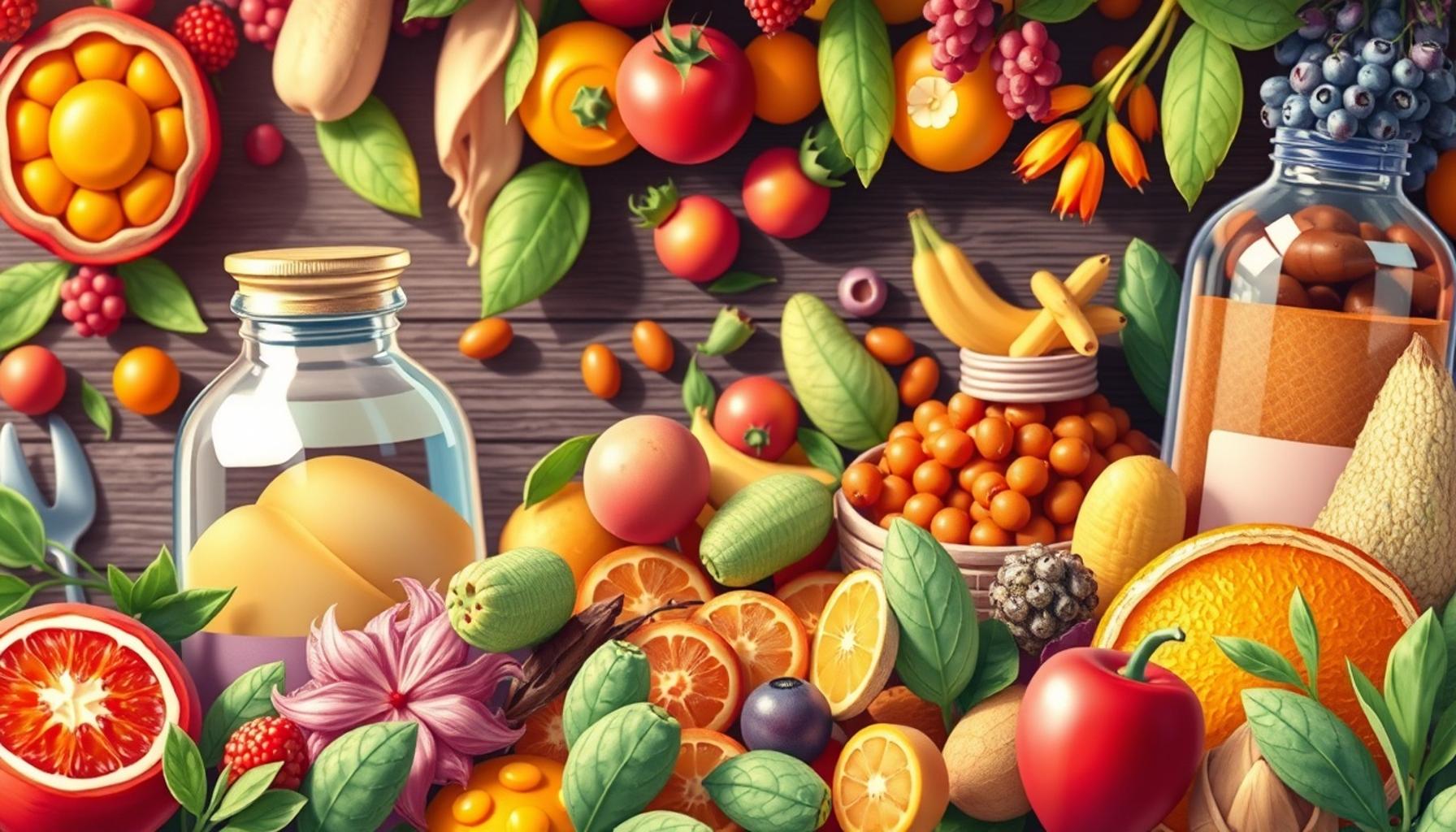
Understanding the Shift Towards Natural Ingredients in Beauty Products
The cosmetic industry is undergoing a transformative shift as consumers increasingly prioritize products that emphasize natural ingredients. The burgeoning awareness regarding the ingredients in beauty formulations reflects a broader movement toward health consciousness and eco-friendliness. More and more individuals are opting for beauty products made with plant-based components, leaving behind synthetic alternatives laden with unknown chemicals.
But what specifically accounts for this shift towards natural formulations? Here are several compelling reasons:
- Skin Compatibility: Natural ingredients such as aloe vera, coconut oil, and shea butter are renowned for their gentle properties. These components often have fewer irritants compared to traditional offerings, making them suitable for a wider range of skin types, including sensitive and allergy-prone skin. For instance, many individuals report fewer breakouts and irritation when switching to products formulated with calendula or chamomile instead of harsh synthetic additives.
- Environmental Impact: The beauty industry’s move towards sustainability involves not just the use of natural ingredients, but also the sourcing of materials in eco-friendly ways. Ingredients like argan oil and shea butter are often harvested through fair trade practices, which support local communities while promoting biodiversity. Additionally, many brands are now utilizing biodegradable packaging to further reduce their environmental footprint.
- Transparency: Today’s consumers demand accountability and clarity from the brands they choose. Many prefer products that are free from synthetic chemicals, parabens, and sulfates, relying instead on transparent labeling practices that elucidate what’s inside. For example, brands that use clear, simple descriptions of their natural ingredients and their benefits often attract a loyal following eager for products they can trust.
Despite their many advantages, the rise of natural beauty products is accompanied by notable challenges:
- Stability Issues: Natural formulas can have a shorter shelf life compared to conventional products, due to the absence of synthetic preservatives. Consequently, brands must carefully balance natural preservation with efficacy, creating formulations that remain effective for consumers without compromising safety.
- Effectiveness: Some consumers harbor skepticism regarding the potency of natural ingredients, often questioning whether they can compete with the scientifically engineered counterparts. This doubt can be mitigated through education and research, illustrating the benefits and documented efficacy of ingredients like jojoba oil and tea tree oil.
- Cost Factors: The sourcing of high-quality natural ingredients can lead to increased production costs, which are often passed on to consumers. This can result in products that are priced higher than their synthetic alternatives, deterring some buyers. Nevertheless, many consumers view the investment in natural products as worthwhile, considering the long-term benefits to both their skin and the planet.
In navigating this vibrant landscape of natural beauty products, it is essential for consumers to remain informed. By understanding the multitude of options available, as well as the accompanying ethical and environmental considerations, individuals can select products that not only nurture their skin but also align with their values. As the demand for natural ingredients continues to evolve, the quest for beauty and sustainability becomes intricately linked, inviting consumers to explore a more conscious approach to their beauty regimen.
DISCOVER MORE: Click here to enhance your skincare routine
Benefits of Natural Ingredients in Beauty Products
The incorporation of natural ingredients into beauty products offers a myriad of benefits that resonate deeply with consumers today. This shift is not just a passing trend; it reflects a fundamental change in how individuals perceive skincare and cosmetics. Many beauty enthusiasts recognize that the origin of the ingredients may play a crucial role in both the effectiveness and safety of the products they use. Here are some key advantages driving the increasing popularity of natural formulations:
- Healthier Skin: One of the most appealing advantages of natural beauty products is their gentleness on the skin. Ingredients derived from nature, such as avocado oil, honey, and green tea, provide essential nutrients and antioxidants. This can translate to improved skin health, radiance, and hydration. For instance, consumers often find that natural serums infused with vitamin C from fruit extracts can produce brighter, more even-toned skin without the irritation sometimes associated with harsh chemicals.
- Reduced Allergic Reactions: With synthetic substances prevalent in many mainstream products, allergic reactions are becoming increasingly common. The use of natural ingredients mitigates this risk, as they generally contain fewer irritating components. For individuals with sensitive skin, opting for products featuring oatmeal or chamomile can lead to fewer adverse reactions and a more comfortable daily skincare routine.
- Enhanced Sensory Experience: Natural ingredients often come with delightful fragrances and textures that enhance the overall experience of using beauty products. For example, the warm scent of essential oils like lavender or rosemary not only uplifts the senses but can also promote relaxation and improve mood during application. This sensory aspect transforms a simple skincare ritual into a luxurious experience.
Consumer Awareness: Today’s informed consumers are more proactive about what goes onto their skin. They seek transparency from brands regarding the sourcing and processing of ingredients. Natural beauty brands often highlight their commitment to ethical sourcing and environmentally friendly practices. Brands that prioritize natural formulations often engage in detailed storytelling about their ingredients, which helps build a connection with consumers. This insight allows them to make empowered choices that align with values of sustainability and health.
Challenges in Sourcing and Using Natural Ingredients
Despite their myriad benefits, the integration of natural ingredients in beauty products is not without challenges. The very qualities that make these ingredients appealing can also create obstacles for brands looking to fulfill consumer demand:
- Sourcing Quality Ingredients: The quest for high-quality natural ingredients can sometimes be fraught with difficulties. Fluctuations in agricultural yields, environmental changes, and ethical labor practices can impact the availability of key ingredients. Brands must continually navigate these challenges to ensure consistent product quality and sustainability.
- Consumer Education: While the awareness of natural beauty products is growing, some consumers remain unfamiliar with their efficacy. Misinformation about natural ingredients can create skepticism around their effectiveness, leading consumers to favor traditional synthetic products that they perceive as more reliable. Bridging this knowledge gap is vital for the industry’s growth and consumer acceptance.
- Market Saturation: As natural products gain popularity, the market becomes increasingly saturated with options. Differentiating products and establishing a meaningful connection with consumers amidst this clutter can be daunting for brands. Innovative marketing and authentic storytelling become imperative for brands to carve out their niche in the competitive beauty landscape.
As the rise of natural ingredients continues to shape the beauty market, brands and consumers alike must navigate these complexities with a mindset focused on both beauty and sustainability. Embracing the journey of discovering natural beauty products presents opportunities for education, awareness, and ultimately, informed choices that resonate with personal values.
The Importance of Natural Ingredients in Beauty Products: Benefits and Challenges
As consumers become increasingly conscious about what they apply to their skin, the beauty industry has experienced a significant shift towards using natural ingredients. This trend is not merely a passing fad but reflects a deeper understanding of the benefits these ingredients can offer. Many are seeking out products that harness the power of nature, avoiding synthetic chemicals that may cause harm in the long run. The appeal of natural ingredients lies in their potential to enhance skin health holistically, improve texture, and provide nourishment through vitamins and minerals.
Natural ingredients, such as botanical extracts, essential oils, and organic compounds, are known for their gentle efficacy on the skin. For instance, ingredients like aloe vera have soothing properties, while lavender oil is celebrated for its calming effects. These attributes not only boost skin health but also contribute to the overall sensory experience of beauty products. Consumers looking for sustainable options find that natural products often align with their ethical standards, promoting eco-friendliness along with personal care.
However, the rush towards natural formulations is not without challenges. One must consider the stability and shelf life of products made with natural ingredients. Without preservatives, these products may have a shorter lifespan, requiring consumers to pay closer attention to expiration dates. Additionally, while many natural ingredients boast impressive credentials, they can also cause allergic reactions in sensitive individuals. This underlines the need for transparency in labeling to ensure consumers are well-informed.
In the quest for beauty that’s both effective and pure, the exploration of natural ingredients continues to captivate consumers and brands alike. However, as they dive deeper into this realm, it becomes essential to balance benefits with associated challenges, prompting further investigation and awareness about ingredient origins and formulations.
| Category | Key Features or Characteristics |
|---|---|
| Benefits of Natural Ingredients | Enhances skin health, reduces allergic reactions, offers eco-friendly options. |
| Challenges | Shorter shelf life, potential for allergic reactions, need for transparency. |
DIVE DEEPER: Click here to discover more
Regulatory and Labeling Challenges
Another layer of complexity in the realm of natural ingredients involves regulatory standards and labeling practices. The beauty industry operates under a framework of regulations that can vary widely from one country to another, and even within the United States, the guidelines for what can be labeled as “natural” are ambiguous at best. For consumers seeking transparency and authenticity, this lack of stringent labeling standards can be misleading. Brands may market their products as “natural” even if they contain only a minimal percentage of natural ingredients, while heavily relying on synthetic additives.
- Regulatory Gaps: In the U.S., the term “natural” remains largely unregulated by the FDA, which means that companies can define it in various ways. This inconsistency not only creates confusion among consumers but also can erode trust. For example, while a product may boast a clear majority of ingredients sourced from nature, the presence of even a small number of synthetic additives could lead some consumers to question the overall integrity of the formulation.
- Labeling Transparency: The demand for transparency extends beyond ingredient sourcing to include the manufacturing processes. Consumers want assurance that the production methods align with their values of sustainability and ethics. Clear labeling that conveys the sourcing information can help, but it requires brands to maintain high standards throughout their supply chains. Certifications such as USDA Organic or Fair Trade can enhance credibility, but not all brands pursue these, creating a varied landscape.
Environmental Considerations
While the allure of natural beauty products often lies in their gentleness on the skin and ethical origins, it is essential to consider the environmental impact of sourcing these ingredients. The extraction and production of natural components can have significant ecological ramifications:
- Deforestation and Biodiversity: The rising demand for specific natural ingredients has led to overharvesting in some regions, contributing to deforestation and threatening local biodiversity. For instance, the popularity of certain exotic plant oils can sometimes lead to the endangerment of species and habitats. Brands dedicated to using natural ingredients must prioritize sustainable sourcing practices to mitigate such risks.
- Carbon Footprint: The transportation of natural ingredients from their place of origin to formulations can contribute to a larger carbon footprint than anticipated. Brands need to assess their supply chain logistics carefully, as shipping ingredients across the globe can counteract the environmental benefits of using organic materials.
- Waste Management: In contrast to synthetic compositions, which can often make use of a more linear waste management system, natural products can pose challenges in breakdown and disposal. Ingredients that are deemed “natural” may not always decompose easily or be recyclable, prompting brands to consider eco-friendly packaging and end-of-life solutions for their products.
Navigating the multifaceted landscape of natural beauty products necessitates an understanding of both consumer perception and broader environmental implications. As the market continues to evolve, a commitment to transparency, ethical sourcing, and sustainability can serve as guiding principles for brands and consumers alike. By doing so, the beauty industry can foster an ecosystem that values both the allure of natural ingredients and the preservation of the planet.
DIVE DEEPER: Click here to discover the truth about anti-aging ingredients
Conclusion: A Balanced Perspective on Natural Ingredients
In summary, the conversation surrounding natural ingredients in beauty products showcases a dynamic intersection of benefits and challenges. Consumers are increasingly drawn to the allure of sustainability, ethical sourcing, and gentleness on the skin, as they actively seek formulations that resonate with their values. However, as we have explored, the regulatory ambiguities and varied labeling practices in the beauty industry can cultivate confusion and mistrust among consumers.
Additionally, the implications of sourcing natural components highlight the potential ecological consequences, such as deforestation and increased carbon footprints. Brands dedicated to using natural ingredients face the responsibility of ensuring that their sourcing methods are sustainable and environmentally sound. This raises a compelling question: how can the beauty industry reconcile the desire for natural formulations with the pressing need for environmental stewardship?
As we continue to navigate this multifaceted landscape, a collective effort from brands, regulatory bodies, and consumers is essential. Emphasizing transparency, adherence to ethical standards, and a commitment to reducing environmental impact can lead to a more responsible beauty industry. By doing so, we can foster a culture that not only cherishes the benefits of natural ingredients but also respects and protects the Earth that provides them. The journey towards a more sustainable and trustworthy beauty market is underway, inviting all stakeholders to partake and innovate continuously.