
Crate Training and Its Impact on Senior Pet Comfort and Safety
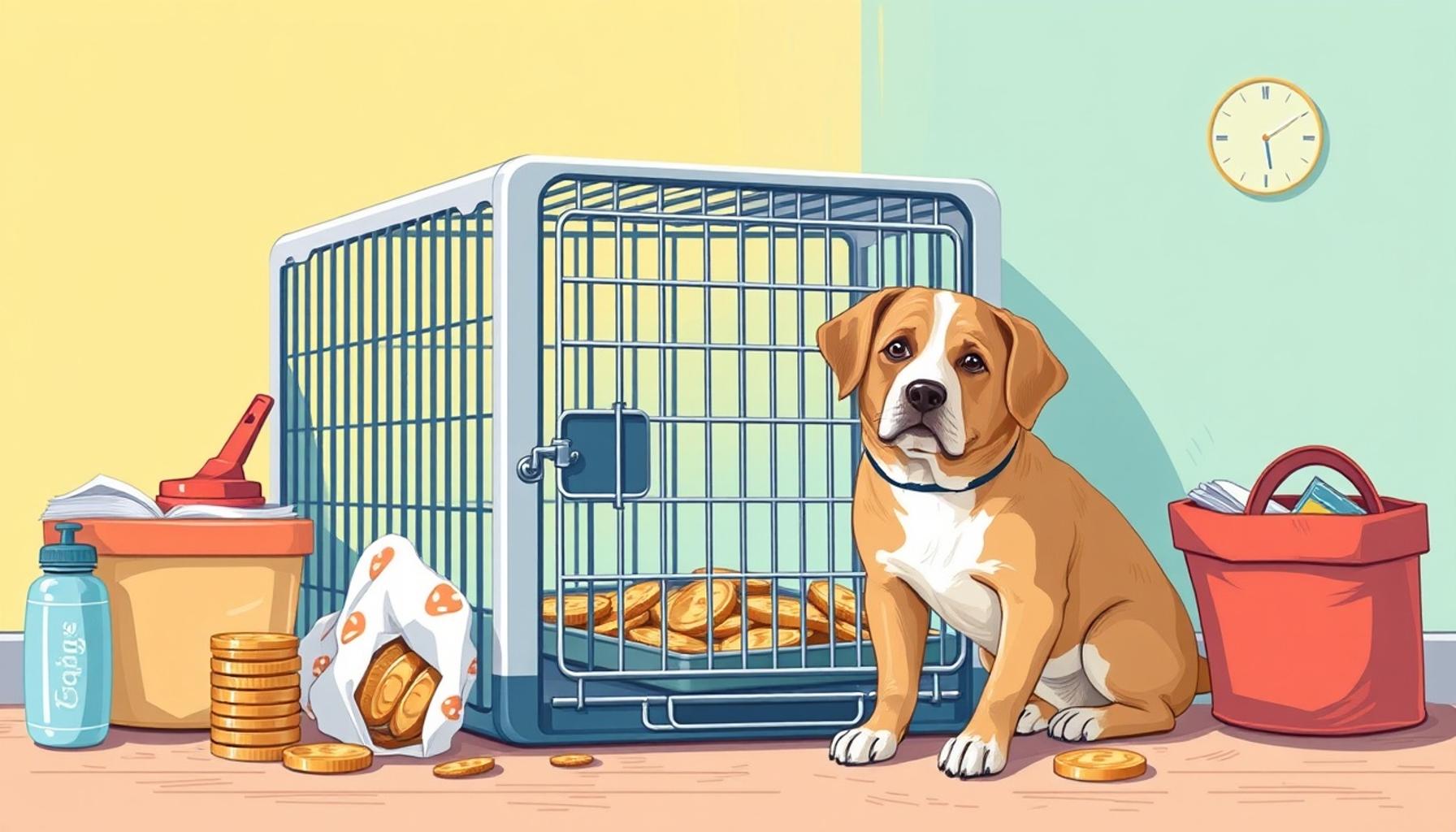
Exploring Crate Training as a Tool for Senior Pets
As our beloved pets age, their needs evolve, prompting us to seek methods that promote their comfort and safety. This transitional stage can introduce challenges tailors such as mobility issues and anxiety. One approach that has gained attention is crate training. Although some may view it as restrictive, a crate can present an excellent opportunity for senior pets to enjoy a secure and calming environment.
Key Benefits of Crate Training
Crate training can enhance the well-being of senior pets in various ways. Here are a few critical advantages:
- Safe Haven: A crate serves as a personal sanctuary where pets can withdraw from the daily hustle and bustle. It turns into a comforting space that they can call their own—in essence, a cozy den reminiscent of their wild ancestry.
- Reduced Anxiety: Many senior pets experience increased anxiety, especially during stressful situations like thunderstorms, fireworks, or even visits to the veterinarian. A crate can help mitigate this stress by providing a safe retreat, making these experiences less daunting.
- Easier Management: For households with multiple pets or frequent visitors, a crate can serve as a practical solution for managing interactions. By ensuring a senior pet feels secure in their own space, families can maintain harmony within the home.
Acclimating Your Senior Pet to a Crate
It is crucial to approach crate training with sensitivity and an understanding of a senior pet’s unique needs. Here are several factors to consider:
- Size Matters: Ensure the crate is appropriate for your senior pet’s specific breed and size. An oversized crate can lead to disorientation, while one that is too small may hinder mobility and comfort.
- Positive Reinforcement: The use of treats, praise, and toys can create a positive association with the crate. Gradually introduce your pet to the crate, allowing them to explore it at their own pace. This method helps in eliminating any apprehension they may have.
- Time and Patience: Understand that older pets may require more time to adapt to a crate. Patience is key. Incorporating short periods of crate time initially can help pets adjust slowly without feeling pressured.
Enhancing Quality of Life through Crate Training
By delving into the implications of crate training, pet owners can not only learn effective methods but also gain profound insights into enhancing the living experience of their senior pets. A well-trained pet may enjoy reduced anxiety levels, improved behavior during travels, and a greater sense of security in their environment.
As families embrace crate training, they often find that it fosters a deeper bond between them and their pets. For senior pets, this little nook of safety can be a lighthouse amidst the storms of their twilight years. All pet owners should consider how this practice could improve their companion’s overall quality of life, opening new avenues for exploration and comfort.
In conclusion, crate training is not merely a method of containment; it is a strategic tool in ensuring our aging pets lead fulfilling lives. Investing time and effort into crate acclimatization may pave the way for a more harmonious and secure environment for both pets and their owners alike.
The Role of Crate Training in Promoting Senior Pet Well-Being
Crate training is often perceived as merely a method of discipline, but its benefits extend far beyond that, particularly for senior pets. Understanding how crate training impacts comfort and safety can change the way caregivers approach this technique, transforming it into a vital tool for enhancing the quality of life for older animals.
Creating a Secure Environment
One of the integral aspects of crate training is the creation of a secure environment. Senior pets can suffer from various physical and emotional challenges, including diminishing eyesight, hearing loss, and cognitive decline. Each of these factors can heighten a pet’s anxiety, making familiar surroundings feel less than secure. A crate, when introduced appropriately, can become an anchor in this unsettling world.
For instance, according to the American Kennel Club, many pets feel safest in confined spaces, as they mimic the natural denning behavior of dogs. These spaces can help alleviate feelings of vulnerability that seniors might experience. Owners can also customize the environment inside the crate, incorporating soft bedding, familiar toys, and items that carry the pet’s scent, further enhancing the comfort level.
Facilitating Routine and Structure
Crate training fosters a sense of routine, which can be particularly beneficial for older pets. Structure is essential for dogs facing age-related cognitive dysfunction, similar to dementia in humans. A predictable schedule that includes crate time can reinforce positive behaviors and alleviate uncertainty. Here are some ways it can help:
- Consistent Rest Areas: Regular use of the crate can establish a designated sleeping location, reducing disorientation during the day or night.
- Behavior Management: A structured approach encourages better behavior during mealtime and social interactions, which can significantly reduce stress levels for both the pet and the owner.
- Training Opportunities: With a safe retreat, owners have an opportunity to reinforce training commands, bolstering their pet’s confidence and sense of security.
Health and Safety Considerations
In addition to emotional and behavioral benefits, there are practical health and safety considerations linked to crate training for senior pets. As mobility declines, older pets may struggle with navigating their surroundings and could be at heightened risk for accidents. A crate offers a monitored environment, minimizing the risk of falls or injuries during unsupervised moments.
Furthermore, ensuring that pets are comfortable in a crate can facilitate safer travel practices. Many pet owners may find themselves needing to transport their aging animals to veterinary appointments or family outings. A familiar crate not only provides comfort but also protects the pet from sudden movements and unexpected events during transit.
In summary, crate training is far more than a containment method; it is a multi-faceted approach to enhancing the lives of senior pets. By creating a space that offers security, routine, and health safety, pet owners can ensure their aging companions live with dignity and peace of mind. The integration of crate training into their daily lives can be a substantial step toward enriching the overall quality of life for these cherished family members.
| Advantage | Details |
|---|---|
| Increased Security | Crate training offers a safe, confined area for senior pets to relax without the risk of falls or accidents. |
| Stress Reduction | A designated crate can provide a calm retreat, helping senior pets manage anxiety and adapt to their environment. |
| Easier Management | Crate training allows owners to monitor and control their pet’s behavior, especially during stressful situations. |
| Aid in Recovery | Post-surgery or illness, a crate can help restrict movement and facilitate a smoother recovery for senior pets. |
Understanding the multifaceted advantages of crate training extends beyond mere confinement; it shapes a more secure and comforting environment for senior pets. With increased longevity in animal healthcare, the need for comfort and safety has never been more crucial. Various studies indicate that older animals can become easily stressed in disruptive settings. Hence, implementing crate training not only offers a haven but also fosters a sense of security and belonging.In addition, integrating crate training into a senior pet’s routine can ease transitions during travel or during moments of upheaval in a household. The consistency a crate provides can dramatically improve a senior pet’s well-being, leading to a healthier, more content life. Pet owners curious about the nuances of this training method are encouraged to delve deeper into its tailored benefits.
Enhancing Senior Pet Care Through Crate Training
As pet owners recognize the importance of crate training, it’s essential to delve deeper into how this method can be adapted specifically for senior pets, addressing their unique needs. Beyond comfort and safety, crate training can play a pivotal role in fostering an enriched environment that caters to an aging pet’s physical and emotional well-being.
Promoting Independence and Confidence
For many senior pets, issues such as arthritis or vision problems can lead to a state of dependency where they become overly reliant on their caregivers. Crate training can surprisingly promote a sense of independence. A secure crate allows an aging pet to safely explore their personal space without constantly needing assistance.
This newfound independence can build confidence. When an older pet learns that their crate is a safe haven, they are more likely to strike out on their own terms, exploring the house or yard with reduced anxiety. For example, a senior dog that might previously have hesitated to navigate stairs may feel emboldened to explore new areas when they know they have a retreat to rely on.
Cognitive Health Benefits
Engaging in crate training doesn’t just enhance physical surroundings; it can also provide mental stimulation important for cognitive health. Activities that promote brain activities can help fend off cognitive decline that many older pets experience. Introducing a crate as a space for training or interactive toys can become a tool for mental engagement.
Consider incorporating brain games or puzzle feeders inside the crate—these activities can be a delightful distraction, keeping the pet mentally sharp. Research indicates that cognitive engagement can delay the onset of memory issues in pets, making crate training an integral aspect of a comprehensive senior care strategy.
Transitioning Through Life Stages
As pets age, their care requirements evolve, and crate training can facilitate different life stages smoothly. For instance, a pet recovering from surgery may need to limit their activity levels. A crate can provide the necessary confinement for healing while still offering a comforting space. This dual functionality reinforces the crate’s positive association and ensures the pet remains calm during recovery.
Additionally, as elderly pets may experience increased anxiety due to environmental changes—such as moving to a new home or the introduction of a new family member—the crate can act as a familiar retreat. Its consistent presence can ease transitions, making adjustments less stressful for both the pet and their owners.
Contributing to a Safe Home Environment
Seniority in pets often presents various health-related challenges, necessitating a home environment that mitigates risks. Crate training can minimize the risks associated with access to unsafe areas of the house, such as staircases or kitchens where food and hazardous materials may be present. By implementing crate training effectively, owners can designate safe zones where their pets can rest undisturbed while protecting them from potential dangers.
The American Society for the Prevention of Cruelty to Animals (ASPCA) highlights that a secure environment contributes to overall pet welfare. When senior pets know they can retreat to their crates, their stress levels decrease, resulting in lower cortisol levels—essentially fostering a safer and more peaceful atmosphere.
With all these factors in play, it’s clear that crate training extends far beyond simple containment. By addressing the distinct needs of senior pets through tailored crate training approaches, pet owners can actively enhance their companions’ comfort, well-being, and safety. This nuanced understanding of crate training empowers caregivers to make informed choices that support their aging furry friends’ quality of life.
Conclusion
In summary, the practice of crate training emerges as an essential tool in enhancing the comfort and safety of senior pets. By creating a designated space that caters to their unique physical and emotional needs, pet owners can significantly improve their companions’ quality of life. Crate training not only increases a sense of independence but also instills confidence in aging pets, allowing them to explore their surroundings with reduced anxiety.
Furthermore, this method contributes positively to the cognitive health of senior animals by providing mental stimulation through engaging activities within the crate. It serves as a sanctuary during transitional life stages, adapting seamlessly to varying healthcare needs, such as post-surgery recovery or coping with anxiety-inducing changes in their environment.
As pet caregivers, understanding the multifaceted benefits of crate training empowers individuals to create safer living spaces, reducing the risks associated with an increasingly frail condition. The interplay of comfort, safety, and cognitive engagement provided by a crate not only enriches daily life for senior pets but also fosters a lasting bond between them and their owners. Ultimately, investing in crate training can be a thoughtful and impactful decision that guarantees the well-being of our beloved furry friends as they navigate their golden years.