Understanding Pet Hydration: Essential Tips for Keeping Your Pets Healthy and Happy
The Importance of Hydration for Our Furry Friends
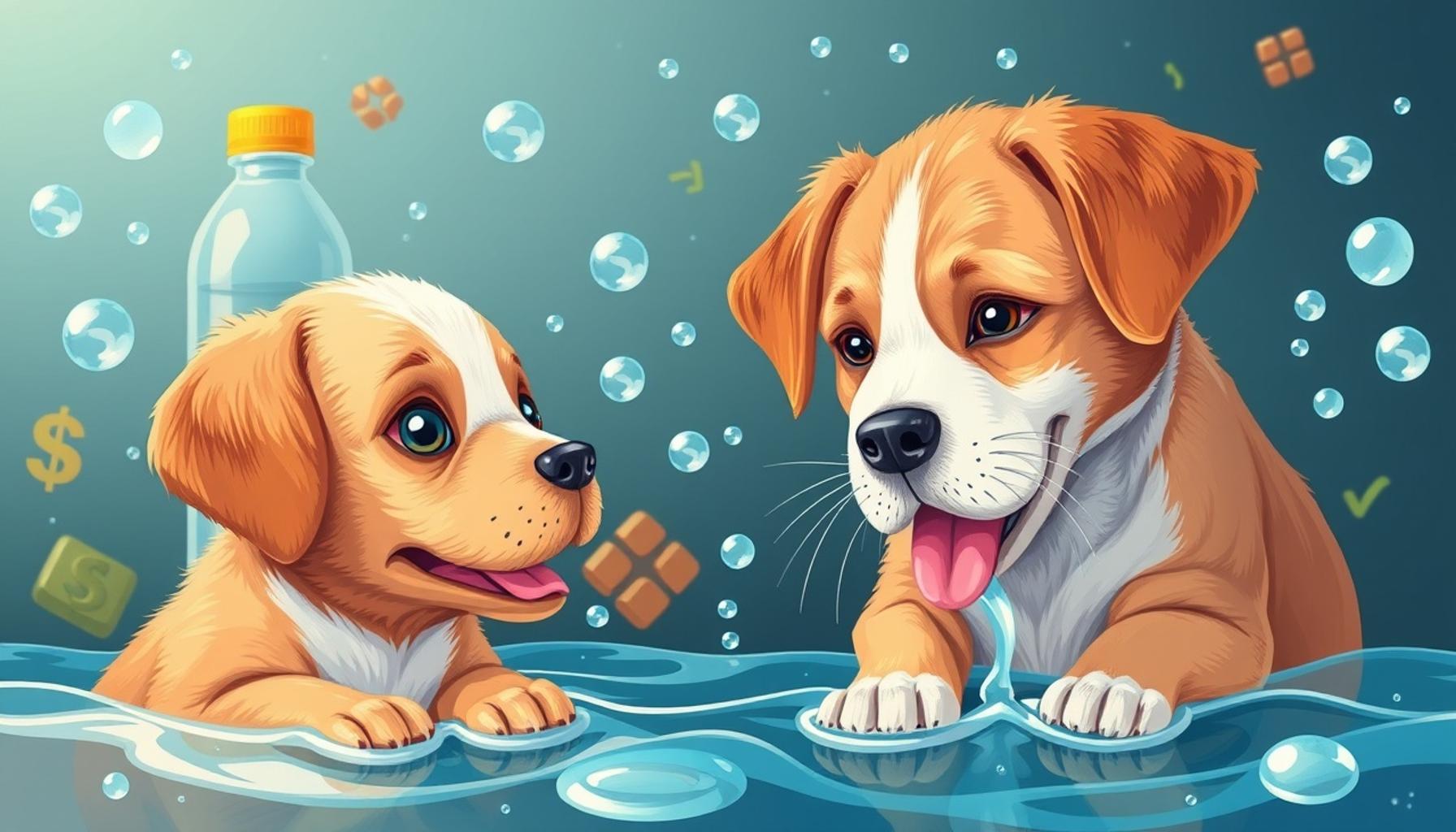
Every pet owner knows the significance of keeping their furry companions well-fed, but what about hydration? Proper hydration is just as crucial for maintaining your pets’ overall health and vitality. Just like humans, pets require a consistent intake of water to function optimally. Without sufficient hydration, essential bodily functions can start to falter, leading to a wide array of health complications.
Health Risks of Dehydration
Dehydration poses serious health risks for pets, and understanding these risks can be crucial for any pet owner. For example:
- Kidney problems: Chronic dehydration may lead to kidney disease, a serious issue particularly common in older pets. The kidneys require adequate water to filter toxins from the bloodstream, and prolonged dehydration can overwhelm them, potentially leading to irreversible damage.
- Digestive issues: A lack of fluids can cause constipation and other digestive problems, making it difficult for pets to pass stool. For instance, cats are particularly prone to urinary tract issues if they don’t drink enough water, which can lead to painful blockages.
- Joint pain: Dehydrated pets may experience stiff joints and reduced mobility. Joint fluid requires a certain level of hydration to cushion and nourish the joints, which is especially vital for senior pets who may already face mobility challenges.
Signs Your Pet Needs More Water
It’s vital to recognize when your pet isn’t getting enough hydration. Look for these signs, which can be indicators that your furry friend needs more water:
- Dry nose or gums: Healthy pets should have moist noses and gums. A dry nose can be an early sign of dehydration and warrants immediate attention.
- Lethargy: A noticeable decrease in energy may indicate dehydration. Your usually playful pup may become disinterested in playtime or walks, a clear signal that something is off.
- Loss of appetite: If your pet is refusing food, it may be suffering from dehydration. Often, pets will choose to drink even before eating, so a lack of interest in food might indicate that they are feelings the effects of insufficient water intake.
Understanding the importance of hydration for pets not only enhances their well-being but also ensures they lead happy, active lives. By maintaining vigilance for signs of dehydration and providing fresh water at all times, pet owners can significantly improve their pets’ quality of life. Stay tuned as we delve deeper into essential tips for keeping your pets healthy and happy through proper hydration, exploring effective methods to encourage proper water intake and sharing insights on how different factors, such as diet and environment, can influence hydration needs.
Creative Ways to Encourage Hydration
While the importance of hydration is clear, keeping your pet adequately hydrated can be a challenge. Many pets are not natural water drinkers, and some might even prefer to avoid water altogether, especially if they’re relying solely on their bowl. Therefore, here are some creative ways to encourage consistent water intake and effectively keep your furry friends hydrated:
- Variety of Water Stations: Place multiple water bowls in different locations around your home. Pets may be more inclined to drink if they can easily access water without having to travel too far, particularly for older pets or those with mobility issues. Also, consider using different types of bowls, such as stainless steel versus ceramic, to see what your pet prefers.
- Water Fountains: Many pets are attracted to running water. Investing in a pet water fountain can stimulate their interest in drinking. The sound and motion of flowing water often entice them to drink more frequently, and these fountains are designed to keep the water fresh and cool.
- Flavored Water: For picky drinkers, adding some flavor can work wonders. Low-sodium chicken or beef broth (without onions or garlic) can be a great addition to their water bowl. However, be sure to use it in moderation and as a supplement, rather than a total substitute for plain water.
- Ice Cubes: On hot days, some pets enjoy playing with ice cubes as a form of enrichment. You can freeze water or broth into ice cubes and give them to your pet as a fun treat. As they play, they will inevitably consume some fluids, keeping them cool and hydrated.
- Wet Food Options: If your pet is open to it, consider incorporating wet food into their diet. Canned pet food typically contains a higher moisture content than dry kibble, which can help increase their overall water intake. This is particularly useful for cats, who can be notoriously finicky about drinking water.
Understanding your pet’s hydration needs and preferences is an essential component of their care. By integrating these methods into your daily routine, you can help your pet consume the recommended amount of water without it becoming a tedious task. It’s not just about offering water—it’s about making hydration a fun and engaging part of their day. As you explore these various techniques, keep an eye on your pet’s behavior and preferences, as these can differ greatly across breeds and individual pets.
In the next section, we will explore how environmental factors and dietary influences can affect hydration needs, giving you the knowledge to better meet your pets’ unique hydration requirements all year round.
Understanding Pet Hydration: Essential Tips for Keeping Your Pets Healthy and Happy
Hydration is a crucial aspect of your pet’s overall health, impacting everything from energy levels to bodily functions. Keeping your furry friends well-hydrated leads to a happier, healthier life. As pet owners, recognizing the signs of dehydration and ensuring adequate water intake can be pivotal in preventing health issues.
It’s essential to understand that different pets have varying hydration needs, influenced by their size, activity level, and environment. Active pets or those living in warmer climates require increased water intake to help maintain their body temperature and prevent overheating.
One way to encourage hydration is by providing fresh, clean water at all times. Pets can be picky; they are more likely to drink water that is cool and free from any contaminants. Consider offering your pet options such as water fountains, which not only provide a continuous flow of fresh water but also can be more appealing than still water in a bowl.
In addition to traditional water sources, incorporating moisture-rich foods into your pet’s diet can significantly aid in hydration. Canned pet foods, broths, and even water-infused treats can boost your pet’s fluid intake while also offering essential nutrients. If your pet is resistant to drinking water, this could be a creative way to meet their hydration needs.
Monitoring your pet’s hydration levels is equally important. Signs of dehydration may include dry gums, lethargy, and decreased skin elasticity. Performing a simple skin test by gently pulling back the skin at your pet’s neck can indicate hydration status; if the skin doesn’t return to its normal position quickly, it may suggest dehydration. Prompt action is required if you notice these signs.
| Category | Benefits |
|---|---|
| Fresh Water Availability | Always having access to clean water ensures pets stay hydrated, aiding digestion and nutrient absorption. |
| Moisture-Rich Foods | Incorporating wet foods into meals can help maintain hydration, particularly for pets that may drink less. |
Understanding your pet’s hydration requirements is vital for their health and happiness. By taking the necessary steps to provide adequate hydration, you can ensure your pets maintain optimal bodily functions, enhance their vitality, and extend their active years. Stay informed and proactive, and watch your pets thrive!
Factors Influencing Your Pet’s Hydration Needs
As responsible pet owners, it is crucial to recognize that hydration is not a one-size-fits-all concept. Various factors can significantly influence the amount of water your pet requires for optimal health. Understanding these factors will help you tailor your approach to ensure that Fluffy and Fido stay hydrated.
Environmental Conditions
The environment plays a substantial role in your pet’s hydration needs. For instance, during the heat of summer, pets are at a higher risk of dehydration, just like humans. Increased temperatures and humidity levels can lead to greater fluid loss through panting and sweating (for dogs with sweat glands). In such conditions, it is vital to monitor your pet’s water intake closely.
Additionally, if you live in a dry climate or at high altitudes, your pet may need more water than usual. Consider adjusting your pet’s water intake based on outdoor activity levels. After playtime or exercise in warm weather, make sure fresh water is readily available to replenish lost fluids.
Dietary Influences
The type of food your pet consumes can also impact their hydration level. Dry kibble, while convenient, is significantly lower in moisture compared to wet food. This difference means that pets eating primarily dry food may require more water to maintain their hydration. Conversely, wet food can provide substantial liquid content, potentially decreasing the amount of free water your pet needs to drink.
In addition, certain pet treats can also contribute to hydration. For example, watermelon and cucumbers are safe and hydrating options for dogs. Similarly, cats may enjoy small amounts of canned tuna in water. However, moderation is key, and it’s important to ensure that these treats do not disrupt the balanced diet that your pet requires.
Age and Health Conditions
A pet’s age can greatly affect their hydration needs. Senior pets often have reduced thirst drives compared to younger, more active animals. In this case, persistent encouragement, such as providing more accessible water sources or wet food, becomes critical. Monitoring older pets for signs of dehydration, such as lethargy or dry gums, is key to keeping them healthy.
Certain health conditions can also dictate hydration requirements. Pets with kidney disease, diabetes, or urinary tract disorders may experience increased thirst and urination. If your pet has been diagnosed with any of these conditions, consult your veterinarian for specific hydration guidance tailored to their needs.
Activity Level
Your pet’s daily activities significantly affect their hydration requirements. Active pets, especially those that enjoy outdoor adventures, should have constant water access, particularly after exercise. During long walks or play sessions, consider bringing a portable pet water bottle to keep them hydrated on the go.
Understanding these factors can guide you in providing optimal hydration for your pet. By tailoring hydration strategies based on environment, diet, age, health, and activity level, you not only enhance their overall well-being but also contribute to a long and happy life together. In our next section, we will dive into the signs of dehydration to watch for, ensuring you are well-equipped to keep your pet healthy and happy.
Conclusion: The Lifeblood of Pet Health
Understanding your pet’s hydration needs is essential for promoting their health and happiness. By recognizing the influencing factors such as environmental conditions, dietary choices, age, health status, and activity level, you can provide a personalized hydration strategy that meets their unique requirements. There is no universal answer to how much water your pet needs, and it’s vital to stay attuned to both their behavior and physical signs of dehydration.
Make it a habit to offer fresh water throughout the day, especially during the sweltering summer months or after vigorous play sessions. Consider incorporating hydrating foods into your pet’s diet and seek veterinary advice if your pet has specific health concerns that affect their hydration. Remember that keeping a close eye on your pet’s hydration can be pivotal in preventing serious health issues, such as urinary tract infections and kidney problems.
In our increasingly busy lives, it’s easy to overlook simple yet crucial aspects of pet care. Thus, educating ourselves on hydration not only serves our furry companions’ physical health but also solidifies the bond we share with them. Keep an open dialogue with your veterinarian for tailored guidance, and don’t hesitate to invest time in learning more about this vital aspect of pet health. With your attentive care and knowledge, you can ensure that your pets remain vibrant, energetic, and most importantly, hydrated.