The Role of Digital Art in the New Generation: How Technology is Transforming Artistic Expression
Understanding the Digital Art Revolution
As we traverse through the rapidly evolving landscape of contemporary art, it becomes evident that technology is not just a tool but a catalyst for profound change. The rise of digital art illustrates this transformation, showcasing how advancements in technology are expanding the horizons of creative expression. This burgeoning movement not only influences artistic techniques but also touches on the very definition of what art can be.
Accessibility in the Digital Era
One of the most significant advantages of digital art is its accessibility. Today, artists can utilize platforms such as Instagram, DeviantArt, and Behance to display their work to a global audience at little to no cost. This democratization of art allows budding creators from diverse backgrounds to share their talents, breaking down geographical and cultural barriers. For instance, an artist in San Francisco can easily gain visibility among art enthusiasts in Tokyo or Berlin.
The Power of Interactive Mediums
The integration of interactive mediums has also changed the way audiences engage with art. Traditional paintings and sculptures often confine viewers to a passive observance. In contrast, digital installations can invite audience participation, creating a dynamic dialogue between artist and viewer. A prominent example is the work of artists like Rafael Lozano-Hemmer, whose interactive installations often involve sensors and projections, encouraging spectators to become active contributors to their experience.
Innovation Through New Tools
Advancements in tools and technology offer artists an unprecedented range of techniques and styles. Software like Adobe Creative Suite, Blender, and Procreate provide powerful capabilities that traditional media simply cannot match. These platforms allow for complex animations, striking visual effects, and unique forms of digital expression that engage viewers in entirely new ways. Additionally, the growing accessibility of digital drawing tablets has enabled artists to replicate the feel of traditional painting while taking advantage of modern conveniences.
A Cultural Shift Towards New Expressions
This evolution towards digital art signifies a deeper cultural shift in how we perceive and value creativity. The ability of digital mediums to convey complex ideas and emotions has led to an evolution in artistic forms. For example, virtual reality (VR) art installations can transport viewers into entirely different worlds, allowing them to experience art in a way that transcends the limitations of space and time.
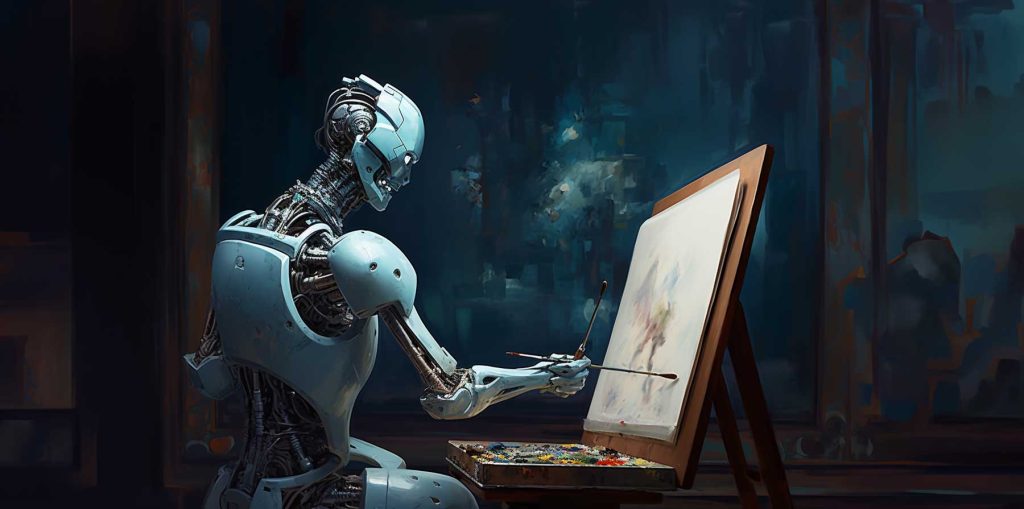
As we contemplate these developments, it is crucial to question what the future holds for artistic expression. How will upcoming generations of artists utilize these technological advancements? Will they find innovative ways to merge traditional techniques with digital capabilities, or will they pave the way for entirely new art forms that redefine creativity?
In exploring these provocative questions, we uncover an enriching tapestry where innovation and tradition coalesce. Digital art is not merely a passing fad; it represents a pivotal moment in the ongoing dialogue about the meaning and purpose of art in our evolving society. As audiences and creators embrace this transformational journey, they collectively contribute to a redefined understanding of what it means to be an artist in the 21st century.
Exploring New Frontiers in Digital Art
The evolution of digital art has sparked a profound revolution in the art world, particularly for the new generation of artists and creators. With technology evolving at an unprecedented speed, traditional boundaries of artistic expression are being redefined, and a Pandora’s box of creative possibilities has been opened. To fully understand this phenomenon, it’s essential to examine how digital art is not just an art form but a pivotal framework for cultural and societal engagement.
The Influence of Social Media and Online Platforms
Social media and online platforms play an instrumental role in the proliferation of digital art. Artists today can share their work instantly and interact with a global audience, leading to a new form of artistic validation. Social media channels such as Instagram, Twitter, and YouTube are not just venues for showcasing talent but essential tools for building a personal brand. Artists can receive immediate feedback, expand their networks, and participate in dialogues that transcend regional limitations. In fact, recent statistics reveal that:
- Over 70% of millennials use social media for creative inspiration.
- Nearly 40% of artists report social media as their primary marketing channel.
- Platforms like TikTok are fostering new forms of art through short video formats, allowing artists to showcase their creative processes in captivating ways.
This interaction fosters a unique camaraderie among artists, encouraging collaboration and experimentation. For example, hashtags such as #digitalart and #opart aggregate vast collections of works from diverse creators, making it easier for artists to discover and be inspired by each other’s styles and methods.
Emerging Technologies in Artistic Practices
The integration of cutting-edge technologies into artistic practice has initiated a paradigm shift in how art is created and experienced. Artists are employing a variety of new tools, including:
- Augmented Reality (AR): This allows artists to create interactive experiences, where digital elements overlay the physical world, enhancing viewer engagement.
- Artificial Intelligence (AI): AI algorithms can produce art, offering artists novel creative avenues to explore or collaborate with technology itself.
- 3D Printing: This technology has enabled digital artists to bring their virtual creations into the physical realm, merging digital concepts with materiality.
For instance, the work of artists like Refik Anadol, who uses AI to create stunning visual installations, exemplifies how technology can transform artistic expression. Such innovations provide audiences with immersive experiences that challenge their perception of art and its boundaries.
Reimagining the Exhibition Space
The traditional gallery and museum formats are being disrupted by digital art, which reimagines the exhibition space. Virtual galleries and online shows are becoming increasingly popular, allowing audiences to experience art from the comfort of their homes. These virtual exhibitions not only save time and resources but also offer opportunities for artists to reach wider audiences without the limitations imposed by physical spaces. This shift raises important questions about accessibility, engagement, and the future of art appreciation.
As digital art continues to evolve, it is clear that this new generation of artists is leveraging technology to redefine their creative expression, allowing them to push boundaries and explore the infinite possibilities of art in the digital age. The dialogue between traditional techniques and digital innovations is richer than ever, heralding a vibrant new chapter in the history of artistic expression.
The Fusion of Traditional and Digital Art Forms
The impact of technology on artistic expression is profound, particularly in how it merges traditional art forms with digital techniques. Artists today are not confined to the limitations of physical mediums. Instead, they exploit digital tools to enhance their creative processes. For instance, many painters integrate software like Adobe Photoshop and Procreate into their workflows, allowing them to experiment and iterate like never before. This fusion facilitates a unique collaborative environment, where artists can share their work digitally and receive instant feedback from a vast audience.
Moreover, the rise of platforms like Instagram and Pinterest has transformed the way artists showcase their work. Rather than relying solely on galleries, artists now harness social media to reach global audiences, building their brands and discovering new markets. These platforms serve as interactive showcases, where the digital realm itself becomes a canvas for artists to express their identity and artistic vision.
The Role of Augmented and Virtual Reality
Emerging technologies such as augmented reality (AR) and virtual reality (VR) are revolutionizing the art world. Artists can create immersive experiences that invite viewers into their vision. For example, virtual galleries allow users to navigate through digital exhibitions from anywhere in the world, providing access to art that would otherwise be geographically limited. Similarly, AR applications can superimpose digital art onto real-world environments, allowing spectators to experience art in innovative contexts and shapes.
Accessibility and Democratization of Art
Technology has democratized art, making it more accessible to the new generation. Digital platforms enable aspiring artists to create and disseminate their work without the need for traditional gatekeepers. Tools such as digital drawing tablets, graphic design software, and online tutorials empower individuals to learn and develop their skills. Artistic expression has become a personal journey that is no longer restricted by socioeconomic barriers, opening up pathways for incredibly diverse voices to be heard and celebrated.
| Advantages of Digital Art | Key Features |
|---|---|
| Enhanced Creativity | Artists can explore limitless possibilities and techniques through digital platforms. |
| Wider Reach | Digital art can be easily shared and accessed by a global audience, breaking geographical barriers. |
As we continue to witness this digital renaissance, it’s evident that technology is not merely a tool; it is a partner in the artistic process, continuously shaping how, what, and who creates art in this rapidly evolving landscape.
Redefining Artistic Collaboration and Community
The rise of digital art has dramatically reshaped the landscape of collaboration within the artistic community. Artists from diverse backgrounds can now connect in ways that were once unimaginable, breaking down geographical barriers and fostering a sense of global unity. This newfound connectivity is not simply a matter of sharing ideas; it is a platform for collective creation. Digital art collaboratives, such as ArtStation and Behance, provide a space for artists to join forces, exchange techniques, and critique each other’s work in real-time.
The impact of collaborative projects goes beyond sparking creativity; it often leads to innovative forms of art that blend styles and genres. For instance, the “The 2020 Holon Project” saw numerous digital artists contributing to an expansive art piece that symbolized resilience during the pandemic. This kind of collective endeavor not only highlights the power of community but also amplifies individuality—showcasing how various voices can harmonize into impactful visual expressions.
Education and Digital Artistry
Another transformative aspect of digital art is its role in education. The new generation of artists has access to online courses, webinars, and tutorials that cater to all skill levels. Platforms like Skillshare and Udemy have emerged as go-to resources for aspiring creators to hone their craft, often at a fraction of the cost of traditional art schools. Additionally, websites such as Procreate provide apps that equip users with innovative tools for drawing and painting directly on their tablets, democratizing access to high-quality artistic materials.
Moreover, immersive learning experiences using virtual reality (VR) offer students a unique way to engage with art. With tools like Tilt Brush from Google, learners can step into a 3D painting environment, allowing them to manipulate space in a manner that was previously limited to the realms of imagination. This incorporation of advanced technology into artistic education has produced a generation of artists who are both skilled and versatile, prepared to navigate a rapidly changing landscape.
Digital Economics and the Art Market
The convergence of technology and artistry has also spurred significant changes in the economics of the art world. The emergence of blockchain technology and Non-Fungible Tokens (NFTs) has introduced new avenues for artists to monetize their work. For instance, artists such as Beeple made headlines when a digital artwork sold for an astounding $69 million at a Christie’s auction, illustrating the valid market for digital art. This NFT phenomenon is revolutionizing how art is bought, sold, and valued, allowing artists to retain ownership and royalties over their creations, a practice that was less feasible in traditional art markets.
The dialogue surrounding digital art and its implications on the economy is complex. As new digital marketplaces evolve, questions of authenticity and the value assigned to digital art raise significant discussions amongst artists, collectors, and critics alike. In a world where art can be captured and reproduced digitally, the uniqueness attributed to traditional mediums faces a challenge, pushing for a reimagining of what art can be.
Overall, the role of digital art in shaping a new generation is multifaceted. Through collaboration, education, and economic innovation, this digital renaissance is not just about new tools; it is about creating an inclusive artistic ecosystem where ingenuity knows no bounds. As technology continues to evolve, so too will the ways in which art is perceived, created, and valued. The language of art is changing, and with it, the very essence of creativity itself.
Conclusion
In conclusion, digital art stands at the forefront of a transformative wave that is reshaping artistic expression for the new generation. As technology evolves, it has become a powerful catalyst for redefining creativity, collaboration, and educational opportunities within the art community. Platforms that enable cross-cultural exchanges and cooperative projects have fostered a vibrant international network of artists, breaking down barriers that once separated them. Whether it’s through engaging in collective milestones like the 2020 Holon Project or utilizing digital marketplaces, artists are now equipped to amplify their voices and share their unique perspectives with a global audience.
The accessibility of online resources and advanced tools like VR and drawing apps has democratized the learning process. Aspiring artists can refine their craft without the prohibitive costs traditionally associated with formal education. Consequently, a skilled and versatile generation of creators has emerged, fully prepared to navigate the complexities of this digital era.
Moreover, the impact of blockchain technology and NFTs has revolutionized the economic landscape of art, offering artists unprecedented opportunities to monetize their work while maintaining ownership rights. This development prompts essential conversations about the nature of authenticity and value in the art world, challenging traditional notions and inviting new interpretations of what art can signify.
As we move forward, the fusion of technology and creativity will continue to chart new territories and redefine not just how art is made, but how it’s experienced and valued. Digital art embodies a rich tapestry of individual expressions woven together by community, innovation, and forward-thinking ideologies. By embracing this digital renaissance, we are witnessing not just a transformation in artistic expression but an evolution of creativity itself, one that invites everyone to participate and explore its limitless possibilities.