The Influence of Visual Arts in Education: How Artistic Hobbies Can Enrich Learning
The Transformative Power of Visual Arts in Learning Environments
Integrating visual arts into educational settings creates transformative learning experiences that reach far beyond the canvas. Evidence demonstrates that engaging in artistic hobbies can significantly enhance students’ creative thinking, cognitive development, emotional intelligence, and social interactions. These profound impacts show that visual arts play a crucial role in shaping a well-rounded educational experience that caters to diverse learning needs.
Improved Cognitive Skills
Engaging with visual arts sharpens critical thinking and problem-solving skills. For example, students who participate in activities like drawing or painting learn to make decisions about color, composition, and technology use which encourages analytical thought processes. Beyond mere aesthetics, working with visual arts can push students to interpret meaning, critique their own work and others’, and explore various perspectives. Research from the Arts Education Partnership indicates that students involved in art and design courses exhibit higher levels of cognitive performance in subjects such as mathematics and science, demonstrating the interconnectedness of creative and academic skills.
Enhanced Emotional Development
Artistic activities provide students with a valuable outlet for self-expression, allowing them to process complex emotions in a safe environment. Through mediums like painting or sculpture, students can communicate feelings that may be difficult to articulate with words. For instance, a student dealing with anxiety may create expressive visuals that reflect their internal struggles, leading to greater self-awareness and emotional resilience. Schools such as the Chicago Arts Partnerships in Education have illustrated how integrating arts can improve emotional well-being, indicating that creative outlets positively influence student mental health.
Boosted Social Connections
Collaborative art projects also foster teamwork and community-building among peers. Group art initiatives, like mural projects or collaborative exhibitions, encourage communication, negotiation, and shared responsibility as students work toward common goals. A notable example comes from the non-profit organization ArtStart, which has facilitated community-based projects that empower youth and build social cohesion through hands-on art experiences. These initiatives not only enhance student relationships but also instill a sense of belonging and pride in their community.
As educational institutions across the United States begin to embrace the importance of visual arts, they are seeking ways to integrate these creative practices into traditional curricula. Research consistently reveals a significant correlation between robust arts education and improved overall learning environments. Programs that nurture artistic expression can help redefine educational methodologies, enhancing the overall educational journey for students.
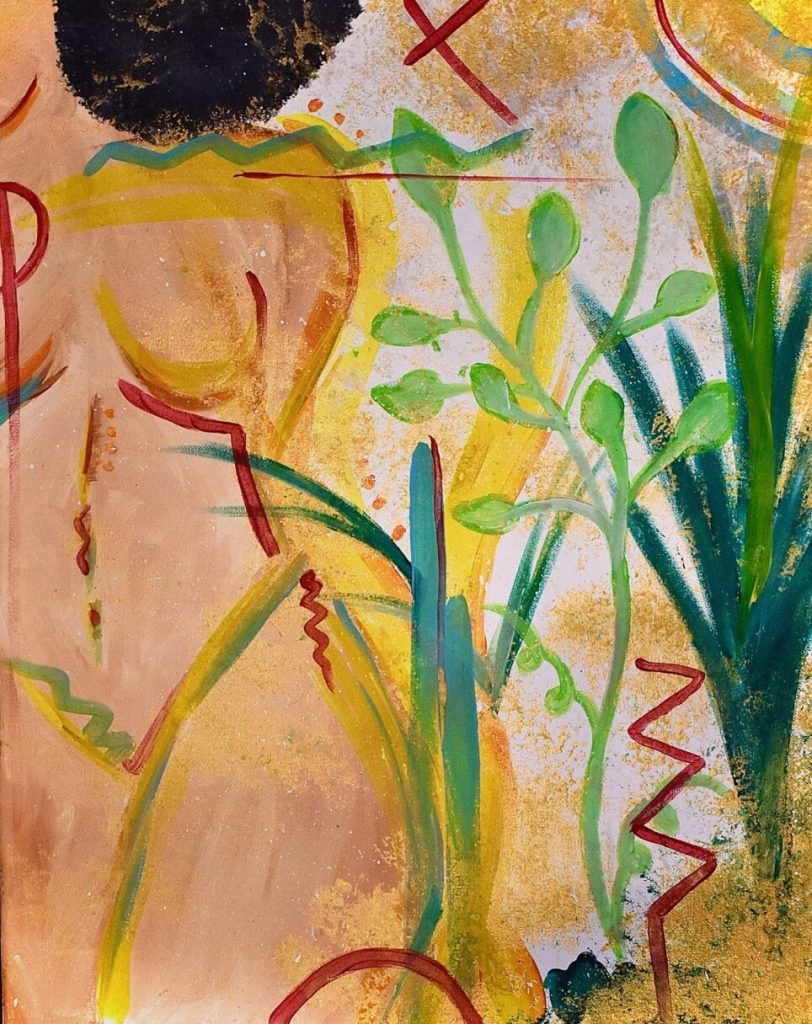
Furthermore, various artistic hobbies, such as photography or digital arts, expand avenues for personal expression and exploration, appealing to diverse student interests and talents. As educators and parents recognize and champion the role of art in learning, there lies an exciting opportunity for reshaping educational landscapes and enriching student experiences.
In exploring the remarkable contributions of visual arts to education, one uncovers a wealth of insights that challenge traditional learning paradigms and invite further inquiry into the potential of creative education. Indeed, art can be a powerful catalyst, leading to holistic development and a deeper understanding of oneself and the world.
Unlocking Creativity and Cognitive Development through Visual Arts
The integration of visual arts in education serves as a catalyst for creativity that can significantly influence how students learn, think, and interact with the world around them. It’s no secret that engaging in art can nurture imagination; however, research consistently highlights the extensive cognitive benefits this engagement offers. Studies show that students who participate in visual arts education exhibit improved attention spans, better memory retention, and enhanced problem-solving capabilities. For instance, the National Endowment for the Arts points to substantial evidence that arts education correlates with increased academic performance across various subjects, including language arts and science.
Fostering Critical Thinking
The process of creating art encourages students to develop critical thinking skills that are essential for academic success. When students create, analyze, or critique artwork, they engage in deep cognitive processing. This can include:
- Deciding on composition: Choosing how to arrange elements on a canvas requires foresight and planning.
- Evaluating color choices: Selecting a color palette involves understanding emotional impacts and visual harmony.
- Addressing feedback: Accepting constructive criticism helps students re-evaluate and enhance their work.
Such activities challenge students to think divergently, allowing them to explore multiple resolutions to a problem rather than settling for the first answer. The skills learned in the art room create a mindset that extends into other academic disciplines, encouraging students to approach challenges analytically.
Emotional Intelligence through Artistic Expression
Visual arts also significantly contribute to the development of emotional intelligence. In a world where emotional awareness can dictate personal and professional success, fostering these qualities in young learners is crucial. By expressing feelings through various art forms—whether it be painting, sculpture, or digital media—students not only cultivate their artistic skills but also achieve greater self-understanding and empathy. Programs like the Turnaround Arts initiative in the U.S. have successfully demonstrated that incorporating arts into schools enhances emotional well-being and resilience. Such programs illustrate how artistic endeavors can lead to healthier emotional development, aiding students in managing stress, anxiety, and interpersonal relationships.
Moreover, when students create art that reflects their personal experiences, it can foster dialogue and understanding among peers. This exchange of ideas not only promotes inclusivity but also provides a valuable framework for understanding diverse perspectives, laying the foundation for a more harmonious learning environment.
Creating Inclusive Learning Environments
The benefits of visual arts extend into creating inclusive learning environments where all students can thrive. Artistic hobbies are uniquely suited to cater to various learning styles and abilities, offering alternatives for students who might struggle in traditional academic settings. For example:
- Visual learners: Engage through imagery and color.
- Kinesthetic learners: Benefit from hands-on experiences with materials.
- Aural learners: Can draw inspiration from music and poetry integrated into art projects.
By embracing the diversity of learning preferences, schools can create more personalized educational pathways that resonate with each student. This tailored approach not only supports artistic growth but also nurtures a generation of learners equipped with the skills needed for success in an increasingly complex world.
The incorporation of visual arts into education goes beyond mere creative expression; it enhances cognitive functions and fosters an enriching environment for learning. Studies have shown that students engaged in artistic activities often demonstrate improved critical thinking and problem-solving skills. By participating in arts, learners experience a multidimensional understanding of subjects that transcend traditional methods. This creative approach can aid in memory retention and promote a more joyful attitude towards education.
Moreover, engaging in artistic hobbies cultivates a sense of discipline and focus. These attributes are crucial in academic settings where attention to detail and perseverance are necessary for success. When students learn to work on projects like painting, sculpting, or digital arts, they develop a work ethic that translates into their academic pursuits, driving them to strive for excellence.
Artistic expression also facilitates communication skills. Through visual arts, students learn to convey complex ideas and emotions non-verbally. This ability not only aids in their personal development but also enhances collaborative projects within group settings, allowing for a richer exchange of ideas. The arts serve as a universal language that bridges cultural and social divides, providing students with tools to understand diverse perspectives.
Furthermore, involvement in visual arts can significantly boost self-confidence. As students create and showcase their artwork, they become more secure in their abilities, leading to an increase in engagement in their academic endeavors. This newfound confidence often sees students willing to take risks in other subjects, leading to a more holistic educational experience.
| Advantages | Description |
|---|---|
| Enhanced Cognitive Skills | Artistic activities promote improved critical thinking and problem-solving abilities. |
| Self-Confidence Boost | Creating and showcasing artwork increases students’ confidence and willingness to engage. |
In essence, incorporating visual arts into education not only enriches the learning experience but also equips students with essential life skills applicable beyond the classroom. As we consider the impact of artistic hobbies in education, it becomes clear that fostering these skills in students is invaluable, preparing them for a more creative and adaptable future.
Building Collaboration and Communication Skills through Artistic Engagement
Alongside the cognitive and emotional benefits, visual arts play a crucial role in enhancing collaboration and communication skills among students. In contemporary classrooms, where teamwork is often emphasized, engaging in artistic projects requires students to work together, share ideas, and express their thoughts effectively. These experiences are vital as they mirror real-world scenarios where collaboration drives success.
The Power of Collective Creativity
Group art projects foster an environment where students can learn from one another, pooling their diverse talents and perspectives. For example, while working on a mural, students must collaborate on design concepts, delegate tasks, and negotiate color choices. This cooperative atmosphere not only strengthens social bonds but also cultivates a sense of community and shared ownership over the creative process. According to a study published in the Journal of Arts Education, students involved in group art projects show higher levels of engagement and satisfaction, which translates to improved academic performance across subjects.
Moreover, such teamwork can lead to the development of vital soft skills, including leadership, respect for differing opinions, and the ability to compromise—all crucial attributes in future careers. In initiatives like the Young Audiences Arts for Learning, students across the United States engage in collaborative artistic experiences, providing proof of how teamwork in art can produce positive educational outcomes.
Enhancing Communication through Visual Language
Visual arts serve as a powerful communication tool, allowing students to express thoughts and emotions that they might struggle to articulate through traditional academic channels. Describing a visual piece or discussing artistic choices encourages students to articulate their ideas cogently, bolstering their verbal communication capabilities. Furthermore, art can serve as a universal language, breaking down barriers created by cultural and linguistic differences.
For instance, programs like ArtLink in various U.S. schools emphasize the importance of visual narrative, where students learn to tell stories through images. In an increasingly multicultural environment, these skills are invaluable, enabling students to convey messages and foster understanding in diverse groups. Additionally, utilizing digital tools to create visual presentations encourages students to adapt their communication styles to various mediums, ensuring they remain versatile in a digital age.
Developing Resilience and Adaptability Through Artistic Challenges
Engaging in visual arts also imposes layers of resilience and adaptability on students. Artistic creation often involves facing obstacles—whether it’s dealing with the frustration of a failed project or learning to accept an unexpected outcome. Such experiences provide valuable lessons in perseverance. A report from the Arts Education Partnership indicates that students who regularly engage in artistic endeavors develop more flexible thinking patterns, enabling them to tackle challenges with a proactive mindset.
For example, when students experiment with different techniques and materials, they learn that not every attempt will lead to success, mirroring the realities of both academic and personal life. Such lessons are essential; resilience instilled through artistic expression translates seamlessly to academic subjects, teaching students to embrace failure and view it as a stepping stone to eventual success.
By weaving together the strands of collaboration, communication, and resilience, visual arts education presents a multidimensional approach to learning that goes beyond mere artistic expression. This holistic education model not only enriches students’ artistic capabilities but also equips them with lifelong skills that are indispensable in the world today. As schools continue to recognize the significant benefits of integrating arts in their curriculum, we can anticipate a generation of learners who are not only creative thinkers but also adept collaborators and communicators.
Conclusion: The Transformative Role of Visual Arts in Education
In summary, the integration of visual arts into education serves as a powerful catalyst for enriching both learning and personal development. By nurturing creativity, collaboration, and communication skills, artistic engagement creates an all-encompassing educational experience that transcends conventional pedagogical methods. As students participate in group projects, they not only cultivate lasting friendships and a sense of community but also develop essential soft skills that are vital for future career success.
Moreover, the flexibility and expressiveness inherent in visual arts allow students to articulate their thoughts and emotions in ways that traditional academic approaches may not facilitate. Programs that emphasize artistic expression, such as ArtLink, highlight how visual narrative can democratize communication, bridging cultural gaps and fostering understanding in our increasingly diverse society. These experiences not only bolster academic performance but also contribute to a more empathetic and inclusive world.
As we envision the future landscape of education, it’s imperative for educators, policymakers, and stakeholders to recognize the transformative potential of visual arts. Investing in artistic programs not only nurtures well-rounded students but also prepares them for a complex and interconnected global society. Ultimately, by embracing the multifaceted benefits of artistic hobbies, we pave the way for a generation of adaptable, resilient, and innovative thinkers who can thrive amidst challenges and embrace opportunities with enthusiasm.