The Influence of Art on Mental Health: How Artistic Expression Can Help Overcome Emotional Challenges
The Therapeutic Power of Artistic Expression
Engaging in artistic endeavors can serve as a refuge, providing individuals with a constructive outlet for their emotions. The relationship between art and mental well-being is complex yet profoundly impactful. An intriguing aspect of this connection is how participation in creative activities can contribute significantly to improving one’s mental health. Let’s explore some vital aspects of how art influences emotional resilience.
- Emotional Release: Creating art allows individuals to express feelings that may be difficult to articulate verbally. For instance, someone coping with grief might channel their sorrow into painting or sculpting, effectively processing their emotions in a visual manner. This form of non-verbal communication can make it easier to confront and understand difficult feelings, leading to significant emotional relief.
- Stress Reduction: The act of creating can be meditative, helping to lower stress levels and promote relaxation. Various studies support this idea, showing that activities like drawing, painting, or even coloring can trigger the body’s relaxation response. Engaging in these activities can quiet the mind, similar to practicing mindfulness. A recent study published in the Journal of the American Art Therapy Association found that just 45 minutes of creative engagement can lower cortisol levels—the stress hormone—in participants.
- Enhanced Self-Esteem: Completing an art project can foster a sense of accomplishment, boosting confidence. Many community art programs, from local workshops to online classes, provide a supportive environment where individuals of all skill levels can create. As participants see their ideas manifest on canvas or clay, they cultivate a sense of pride. This boost to self-esteem can be particularly beneficial for individuals dealing with issues like social anxiety, where traditional self-improvement techniques may be overwhelming.
Research indicates that artistic expression can aid in overcoming various emotional challenges, including anxiety and depression. For example, community art programs, such as those organized by local nonprofits or public libraries in cities across the United States, have shown promising results in improving mental health among participants. These initiatives provide a platform for individuals to share their experiences, find community, and explore their creative sides, thus making mental health support accessible and engaging.
Moreover, therapy methods incorporating art, such as art therapy, emphasize the benefits of creative forms of expression. In art therapy, a trained professional guides clients through creative activities, helping them reflect on their emotional experiences. This structured form of artistic engagement can lead to breakthroughs in understanding personal challenges and developing coping strategies.
As mental health awareness surges in the U.S., discussions around holistic approaches to well-being are becoming more mainstream. Art is often a central theme in these conversations, highlighting its multifaceted influence. Engaging with art not only serves as a personal coping mechanism but also fosters community and shared experiences. By delving deeper into artistic practices, individuals can discover valuable tools for navigating emotional struggles and enhancing overall mental health.
Unlocking Emotions Through Creativity
Artistic expression opens a unique conduit through which individuals can explore their inner world. Whether through painting, writing, music, or dance, each medium offers a different landscape for navigating emotions that may otherwise remain buried. The profound impact of art on mental health can be attributed to its ability to foster self-reflection, encourage vulnerability, and promote emotional exploration.
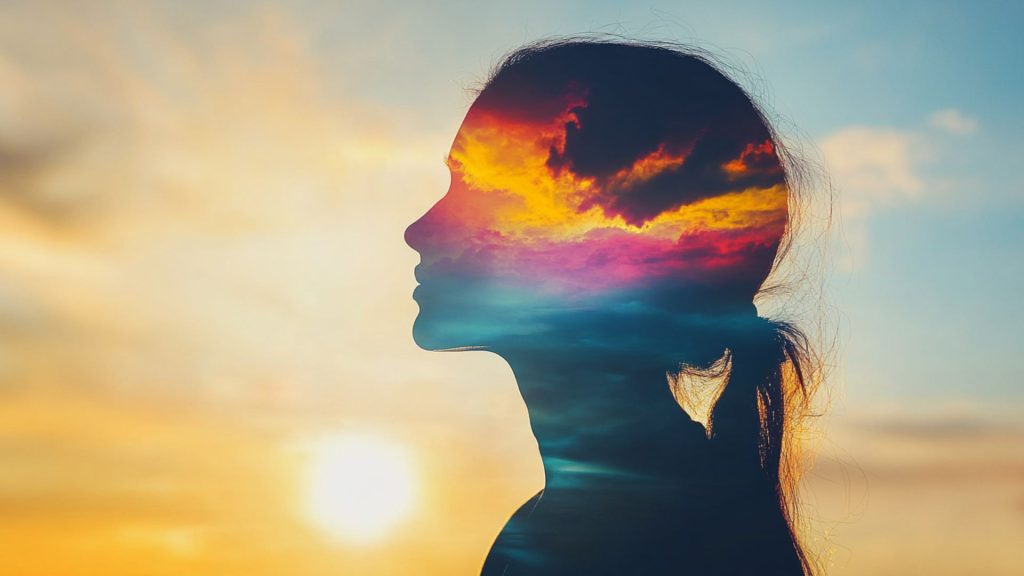
One of the key benefits of art as a therapeutic tool is its capacity for emotional validation. When individuals create art, they often find that their feelings are mirrored in their work. This validation can be especially beneficial for those struggling with issues like depression or anxiety, allowing them to feel understood and less isolated in their experiences. In fact, studies have suggested that engaging in artistic activities can enhance emotional intelligence, equipping individuals with the skills needed to navigate complex feelings. For example, a recent survey conducted by the National Endowment for the Arts revealed that nearly 30% of Americans participating in arts programs reported feeling a reduction in symptoms of anxiety and depression within just a few weeks.
- Building Connections: Art has the power to connect people. When individuals share their art with others, they open avenues for conversation about shared experiences and emotions. This bonding can be crucial for mental health, as loneliness and isolation are significant contributors to emotional distress.
- Exploring Personal Identity: Artistic endeavors often prompt individuals to confront and explore their identities, leading to a deeper understanding of themselves. For instance, painting or writing about personal experiences can help illuminate the complex emotions tied to one’s lived experiences, ultimately fostering self-acceptance.
- Creating a Safe Space: Artistic practices allow individuals to create a safe space for their thoughts and feelings. Unlike traditional talk therapies that rely heavily on verbal communication, the act of creating offers an alternative approach, often leading to breakthroughs in self-awareness and emotional well-being.
The transformative power of artistic engagement extends beyond the individual. Community-driven art initiatives can significantly enhance local mental health efforts by creating platforms where people feel empowered to express their emotions. In cities across the United States, community art center programs serve as vital resources, forging community connections while simultaneously addressing mental health challenges through artistic expression. For example, programs that focus on group mural painting not only beautify neighborhoods but also foster teamwork and camaraderie, demonstrating the collective benefits of creativity.
In summary, the influence of art on mental health is multilayered, providing essential tools for emotional processing and healing. As individuals engage in artistic practices, they not only connect with their own feelings but also cultivate a sense of community—both of which are paramount to overcoming emotional challenges. As we continue to explore this fascinating interplay between creativity and mental well-being, it becomes clear that art is an indispensable ally in the journey toward emotional resilience.
Artistic expression serves as a profound tool in addressing emotional challenges and enhancing mental health. Engaging with different forms of art, whether it be painting, music, dance, or writing, can provide individuals with a unique avenue for self-exploration and healing. Studies have shown that creating art can reduce feelings of anxiety and depression, offering a therapeutic experience that fosters emotional release.One key advantage of artistic expression is its ability to allow for the externalization of complex emotions. When individuals participate in creative activities, they often find it easier to articulate feelings that might otherwise be difficult to express verbally. This process can lead to increased self-awareness and understanding, ultimately aiding in coping with emotional distress.Furthermore, art has a meditative quality that can help individuals enter a state of mindfulness. As they focus on the act of creation, they often experience a sense of flow, which can be incredibly calming. This engagement in the present moment can alleviate stress and promote overall well-being.Additionally, the act of sharing artistic creations with others can foster community and connection. By participating in group art projects or sharing their work, individuals can feel a sense of belonging and support, crucial elements for mental health recovery. Moreover, art can be a reflective practice. It allows individuals to look back on their experiences and analyze their emotional responses. This reflective aspect encourages personal growth and a deeper understanding of one’s own mental health journey.Overall, the relationship between artistic expression and mental health is multifaceted. It serves not only as a medium for individuals to express their emotions but also as a pathway for healing and resilience. As research continues to unveil the benefits of art in mental health, it paves the way for more inclusive practices in therapeutic settings, allowing creativity to flourish in the name of emotional well-being.
The Role of Art Therapy in Healing
Art therapy has emerged as a legitimate psychological intervention that uses creative outlets as a means of promoting mental wellness. It combines artistic expression with therapeutic techniques to address psychological issues, making it a valuable tool in the treatment of various conditions such as PTSD, chronic stress, and other emotional disturbances. According to the American Art Therapy Association, art therapy can improve emotional regulation, self-awareness, and interpersonal skills through the exploration of the creative process.
One of the cornerstones of art therapy is its ability to facilitate non-verbal communication. For many individuals facing mental health difficulties, articulating complex emotions through words may feel overwhelming or impossible. Art provides a different mode of expression that allows people to depict their feelings visually or through sound, providing insight into their internal struggles without the pressure of verbal explanation.
A variety of professionals are utilizing art therapy techniques within various settings, from schools to hospitals. For example, in pediatric hospitals, art therapy is often employed to help young patients cope with the anxieties surrounding illness and medical procedures. Programs that incorporate drawing, painting, or sculpture empower children to express their fears and hopes, instilling a sense of control in situations that often feel chaotic. Such interventions have been documented to lead to significant reductions in anxiety levels among young patients, showcasing how creative outlets can serve as effective coping mechanisms.
- Holistic Healing: Art therapy approaches mental health care from a holistic perspective. It addresses not only the emotional realm but also the physical and spiritual aspects. This holistic involvement can be pivotal in providing effective interventions for those with co-occurring disorders, where mental health issues are compounded by substance abuse or physical illness.
- Cognitive Benefits: Engaging in artistic activities can also foster cognitive development and sharpness. Studies indicate that seniors who participated in art programs showcased improved cognitive functions, including memory and reasoning skills. This suggests that artistic expression could be particularly beneficial in addressing emotional challenges related to aging, such as isolation and depression.
- Alternative Treatment Options: The rise of art therapy as a recognized therapeutic option corresponds with a growing trend in seeking alternative treatments for mental health issues. For individuals who may feel disillusioned with traditional therapy or medication, engaging in art provides a non-invasive, creative alternative that allows for active participation in one’s own healing journey.
In recent years, initiatives like community art exhibits aimed at raising awareness of mental health issues have gained popularity. These exhibits allow artists to share their experiences with mental illness through their work, effectively sparking conversations and destigmatizing mental health challenges. By transforming personal struggles into publicly shared narratives, artists contribute to a broader cultural dialogue, helping society to view mental health through a compassionate lens.
Research continues to highlight the significant connection between artistic expression and improved mental health outcomes. For instance, a study published in the Journal of Hospital Medicine found that patients who participated in art workshops reported reduced levels of stress and a greater sense of overall well-being. This evidence advocates for the integration of artistic programs within clinical settings as a valid approach to enhancing mental health treatment efficacy.
Conclusion
As we delve into the influence of art on mental health, it becomes increasingly clear that artistic expression serves as a powerful ally in overcoming emotional challenges. The evidence from various studies and real-world applications makes a compelling case for the inclusion of creative therapies in traditional mental health treatment frameworks. From art therapy programs that nurture self-expression and emotional regulation to community art initiatives that foster dialogue and reduce stigma, the benefits are comprehensive and impactful.
Art allows individuals to navigate complex emotions in a non-threatening way, promoting healing through visual or auditory representation of their inner experiences. Such approaches have demonstrated significant success in settings ranging from pediatric hospitals to community centers, showcasing the versatility and necessity of art in mental health care. Furthermore, by engaging in creative activities, individuals not only work through their emotional struggles but also experience cognitive benefits that enhance overall well-being, particularly among vulnerable populations like the elderly.
As we continue to push for a more holistic view of mental health treatments, the emerging role of art therapy highlights the importance of innovation in therapeutic practices. The intersection of creativity and healing invites society to view mental health from a more compassionate and encompassing perspective. By recognizing art as a legitimate and valuable tool in mental health recovery, we pave the way for more inclusive, effective interventions that honor the complexities of human emotion. The dialogue surrounding art and mental health is far from over; there is much to explore, and the potential for positive impact remains boundless.