The Importance of Art in Mental Health: How Artistic Hobbies Can Help Reduce Stress
Unlocking Creativity for Well-being
Art is more than just a form of expression; it can significantly impact our mental health. Engaging in artistic hobbies not only fosters creativity but also serves as a powerful tool against stress. From painting and drawing to music and dance, the myriad of creative outlets available today allows individuals to tap into their inner artist, leading to transformative experiences in emotional health.
Numerous studies suggest that participating in art-related activities can lead to improved emotional health. Here are some key benefits:
- Reduction of Anxiety: Creating art can serve as a distraction, lowering feelings of anxiety. For instance, a study from the Journal of the American Art Therapy Association found that after just 45 minutes of art-making, participants experienced a significant drop in anxiety levels. This can be particularly beneficial for those facing daily pressures, helping them find peace amidst chaos.
- Boosted Self-Esteem: Completing a creative project can enhance one’s sense of accomplishment. For many, the act of transforming a blank canvas into a masterpiece provides a profound sense of ownership and pride. In local community centers across the United States, workshops focusing on various artistic skills often end with individuals proudly showcasing their work, fostering a strong sense of community and individual worth.
- Enhanced Mood: Artistic expression can trigger the release of dopamine, the ‘feel-good’ neurotransmitter. Engaging in a musical performance or painting vibrant colors can elevate mood not just in the moment but also contribute to long-term happiness. This effect has led to the rise of music therapy programs, particularly in schools and rehabilitation centers, as a means to uplift spirits.
In recent years, initiatives across the United States have promoted art therapy programs to help individuals cope with mental health challenges. These programs often blend traditional therapeutic techniques with artistic processes, offering a unique approach to healing. Whether through painting, music, or dance, immersing oneself in creative outlets opens new pathways for emotional healing. For example, hospitals are increasingly incorporating art therapy sessions for patients dealing with chronic illness, highlighting the vital role creativity plays in recovery and emotional support.
Understanding the vital connection between art and mental well-being encourages us to explore how these activities can be incorporated into daily life. Many individuals have found solace in taking art classes, joining community theater, or even practicing creative journaling. As we dive deeper into these practices, we uncover the beauty of creativity leading to a more balanced, fulfilling existence. By actively seeking out and embracing artistic endeavors, one can not only improve their mental health but also enhance their overall quality of life.
Artistic Hobbies: A Pathway to Inner Peace
Artistic hobbies are not merely pastimes; they are vital pathways towards achieving better mental health. The act of creating art—whether it’s sketching, sculpting, playing an instrument, or writing poetry—engages the mind in a way that promotes relaxation and mental clarity. Engaging in these activities allows individuals to step away from the daily grind and immerse themselves in a world of creativity, fostering a sense of tranquility that is often elusive amidst life’s challenges.
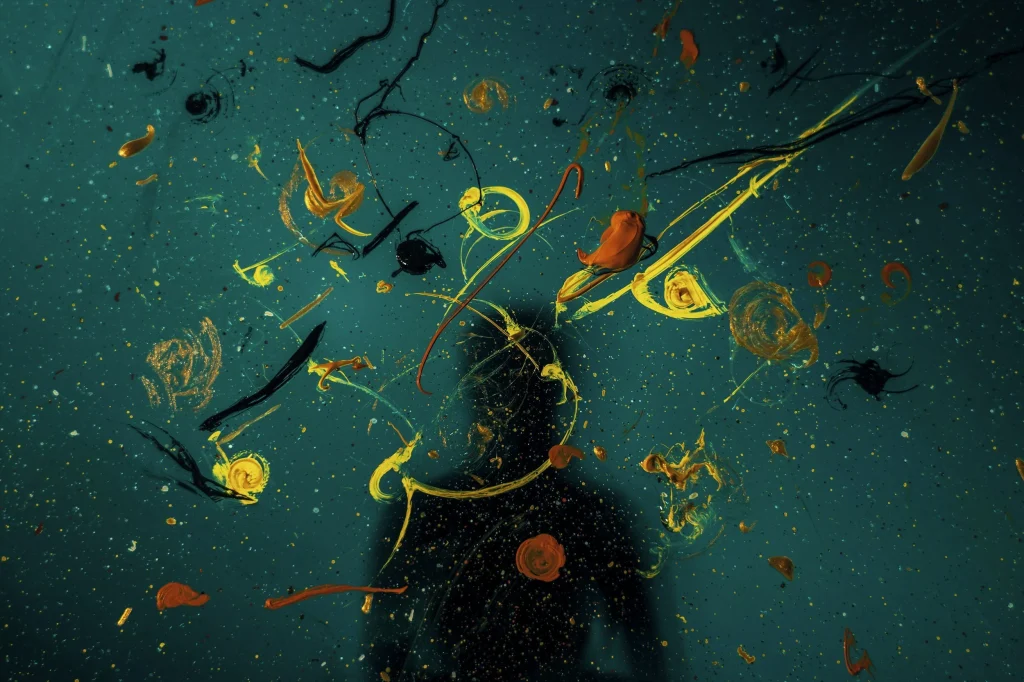
One of the most significant contributions of art to mental well-being is its ability to provide a sense of escape. When individuals focus on a painting or engage in crafting, they often find themselves entering a state of mindfulness. This state, sometimes described as “flow,” occurs when a person is fully absorbed in an activity, allowing worries and anxiety to fade into the background. Research from the National Endowment for the Arts indicates that this immersion can lead to a decrease in stress hormones, which directly correlates to a more peaceful mind. Consider the nostalgic experience of weaving a basket or strumming a guitar—activities like these can redirect the brain’s focus, creating a meditative experience that calms the storm of thoughts we often navigate.
Moreover, artistic hobbies can also facilitate emotional expression, offering individuals a language to communicate feelings that might otherwise be difficult to articulate. For those grappling with depression or anxiety, the act of creating art can serve as a therapeutic outlet. Through brush strokes or song lyrics, emotions can be externalized, relieving the mental burden and fostering catharsis. In fact, mental health professionals have long recognized the power of art in therapy; art therapy programs across the United States have shown promising results in helping patients connect with their emotions and experiences in a safe environment.
The benefits of engaging in artistic hobbies extend far beyond emotional release. Among the many advantages, consider these key aspects:
- Increased Focus: The concentration required during artistic activities can improve cognitive function. Dedicating time to refine one’s craft enhances attention span, making it easier to navigate everyday tasks with increased clarity.
- Community Connection: Joining art classes or community groups creates opportunities for social interaction and support. These connections can combat feelings of isolation, essential for those struggling with mental health issues.
- Routine Establishment: Committing to regular artistic practice can establish a healthy routine, which is beneficial for mental stability. Setting aside time each week to create can provide structure to one’s life, fostering a sense of reliability and purpose.
As the evidence continues to mount about the intersection of art and mental health, it becomes increasingly clear that carving out time for artistic hobbies is not just a leisure activity—it can be a fundamental aspect of maintaining mental well-being. By exploring our creative sides, we may not only reduce stress but also illuminate pathways toward a healthier, more fulfilled life.
The Importance of Art in Mental Health: How Artistic Hobbies Can Help Reduce Stress
Artistic hobbies have been gaining recognition in mental health discourse, proving their invaluable role in enhancing emotional well-being. Expressive activities such as painting, drawing, and crafting are not just creative outlets; they serve as profound therapeutic tools that foster relaxation and reduce stress levels. Engaging in the arts allows individuals to connect with their inner thoughts and feelings, often leading to personal insights and emotional relief.
Studies suggest that participating in creative activities can be comparable to mindfulness practices. The focus required in art helps individuals immerse themselves fully in the moment, enabling a break from daily stressors. This mindful engagement promotes a sense of calm and facilitates emotional expression, thereby acting as a release valve for pent-up stress. In turn, this can lead to increased self-esteem and greater overall life satisfaction.
Moreover, artistic hobbies can nurture social connections. Group classes or shared projects create community interactions, fostering relationships that counteract feelings of isolation. The camaraderie formed in such settings is particularly important for those experiencing mental health challenges, as it provides a support network along with opportunities for encouragement and validation.
The act of creating art can also stimulate the release of neurotransmitters, such as dopamine, known for its association with pleasure and motivation. This biochemical response can help alleviate feelings of depression and anxiety, further underscoring the importance of integrating artistic practices into mental health strategies.
| Artistic Benefits | Description |
|---|---|
| Stress Relief | Art provides a distraction and a meditative state, promoting relaxation. |
| Emotional Expression | Creative outlets offer ways to articulate feelings that may be difficult to express verbally. |
In summary, the significance of artistic hobbies in enhancing mental health cannot be overstated. They serve as powerful avenues for self-expression, community building, and emotional healing. By integrating creativity into daily life, individuals can forge pathways to a healthier, more balanced mental state. It is essential for practitioners and individuals alike to recognize these benefits and explore the myriad ways in which art can support mental health resilience and recovery.
The Therapeutic Power of Art: Evidence and Impact
Artistic hobbies play a significant role in mental health therapy, and their benefits are increasingly backed by scientific research. Numerous studies highlight how engaging in creative activities can bring healing and relief to individuals grappling with mental health challenges. For instance, a study published in the Journal of the American Art Therapy Association revealed that adults who participated in art-making experienced significant reductions in anxiety and depressive symptoms. These findings provide compelling evidence that embracing artistic pursuits can facilitate healing by altering the way we process emotions.
Additionally, art serves as a non-verbal method of communication, particularly valuable for those who find discussing their feelings difficult. Creative outlets such as painting or music allow individuals to convey emotions that may escape everyday language. This aspect is particularly beneficial for children and adolescents, who often struggle to articulate their feelings. Schools and therapists that incorporate art into their programs report improved emotional intelligence among students, as creative expression becomes a tool for understanding and processing emotions.
Moreover, participating in artistic hobbies engages multiple areas of the brain, enhancing cognitive functioning and helping individuals develop resilience against stress. A study conducted by the University of Florida explored how working on artistic projects leads to increased brain connectivity, thus improving overall mental agility. The structured approach to artistic creation—whether it’s following a recipe to bake, weaving a tapestry, or choreographing a dance—imparts a sense of accomplishment. This achievement fosters self-esteem and reinforces a positive outlook on life.
The impact of art on mental health is not just confined to the studio or classroom; it extends into daily life. People who engage regularly in artistic activities report improved coping strategies when confronted with stressors. By developing a comfort and familiarity with the creative process, individuals train their minds to navigate challenges with a sense of calm and creativity. This concept of creativity as a problem-solving tool is gaining traction, as many businesses are now incorporating art into workplace wellness programs, highlighting its role in enhancing employee well-being and productivity.
Furthermore, the digital age has brought forth new platforms for artistic expression, making it even more accessible. Online communities and social media enable individuals to share their work and connect with others who share similar interests. Platforms like Instagram or TikTok are brimming with creative content that inspires users to explore their artistic sides. This connectivity fosters community support and accountability, essential elements for those battling isolation associated with mental health issues.
Aside from individual benefits, the collective experience of engaging in art offers therapeutic advantages at a community level. Group art projects or community murals enhance social bonds and cultivate a sense of belonging among participants. Such initiatives help diminish the stigma surrounding mental health struggles as they promote open conversations about emotional well-being while uniting diverse groups in a creative endeavor.
In summary, as the connection between art and mental health gains recognition, it becomes clear that artistic pursuits can foster significant positive outcomes. By engaging in creative practices, individuals not only enhance their mental vitality but also contribute to a broader understanding of mental wellness as a community effort. In a world increasingly characterized by stress and anxiety, embracing art as a vital component of mental health strategies is not just beneficial; it is essential.
Embracing Art: A Pathway to Mental Wellness
In conclusion, the profound relationship between art and mental health underscores the necessity of integrating artistic hobbies into our daily lives as a means to combat stress and enhance emotional well-being. The evidence supporting the therapeutic benefits of creative activities is indisputable, revealing that whether through painting, music, or dance, individuals can significantly improve their mental resilience and emotional processing abilities. Notably, art acts as a unique form of self-expression, allowing many to communicate feelings that may be difficult to articulate verbally.
Moreover, as our society emerges from the shadows of stigma surrounding mental health, the collective experience of art becomes increasingly important. Community art projects not only unite participants but also foster healthy dialogues about mental challenges, reinforcing the idea that no one is alone in their struggles. The advent of digital platforms provides an additional layer of accessibility, ushering in a new era of creativity where support networks flourish online, inspiring countless individuals to pursue their artistic passions.
Ultimately, as we prioritize mental wellness, it is crucial to recognize the role of art not merely as a leisure activity but as a vital tool for stress reduction and emotional healing. Engaging in artistic pursuits shouldn’t just be seen as optional; it is an essential strategy for cultivating resilience in an increasingly fast-paced world. By embracing creativity, we open the doors to profound personal growth and community solidarity, paving the way for a healthier, more vibrant society.