The Evolution of Musical Technologies and Their Impact on New Generations of Musicians
The Impact of Technological Advances on Music
The evolution of music has always been closely linked to technological innovations, each new invention reshaping how artists express themselves and how audiences perceive their work. Historical milestones, such as the invention of the phonograph by Thomas Edison in 1877, paved the way for recorded music, allowing songs to reach listeners far beyond the limitations of live performances. This groundbreaking technology marked the beginning of a new era, where music quickly transitioned from an ephemeral art form into a commodity that could be distributed, shared, and sold.
Fast forward to the modern day, and we find ourselves immersed in a fast-paced world where technological advancements continue to redefine the musical landscape. The introduction of electronic instruments, such as synthesizers and drum machines, has given rise to new genres like electronic dance music (EDM) and hip-hop. Artists like Daft Punk and Flume utilize these tools to craft unique soundscapes that challenge traditional musical boundaries, inspiring countless up-and-coming musicians to explore this creative frontier.
Digital recording technologies, epitomized by industry standards like Pro Tools and Logic Pro, have made music production more accessible than ever. Independent artists can now produce studio-quality tracks from their homes, often eliminating the need for costly studio time. This shift has empowered musicians to experiment freely, allowing for an explosion of creativity in genres that might have otherwise gone unheard in the mainstream.
Furthermore, the rise of streaming platforms such as Spotify, Apple Music, and SoundCloud has transformed music consumption patterns. These services enable artists to distribute their work globally, reaching audiences without the constraints of physical media. For instance, Billie Eilish leveraged these platforms to build a substantial following before signing with a major label, exemplifying how emerging artists can utilize digital technologies to launch their careers.
As we explore the tools available to today’s musicians, it becomes clear that access to mobile apps has revolutionized music creation. Applications like GarageBand and BandLab allow users to compose, edit, and mix music directly from their smartphones, democratizing the music production process. This has resulted in a surge of creativity from artists who may have never had the opportunity to write or record music using traditional methods.
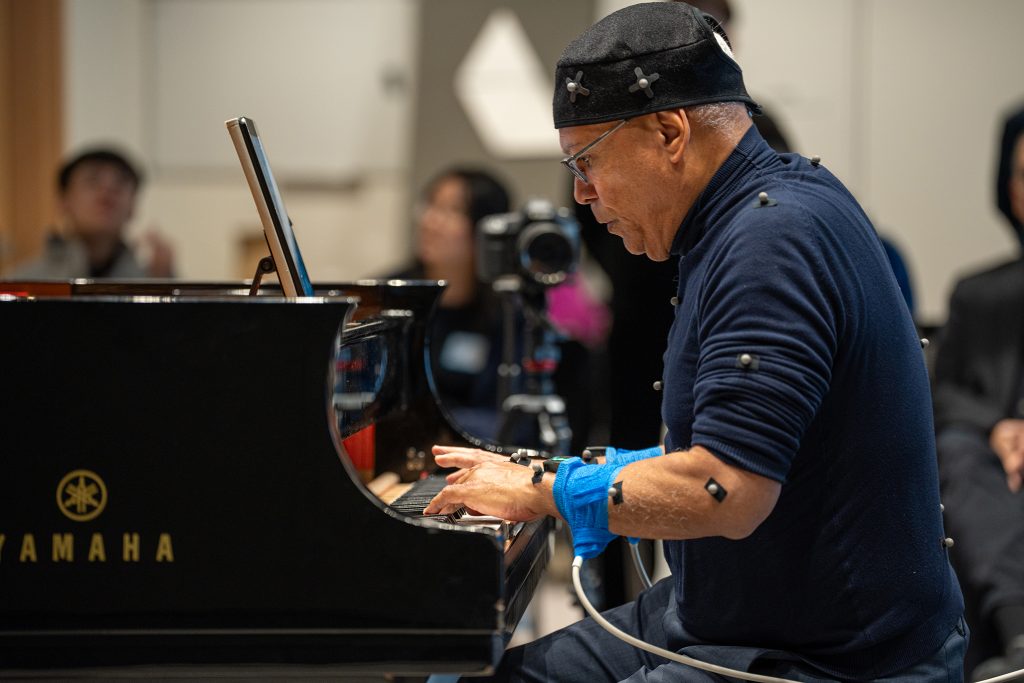
Moreover, collaborative tools like Splice facilitate creative partnerships and remote collaboration among musicians. Artists can now connect online, share their ideas, and refine tracks together, regardless of geographical barriers, resulting in rich musical fusions that reflect a diverse range of influences.
Social media platforms have become crucial for artist promotion and fan engagement. The ability to interact directly with a dedicated audience allows musicians to cultivate loyal followings and share their creative processes transparently. Platforms like TikTok have even birthed viral trends that can propel a song to the top of charts overnight, altering the way music is marketed and discovered.
In conclusion, this convergence of innovation and accessibility is reshaping the music industry, presenting both opportunities and challenges for emerging talents. As we delve deeper into the evolution of musical technologies, it becomes essential to consider the implications of these advancements on the nature of artistry itself. How will future artists navigate this intricate landscape? The answers are as diverse as the music they create, inviting us all to explore and engage with this ever-changing world.
The Changing Landscape of Music Production
The last few decades have witnessed a seismic shift in the way music is produced, thanks to a series of groundbreaking technological innovations. With the advent of digital audio workstations (DAWs), musicians have more power at their fingertips than ever before. Programs like Ableton Live and Cubase enable artists to manipulate audio with precision, integrate sounds from multiple sources, and experiment with different styles, democratizing the workflow that was once confined to professional studios. Today, even a high-school student with a laptop can produce music that rivals tracks coming from major recording labels.
One of the most striking aspects of this transformation is the accessibility of music-making tools. Digital audio interfaces and microphones are now available at an affordable price, enabling aspiring musicians to record high-quality tracks from their bedrooms. Furthermore, the availability of online tutorials and community forums has fostered a culture of learning and collaboration among musicians at all levels. This increased accessibility has led to a surge in independent artists, resulting in a vibrant and diverse musical ecosystem.
In addition to improved tools for production, the rise of virtual instruments has significantly influenced the creative process. Applications like Native Instruments’ Kontakt and Arturia’s V Collection provide musicians with an array of sounds that mimic traditional instruments or create entirely new sonic landscapes. This fusion of realism and innovation allows artists to experiment with genre-blending that would have been difficult to achieve in earlier times. As traditional boundaries evaporate, new genres are born, showcasing the ingenuity of the modern musician.
Collaborative Innovation in Music
The evolution of technology has also redefined how artists collaborate. In contrast to the past where geographical barriers could hinder creative partnerships, the digital age allows musicians from different corners of the globe to join forces. Online platforms like Soundtrap and SoundBetter make it easy for artists to work together, regardless of their location. This collaborative spirit is leading to a wealth of innovative music that brings together diverse influences and experiences.
- Remote Recording: Artists can invite renowned producers to mix their tracks without being in the same room.
- Creative Exchange: Collaborative projects often result in unique musical fusions that may not have been possible within a single cultural context.
- Networking Opportunities: Emerging artists can connect with established industry professionals, creating pathways that were once nearly impossible to navigate.
As technology continues to evolve, the impact on new generations of musicians remains profound. The tools at their disposal enable them to push boundaries, defy conventions, and carve out their own niches in an ever-expanding industry. With music becoming more globalized and diverse, the question arises: how will these advancements continue to influence the artistry and authenticity of the music produced? The answers may be waiting just around the corner, as the next generation prepares to redefine the soundscape of our world.
The Role of Digital Platforms in Music Creation
The rise of digital platforms has revolutionized music creation, democratizing access to production tools and distribution channels. In the 21st century, emerging musicians can now produce high-quality tracks from the comfort of their own homes, utilizing software such as Digital Audio Workstations (DAWs). This shift has significantly lowered the barrier to entry in the music industry, allowing anyone with a computer and a creative mindset to explore their musical talents.
The Influence of Social Media on Artist Exposure
Social media
The Impact of Virtual Reality (VR) on Live Performances
The integration of virtual reality (VR) technology is pushing the boundaries of traditional live performances. New tools allow musicians to create immersive experiences that transport audiences into virtual worlds, redefining concert attendance. These technological advancements create opportunities for artists to engage with fans in unprecedented ways, providing a platform for unique creative expressions.
The Importance of Collaborative Tools for New Musicians
Today’s musicians have access to a plethora of collaborative tools that streamline the creation process. Online collaboration platforms enable artists to co-write songs and produce music with others across the globe, breaking down geographical barriers. This interconnectedness fosters innovation, as diverse musical influences blend together, giving rise to new sounds that transcend traditional genres.
| Category | Advantages |
|---|---|
| Digital Platforms | Access to professional production tools and lower costs of entry for musicians. |
| Social Media | Increased exposure and direct engagement with fans. |
| VR Technology | Immersive experiences enhance live performances, attracting diverse audiences. |
| Collaborative Tools | Fosters creativity and innovation through global collaborations. |
These advancements highlight a significant transformation in the music landscape, shaping the future of how music is created, shared, and experienced by new generations of musicians.
The Role of Streaming Platforms in Musical Discovery
The rise of streaming platforms such as Spotify, Apple Music, and YouTube has dramatically reshaped the music landscape for new generations of musicians. These platforms not only provide an audience but also serve as critical tools for discovery, allowing artists to reach listeners at a global scale without the constraints of traditional distribution methods. The integration of user-friendly algorithms personalized recommendations is crucial in enabling artists to gain traction, making it easier for aspiring musicians to carve out a space among established acts.
In this new ecosystem, data analytics play a pivotal role. Musicians can track where their fanbase is growing, what songs resonate the most, and which demographics are engaging with their music. Understanding listener trends allows artists to tailor their promotional strategies and design targeted marketing campaigns that connect better with potential fans. Platforms like Spotify for Artists offer in-depth analytics, allowing musicians to make informed decisions regarding their creative directions, tours, and merchandise.
Social Media as a Launchpad for Fame
The saturation of music on streaming platforms has led artists to seek creative ways to stand out, and this is where social media becomes an essential tool. Platforms such as TikTok, Instagram, and Twitter have transformed the way musicians promote their work. Viral challenges and short-form content can propel a song to stardom overnight, showcasing the rapid pacing of the digital age in influencing music trends. A prime example is Lil Nas X’s “Old Town Road,” which exploded in popularity after being featured in numerous TikTok videos, ultimately redefining the scope of genre and audience engagement.
- Direct Fan Interaction: Musicians can engage with fans directly, fostering communities that not only support their work but also provide valuable feedback.
- Collaborative Content Creation: Social media has enabled partnerships that transcend traditional music formats; artists can collaborate with influencers or even fellow musicians from across the globe to create unique materials that appeal to diverse audiences.
- Grassroots Movements: Crowdfunding and grassroots promotion are now viable options for musicians seeking to launch their careers, allowing them to gauge interest and build a solid fan base before investing in larger-scale production.
The interdependence between technology and social media allows new musicians to document their creative processes, making fans feel like part of their journey. This transparency creates a sense of authenticity and connection, elements highly valued by today’s listeners. As artists use these tools to create and distribute music, they fundamentally challenge traditional notions of success and artistry.
The Future of Music Technologies
Advancements such as artificial intelligence (AI) and machine learning are on the brink of transforming music production and consumption further. AI tools like OpenAI’s MuseNet and Amper Music are capable of composing original scores tailored to specific genres or individual preferences, sparking debates about the implications for human creativity. While some musicians may find AI as an intimidating competitor, others see it as an opportunity to enhance their workflow and expand creative possibilities.
Moreover, the potential for immersive technologies like virtual reality (VR) and augmented reality (AR) in live performances presents a revolutionary way to experience music. Conceptual shows could incorporate visual art and interactive elements, inviting audiences to engage in ways previously unimaginable. As these technologies become more accessible, they will likely inspire new forms of musical expression and elevate the concert experience.
The intersection of technological innovation with evolving cultural consumption habits positions a new generation of musicians to redefine what it means to create and share music. With each evolution, artists face exciting challenges and opportunities that will continue to shape the future of musical artistry.
Conclusion: A New Era of Musical Creation
As we explore the evolution of musical technologies, it becomes evident that today’s musicians are at the forefront of a revolutionary creative upheaval. The democratization of music production and distribution through streaming platforms and social media has fundamentally altered not only how music is shared but also how it is experienced. These advancements empower aspiring artists, allowing them to transcend geographical boundaries and engage with a global audience, which was nearly unthinkable just a few decades ago.
The integration of data analytics provides artists with invaluable insights into their audiences, fostering strategic decisions that resonate with listeners. Meanwhile, platforms like TikTok catalyze viral marketing, illustrating that talent can now be propelled to fame through innovative online engagement rather than traditional industry gatekeeping. This ongoing transformation demands that musicians not only embrace technology but also adapt their artistry to fit this new digital landscape.
Looking forward, the incorporation of artificial intelligence and immersive experiences through virtual reality is poised to reshape the nature of musical expression even further. As musicians navigate these new tools and trends, they must balance authenticity with the mechanics of modern music creation. This era calls for a reimagining of what it means to be a successful artist, creating a symbiotic relationship between technology and creativity.
Ultimately, the future of music lies in an uncharted territory rich with possibilities. New generations of musicians stand ready to redefine the boundaries of artistry, sustainability, and engagement, ensuring that the evolution of musical technologies will continue to leave an indelible mark on culture for years to come.