The Art of Collaboration: How Group Artistic Hobbies Foster Collective Creativity
Cultivating Connections Through Collaborative Creativity
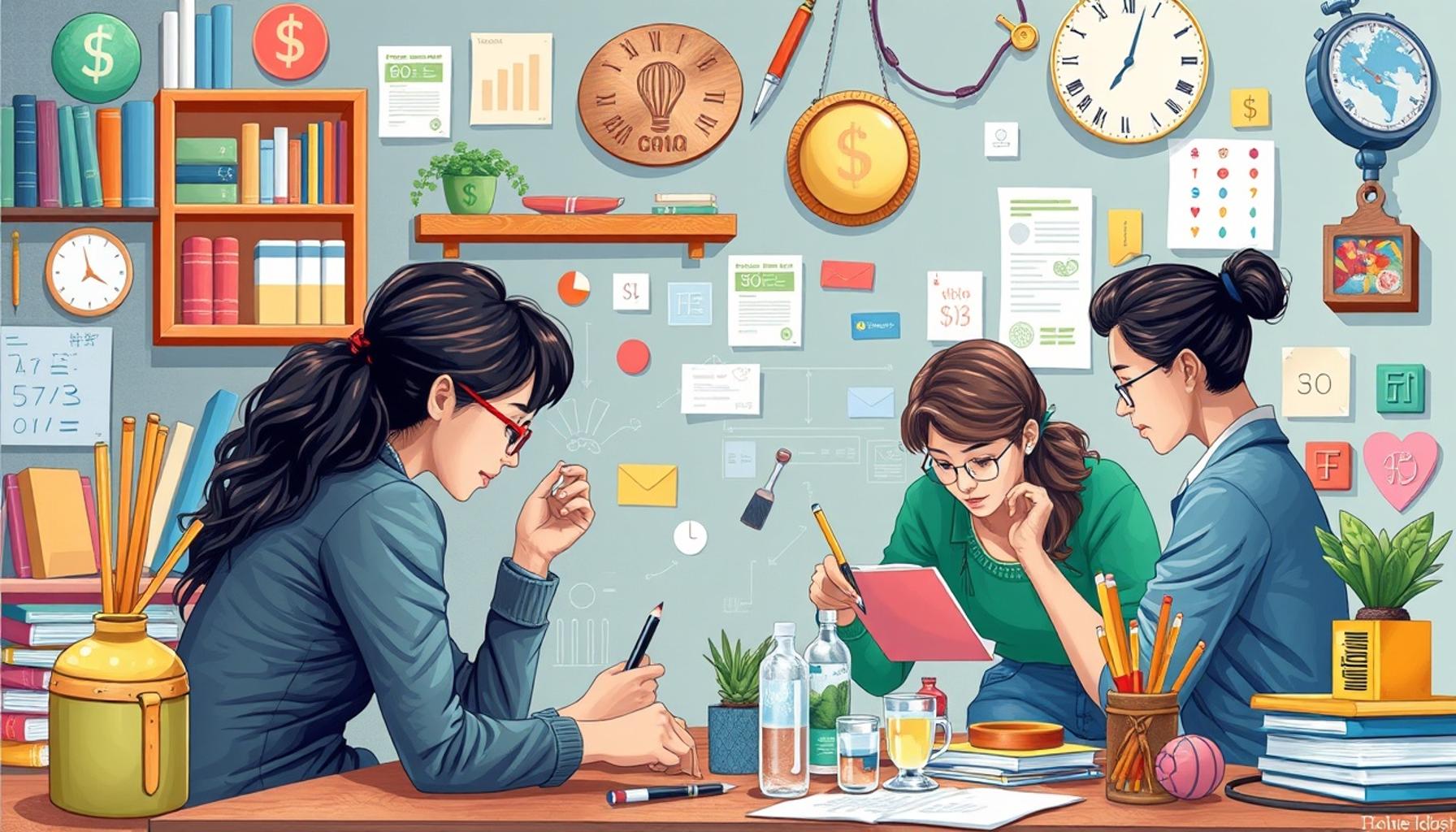
In today’s fast-paced society, where individual accomplishments often take precedence, the value of collaboration in fostering creativity is increasingly recognized. When artistic hobbies are pursued in groups, they transform from personal endeavors into vibrant platforms for collective expression. These shared experiences not only elevate artistic skills but also forge deep connections among participants, emphasizing the human side of creativity.
Benefits of Collaborative Artistic Hobbies
- Enhanced Creativity: Working with others can significantly enrich the creative process. When individuals collaborate, they bring unique insights and diverse backgrounds to the table, which can lead to innovative ideas that may not have emerged in isolation. For instance, a group of writers may collaborate to combine their storytelling styles, resulting in a multifaceted narrative that captivates audiences.
- Team Bonding: Engaging in artistic endeavors together fosters camaraderie. Shared experiences during the creative process build trust and deepen relationships, creating a supportive environment where participants feel encouraged to express themselves. A notable example of this can be seen in theater productions, where cast members often form close-knit bonds, leading to lifelong friendships and a shared creative legacy.
- Skill Development: Collaborative hobbies provide a rich environment for learning. Participants can share techniques and constructive feedback, allowing for mutual growth. For example, in a pottery class, an experienced potter might introduce newcomers to glazing techniques, while the beginners could inspire the veteran with fresh ideas and enthusiasm, leading to an exchange of knowledge that benefits everyone.
The diversity of collaborative activities illustrates the wealth of creative possibilities available to groups. Consider the impact of:
- Community Art Projects: These initiatives, such as local murals or collaborative installations, often reflect the shared values and cultural narratives of neighborhoods, engaging residents while adding vibrancy to public spaces. Projects like the ‘Art in the Park’ initiatives across various U.S. cities showcase this beautifully, where local artists and community members come together to express their identity and foster community pride.
- Craft Workshops: These hands-on experiences encourage participants from various walks of life to come together. For instance, local libraries frequently host knitting or woodworking workshops, allowing people of all skill levels to learn from one another while creating tangible pieces that symbolize collaboration.
- Collaborative Music Groups: Bands and musical ensembles thrive on the fusion of different perspectives and backgrounds, leading to unique sounds and compositions. A prime example is the growing trend of community orchestras in numerous U.S. cities, where amateur musicians unite to perform classical pieces, blending their individual talents into harmonious performances.
Exploring the landscape of collaborative artistic hobbies reveals how communal efforts not only enhance creativity but also instill a profound sense of belonging. Whether you are a seasoned artist looking to expand your horizons or a curious beginner eager to experiment, collaboration opens doors to exciting realms of inspiration and shared experiences. Are you ready to immerse yourself in the enriching art of teamwork?
Unleashing Creative Synergy in Group Settings
Artistic collaboration is not merely a convergence of talents but rather a synergistic venture that amplifies individual creative expressions. The essence of collaboration in artistic hobbies lies in the rich tapestry of ideas and influences exchanged among participants. This collaborative environment encourages exploration and experimentation, which can yield unexpected and delightful results. By engaging with diverse perspectives, individuals often find themselves inspired to stretch their creative boundaries.
Cross-Pollination of Ideas
When people from varied backgrounds come together in artistic pursuits, the potential for innovation skyrockets. This cross-pollination of ideas allows for the blending of techniques, styles, and narratives, enriching the creative output. For instance, in a collaborative painting workshop, an abstract painter might introduce color theory and emotional expression, while a realist artist could emphasize detail and composition. The resulting artwork may incorporate elements from both styles, creating something entirely unique and compelling.
The Role of Community in Creative Endeavors
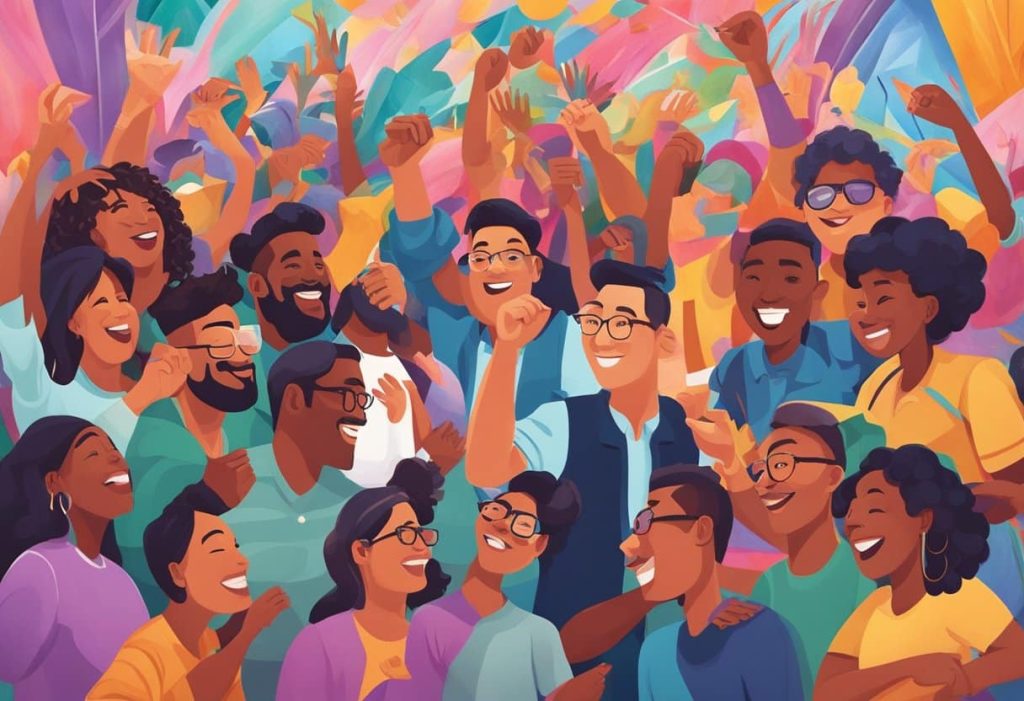
Collaboration also engenders a sense of community, which is particularly vital in fostering motivation and engagement. The shared experience of working toward a common artistic goal creates a supportive atmosphere, where each participant feels valued and inspired. This community aspect can be observed in:
- Book Clubs: These gatherings often provide a platform for aspiring writers to share their work, offering constructive feedback that enriches the literary voices within the group. Participants can explore different genres and storytelling techniques, ultimately enhancing each writer’s skills while fostering a sense of belonging.
- Artistic Retreats: Attending a retreat focused on a specific artistic discipline allows individuals to immerse themselves in creativity surrounded by like-minded individuals. These environments often facilitate friendships and collaborations that extend beyond the retreat, culminating in joint exhibitions or projects.
- Online Collaborations: The digital age has transformed collaboration, enabling artists to connect across distances. Social media platforms and creative forums provide safe spaces for individuals to form virtual collectives, experiment with ideas, and showcase their work to larger audiences. This democratization of art makes collaboration accessible to anyone with internet access and opens up exciting possibilities for new partnerships.
Ultimately, engaging in group artistic hobbies nurtures talent while paving the way for deeper connections and richer life experiences. The transformative power of collaboration not only broadens the creative horizon for individuals but also enriches the cultural fabric of communities. As we delve into the various forms of artistic collaboration available, it becomes evident that embracing collective creativity is not just beneficial; it is essential for personal and communal growth in the arts.
The Joy of Shared Creativity
Artistic hobbies have a unique way of bringing people together, fostering an environment where collaboration thrives. Engaging in group artistic activities not only enhances individuals’ creative skills but also strengthens social bonds. Whether it’s a community painting event or a group pottery class, participants often find that working collectively allows for the exchange of ideas, techniques, and inspirations that they may not encounter in solo ventures.
Building Trust and Confidence
When individuals collaborate on artistic projects, they are often stepping out of their comfort zones. This shared vulnerability helps to build trust among participants, paving the way for more open and honest communication. In a supportive group setting, artists can take risks and explore new techniques without the fear of judgment. This process not only boosts their artistic confidence but also cultivates a sense of belonging—an essential element for creative innovation.
Fuelling Diverse Perspectives
Diversity is a fundamental pillar of creativity. Different backgrounds, experiences, and viewpoints can greatly enhance an artistic project. In group settings, participants are exposed to a myriad of interpretations and styles, which can inspire them to think differently about their creations. Research shows that diverse teams not only perform better but also have a greater capacity for creativity, making group artistic hobbies a powerful tool for collective innovation.
The Role of Feedback
One of the great advantages of participating in group artistic activities is the feedback loop created by collaboration. Constructive criticism from peers can guide artists toward better techniques and fresh ideas. This feedback enhances individual artists’ growth while also optimizing group outcomes. The act of sharing and receiving critique positively impacts not only the quality of the artwork produced but also the personal growth of each artist involved in the process.
| Category 1 | Category 2 |
|---|---|
| Shared Learning | Participants gain new techniques and insights from each other. |
| Enhanced Creativity | Collaborative art sessions lead to innovative ideas and creations. |
With these enriched experiences, participants may find that not only do their artistic abilities improve, but they also forge lasting relationships that transcend the art itself. The connections cultivated through shared creative endeavors inspire ongoing collaboration, creating a vibrant community of artists committed to collective growth and expression.
Building Unbreakable Bonds Through Shared Creativity
The act of creating art is often seen as a solitary pursuit; however, the magic truly unfolds when artists come together. The collaborative process not only enhances creativity but also fosters emotional connections among participants. This phenomenon can be seen in various formats, enriching the experience for all involved and creating memories and bonds that last beyond the initial endeavor.
The Therapeutic Nature of Artistic Collaboration
Engaging in group artistic hobbies goes beyond mere creativity—it can serve as a powerful tool for emotional well-being. Many community art programs have recognized the therapeutic benefits of collaboration. For example, in therapeutic art workshops, participants are encouraged to express their feelings through joint projects. The shared vulnerability of expressing emotions artistically provides immense healing opportunities, allowing individuals to bond over common experiences. Art therapy groups have documented significant improvements in participants’ mental health, showing the effectiveness of collaboration as a form of emotional relief.
The Power of Diverse Skill Levels
Collaboration encourages inclusivity by welcoming individuals at varying skill levels. When experts pair with novices, a mutually beneficial exchange occurs. Experienced artists can guide less experienced ones, while newcomers often bring fresh perspectives to seasoned techniques. A community mural project illustrates this dynamic perfectly; a professional muralist can share advanced painting methods, while local students may introduce vibrant neighborhood themes, combining to create a beautifully intricate mural that resonates with the community.
This blending of skill levels fosters a learning environment where everyone thrives. Participants become teachers and students simultaneously, enhancing their artistry while building confidence. Research has shown that mentorship within creative settings can significantly improve both personal growth and artistic development.
Creating Lasting Legacies Through Collaborative Projects
Collaborative artistic endeavors often culminate in works that encompass the collective voice of a group, turning isolated visions into powerful legacies. Large-scale projects such as community film festivals, public art installations, or collaborative music albums demonstrate how contributions from multiple individuals can create a profound impact. For instance, the success of projects like “The Mural Project” in Nashville showcases how local artists and community members unite to reflect their shared stories, invigorating local culture while leaving behind an enduring mark on the urban landscape.
Such projects not only beautify spaces but also celebrate the heritage and memories of communities, intertwining individual stories into a broader narrative. The artistic product becomes a beacon that attracts attention, drawing in visitors and fostering communal pride.
Fostering Innovative Solutions Through Collaboration
In addition to artistic merits, collaboration in creative groups can lead to innovative solutions. When individuals brainstorm together, pooling diverse knowledge, they often generate unexpected ideas that can solve challenges in their artistic pursuits. This concept, known as collective intelligence, has gained traction in various platforms, from local artist collectives to large-scale international projects.
For example, the rise of “hackathons” in areas of arts technology—where developers, artists, and designers collaborate intensively over a short period—has demonstrated how diverse skills culminate in novel artistic expressions, often leading to groundbreaking creativity in digital art and cross-disciplinary projects. This collaborative spirit not only nurtures creativity but also encourages problem-solving directly through artistic means.
Through the endless possibilities of collaboration, participants not only enhance their artistic skills but also forge relationships that celebrate shared experiences. As these developments showcase, the act of creating together not only shapes vibrant art but also nourishes the community fabric, intertwining lives and narratives in ways that profoundly resonate.
Conclusion: Embracing the Power of Collective Artistic Endeavors
The exploration of collaborative artistic hobbies reveals a dynamic interplay between creativity, community, and emotional connection. As we have seen, shared experiences in art lead to stronger bonds, fostering environments where individuals express vulnerability and cultivate trust. Through group projects, artists of all skill levels can thrive, creating a symbiotic relationship that enhances individual abilities while paving the way for inventive ideas and innovative solutions.
Moreover, the therapeutic nature of creating art in a community setting cannot be overstated. Participants not only channel their emotions but also engage in a healing process that benefits mental health and overall well-being. The legacies forged in collaborative projects serve as lasting testaments to collective stories, transforming spaces and communities while celebrating the unique contributions of each participant.
As we delve deeper into the significance of collective creativity, it becomes evident that fostering these endeavours is crucial. Whether through community murals, workshops, or interdisciplinary collaborations, we can leverage the power of art to build inclusive environments that resonate on multiple levels. This potential calls for individuals and organizations alike to embrace group artistic activities, inviting everyone to experience the joy and enrichment that arises from collaboration. By doing so, we can ensure that the art of collaboration continues to thrive, creating a vibrant tapestry of creativity across communities.