Natural Feeding Tips: How to Create a Healthy and Balanced Diet for Your Dog or Cat
Understanding Your Pet’s Nutritional Needs
In an era when health consciousness is at an all-time high for humans, pet owners are increasingly extending this awareness to their furry companions. Ensuring that pets receive a high-quality, balanced diet is critical for their overall well-being and longevity. With countless commercial pet food options filling supermarket aisles, the task of selecting the right nutrition can feel daunting. It’s crucial to prioritize foods that promote optimal health while aiming to understand the distinctive needs of each pet.
The Benefits of Natural Feeding
Natural feeding can offer a wealth of benefits, including:
- Improved Digestion: Whole, unprocessed foods tend to be easier on your pet’s digestive system, reducing the likelihood of gastrointestinal issues such as diarrhea and bloating. For instance, incorporating fresh, cooked carrots and pumpkin can help support digestion in dogs.
- Better Energy Levels: Nutrient-dense ingredients like lean meats and vegetables provide pets with the energy they need to engage in play and exercise. Many pet owners notice a significant boost in their pets’ vitality after switching to a natural diet, which can lead to more active lifestyles.
- Healthy Skin and Coat: Natural diets filled with appropriate fatty acids, such as those found in fish oils, often lead to shinier fur and improved skin health. Pets fed quality whole foods consistently exhibit fewer skin irritations and allergies.
Key Components of a Balanced Diet
Building a healthy diet for your dog or cat requires careful consideration of several key components:
- Proteins: Vital for muscle growth and repair, opting for wholesome protein sources like chicken, fish, and lean beef is essential. For example, a simple homemade recipe could include cooked chicken mixed with brown rice and vegetables, guaranteeing that your pet gets the necessary nutrients.
- Carbohydrates: Providing energy through whole grains and vegetables such as brown rice, quinoa, and sweet potatoes can be beneficial. These ingredients slow the release of carbohydrates, helping maintain stable energy levels throughout the day.
- Fats: Healthy fats, such as those found in fish oil, are essential for maintaining proper body function and promoting a healthy coat. Incorporating sources of omega-3 and omega-6 fatty acids can significantly enhance skin and fur quality, adding luster to your pet’s appearance.
To craft a diet that’s not only delicious but also essential for your pet’s long-term health, it’s important to stay informed about their specific needs based on breed, age, and activity levels. Consult with a veterinarian to pinpoint any additional dietary requirements that may be necessary for your pet. With diligent research and thoughtful adjustments, transforming your pet’s diet into one that aligns with natural feeding principles can lead to a happier, healthier life. Stay tuned to uncover more detailed strategies for implementing these natural feeding tips effectively.
Crafting Recipes for Your Pet
While commercial pet foods dominate the market, creating homemade meals for your furry friend can be both rewarding and beneficial. The practice of preparing nutritious meals at home is not only a way to bond with your pet but also ensures control over the ingredients used. When crafting recipes for your dog or cat, it’s important to strike a balance that aligns with their specific dietary needs. Consider these fundamental elements when creating your pet’s meals:
- Variety: Just like humans, pets thrive on a diverse diet. Incorporating a range of protein sources, vegetables, and carbohydrates can help meet their nutritional needs while preventing meal fatigue. For instance, alternating between chicken, turkey, and fish not only keeps your pet interested but also introduces varied vitamins and minerals into their diet.
- Portion Control: Understanding the appropriate portion size is crucial in preventing obesity, a growing concern among pets in the U.S. Adjust meal quantities based on your pet’s size, age, and energy levels. For example, a seasoned vet may recommend a specific calorie count based on your dog’s or cat’s body weight to maintain a healthy body condition.
- Proper Cooking Methods: The way in which you prepare your pet’s food can significantly affect its nutritional value. Cooking methods such as boiling or steaming vegetables preserve essential nutrients better than frying. Moreover, raw diets are gaining traction, but it’s essential to do thorough research and consult a vet to ensure safety and nutrition.
Ingredient Safety and Toxic Foods
As you embark on this journey of natural pet feeding, it’s vital to be aware of ingredients that can be harmful. Certain foods common in human diets are actually toxic to pets, and knowledge is key to keeping them safe. For example, grapes and raisins can cause kidney failure in dogs, while onions and garlic can damage red blood cells. Additionally, chocolate consumption can lead to serious health issues. Making informed choices about what goes into your pet’s meals reduces risks and supports their health.
Supplementing for Nutritional Balance
Homemade diets may sometimes lack certain essential nutrients, making it necessary to consider appropriate supplements. Always consult a veterinarian to identify any deficiencies and discuss the possibility of adding vitamins and minerals to your pet’s meals. Options such as fish oil can enhance skin and coat health, while probiotics may support digestive wellness.
Incorporating natural feeding practices into your pet’s diet can be an enriching experience, enhancing their health and happiness. Consider employing a combination of the suggested strategies to tailor a diet that resonates with your pet’s individual needs. Remember, consistency and quality ingredients are paramount as you nurture your pet’s dietary habits, paving the way for a long, vibrant life.
Natural Feeding Tips: Understanding the Nutritional Needs of Your Pets
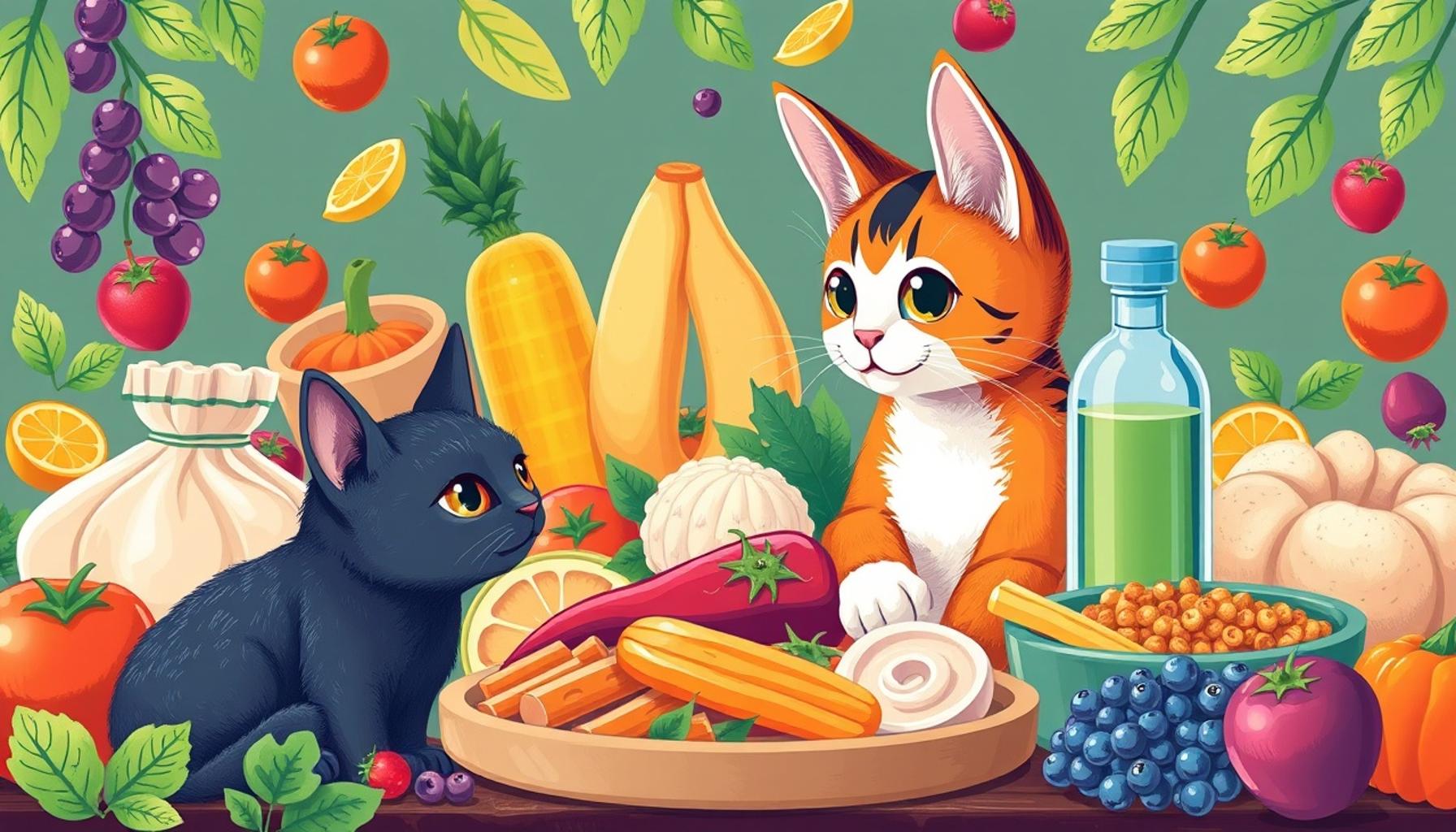
When considering natural feeding for your pets, it is essential to first grasp their specific nutritional requirements. Both dogs and cats have different needs based on their biological makeup, size, and activity levels. For instance, dogs are omnivores and require a balanced mix of protein, carbohydrates, and fats, alongside vitamins and minerals. On the other hand, cats are obligate carnivores, which means their diet needs to be rich in animal proteins and certain nutrients, such as taurine, that are not sufficiently found in plant-based foods.Planning meals with an understanding of these basic dietary needs will set the stage for a healthier lifestyle for your pets. Incorporating a mix of high-quality proteins like chicken, beef, fish, or eggs can ensure your pet gets the necessary amino acids for muscle growth and energy. Furthermore, adding vegetables such as carrots, peas, and sweet potatoes can contribute to their fiber intake, promoting digestive health.
Choosing Quality Ingredients
When exploring options for natural feeding, it becomes crucial to source quality ingredients. Look for fresh, whole foods from reliable sources. Organic produce is often a safe bet, as it is less likely to contain harmful pesticides or additives. Additionally, considering the inclusion of whole grains like brown rice or oats on occasion can provide essential fiber and energy sources.Supplementing commercial dog or cat food with natural ingredients can significantly enhance the nutrient profile. However, it is vital that pet owners are aware of which human foods are safe for pets and which are toxic. Foods like chocolate, grapes, onions, and garlic should always be avoided.
Creating Meal Plans
Developing a tailored meal plan that meets your pet’s unique dietary requirements is a strategic approach to natural feeding. Begin by consulting with a veterinarian who understands the nutritional needs of pets. They can help tailor a plan that considers your pet’s age, health conditions, and lifestyle.To maintain balance, you could consider adopting a rotation diet that introduces variety while ensuring nutritional adequacy. This approach not only helps to prevent deficiencies but also keeps mealtime exciting for your furry friends. When selecting your ingredients, remember to introduce new foods gradually to prevent digestive upset, observing how your pet reacts to any changes made.By gaining a deeper understanding of your pet’s dietary requirements, choosing high-quality ingredients, and crafting thoughtful meal plans, you can pave the way for a healthier and more vibrant life for your dog or cat.
| Category | Benefits |
|---|---|
| High-Quality Proteins | Supports muscle health and overall energy. |
| Fresh Vegetables | Provides essential fiber for digestive health. |
| Whole Grains | Offers a source of energy and aids digestion. |
| Variety in Diet | Prevents nutritional deficiencies and boredom. |
By implementing these strategies, pet owners can take significant strides towards providing a healthy and balanced diet for their beloved dogs and cats.
Understanding Nutritional Requirements
To successfully create a balanced diet for your dog or cat, diving into their nutritional requirements is imperative. Just like humans, pets have different dietary needs depending on their age, size, breed, and health status. Recognizing these variables ensures that you consistently meet their nutritional demands. Here are some key considerations:
- Protein Concentration: Dogs and cats are classified as carnivores (cats) and omnivores (dogs). This means they require a diet rich in protein. For example, quality meats like chicken, beef, and fish should account for a significant portion of their meals. According to the Association of American Feed Control Officials (AAFCO), protein should make up approximately 22-32% of a dog’s diet depending on their life stage, while cats typically need around 30-40%.
- Essential Fatty Acids: Fats play a vital role in maintaining your pet’s energy levels and promoting healthy skin and coat conditions. Omega-3 and Omega-6 fatty acids are particularly important. Foods such as salmon oil or flaxseed oil can serve as great supplements or ingredients. Not only do these fats provide energy, but they also have anti-inflammatory properties and can enhance heart health.
- Carbohydrate Sources: Carbohydrates aren’t typically the star of the show in pet diets, but they do offer an important energy source, especially for active dogs. Indeed, ingredients like sweet potatoes, brown rice, and oatmeal contribute to a balanced diet while also promoting digestive health through their fiber content.
Hydration: The Overlooked Essential
When discussing natural feeding and a balanced diet, it’s essential not to ignore hydration. Hydration is pivotal for your pet’s overall health, influencing everything from digestion to temperature regulation. Since many homemade diets omit moisture-rich ingredients, ensuring your pet has access to fresh, clean water is critical. Furthermore, consider incorporating wet food or adding water to dry kibble to boost their hydration levels. A general rule of thumb is that dogs should drink about one ounce of water per pound of body weight daily, while cats often require about 4 ounces per 5 pounds.
The Role of Treats in Diet Management
Natural feeding doesn’t exclude treats; they can play a significant role in your pet’s wellbeing when selected wisely. Always opt for high-quality, natural treats that complement their meal plan. For instance, fresh fruits like blueberries or slices of apple can be healthy rewards for dogs, while cats might enjoy a small piece of cooked chicken or fish. However, it’s crucial to monitor the portion sizes of treats to maintain a balanced calorie intake. They should account for no more than 10% of your pet’s overall daily calories to avoid weight gain.
As you navigate the world of home-cooked meals, remember that keeping up with your pet’s nutritional needs requires ongoing education and flexibility. Monitoring how they respond to different ingredients will help you fine-tune their diet over time, ultimately leading to a happier, healthier life for your beloved companion.
Conclusion
In conclusion, providing your dog or cat with a healthy and balanced diet through natural feeding practices is not just a trend; it’s a responsible choice backed by science. As we’ve explored, understanding your pet’s specific nutritional requirements is essential, considering factors like age, size, and activity level. The right balance of proteins, essential fatty acids, and carbohydrates plays a critical role in their overall health and wellbeing.
Moreover, hydration must be prioritized just as much as nutrition; ensuring that your pet has constant access to fresh water can significantly impact their health. Incorporating hydrating foods into your pet’s meals can enhance their overall dietary intake. Treats can also play a positive role in your pet’s diet, provided they are nutritious and make up a limited portion of their daily calories. This balanced approach can elevate your pet’s quality of life, preventing common health issues and encouraging longevity.
Remember, adopting a natural feeding routine requires a willingness to adapt and learn. Regularly monitoring your pet’s reactions to their diet will guide you in making necessary adjustments. As you embark on this rewarding journey of natural feeding, keep in mind that every meal is an opportunity to nurture and strengthen the bond you share with your furry friend. Embrace the power of natural ingredients, and see how they can transform your pet’s health, happiness, and vitality.