Music as a Tool for Social Connection: Building Bonds Through Group Musical Activities
The Power of Music in Fostering Social Bonds
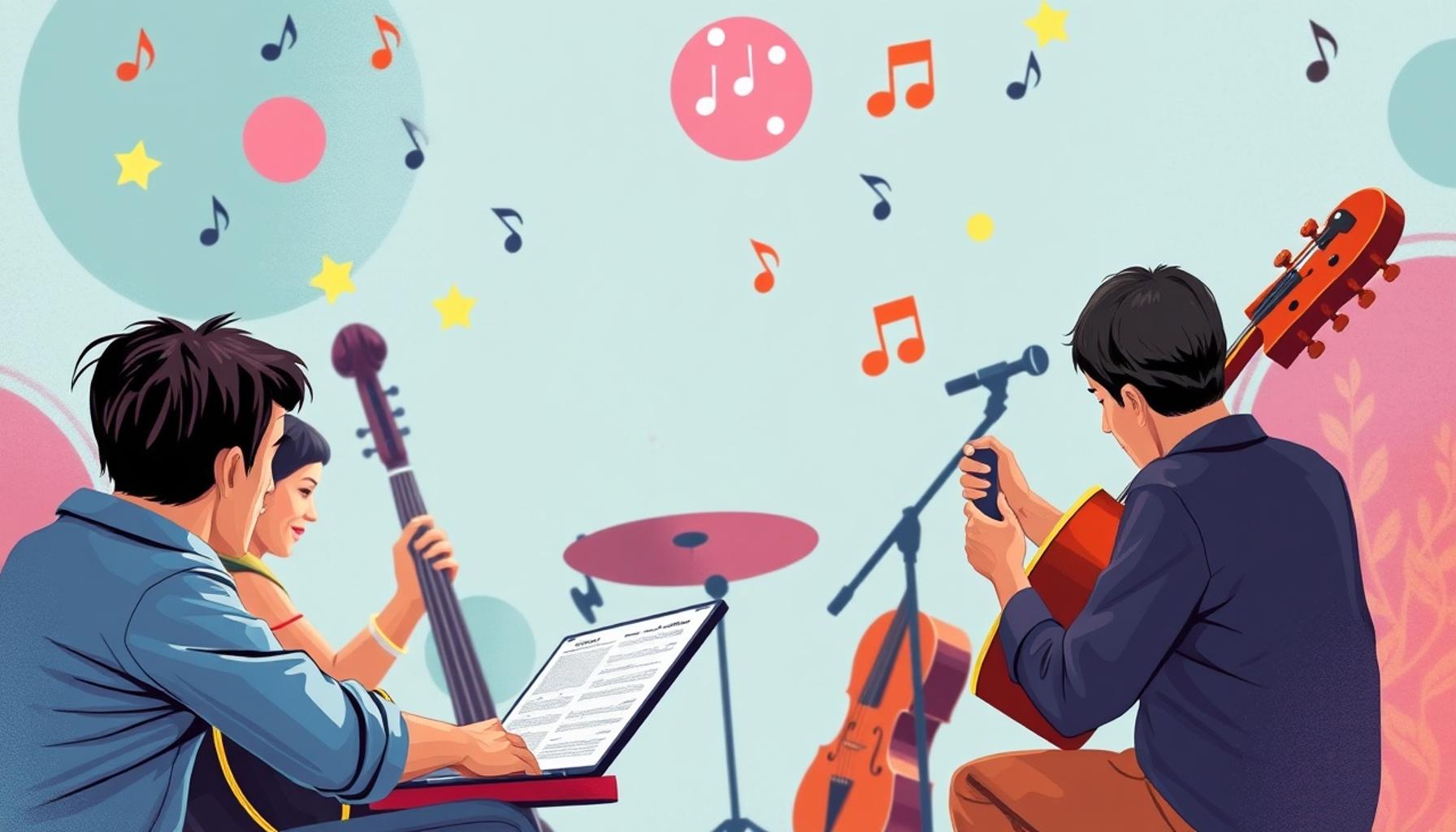
From ancient rituals where music accompanied traditional rites to the vibrant rhythms of modern-day festivals, music has always been a vital component in uniting people from diverse backgrounds. It serves as a universal language that transcends cultural and linguistic barriers, enabling individuals to share experiences and foster connections that might otherwise remain unattainable. This exploration reveals how group musical activities can harness this power, acting as a vital tool for creating social bonds.
Key Benefits of Participating in Musical Activities
Engaging in music as a group offers numerous advantages, not only to the individuals involved but also to the broader community. Here are some pivotal benefits:
- Community Building: Participating in musical events like local concerts or community bands instills a sense of belonging. These activities transform individuals into members of a greater collective, cultivating friendships and community spirit.
- Emotional Expression: Music provides a conduit for emotional expression, allowing participants to communicate feelings that words may often struggle to articulate. This is particularly transformative in settings such as music therapy groups, where individuals can explore their emotions in a safe and supportive environment.
- Cultural Exchange: By engaging with various musical traditions, individuals promote mutual understanding and appreciation of cultural diversity. For instance, community folk festivals often incorporate traditional music from different ethnicities, offering attendees the chance to explore and embrace new perspectives.
Overcoming Isolation through Music
Research consistently shows that individuals who participate in group music-making experience a significant reduction in feelings of isolation and loneliness. Activities like community choirs and drumming circles are excellent platforms for individuals to connect over shared passions. For example, the Sweet Adelines International organization has successfully united women from all walks of life through a shared love of singing. These groups not only create beautiful music but also foster lasting friendships that extend well beyond rehearsals.
Moreover, personal stories abound that illustrate the profound impacts of collaborative music-making. Consider a participant in a local church choir who initially sought solace in music due to personal struggles. Over time, as they joined rehearsals and performed with others, they found a supportive network that encouraged emotional healing and camaraderie.
Conclusion: A Call to Explore Group Musical Activities
As we delve deeper into the immense impact of music on social connections, it’s essential to highlight various group activities available to individuals. From community symphonies to informal jam sessions, the options are plentiful and inclusive. These musical gatherings not only enhance our interpersonal bonds but also have the power to transform entire communities. By fostering shared experiences and emotional connections, music can enhance our lives and promote a more harmonious society.
Unveiling the Impact of Group Musical Activities
The profound influence of group musical activities on social connectivity cannot be overstated. As people come together to create, experience, or appreciate music, they often find an innate sense of understanding and belonging. This interaction goes beyond mere entertainment; it becomes a catalyst for relationships built on shared interests and experiences.
The Neuroscience Behind Musical Bonding
Scientific research sheds light on the mechanisms through which music fosters social connections. When individuals engage in group musical activities, such as singing in a choir or participating in drum circles, their brains release oxytocin, often referred to as the “bonding hormone.” This neurochemical response encourages feelings of trust and connection among participants, contributing to stronger interpersonal bonds. Additionally, group music-making can increase the production of dopamine, a neurotransmitter associated with pleasure and reward, enhancing participants’ overall mood and further solidifying the social ties established during these activities.
Types of Group Musical Activities Promoting Connection
There is a wide array of group musical activities available that can cultivate social connections. Each of these options can create unique emotional and social experiences that resonate deeply with individuals. The following list highlights some popular formats:
- Community Choirs: Most towns have community choirs that welcome members regardless of skill level, fostering a sense of camaraderie and enjoyment as participants harmonize together.
- Drumming Circles: These inclusive gatherings allow individuals of all abilities to participate in music creation, reinforcing teamwork and cooperation while promoting personal expression.
- Group Instrument Classes: Various organizations offer instrument classes designed for beginners, encouraging participants to progress together, thereby creating a supportive learning environment.
- Music Festivals: Local and regional music festivals often focus on specific genres or cultural influences, drawing diverse crowds and providing ample opportunities for social interaction through shared musical appreciation.
Each of these activities not only enhances participants’ musical skills but also cultivates lasting relationships that can transcend the confines of the musical experience. The stories of friendships formed in these settings are numerous, with participants often citing their musical involvement as a significant catalyst for personal growth and social enrichment.
The Role of Music in Various Lifespan Stages
As individuals navigate different life stages, the role of music remains pivotal in facilitating connections. For children, joining a school band or orchestra helps introduce them to teamwork and collaboration. For adults, joining community music groups can offer a vital source of social interaction, especially for those facing life transitions such as moving to a new city or entering retirement. For seniors, music can be an engaging way to socialize and stave off feelings of loneliness, often leading to vibrant, supportive networks that keep spirits high.
In summary, group musical activities create opportunities for meaningful connections across all demographics. By understanding the ways in which music serves as a powerful tool for social bonding, individuals can begin to explore and engage in activities that promote a sense of togetherness and community. The journey through the fascinating intersection of music and socialization provides fertile ground for development and healing as participants come together in harmony.
| Advantages | Description |
|---|---|
| Enhanced Communication Skills | Participating in group musical activities promotes open communication, fostering social interaction and understanding among individuals. |
| Increased Sense of Belonging | Engaging in music together cultivates a shared identity, offering participants a feeling of belonging to a community. |
Group musical activities are vital for strengthening social connections within diverse communities. By enhancing communication skills, these activities not only break down personal barriers but also encourage deeper understanding and empathy among participants. Moreover, as individuals interact through music, they form a greater sense of belonging, contributing to mental well-being and interpersonal relationships. Research suggests that when people collaborate musically, they often experience increased happiness and motivation, while fostering collaboration and collective creativity.The transformative potential of music as a social connector is further evidenced by various community programs and workshops. These initiatives allow individuals from various backgrounds to come together, forging connections that would likely remain dormant in more traditional social settings. Thus, the vibrancy of music can serve as an essential tool for enhancing social cohesion and enriching community life. Explore opportunities in your locality to witness firsthand how music brings people together.
The Transformative Power of Music in Diverse Communities
Exploring how music acts as a bridge in diverse communities uncovers fascinating narratives of connection and unity. Music has long been a universal language, capable of transcending cultural barriers and fostering understanding among various social groups. Inclusive community programs focused on group musical activities are playing a pivotal role in establishing harmony and shared identity.
Cultural Exchange Through Music
One compelling aspect of group musical activities is their ability to promote cultural exchange. For instance, programs that bring together musicians from different cultural backgrounds allow participants to explore and appreciate each other’s heritage. Initiatives like community festivals celebrate diverse musical styles, providing a platform for artists to share their traditional songs and instruments. Notable examples include the National Folk Festival held in the United States, which showcases cultural performances while encouraging attendees to engage in spontaneous jam sessions, enabling connections through musical improvisation.
The Role of Music in Overcoming Social Isolation
With the rise of social isolation in modern society, particularly among marginalized groups, the role of music as a tool for connection becomes increasingly vital. Group musical activities can serve as a remedy, helping to dismantle feelings of loneliness and disconnection. Programs that target the elderly, such as music therapy for dementia patients, highlight how music can stimulate memories and evoke emotions, prompting interaction and engagement. Organizations like Music & Memory have proven that personalized playlists can bridge the gap between care providers and patients, enhancing communication and building rapport through familiar melodies.
The Empowerment of Collaborative Music Creation
Collaboration in music creation is another significant pathway to social bonding. As individuals join forces to write, compose, or perform music together, they foster a sense of teamwork and shared ownership of the artistic product. This collaborative experience ties back to a fundamental human desire to be part of something bigger than oneself. In community centers across the United States, collaborative songwriting workshops not only nurture artistic talent but also cultivate deep interpersonal relationships among participants. These gatherings often result in emotionally resonant pieces that reflect shared experiences, further solidifying the group’s connection.
Music in Activism and Advocacy
The role of music in social activism further strengthens its position as a tool for social connection. Music has historically served as a rallying cry for movements, providing unity and an emotional outlet for those seeking change. Whether through protest songs or benefit concerts, musical expressions can galvanize communities, leading to lasting bonds formed through a shared purpose. The powerful impact of events such as Live Aid and Farm Aid illustrates how music can galvanize support for critical social issues while building community spirit among participants and audiences alike.
As communities increasingly recognize the social relevance of music, a flourishing landscape of group musical activities continues to emerge. These opportunities not only highlight the artistic potential of individuals but also serve to create impactful social networks that extend far beyond the musical realm. The unity fostered through shared musical experiences paves the way for healing, understanding, and collective empowerment among participants, enriching the social fabric of communities across the nation.
Conclusion: Striking Chords of Connection and Community
In summary, the exploration of music as a tool for social connection reveals its profound capacity to foster relationships, bridge cultural divides, and combat isolation. As we delve into the vibrant tapestry of group musical activities, it becomes clear that music is not merely an art form; it is a powerful catalyst for change and belonging. From cultural festivals that celebrate diversity to songwriting workshops that encourage collaboration, these shared experiences resonate deeply with our innate desire for connection. They create lasting bonds that enrich our social fabric.
Programs targeting marginalized communities, such as those employing music therapy and collective music-making, underscore how essential music is in combating loneliness and enhancing emotional well-being. Moreover, the historical context of music in social activism highlights its role in rallying communities around shared causes, embodying a collective spirit that transcends individual differences.
As society continues to navigate the complexities of modern life, embracing the transformative power of music in community building becomes more important than ever. By investing in inclusive musical initiatives, we unlock doors to conversations and connections that might otherwise remain closed. Ultimately, the gift of music lies not just in its melodies, but in its ability to unite us, reminding us that we are all part of a larger symphony of humanity. In the words of renowned musician Victor Wooten, “Music is a language and, like any language, it encourages communication, understanding, and sometimes, love.” So let us continue to celebrate and harness the unifying power of music for the greater good.