
Homemade Fermentation: The Complete Guide to Creating Breads, Preserves, and Artisan Beverages

The Beauty of Homemade Fermentation
Fermentation is much more than a culinary method; it is a fascinating interplay of science and art that has stood the test of time. This revered practice has the power to transform humble components into mouthwatering creations steeped in tradition and flavor. Historically, fermentation served as a means of preserving food, extending its shelf life before the advent of refrigeration. However, today it is celebrated for its role in enhancing both the flavors and nutritional profiles of various foods.
Imagine biting into a warm, crusty sourdough loaf—a product of wild yeast and lactic acid bacteria, creating a depth of flavor that’s impossible to replicate with commercial yeast. Delicious breads like this not only boast unique tastes but also provide a myriad of health benefits, including improved gut health due to the presence of probiotics.
The delights of fermentation extend beyond bread; flavorful preserves such as pickles and kimchi reflect regional and seasonal ingredients and traditions. For instance, dill pickles—made by submerging cucumbers in brine—achieve their characteristic tanginess through lacto-fermentation, enhancing their flavor and texture while promoting probiotic content. Similarly, local farmers’ markets in the United States offer a treasure trove of fresh produce that can be transformed into vibrant jams, preserving the tastes of the season throughout the year.
Additionally, fermentation opens doors to artisan beverages that can be crafted at home. Take kombucha, a sparkling tea famous for its health benefits, which can be flavored with fruits, herbs, or spices to suit personal preferences. Kefir, a fermented milk drink rich in probiotics, can be made simply by introducing kefir grains into milk—yielding a wonderfully tart and creamy beverage. Making these drinks at home not only allows for customization but also fosters a deeper connection with the ingredients and processes involved.
The Science Behind Fermentation
This guide will equip you with essential knowledge about the microorganisms that facilitate fermentation. Yeasts, such as Saccharomyces cerevisiae, and bacteria, like Lactobacillus species, each play crucial roles in different fermentation forms—whether alcoholic, acidic, or both. Understanding these elements can provide insights into the right temperatures, times, and conditions needed to achieve the best outcomes. Safety is also paramount; paying attention to cleanliness and proper storage techniques can prevent spoilage and ensure safe consumption, making your fermentation endeavors enjoyable and worry-free.
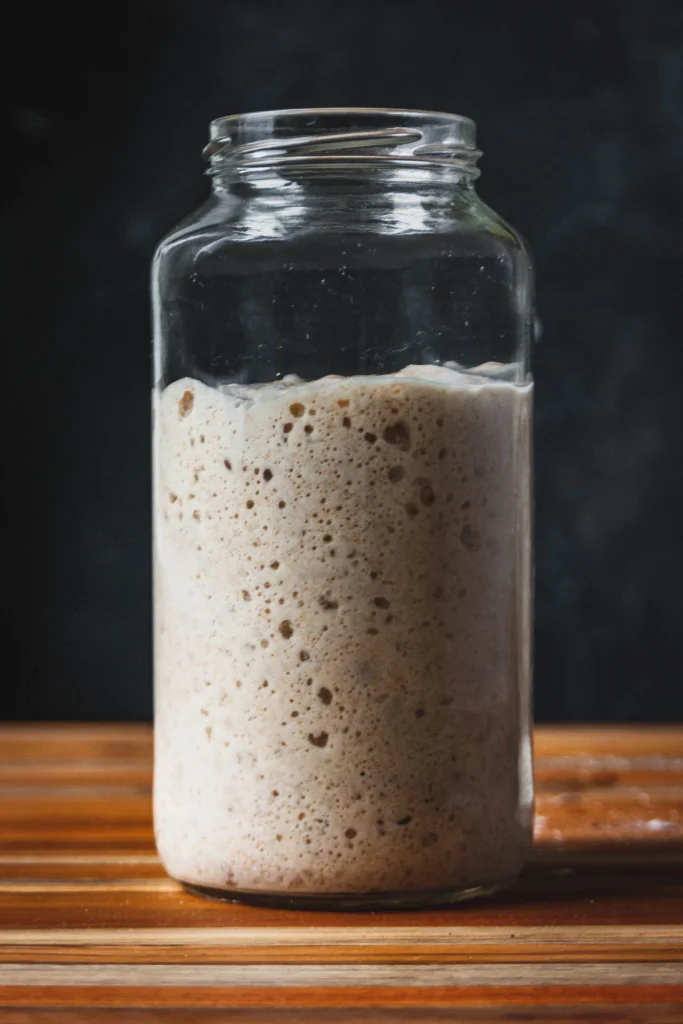
With straightforward recipes and resources, even beginners can dive into this exciting world, experimenting with flavors and techniques that are uniquely their own. The joy of fermentation lies in creativity; there are countless avenues to explore, from traditional recipes to innovative twists. So, whether you are baking your first loaf of sourdough, brining summer vegetables, or brewing your first batch of kombucha, you’re taking part in a tradition that joins the past with the present.
Unlock the remarkable benefits of homemade fermentation today—improving not only the taste of your meals but also their nutritional value. Prepare to impress your friends and family with your creations! Embark on this culinary adventure and discover the delicious potential behind fermentation, from your kitchen to your dining table.
Getting Started with Homemade Fermentation
Embarking on the journey of homemade fermentation is an exciting opportunity to engage with the culinary arts in a deeply personal and satisfying way. Although daunting at first glance, the process of creating fermented foods and beverages can be incredibly rewarding and surprisingly simple. Whether you aim to whip up a batch of tangy sauerkraut, ferment your own yogurt, or craft delicious artisan breads, understanding the foundational steps and principles of fermentation is key to your success.
The first step in your fermentation adventure is gathering the right ingredients and tools. Basic fermentation requires common ingredients such as water, salt, and an array of fruits and vegetables. High-quality produce enhances the flavor and fermentation process, so consider sourcing organic options from your local farmers’ markets or grocery stores. Here’s a quick list of essential items you’ll need:
- Ingredients: Fresh fruits, vegetables, grains, and liquids (such as water or milk) depending on the type of fermentation.
- Salt: Sea salt or kosher salt is preferred for vegetable fermentation, as iodized salt can inhibit the growth of beneficial bacteria.
- Equipment: Glass jars, fermentation crocks, airlocks, and utensils for mixing and packing your ingredients.
- Temperature Control: A warm, dark place in your home is ideal for most fermentations, with temperatures ranging between 65°F and 75°F.
Once you have your supplies ready, the art of fermentation begins! Understanding the type of fermentation is crucial, as it determines the process and end product. For example, lacto-fermentation, commonly used for pickling vegetables, relies on lactic acid bacteria to create a tangy flavor and preserve food. Alternatively, alcoholic fermentation is centered around yeast that converts sugars into alcohol, essential for creating beverages like beer and wine.
The Timeline of Fermentation
Timing is of the essence in fermentation, and different processes have varying timelines culminating in unique flavors and textures. Typically, the fermentation for breads, preserves, and beverages can range from a few days to several weeks. Here’s a general guide to what you can expect:
- Breads: Sourdough starters can take about 5 to 10 days to develop, while the final fermentation process may only take a few hours before baking.
- Preserves: The fermentation of vegetables can vary; for instance, sauerkraut usually takes about 1 to 4 weeks to reach optimal flavor.
- Artisan Beverages: Kombucha takes approximately 7 to 14 days to ferment, while the secondary fermentation for flavoring can add another few days.
Patience is vital to achieving the best results, as flavors develop and mature over time. One of the most gratifying aspects of homemade fermentation is the user-friendly nature of experimentation. Once you grasp the basics, don’t hesitate to play around with flavors, ingredients, and techniques!
As you dive deeper into each type of homemade fermentation, you’ll not only create delicious food and drink but also foster a newfound appreciation for the transformative power of natural processes. The next step is to explore specific recipes that resonate with your culinary preferences, leading you to master the intricacies of fermented creations. Welcome to the world of homemade fermentation—where flavor and tradition come together!
| Category | Advantages |
|---|---|
| Health Benefits | Fermented foods are packed with probiotics, which are essential for gut health and aid in digestion. |
| Culinary Diversity | This guide introduces a range of flavors and textures, allowing home cooks to explore unique methods of preparation. |
| Sustainability | Emphasizes using local ingredients, reducing food waste and supporting sustainable practices. |
| Economic Benefits | Home fermentation can save money compared to store-bought products, allowing for bulk preparation at a lower cost. |
Homemade fermentation taps into the rich heritage of crafting artisan foods and beverages, making it a thrilling endeavor for home chefs and food enthusiasts alike. Engaging in this practice not only enhances culinary skills but also opens the door to a world of traditional and innovative flavors. Exploring recipes for sourdough bread, tangy pickles, and refreshing kombucha can provide a sense of accomplishment while drastically improving one’s meals. Moreover, the fermentation process often reveals hidden nuances within familiar ingredients, transforming ordinary foods into extraordinary culinary experiences. With this complete guide, readers are encouraged to embrace the art and science of fermentation, enriching their lifestyles with delicious and healthy homemade creations.
Exploring Different Types of Fermented Foods
As you delve deeper into the world of homemade fermentation, it’s essential to explore the various categories of fermented foods. Each type offers a unique blend of flavors, health benefits, and culinary possibilities. Below are some popular categories worth discovering, each with their distinct processes and recipes.
1. Fermented Vegetables
Fermented vegetables are perhaps the most accessible entry point into fermentation. This method involves naturally preserving vegetables through a simple brine solution or using salt only. Common fermented vegetables include sauerkraut, kimchi, and pickles, all of which pack a probiotic punch that supports gut health.
The essence of fermented vegetables lies in the fermentation process, where lactobacillus bacteria thrive in the absence of oxygen. This not only maintains the vegetables’ crunchiness but also enhances their flavor profile, making them tangy and aromatic. Curious foodies can create their own blend using seasonal produce, spices, and aromatics. For example, try adding garlic, ginger, or chili flakes to a basic cucumber pickle recipe for an exciting twist.
2. Fermented Dairy
If you’re a dairy lover, fermented dairy products like yogurt, kefir, and cheese will captivate your taste buds. Homemade yogurt requires just milk and a starter culture and can be prepared in a yogurt maker or a simple insulated container. The result is a creamy, rich yogurt packed with enzymes and probiotics.
Kefir, a tangy fermented drink, can also be made at home using kefir grains. This bubbly beverage, a cross between yogurt and soda, is known for its probiotic benefits and refreshing flavor. Similar to yogurt, the art of making cheese varies in complexity, ranging from simple ricotta to layer-intensive aged cheeses, rewarding your patience with unforgettable flavors.
3. Artisan Breads
Nothing quite matches the aroma of freshly baked bread, especially when it’s homemade! Sourdough, a type of artisan bread, is distinguished by its unique flavor achieved through natural fermentation. Utilizing wild yeast and lactic acid bacteria from the environment, sourdough has a characteristic tang and chewy texture.
The creation of sourdough begins with a starter that captures wild yeast from the atmosphere and flour. This process can be nurtured over time, leading to a robust culture that can be used indefinitely, giving rise to bread with depth and complexity. The beauty of sourdough is in the experimentation; bakers can incorporate different flours, hydration levels, and even add-ins like seeds, herbs, or chocolate for variations.
4. Artisan Beverages
For those interested in the world of fermented beverages, options abound from kombucha to mead and hard cider. Kombucha, a tangy and effervescent tea, is remarkably popular due to its healthful profile. The key lies in the SCOBY (symbiotic culture of bacteria and yeast) used to ferment sweetened tea into a delightfully tart drink. With endless flavor variations through fruit infusions, homemade kombucha can be tailored to every palate.
Other artisan beverages, like hard cider and mead, introduce adventurers to the fermentation of fruits and honey, respectively. These processes require a bit more equipment and knowledge about yeast strains, but the end result is worth the effort. Crafting your own beverages provides a unique pathway to understanding fermentation while indulging in delightful drinks.
With a wealth of options ranging from fermented vegetables to artisan breads and beverages, the world of homemade fermentation beckons food lovers to experiment and innovate. Each venture unveils a new layer of flavors and textures that form an integral part of culinary traditions across cultures. Digesting these processes can spark joy and curiosity in your kitchen, inspiring countless culinary creations along the way.
Conclusion
In conclusion, embracing homemade fermentation opens up an expansive universe of flavors, textures, and health benefits that can transform everyday cooking into a creative adventure. From crafting tangy fermented vegetables to mastering the art of artisan breads and refreshing artisan beverages, each process serves as a testament to the fascinating interaction between microbes and natural ingredients. Those who venture into this realm not only indulge their palates but also forge a deeper connection with their food.
The journey of fermentation is layered with stories that span generations, cultures, and culinary traditions. With every fermentation strategy you experiment with, whether you’re brewing kombucha or perfecting a sourdough starter, you’re not only enhancing your health through probiotics but also discovering the subtleties of flavors that can elevate your meals. For instance, adding unique herbs or fruits can personalize your creations, making them distinctly your own.
As you refine your fermentation techniques, consider keeping a journal to document your experiments and variations. This can provide invaluable insights into your flavor preferences and inspire future culinary endeavors. Remember, fermentation is as much about patience and experimentation as it is about following recipes; don’t hesitate to embrace the unexpected outcomes that lead to delicious discoveries.
So why not dive in? Turning your kitchen into a fermentation hub can be a rewarding practice that not only feeds your body but also ignites your culinary passion. The world of homemade fermentation is waiting for you to explore and innovate—your palate is in for a delightful treat!