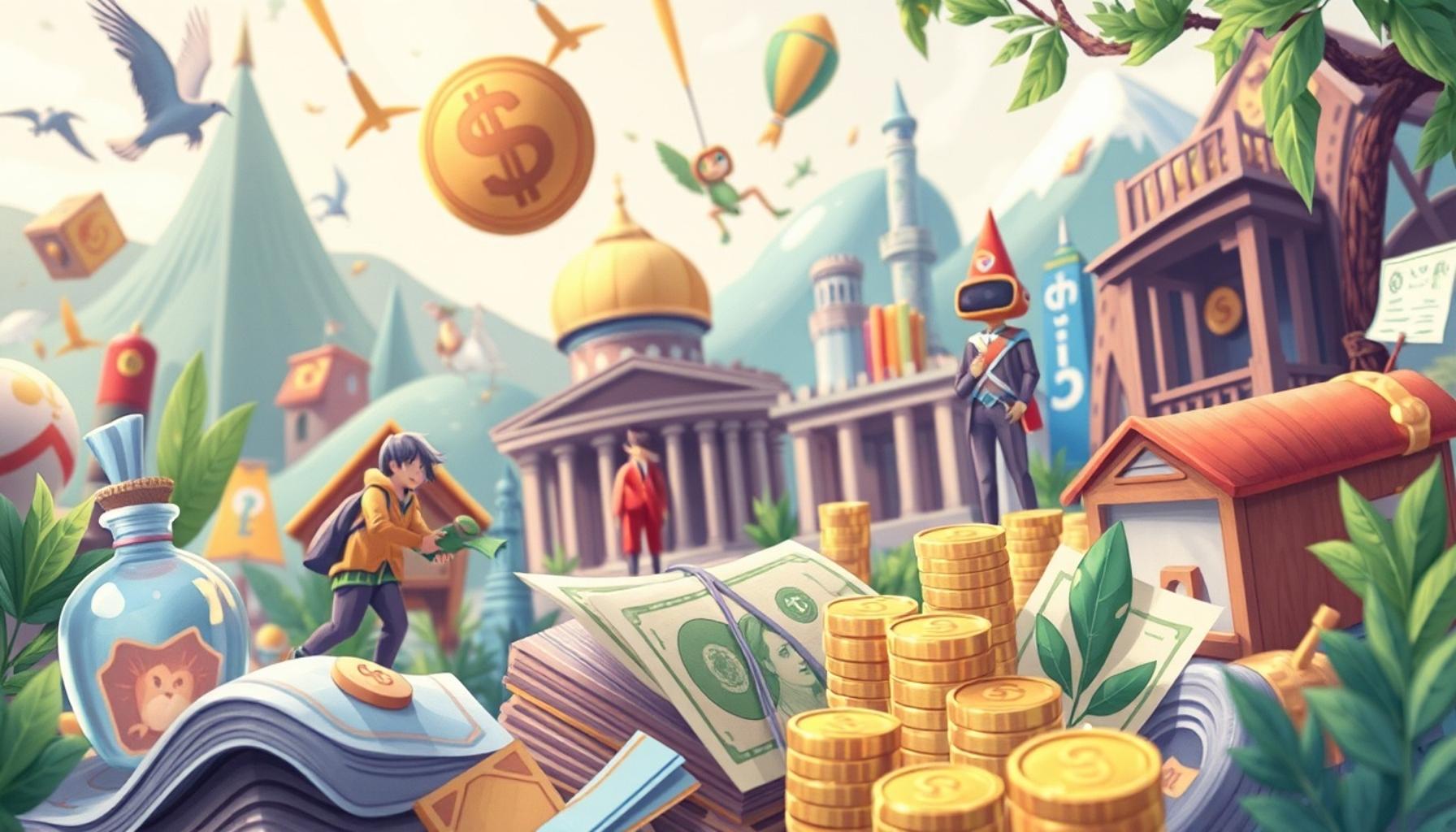
Exploring the World of Interactive Narratives: How to Create Immersive Writing Experiences

Unlocking the Potential of Interactive Narratives
In a rapidly evolving digital landscape, interactive narratives have gained unprecedented popularity. These dynamic storytelling formats engage audiences in ways traditional writing cannot, allowing readers to influence the outcome of their experiences. As we delve deeper into this world, the possibilities become virtually limitless, paving the way for innovative storytelling that captivates and enthralls.
What makes interactive narratives so compelling? Here are a few key features:
- Interactivity: Readers become active participants, making choices that shape the story. This feature empowers audiences to engage with the content on a personal level. For instance, in the acclaimed film Bandersnatch, viewers decide the protagonist’s actions, effectively leading to multiple endings based on their choices. This level of engagement transforms passive viewing into an active, decision-making process.
- Immersion: Engaging elements such as visuals, sounds, and branching paths enhance the emotional experience. Interactive narratives often leverage cinematic techniques, animation, and soundscapes to create a fully immersive environment. This multi-sensory approach allows readers to step into the narrative, fostering an emotional connection that can be profoundly impactful.
- Diverse Formats: Interactive stories can take many forms, from video games to interactive websites and mobile apps. Platforms like Twine enable writers to construct complex narratives that invite exploration, allowing users to traverse varying pathways through their choices. Similarly, video games like The Walking Dead series from Telltale Games emphasize the weight of player choices, demonstrating how narratives can evolve based on individual decisions.
Examining these examples, it is clear that the future of storytelling is not just bright; it is transformative. These narratives not only entertain but also challenge conventional writing norms, effectively transforming readers into co-creators. They break the fourth wall, inviting audiences to step beyond the role of the observer and become integral players in the unfolding drama.
As we explore how to craft your immersive writing experiences, understanding the mechanics behind interactive narratives becomes essential. Preparation involves exploring story structure, audience engagement, and choice mechanics. Tools and resources available today, such as Inklewriter and ChoiceScript, can assist aspiring creators in developing interactive stories that resonate with audiences.
In a world increasingly reliant on digital interactions, embracing this genre signifies a forward-thinking approach to storytelling. Prepare to embark on a journey that blurs the lines between author and audience, where every decision leads to a unique outcome, ensuring each reader’s experience is personal and compelling.
Understanding the Framework of Interactive Narratives
To effectively create immersive writing experiences through interactive narratives, one must first grasp the fundamental elements that differentiate this genre from traditional storytelling. While conventional narratives often follow a linear path, interactive narratives are characterized by their ability to diverge based on user choices. Understanding the intricacies of this structure is key to crafting stories that resonate and captivate.
Story Structure in interactive narratives relies heavily on the concept of branching pathways. Writers must consider how each choice impacts the storyline, ensuring that every decision leads to engaging and meaningful outcomes. This involves plotting various arcs that intertwine, creating a rich tapestry of possibilities. Here are essential components to keep in mind:
- Branching Paths: Begin with a pivotal choice that bifurcates the narrative, allowing users to explore different paths. For example, a narrative could unfold differently based on a choice between saving a character or pursuing a hidden treasure, leading to distinct consequences and experiences.
- Character Development: Characters should evolve in response to user decisions. This not only makes the narrative feel organic but also adds depth, compelling the reader to invest emotionally in the outcome of their choices.
- Consequences and Rewards: Every choice should have a tangible impact, be it a reward or consequence. This can take the form of shifting alliances, changes in narrative tone, or even plot twists that glorify or condemn a choice made earlier in the story.
Next, audience engagement plays a pivotal role in the success of interactive narratives. Writers must understand the desires and motivations of their audience to create experiences that resonate deeply. It’s essential to ask questions like: What emotions do you want your readers to feel? How can you involve them in the narrative in a way that feels rewarding and enriching? By actively thinking about these aspects, storytellers can design experiences that capture attention and urge participation.
Moreover, considering the choice mechanics is crucial. The options presented to the reader must not only be meaningful but also provide enough diversity to allow for exploration. Writers can leverage technologies like Inklewriter and ChoiceScript, which facilitate the building of complex decision-making scenarios. These tools empower writers to harness the full potential of interactive design, enabling them to create narratives where readers are compelled to traverse multiple outcomes.
As we advance in the digital age, the inclination towards interactive narratives signifies a paradigm shift in how stories are told. Each decision made by the user offers not merely a direction but a chance to reshape the narrative entirely. Therefore, writers are encouraged to embrace this evolution, allowing their creativity to flourish alongside new technologies. By laying a robust foundation of intertwining paths, emotional engagement, and diversified choice mechanics, creators can ensure their immersive writing experiences will not only draw readers in but leave a lasting impact.
Understanding the Power of Agency in Interactive Narratives
In the realm of interactive narratives, the concept of agency stands at the forefront, allowing readers to influence the outcome of the story. This engagement not only captivates the audience but also transforms passive reading into active participation. The choice-driven path lets readers explore various character arcs and endings, resulting in a deeply personalized experience. It taps into the psychological realm, fostering an emotional investment in the storyline.The integration of technology into immersive writing experiences further enhances this aspect. Leverage multimedia elements such as audio, visuals, or even VR to augment storytelling. For instance, soundscapes can enrich the ambiance of a scene, while illustrations can paint vivid imagery that fuels the reader’s imagination. These elements work harmoniously to build a world where readers don’t just witness the unfolding events; they live through them, making decisions that feel impactful.Moreover, allowing for the branching of narratives leads to heightened replayability. Readers may return to revisit different choices or endings, ensuring that the story remains continually engaging. This not only benefits the audience but also offers writers a playground for creativity, enabling unique storytelling pathways that keep evolving. Each narrative journey offers something new, inviting readers to dive back into the world you’ve created, further solidifying their connection to the content.Thus, as you embark on creating immersive stories, focus on harnessing the dual power of agency and technology. Challenge your readers’ perceptions while providing them with a platform to engage actively with your work. The potential for exploration and meaning in interactive narratives is unlimited, waiting for you to tap into its full force.
Techniques to Enhance User Experience in Interactive Narratives
Creating compelling interactive narratives requires more than just understanding the framework and mechanics; it demands a repertoire of techniques designed to enhance user experiences. These techniques can serve to deepen immersion, foster emotional connections, and elevate engagement levels. Here are some crucial strategies to consider:
Multisensory Engagement is one approach that can dramatically enhance the immersive quality of interactive narratives. By integrating sound, visuals, and even tactile feedback into storytelling, creators can create a more vivid world. For example, soundscapes that adapt based on user choices can amplify mood—think of stirring music kicking in during climactic moments or environmental sounds that adapt as the user makes decisions. Additionally, visuals can transform an ordinary text into an interactive comic or animated sequence, entrancing users as they navigate through the narrative.
- Dynamic Settings: As users make choices, consider altering the environment or setting around them. If a user chooses to save a character, the surrounding can illuminate with a sense of hope, while neglecting that choice might dim colors, symbolizing despair. Such dynamic changes can visually represent the impact of choices.
- Character Interactivity: Allowing users to engage with characters in a meaningful way can elevate the stakes. Consider adding dialogue systems where users can ask questions or persuade characters, leading to unique interactions that shape the story in real-time.
Another vital element in crafting interactive narratives is User Feedback. Gathering feedback from users allows writers to evaluate what aspects of the narrative are resonating. Surveys or analytics tools can help measure engagement and identify potential areas for improvement. For instance, if a large number of users consistently choose a particular path, it suggests that the narrative could benefit from further exploration or expansion in that direction. By iterating based on this feedback, writers can continually enhance their narratives to meet the evolving preferences of their audience.
Incorporating Puzzles and Challenges
Yet another technique to captivate users is the embedding of Puzzles and Challenges within narratives. These can serve to break up the storytelling flow while providing users with a sense of accomplishment. For instance, users might need to solve a riddle to unlock a new section of the narrative or to gain access to critical information about a character’s backstory. This engagement not only deepens involvement but also fosters critical thinking—keeping users on their toes and invested in the outcome of the narrative.
Moreover, the concept of Emotional Journeys becomes significant in the realm of interactive narratives. Writers should strive to weave emotional arcs into the choices presented to users. By encompassing themes of love, loss, triumph, and failure, writers can create poignant moments that resonate on a personal level. For example, a user who chooses to save a character might later experience emotional guilt when faced with the consequence of their choice, enriching the narrative through introspection.
Platforms like Twine and Ren’Py offer additional tools that empower writers to experiment with these techniques, layering immersive elements that strengthen the overall user experience. As creators leverage technology to build intricate interactive worlds, they can craft unforgettable experiences that redefine conventional narrative forms, ultimately leading to a dynamic storytelling landscape.
Conclusion: Shaping the Future of Storytelling
As we traverse the innovative landscape of interactive narratives, it becomes increasingly clear that the possibilities for immersive writing experiences are both vast and exhilarating. By employing techniques such as multisensory engagement, dynamic settings, and user feedback, writers can cultivate a deeper connection between the narrative and the audience, inviting readers not just to observe but to actively participate in the unfolding story. The integration of puzzles and challenges adds an exciting layer of interactivity, allowing users to shape their narratives through problem-solving and decision-making.
Moreover, the exploration of emotional journeys infuses narratives with rich, evocative experiences that resonate on a personal level. When users see their choices reflected in the narrative’s emotional landscape, they are more likely to invest themselves in the story. Thus, the role of the creator becomes one of a facilitator, guiding users through an evolving tapestry of possibilities where their choices matter.
As technology continues to advance, tools like Twine and Ren’Py are paving the way for writers to experiment boldly and push the boundaries of traditional storytelling. For aspiring creators, the journey into interactive narratives is not simply a trend; it is a powerful gateway to a new form of artistry that democratizes storytelling and fosters a vibrant community of engaged readers. In essence, the art of crafting interactive narratives is about more than just innovative techniques—it is about connecting with audiences in unprecedented ways, creating stories that not only enthrall but also linger long after the final choice is made.