Exploring Imaginary Worlds: How to Create Incredible Universes in Your Stories
The Art of Worldbuilding
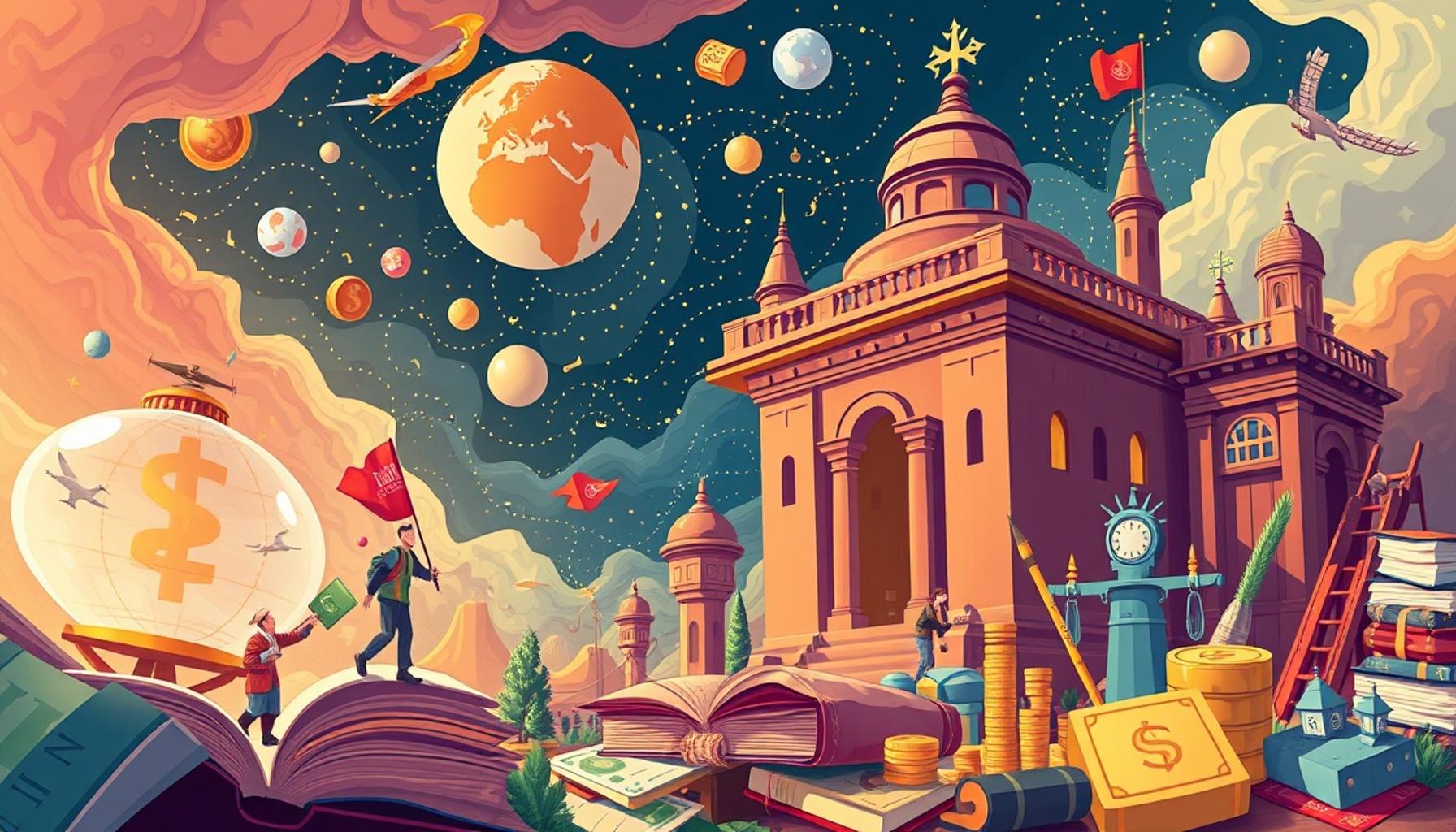
In the vast landscape of storytelling, the creation of imaginary worlds grants authors the power to transport their readers beyond the ordinary confines of reality. These settings function as gateways to extraordinary adventures, allowing characters to experience challenges, joys, and tragedies that defy the mundane. The ability to craft a captivating universe relies heavily on a writer’s skill in worldbuilding, which encompasses a variety of elements that collectively define a fictional environment.
Key Elements of Worldbuilding
When designing your fictional landscape, certain fundamental components should guide your creative process:
- Geography: The physical features and climate of your world shape the experiences of your characters. For instance, a vast desert might pose survival challenges, while a lush forest could be teeming with magical creatures. Consider how the terrain influences transportation, trade, and daily life—each factor can lead to rich storytelling opportunities.
- Culture: Building a believable culture involves defining the societal norms, traditions, and values of your characters. Consider elements such as religion, language, art, and social structures. A world with diverse cultures can lead to intriguing conflicts and alliances, enabling complex character interactions that resonate with readers.
- History: The backstory of your world is critical in shaping the present. Consider past events, wars, or catastrophes that have influenced current power dynamics. For example, a world recovering from a devastating civil war may showcase themes of redemption and reconciliation through its characters’ journeys.
- Magic Systems: If your universe includes magical elements, it is essential to create a consistent magic system with clear rules. This adds depth and credibility to your narrative. For example, does magic have physical limitations or moral implications? A well-defined magic system can enhance tension and conflict within your story.
Inspirational Examples
Many authors exemplify the art of worldbuilding in their works:
- Tolkien: His epic Middle-earth is not just a backdrop but a vibrant world, complete with its own languages, histories, and even creature species. Such detail immerses readers into a fully-realized universe that feels as real as our own.
- Rowling: The Wizarding World is beloved for its elaborate magical lore, from the intricacies of wand-making to the histories of ancient wizarding families. The integration of this lore into character development and plotlines highlights the interconnectedness of the universe.
- Martin: George R.R. Martin’s Westeros captivates readers with its detailed political machinations and complex family dynamics. The rich tapestry of alliances and betrayals mirrors the intricacies of real-world societies, keeping audiences engaged.
Are you ready to embark on your own journey of crafting unforgettable universes? By focusing on the key elements of worldbuilding and drawing inspiration from these literary giants, you can create incredible stories that invite readers to explore new realms filled with imagination and wonder. Dive into the world of storytelling, and let your creativity set the stage for adventures beyond the horizon!
Constructing a Universe: Techniques and Tips
Creating a compelling imaginary world involves more than just a spark of creativity—it requires a thoughtful approach to integrate various elements into a coherent and immersive narrative. As we embark on this journey into worldbuilding, it is essential to explore practical techniques that can enhance your storytelling.
Establish a Foundation with a Clear Concept
Before delving into the intricate details of your universe, start with a clear concept or theme that will guide your worldbuilding. Ask yourself fundamental questions: What purpose does this world serve in your story? How does it reflect the struggles and aspirations of your characters? By establishing a core concept, you create a roadmap that will ensure consistency across your narrative, helping you to seamlessly integrate geography, culture, history, and magic.
Create Detailed Maps
A well-crafted map serves as more than just a visual aid; it is a powerful tool that helps you organize your thoughts and solidify the geography of your world. Research shows that visualizing your setting can improve coherence in your story. Consider the following when creating your map:
- Scale and Size: Decide the dimensions of your universe. Is it expansive, with numerous continents and oceans, or a smaller, localized setting? The size influences the scope of your characters’ journeys.
- Landmarks and Resources: Identify key landmarks, such as mountains, rivers, and cities, and think about resources that can drive economic interactions, like valuable minerals or fertile land.
- Transport Networks: Consider how characters move between locations. Are there established trade routes, mystical pathways, or hurdles such as treacherous terrain that impact traveling?
Mapping out your world can provide insights into potential plots and character arcs, ultimately enriching your storytelling. Remember, the goal is to create a universe that feels lived in and dynamic.
Flesh Out Societal Structures
Every world is shaped by its inhabitants. Understanding the societal structures within your universe is crucial for adding depth. Ask yourself how different factions, classes, or species interact with one another. Consider the following aspects while developing your societies:
- Governance: What forms of government exist? Is there a monarchy, democracy, or perhaps an oligarchy? The nature of your government can directly influence plot points, character motivations, and conflicts.
- Economics: What is the basis of trade? Understanding what makes your world economically viable can provide a rich backdrop for character interactions and conflicts.
- Rights and Inequalities: Reflect on the social contracts that bind your worlds together. Are certain groups privileged over others? Such dynamics can facilitate compelling storylines that explore themes of justice and injustice.
By diving deep into these aspects of worldbuilding, you can create intricate social systems that not only enrich your narrative but also allow for more relatable themes. As you build your imaginary worlds, think of them as living, breathing entities that evolve alongside your characters, rife with conflict, alliances, and growth.
As we delve deeper into the art of crafting immersive worlds, it’s essential to examine the elements that breathe life into your narratives. One of the most captivating aspects of world-building is the integration of unique cultures. Each universe must have its own traditions, values, and societal norms that shape the characters and the plot. By exploring diverse cultural influences, writers can create multifaceted societies that resonate with readers. For instance, incorporating folklore or mythologies can enhance the depth and authenticity of your story, enticing your audience to connect on a more meaningful level.
Another crucial element to consider is the physical environment of your imaginary world. Whether it’s a lush, enchanted forest or a desolate alien landscape, the setting must evoke an emotional response and enhance the narrative. Descriptive language plays a pivotal role here: vivid imagery allows readers to visualize and immerse themselves in these fantastical realms. Utilizing sensory details, such as sounds, smells, and textures, will transport your audience into the heart of your universe.
Moreover, remember that the rules of magic or technology can significantly affect how your universe functions. Establishing clear guidelines for these elements—even if they bend the boundaries of reality—gives structure to your world and allows for consistent storytelling. Think about *how* magic works in your universe: Are there consequences for its use? Are there schools to train practitioners, or is it a forbidden art? Such considerations not only build intrigue but also propel the plot and character development.
To enhance your world-building further, consider employing maps and visuals. Visual aids can make your imaginary universe more tangible. By presenting locations, trade routes, and significant landmarks, readers can better grasp the scale of your world and its geographical dynamics. This technique can be especially useful for complex narratives with interlocking plots and multiple character arcs.
Finally, don’t forget the impact of character backstories on your world. Each character should reflect the uniqueness of their environment, imbued with personal histories that interact with the larger narrative. The experience and upbringing of characters in your world will influence their decisions, motivations, and relationships, making them more relatable and interesting.
By synergizing these elements—cultural intricacies, captivating environments, clear rules of magic or technology, visual presentations, and rich character backstories—you can create incredible universes that do more than tell a story; they invite readers to explore, engage, and lose themselves in the imaginations you’ve crafted. The possibilities are truly limitless.
Infusing Life into Your Universe: Culture and Belief Systems
One of the most captivating aspects of worldbuilding is the opportunity to explore how culture and belief systems shape the lives of characters and the trajectory of your narrative. When crafting an imaginary world, it is essential to consider the values, traditions, and belief systems that define its inhabitants. The following elements can help you understand how to create culturally rich worlds:
Language and Communication
The languages or dialects spoken within your universe can add depth and authenticity to your world. While you don’t need to develop a complex language, subtle nuances in the way characters communicate can signify cultural identity. Consider the following:
- Language Variance: Are there different dialects or languages among various tribes or regions? Different linguistic groups can reflect historical divides or cultural exchanges.
- Phrasing and Idioms: Unique expressions can give a sense of place. For example, how might characters from a desert civilization reference water as a sacred element, leading to unique metaphors in their speech?
- Physical Communication: Non-verbal cues (body language, gestures) may also vary widely across cultures. By keeping these distinctions in mind, you enhance the realism of your interactions.
Customs and Traditions
Understanding local customs can enrich your narrative, providing the backdrop for meaningful character interactions. Explore important rituals, festivals, or daily practices that your characters observe. Consider:
- Holidays and Ceremonies: What occasions do inhabitants celebrate? Festivals can serve as great plot points that accelerate character development or revolutionize societal norms.
- Family Structures: Analyzing the significance of family within society can reveal insights into character motivation and relationships. Is family lineage important, or do character bonds take precedence?
- Rites of Passage: Creating specific events that mark transitions in life can serve as a potent storytelling device. What challenges must characters undergo to be recognized as adults or warriors?
The Role of Faith and Myth
No fantasy world is complete without belief systems that reflect the values and concerns of the inhabitants. Religion and myth can guide social structures and drive conflict. Key elements to explore include:
- Deities and Pantheons: What gods or spiritual beings exist? Different regions might worship various entities, leading to religious conflicts or alliances.
- Creation Myths: Legends about the origins of the universe can shape a society’s worldview and ethics. They can also be deeply tied to characters’ motivations.
- Moral Codes: The tenets of faith might dictate not only personal behavior but also laws and governance. Consider how characters reconcile personal beliefs with societal expectations.
In designing your universe, the layers of culture, language, and belief systems contribute to a rich tapestry that vibrantly reflects life. Just as in our world, these elements shape identities and relationships, providing readers with relatable themes woven throughout your narratives.
Conclusion: Unlocking the Potential of Your Imaginary World
As we have journeyed through the intricate process of worldbuilding, it becomes evident that the creation of an imaginary universe goes beyond mere setting; it is an art form that requires deep thought, creativity, and an understanding of the human experience. By focusing on culture, language, customs, and belief systems, you can infuse your universe with layers of meaning that resonate with readers on a profound level.
Your imaginative landscape can serve as a canvas where the complexities of joy, conflict, and identity are explored and celebrated. By developing unique cultural traits and belief systems for your characters, you create opportunities for them to grow and interact in ways that are both compelling and believable. Characters are not just participants in a plot; they embody the values and struggles of their society, making their journeys relatable to readers.
Moreover, remember that the beauty of storytelling lies in its ability to reflect real-world themes, such as belonging, belief, and the pursuit of happiness, through a fantastical lens. Invite your readers to explore these incredible universes alongside your characters, where they can gain insights into their own lives while being enveloped in narrative richness.
In conclusion, the art of creating imaginary worlds does not only enhance your storytelling; it builds connections with your audience. Each universe you bring to life is a testament to the power of imagination, one that can inspire, challenge, and transform perspectives. As you embark on your creative endeavors, let your imagination soar, and remember that the only limit to the worlds you can build is your own creativity.