Crafting with Nature: Incorporating Natural Elements into Your Projects
Connecting with the Outdoors
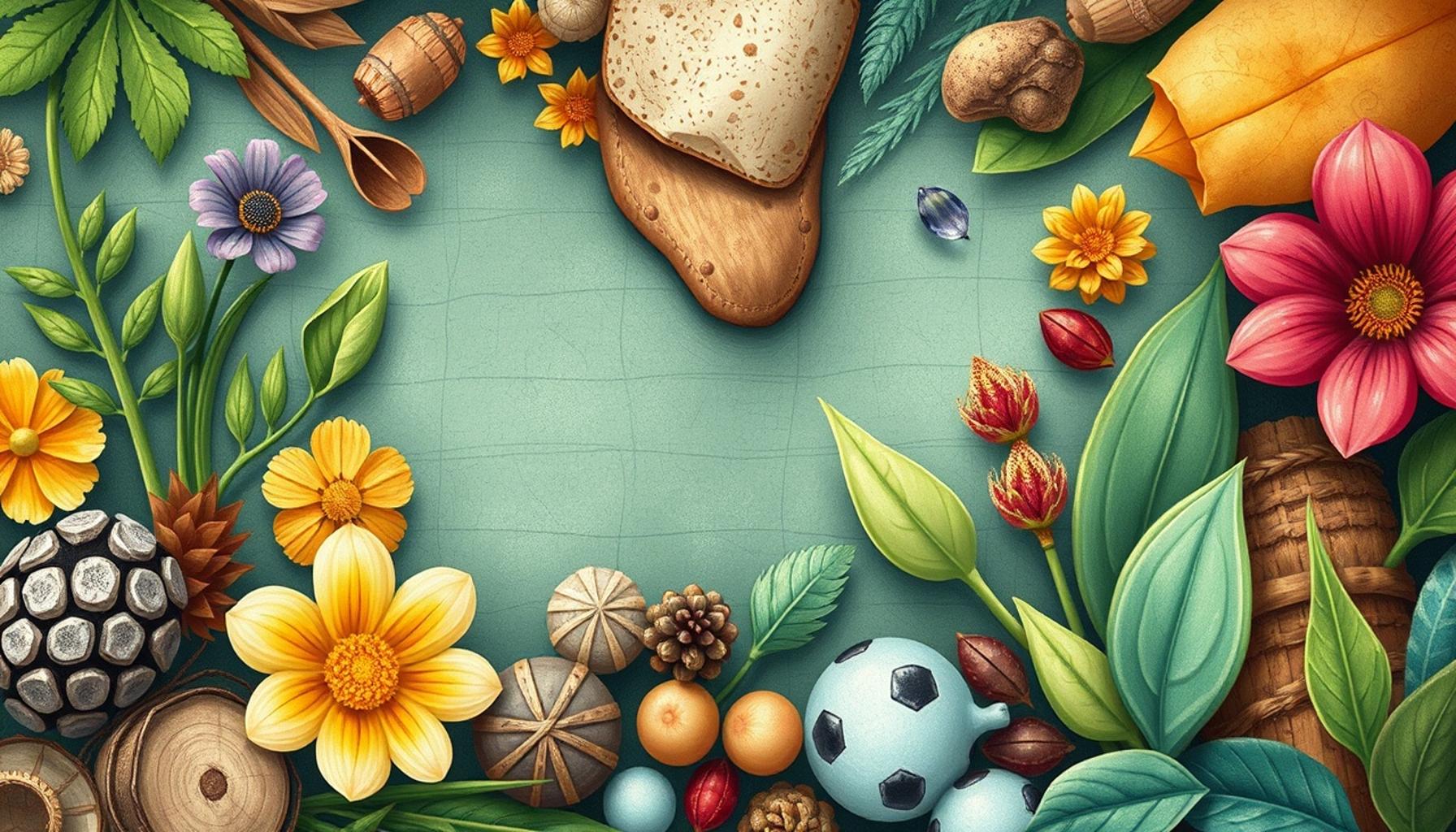
In our fast-paced world, crafting with natural elements offers a refreshing escape into creativity. Harnessing the beauty and spirit of nature can transform your projects into something extraordinary. The advantages of incorporating these organic materials extend beyond their visual appeal; they foster a deeper connection with the environment, promoting mindfulness and well-being. Engaging with natural materials allows us to slow down and appreciate the intricate beauty of the world around us.
Why Choose Natural Elements?
Utilizing natural elements in your crafting can lead to unique and eco-friendly creations. Consider the following reasons:
- Environmental Impact: Natural materials are often more sustainable than synthetic options. For instance, using reclaimed wood not only prevents deforestation but also gives a new life to materials that might otherwise go to waste. This practice helps reduce the overall carbon footprint associated with crafting.
- Healthier Choices: Many traditional crafting supplies contain harmful chemicals that can be detrimental to health. By opting for natural materials like cotton, linen, or beeswax, crafters can create without worry. These non-toxic options are especially vital for parents and individuals looking to create a safe crafting environment for children.
- Unique Aesthetic: Each piece of nature offers a diverse range of textures and colors. For example, a simple leaf can transform a project with its intricate veins and vibrant hues, while stones can add a striking contrast and raw beauty. No two natural items are alike, ensuring that your finished product will be distinctly yours.
Examples of Natural Materials to Use
Getting started with nature-inspired crafting is easier than you might think. Here are some essential materials to consider:
- Wood: Salvaged branches and driftwood can add a rustic charm to your designs. Creating candle holders from wood slices or wall art from shaped branches can bring a warm, organic feel to your home.
- Leaves: Perfect for making prints or decorations, leaves can be pressed flat or used in mixed media projects. Techniques such as leaf rubbing or creating pressed leaf bookmarks showcase their unique shapes and lines.
- Flowers: Whether dried or fresh, they create stunning embellishments for a variety of crafts. Dried flowers can be used in resin art, while fresh blooms can inspire floral arrangements or decoration items.
- Stone: Incorporating stone into your projects adds weight and texture, making it perfect for garden decor or home embellishments. Use smooth river stones in painted designs, or stack them for a natural sculpture in your living space.
Crafting with natural elements not only enriches your work but also encourages a journey toward sustainability. As individuals become more aware of their environmental footprints, the movement towards using organic materials in everyday crafting is growing. Embrace this artistic trend, and discover the endless possibilities nature has to offer! Consider taking a local nature walk to gather materials or visiting farmer’s markets and craft fairs for inspiration. You may be surprised at how much the outdoors can spark your creativity and enhance your artistic journey.
Exploring Natural Crafting Techniques
Incorporating natural elements into your art projects can spark a wave of creativity unmatched by traditional crafting supplies. Each natural material carries its own story, originating from diverse landscapes, and can be manipulated in various ways to craft unique pieces. The versatility of these resources often allows for experimentation that leads to new techniques and outcomes.
Creative Techniques to Inspire You
Natural crafting involves a range of techniques that can help you explore the beauty of organic materials. Here are some ways to incorporate these elements into your projects:
- Foraging Adventures: Take a walk in your local park or forest and collect materials like leaves, twigs, and flowers. Documenting your findings can enhance your connection to nature while providing a rich selection of raw materials for your projects. This process not only sources your crafting supplies but also serves as a form of mindfulness as you immerse yourself in the outdoors.
- Printing and Stamping: Leaves and flowers can be used as stamps by applying non-toxic paint to their surfaces and pressing them onto paper or fabric. This technique creates intricate designs that showcase the detailed forms of your natural finds. The results are stunning and completely unique to each print.
- Natural Dyes: Instead of relying on commercial dyes, consider using fruits, vegetables, and herbs to create a natural palette for your crafting. Avocado pits, turmeric, and beetroot are excellent sources of diverse colors. Not only do these natural dyes infuse your projects with richness, but they also further enhance the eco-friendly aspect of your creations.
- Macramé and Weaving: Combine natural fibers such as jute, hemp, or cotton with dried grasses or branches to create beautiful wall hangings or plant holders. The varied textures will add depth to your designs, reflecting the beauty of organic materials.
- Creating Functional Art: Utilize branches or driftwood to make functional pieces like coat racks, key holders, or planters. Not only does this approach promote sustainability, but it also introduces an artisanal touch to your home decor.
These techniques are just a glimpse into the endless potential of crafting with natural elements. Engaging with these methods not only nurtures your creative spirit but also reinforces an important connection to the earth, reminding us to appreciate the beauty that surrounds us.
Inspiration Through Nature’s Palette
Finding [inspiration](https://www.natureinspiredcrafts.com) from the natural world can transform your artistic style. Consider participating in local workshops focused on natural crafting techniques or exploring online platforms where you can connect with likeminded crafters. As you learn and create, you may discover your own unique style that reflects both your personality and the essence of nature itself.
| Category | Details |
|---|---|
| Sustainability | Natural materials such as wood, stone, and fibers are biodegradable and reduce environmental impact. |
| Aesthetic Appeal | Organic textures and colors enhance the beauty of projects, creating a warm and inviting atmosphere. |
| Health Benefits | Improved air quality is achieved by using natural materials, helping to create a healthier indoor environment. |
| Connection to Nature | Enhancing mental well-being as incorporating nature into projects can reduce stress and boost mood. |
Incorporating natural elements into your crafting projects offers an exciting blend of sustainability, beauty, and well-being. The use of eco-friendly materials not only demonstrates a commitment to the environment but also ensures that your creations stand the test of time. With their unique textures and colors, natural materials draw attention and invite interaction, making your projects not just decorative but experiential as well. Moreover, integrating these elements can enrich your creativity while providing tangible health benefits. Research indicates that surrounding oneself with natural components can enhance air quality and foster a sense of tranquility. This intriguing connection between nature and human emotion offers ample opportunities for exploration within your creative endeavors.
Shouldering Sustainability: Eco-Friendly Crafting Practices
The intersection of crafting and sustainability is an important consideration for many artists looking to minimize their environmental impact. By focusing on eco-friendly crafting practices, you not only prioritize the health of the planet but also engage in a more responsible approach to creativity. Here are some sustainable techniques and ideas that resonate with the ethos of crafting with nature.
Upcycling Natural Resources
Upcycling is transforming materials that may otherwise be discarded into something of greater value. Consider using items like fallen branches, pine cones, or sea glass collected during nature walks. These upcycled materials can be made into stunning decorative pieces, like wreaths or centerpieces, that tell a story about their origin. For instance, driftwood can be fashioned into not just art pieces but also functional items like candle holders or picture frames, providing both aesthetic appeal and a sustainable approach to crafting.
Seasonal and Local Crafting
Embracing a seasonal approach to natural crafting can deepen your connection to the environment. Engage in local farmers’ markets or community events to find seasonal plants and materials. In the fall, incorporate dried corn husks into your decorations, while spring can be marked by crafting with blossoming branches or flowering plants. This not only supports local agriculture but also aligns your projects with the natural cycles of growth and change in your environment.
Gardening and Plant-Related Crafts
Another avenue to explore is plant-related crafting that ties back to gardening. Collecting herbs like lavender or rosemary allows crafters to use these fragrant plants in sachets or potpourri. Dried flowers can also be pressed and preserved for art projects, such as greeting cards or framed art pieces, offering an aromatic and beautiful way to create. The process of growing your own materials—be it a simple herb garden or a more elaborate flower patch—can elevate the crafting experience while fostering a sense of accomplishment.
Nature as Inspiration for Design
Let the natural world inform your design choices. The patterns and colors found in nature offer a rich source of inspiration that can translate beautifully into your work. From the vibrant hues of autumn leaves to the textures found in tree bark, capturing these elements in your crafting can lead to stunning, nature-infused pieces. Use these observations as a foundation for your projects, whether you are painting, sewing, or constructing 3D objects. Engage with the shapes, colors, and forms found in nature to enhance the visual language of your creations.
Community Engagement and Workshops
Take the opportunity to connect with fellow nature lovers and crafters in your community. Join workshops that focus on crafting with natural elements or host your own crafting sessions to teach others about the joys of working with sustainable materials. Local art centers, botanical gardens, or crafting groups often provide classes that delve deep into specific techniques, fostering collaboration and shared ideas while also promoting the importance of sustainability in the crafts community.
These practices not only lead to environmentally conscious crafts but also ensure that your projects carry a deeper meaning, rooted in love and respect for the planet. Engaging in crafting with nature opens up a world of possibilities and strengthens your bond with the environment, all while producing beautiful, one-of-a-kind creations.
Conclusion: Embracing Nature in Your Crafting Journey
As we explore the rich tapestry of crafting with nature, it becomes evident that the possibilities for creativity are limitless. By integrating natural elements, we not only enhance the aesthetic and narrative quality of our projects but also foster a deeper connection to our environment. From the unique beauty of upcycled materials to seasonal crafting that respects the rhythms of nature, every hands-on experience serves as a testament to both artistic expression and environmental stewardship.
Moreover, engaging with eco-friendly practices encourages us to be conscious consumers and mindful creators. The act of transforming simple, natural resources into cherished items not only contributes to a sustainable crafting culture but also inspires others to think critically about their own creative journeys. By participating in community workshops, or engaging in local crafting events, we become part of a collective movement that values connection, collaboration, and the beauty of the organic world.
Ultimately, crafting with natural elements offers a refreshing perspective on artistry—one that honors the earth while allowing our imaginations to flourish. As you embark on your crafting adventures, remember to seek inspiration in the everyday wonders of nature and let those experiences guide your hands. Whether you are cultivating your own materials or seeking treasures during outdoor explorations, embrace the ethos of sustainable crafting, and let your projects resonate with a spirit of respect for our planet.