
Complete Guide to Cat Breeds: Nutrition and Behavior for Happy Felines
Exploring the Unique World of Cats
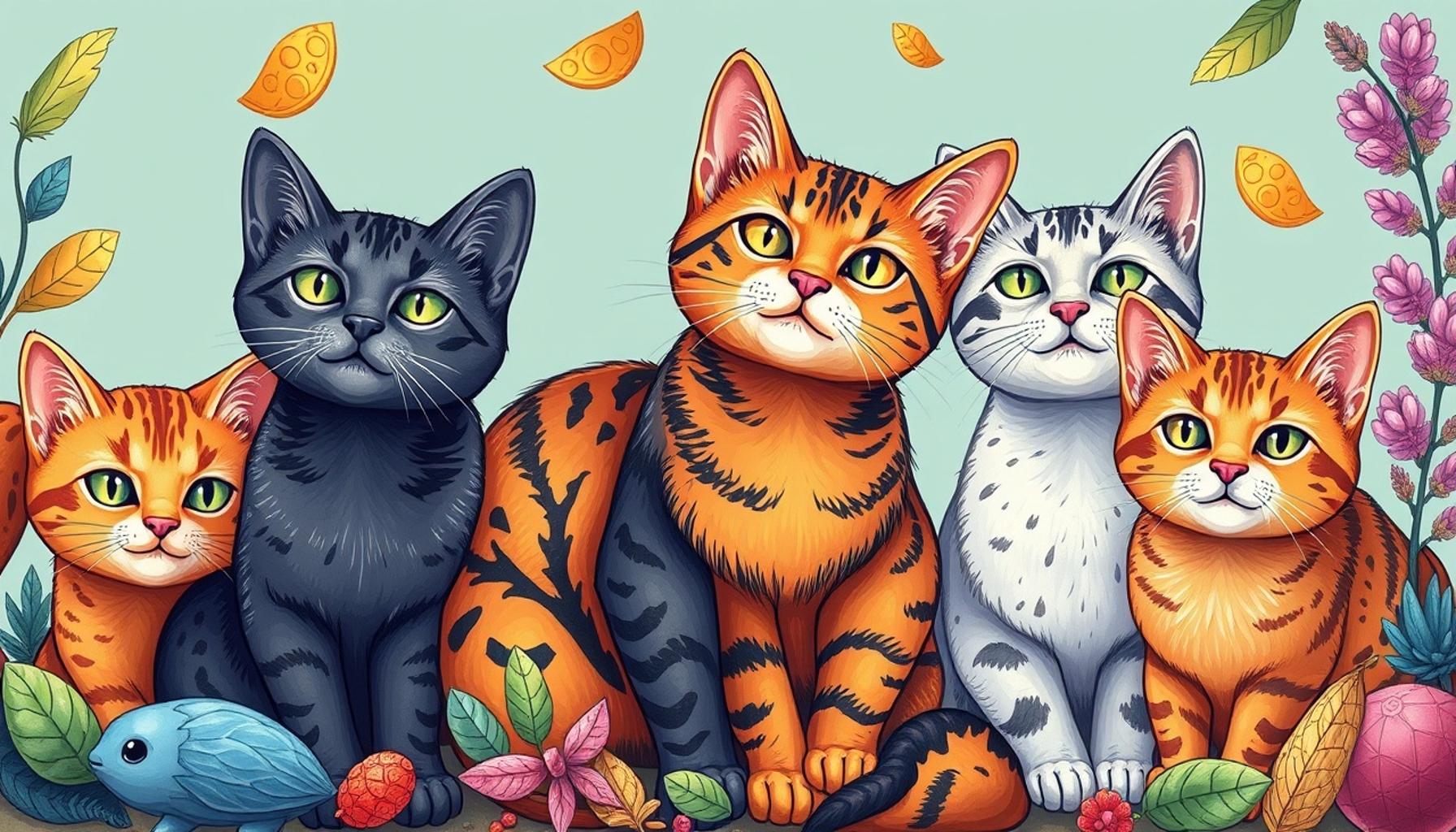
Welcome to the fascinating world of cats, where each breed brings its own unique personality and care requirements. Understanding the nutrition and behavior of different cat breeds is essential for ensuring your feline friend lives a happy and healthy life. With over 70 recognized breeds in the United States, the diversity is vast and exciting.
In this guide, you’ll discover:
- Popular cat breeds and their characteristics
- Ideal dietary needs for each breed
- Common behavioral traits and how to enhance them
From the playful Siamese to the laid-back Maine Coon, every cat has its preferences and quirks. The Siamese is known for its vocal nature and high intelligence, often forming strong bonds with their owners. In contrast, the Maine Coon is celebrated for its large size and gentle temperament, making them excellent family pets. Knowing what your cat needs nutritionally can lead to better health outcomes and a stronger bond between you and your pet. For instance, Siamese cats may benefit from high-protein diets due to their active lifestyle, while Maine Coons require a diet that supports their larger body and energy needs.
Furthermore, understanding their behavior allows for more fulfilling interactions and enrichment in their lives. Many breeds, such as the Bengal, exhibit an instinctual curiosity and playful behavior that can be harnessed through interactive play. Engaging these cats with puzzle toys can stimulate their minds and prevent boredom. Similarly, the Persian, known for its affectionate demeanor, thrives on human interaction and gentle grooming. Establishing a daily routine that includes playtime and grooming can enhance your bond and provide the emotional support your cat needs.
As you dive deeper into this guide, you’ll find useful tips that can transform your approach to feline care. Whether you are a new cat owner or looking to enhance your understanding, this resource will equip you with knowledge for a thriving pet. For example, understanding the specific needs of your breed can help prevent common issues. Many health problems in cats, such as obesity or dental disease, can be mitigated with proper diet and exercise tailored to their breed-specific traits.
Let’s explore the intricacies of cat breeds to help you create the ultimate environment for your furry companion. By tailoring your cat’s care to their individual characteristics, you ensure they lead a joyful, healthy life. So, brush up on your feline knowledge, as an informed cat owner is a responsible one!
Understanding Cat Breeds: Characteristics and Dietary Needs
Every cat breed is as diverse as its unique history and lineage, each presenting a distinct set of characteristics and specific nutrition requirements. Within the realm of cat ownership, appreciating these differences can lead to a more enriching experience for both pet and owner. Let’s delve into the popular breeds, their attributes, and how you can cater to their dietary requirements for optimal health.
Popular Cat Breeds and Their Unique Attributes
Some of the most beloved cat breeds include the Siamese, Maine Coon, Bengal, and Persian. Each breed not only boasts physical differences but also exhibits unique behavior patterns that shape their interaction with humans and their environment.
- Siamese: Known for their striking blue almond-shaped eyes and sleek bodies, Siamese cats are highly social and vocal. They often require mental stimulation and companionship due to their energetic nature.
- Maine Coon: This gentle giant is one of the largest domesticated cat breeds. With their tufted ears and bushy tails, Maine Coons are friendly, easy-going, and adaptable, making them suitable for families.
- Bengal: Renowned for their striking leopard-like appearance, Bengals are active and playful. Their high energy levels necessitate interactive play and exercise to keep them engaged and prevent destructive behaviors.
- Persian: With their long, luxurious fur and round faces, Persians are the epitome of tranquility. They enjoy a calm environment and are typically affectionate, often forming close bonds with their owners.
Tailored Nutrition for Each Breed
Understanding the specific dietary needs of a cat breed is paramount for preventing health issues and promoting overall well-being. Here’s a look at how to tailor nutrition effectively:
- Siamese: Due to their high activity level, a diet rich in animal-based proteins is recommended. Look for food high in protein to support their energetic lifestyle.
- Maine Coon: This breed benefits from a balanced diet with adequate calories to support their larger size. Consider high-quality kibble or wet food enriched with proteins and fats tailored for larger breeds.
- Bengal: Bengals require a diet that reflects their wild ancestry, rich in protein and fat. Choose high-protein kibble and consider incorporating raw or lightly cooked meats.
- Persian: With their propensity for obesity, Persians thrive on a controlled diet with fiber to aid digestion and prevent hairballs. Their dietary needs typically include high-quality carbs and proteins.
By aligning these dietary choices with individual needs, owners can support the health and happiness of their feline companions. Understanding the specialized requirements of each breed not only mitigates common health concerns but also fosters a deeper bond between owner and pet.
This comprehensive insight into the first steps of cat care prepares you for the intricate journey ahead. From nutrition tailored to your cat’s personality to understanding their behavioral characteristics, your feline friend deserves the best environment to flourish. Stay tuned as we dive further into enhancing behavior and creating an engaging lifestyle for your cat!
| Category | Description |
|---|---|
| Nutritional Needs | Understanding species-specific diets for optimal feline health. |
| Behavioral Traits | Insights on how different breeds exhibit unique personalities and behaviors. |
| Interactive Play | The importance of stimulating activities that cater to each breed’s instincts. |
| Health Monitoring | Key aspects of maintaining a healthy weight and diet tailored to breed characteristics. |
In this Complete Guide to Cat Breeds: Nutrition and Behavior for Happy Felines, we delve into the complexities of diet and behavior that play a crucial role in fostering happy, healthy pets. Each breed has distinct nutritional requirements that benefit from specialized diets, allowing owners to cater food choices that nourish their unique physiques. Moreover, understanding behavioral traits can dramatically enhance the living experience, ensuring that environmental enrichment aligns with natural instincts. Interactive play is an essential element, unlocking the potential of feline agility and intellect through well-curated activities. Additionally, health monitoring tailored to each breed guarantees that dietary plans are not only fulfilling but also instrumental in disease prevention. As you explore these categories, a wealth of knowledge awaits that can transform your understanding of what it means to truly care for our feline friends.
Behavioral Traits of Cat Breeds: Understanding Their Needs
Beyond nutritional requirements, understanding the behavioral traits of various cat breeds is crucial in fostering a healthy and happy living environment. Each breed exhibits unique behaviors influenced by their genetics, history, and environment, shaping their interactions with humans and other pets.
Common Behavioral Patterns Across Breeds
Behavioral tendencies can vary significantly between breeds, which is essential for potential cat owners to consider. Here are some overarching behavioral traits associated with popular breeds:
- Siamese: These cats are known for their vocal nature and intense social needs. Their chatter and demand for attention can be misinterpreted as clinginess; in reality, it stems from their desire for companionship and stimulation.
- Maine Coon: Often referred to as “gentle giants,” Maine Coons display a playful yet calm demeanor. They are social and usually adapt well to various living situations, making them excellent family pets.
- Bengal: With their energetic personalities, Bengals are often described as “hyperactive” when not adequately stimulated. They thrive on interactive play, climbing experiences, and toys designed to engage their natural hunting instincts.
- Persian: This breed is typically more laid-back and enjoys a serene environment. Persians are less likely to engage in frantic play and prefer lounging in cozy spots, making them perfect companions for quieter households.
Providing Enrichment: Key to Behavioral Well-Being
Creating an enriching environment is vital for promoting positive behavior across all cat breeds. Here are some strategies to keep your feline friend happy and engaged:
- Interactive Toys: Toys that stimulate a cat’s natural instincts are critical, particularly for active breeds like Bengals and Siamese. Puzzle toys, laser pointers, and feather wands can provide hours of entertainment and exercise.
- Vertical Spaces: Cats love to climb. Investing in cat trees or wall shelves allows them to explore their vertical world, receive exercise, and feel secure as they observe their surroundings from high vantage points.
- Quality Time: Understanding your cat’s behavior will help you bond with your pet. Regular play sessions or cuddle time can enhance your relationship, especially for social breeds like the Siamese and Maine Coon.
Moreover, it’s crucial to note that behavioral needs can change based on a cat’s age, health, and environment. Senior cats may require gentler play and calmer spaces, while younger cats usually need more vigorous engagement and interaction.
Socialization and Training: Essential Elements for Well-Behaved Cats
Socialization starts early, ideally within the first few weeks of life. Breeds like the Siamese often prefer to have company, which can lead to better-adjusted adult cats when exposed to different people, pets, and environments during their formative years. Training can also play a significant role in enhancing a cat’s behavior:
- Positive Reinforcement: Training your cat to follow commands or use a litter box can be achieved through positive reinforcement techniques. Rewarding desired behaviors rather than punishing unwanted ones fosters an atmosphere of trust.
- Crate Training: For breeds that may become anxious during travel, crate training can provide a safe and secure transport solution. This is especially helpful for Persian cats known for their sensitive natures.
Each cat breed comes with its own set of behavioral characteristics and unique needs. By understanding and addressing these traits through proper care, socialization, and enriched environments, cat owners can nurture their pets into well-adjusted and content companions. As we further explore the realm of cat breeds, we will now dive deeper into health issues specific to each breed and preventive care strategies to ensure long-term wellness.
Conclusion
In exploring the vast world of cat breeds, we have delved into the vital aspects of nutrition and behavior, both of which play integral roles in ensuring a happy and healthy feline companion. Each breed, with its unique traits, preferences, and needs, contributes to the fascinating diversity found within our beloved cats. As responsible pet owners, it is essential to understand these differences to provide tailored care that promotes well-being and enhances the bond we share with our pets.
Recognizing the nutritional requirements for specific breeds lays the foundation for optimal health. Whether it’s the higher protein needs of active breeds like the Bengal or the specialized diets for more sedentary cats like the Persian, ensuring proper nutrition helps foster longevity and vitality. Equally important is understanding and catering to the behavioral traits unique to each breed. By implementing strategies for socialization, enrichment, and training, we can nurture our cats into well-adjusted beings who thrive in our homes.
As you embark on the journey of cat ownership or enhance your existing knowledge, remember that your feline friend’s happiness and health hinge on these key components. Embrace the opportunity to explore the rich tapestry of cat breeds, and continue learning about their health care, preventive measures, and ongoing needs. In doing so, you will not only elevate your understanding but also become a more attuned and dedicated guardian to your feline companion.
With this comprehensive guide, the world of cat breeds has transformed from a mere tapestry of diverse traits into a deeper understanding of our furry friends. Armed with knowledge, you are now ready to create a nurturing environment that encourages their natural instincts and cultivates lasting happiness.