Artistic Expression and Intergenerational Connection: Hobbies That Unite Families Through Creativity
The Value of Intergenerational Creativity
Art has always served as a powerful bridge connecting different generations, fostering bonds that strengthen familial ties in profound ways. When families engage in creative hobbies, they not only discover new methods of expression but also build lasting connections. Engaging in activities such as painting, crafting, and music provides a unique avenue for individuals of all ages to share their thoughts and feelings while working towards a common goal.
- Artistic Expression: This form of creativity allows individuals to unlock and express emotions that may be difficult to convey in words. For instance, a grandparent might share personal stories from their youth through painting, using colors and imagery to capture how they felt during significant moments.
- Quality Time: Collaborative art projects encourage families to spend time together, promoting engagement and communication. A family might decide to create a large mural at home, allowing everyone from toddlers to grandparents to contribute uniquely while enhancing togetherness.
- Skill Development: Each generation brings forth a mix of skills and talents. For example, a grandmother’s knitting knowledge can blend beautifully with a child’s interest in modern design, resulting in unique, hand-crafted items that reflect both traditional and contemporary styles.
Participating in creative activities not only enhances the process of creating but also allows families to forge cherished memories. Hobbies such as gardening, knitting, or baking can serve as perfect opportunities to weave tales and share wisdom. A family garden, for instance, becomes a living representation of their teamwork and tradition, where each plant holds a story from a different family member, enhancing their personal and cultural narrative.
- Storytelling through Craft: Every project is bound with history. Producing handmade gifts or decorations can lead to conversations about family heritage, inspiring younger generations to value where they come from.
- Lessons in Patience: Artistic endeavors inherently require practice and perseverance, teaching valuable life skills such as resilience and focus that transcend the activity itself.
- Cultural Tradition: Sharing artistic skills enriches identity and pride in cultural backgrounds. Engaging in traditional crafts connects family members to their roots, reinforcing communal ties and shared values.
Ultimately, the impact of these creative hobbies reaches beyond simple activities—it nurtures intergenerational connections that can enrich family life for years to come. By exploring various artistic expressions together, families can uncover the joys of collaboration while solidifying the deep-seated bonds that arise from shared creativity. These experiences unify families, allowing them to become stronger and closer than ever while creating a legacy of artistry and storytelling that future generations will cherish.
Cultivating Creativity Across Generations
Engaging in artistic expression within families opens a door to enriching experiences that reach far beyond the paintbrush or crochet hook. Studies show that creative activities foster vital communication skills, enriching conversations that might not happen in a traditional setting. Through art, children and grandparents alike find a remarkable way to convey emotions, share stories, and build mutual understanding. This process transforms mere hobbies into opportunities for meaningful interactions, enabling different generations to forge connections that would otherwise remain dormant.
In today’s fast-paced society, where technology often dominates interaction, creative hobbies act as a refreshing antidote. When families come together to partake in activities like scrapbooking, pottery, or making music, they create a shared space that invites discussion and collaboration. Each session becomes a chance to explore not only artistic skills but also family histories, allowing every member to contribute their unique voice. Through this cycle of sharing, mutual respect deepens, as older generations impart wisdom while younger family members introduce innovative ideas and fresh perspectives.
- Encouragement of Self-Expression: Creative activities provide a platform for every family member to express themselves freely. For instance, a teenage grandchild might unveil their feelings through a song, while their grandparent shares analogous emotions through sketches, merging their artistic endeavors into a profound dialogue.
- Stress Relief: Engaging in the arts not only encourages bonding but also serves as an excellent stress-relief mechanism. Painting together can allow families to unwind and communicate without the pressures of daily life intruding, cultivating a nurturing environment conducive to creativity.
- Memorable Celebrations: Family art projects often coincide with holidays or significant milestones, emphasizing the importance of togetherness and tradition. Crafting homemade decorations for occasions like Thanksgiving or Christmas fosters joy and a sense of collective achievement.
Furthermore, participating in these activities can lead to numerous cognitive benefits. Research has demonstrated that artistic engagement boosts brain function across all ages. For older adults, creative hobbies can improve memory and cognitive abilities, while children gain vital skills such as hand-eye coordination and critical thinking. These advantages create a tapestry of shared experiences that enrich family life, promoting mental well-being and a sense of accomplishment.
Ultimately, instilling a love for creativity within the family unit not only impacts personal development but also fosters an enduring sense of connection. As families bond over shared artistic endeavors, they develop a legacy of creativity that can inspire future generations. By embracing these collective experiences, families transform simple pastimes into an invaluable foundation for growing together, sealing the importance of intergenerational ties rooted in artistic expression.
| Category | Key Features |
|---|---|
| Creative Hobbies | Activities like painting, crafting, and music allow families to bond through shared experiences. |
| Intergenerational Learning | Older generations can pass down skills, while younger members introduce modern techniques, fostering mutual respect. |
| Emotional Connection | Creative pursuits create lasting memories, enhancing emotional ties between family members. |
| Cognitive Benefits | Engaging in art helps develop problem-solving skills and stimulates mental engagement across age groups. |
The essence of artistic expression is evident in the way it transcends age barriers, inviting family members to explore their creativity together. Hobbies such as painting, crafting, or engaging in music provide a canvas for familial interaction, establishing a safe space for expression and discovery. Through these shared endeavors, families not only strengthen their bonds but also experience intergenerational learning, whereby older generations skillfully impart their knowledge and techniques to younger family members. This tradition of skill-sharing ensures that valuable creative insights are not lost, while also allowing the younger generation to introduce new trends and innovations.Furthermore, engaging in these activities can significantly enhance emotional connections within families. The creation of art often involves personal stories, and sharing these stories through visual or performance mediums fosters deeper understanding and appreciation among family members. The joy derived from successfully completing a project or simply spending time together in creative pursuits can lead to cherished memories that are reinforced through shared experience.Lastly, the cognitive benefits of participating in artistic hobbies are significant. Research shows that creative activities improve problem-solving skills and stimulate mental engagement, benefiting individuals across age spectrums. Thus, the table above outlines the various categories that highlight the structural advantages of embracing artistic hobbies, describing how they foster unity through creativity in a family setting.
Exploring New Mediums Together
One of the most fascinating aspects of engaging in artistic hobbies is the wealth of mediums available, each offering distinct experiences that resonate with diverse generations. For families eager to bridge age gaps, activities such as collage making, digital art, or storytelling through photography can be particularly enlightening. These endeavors not only tap into individual strengths but also encourage collaboration, creating a rich tapestry of creativity that reflects the varying perspectives within a family.
For instance, consider a family that embarks on a photography project. The grandparent might share techniques from film photography, illustrating how they captured memories during their youth. In contrast, the grandchild could introduce the functionalities of modern smartphone cameras and editing apps. Together, they can create a photo book chronicling treasured family memories, combining old and new technologies. This shared exploration fosters respect and admiration for each other’s experiences while enhancing the understanding of how art evolves with time.
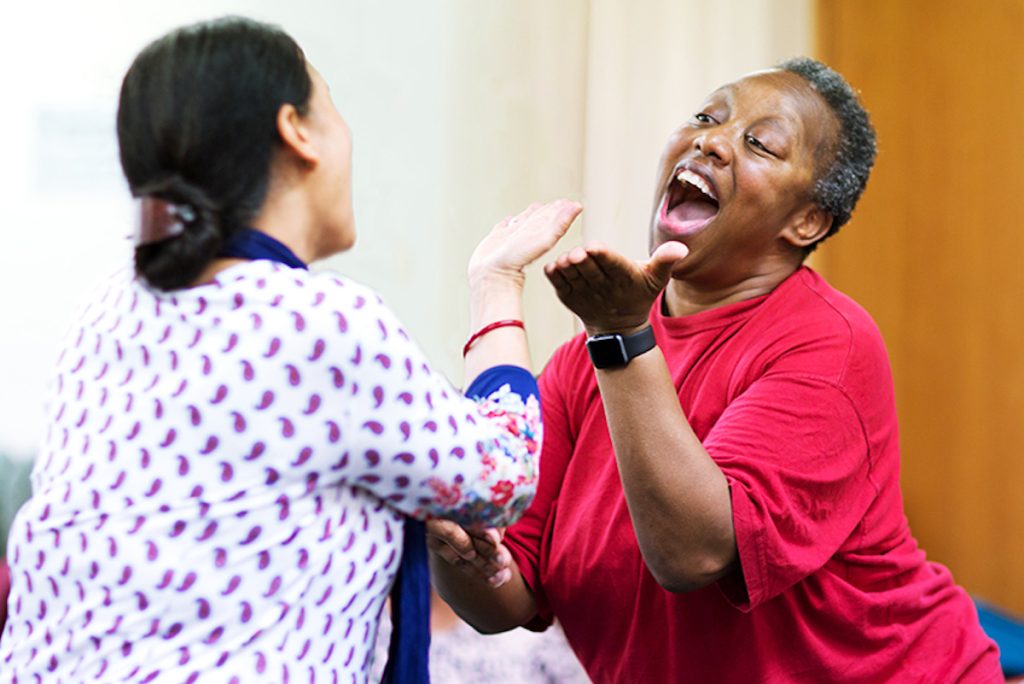
Interactive art forms, such as theater and dance, also offer excellent opportunities for intergenerational bonding. The vibrant energy of acting and movement invites participation regardless of age, making it an ideal way to break down barriers. Families can stage their own plays or learn different dance styles, tapping into cultural traditions while encouraging expressions of joy and laughter that resonate across the generations. Moreover, engaging in live performances exemplifies teamwork, fostering communication and strengthening bonds as family members work toward a common goal.
- ‘The Art of Storytelling’: Storytelling can weave generations together through shared narratives. Family members can take turns narrating tales from their past, providing a platform for older generations to pass down cultural histories while younger relatives share their contemporary experiences and aspirations.
- Art Therapy: Exploring art as a therapeutic practice together can deepen emotional connections. Activities such as painting or drawing, underpinned by conversations about feelings and experiences, can release pent-up emotions and lead to transformative healing processes.
- Community Projects: Participating in community-based art initiatives offers families the chance to give back while bonding over a common purpose. Whether it’s creating a mural, engaging in community gardens, or collaborating on public art installations, these projects instill a sense of pride and unity, showcasing how artistic expression can benefit society.
Further enhancing these experiences is the Role of technology in this ever-evolving artistic landscape. Tools like online workshops, virtual reality art, and creative social media challenges provide innovative platforms for families to connect. These resources often serve as gateways, facilitating collaboration that transcends geographical barriers. For instance, participating in a live-streamed art class or collaborating on art projects through video calls showcases how technology can complement artistic pursuits, allowing families to build creativity regardless of distance.
To complement these artistic endeavors, it is vital to recognize the role of art exhibitions and local art fairs, which often feature intergenerational works. Visiting such events together can serve as inspiration for families, providing a multicultural perspective on artistic expression while nurturing appreciation for the diversity of art forms available. Experiencing art first-hand plants the seeds for discussions on creativity and perception while strengthening family ties.
As families delve deeper into the various dimensions of creative hobbies, they not only cultivate individual talents but also weave a vibrant familial narrative enriched by shared experiences, understanding, and mutual respect. The act of creating art together further solidifies the bonds of family, transcending age gaps and uniting different generations through the sheer joy and exploration of artistic expression.
Conclusion
In exploring the profound impact of artistic expression on intergenerational connection, it becomes clear that creative hobbies serve as vital bridges that span age gaps within families. Whether it’s through collaborative projects like photography or engaging in arts such as dancing and theater, families can cultivate not just shared experiences but also a deeper understanding of one another. The art of storytelling unites generations, allowing for cultural transmission and shared aspirations, while community projects instill a sense of purpose and belonging.
Moreover, the integration of technology introduces endless possibilities, facilitating artistic collaboration regardless of distance. Virtual art classes or online challenges can connect family members in ways previously unimaginable, allowing creativity to flourish even when physically apart. When families attend art exhibitions and local fairs together, they not only seek inspiration but also engage in meaningful discussions that celebrate the richness of their diverse perspectives.
Ultimately, the journey through artistic expression fosters appreciation, respect, and love within families. As they navigate the creative process together, families cultivate a shared narrative that enhances bonds and creates lasting memories. In embracing these artistic hobbies, families can unlock a world where creativity, joy, and connection thrive, proving that the canvas of life can indeed be brighter when painted together.