Art as a Communication Tool: Hobbies that Facilitate the Expression of Ideas and Emotions
The Significance of Art in Human Expression
Art has long been recognized not just as a form of aesthetic expression but as a powerful means of communication. Through various hobbies, individuals find ways to express complex ideas and deep emotions that words often fail to capture. Whether displayed in a gallery, performed on stage, or enjoyed in private moments, art provides a unique lens through which individuals can explore their inner landscapes and share their experiences with the world.
Creative Writing: The Power of Words
Creative writing encompasses a wide range of forms, including poetry, novels, short stories, and essays. These literary forms serve as a vital platform for expressing emotions and experiences. For instance, in the realm of poetry, writers like Maya Angelou and Robert Frost have articulated the intricacies of love, loss, and identity in ways that resonate deeply with readers. Angelou’s “Still I Rise” not only celebrates resilience but also comments on the African American experience, encapsulating feelings that transcend generations. By putting pen to paper, writers can explore their personal narratives while inviting others to reflect on their own.
Visual Arts: Colors and Interpretations
In the visual arts, mediums such as painting, sculpture, and photography allow artists to convey messages through colors, shapes, and textures. Consider the work of iconic American artists like Jackson Pollock with his abstract expressionism or Georgia O’Keeffe’s stunning floral canvases. Each piece invites viewers to interpret the artist’s intended emotions or social commentary. For example, O’Keeffe’s vibrant flowers often symbolize female empowerment, while Pollock’s chaotic splatters can represent the turmoil of the human psyche. These interpretations encourage dialogue and foster a deeper understanding of artistic intent.
Performing Arts: Movement as Expression
The performing arts, including dance and theater, bring stories to life through movement and action. Productions like Lin-Manuel Miranda’s “Hamilton” have transformed the way audiences engage with historical narratives, using hip-hop and modern storytelling to convey messages about diversity and power. Dance forms, such as ballet or contemporary dance, can also express complex emotions without a single word being spoken. A performance by a group like the Alvin Ailey American Dance Theater, for instance, can evoke feelings of joy, grief, or cultural pride, forging connections between performers and audience members alike.
Music: A Universal Language
Music serves as another profound means of emotional expression. Composers and songwriters like Bob Dylan and Beyoncé have used their platforms to explore themes ranging from love and heartache to social justice and empowerment. Dylan’s “The Times They Are A-Changin'” epitomizes the spirit of change during the 1960s, while Beyoncé’s “Formation” addresses issues of race and identity in modern America. The melodies and rhythms resonate on an emotional level, often becoming anthems for movements or personal moments.
Community Engagement and Emotional Well-Being
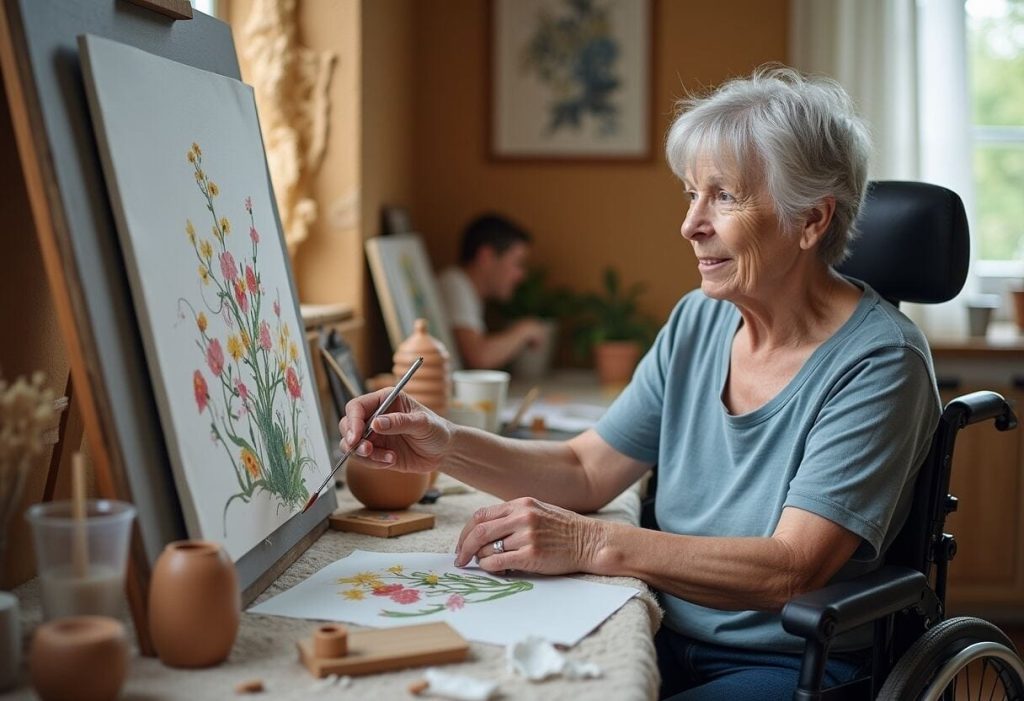
Engaging in the arts not only facilitates personal expression but also fosters connections within communities. According to the National Endowment for the Arts, participation in the arts promotes emotional well-being and encourages dialogue among individuals of diverse backgrounds. Community art projects, local theater productions, and public art installations serve as platforms for people from different walks of life to come together, share experiences, and spark conversations.
This exploration of art as a communication tool invites us to delve deeper into how these creative outlets shape conversations and bridge the gap between different perspectives. As we uncover the myriad ways in which art forms become a language in their own right, it becomes clear that art is not merely a pursuit; it is a vital aspect of human connection and cultural dialogue.
Exploring Diverse Artistic Mediums as Communication Tools
Art is a multifaceted medium that transcends traditional boundaries of communication. Each form of artistic expression offers unique avenues for individuals to convey their thoughts, emotions, and cultural narratives. By understanding how different hobbies within the arts serve as communication tools, we can appreciate their profound impact on both personal and social levels.
Creative Writing: Narratives that Resonate
Creative writing is not merely an exercise in syntax and grammar; it is a means of weaving complex narratives that reflect the human condition. Writers engage in various forms such as essays, short stories, and novels to create a visceral connection with their audiences. Notable authors like Toni Morrison and Ernest Hemingway have pioneered this art form, using language to evoke powerful feelings of love, struggle, and identity. Morrison’s “Beloved” not only tells a story of haunting but also communicates the lingering impacts of slavery, prompting readers to confront historical injustices.
Moreover, creative writing allows for the exploration of individual experiences and shared cultures. By putting their own thoughts into words, writers can foster empathy and understanding among readers. Consider the way personalized blogs or memoirs address societal issues or personal journeys, shedding light on topics often left in the shadows. Through workshops or online platforms, individuals can engage in creative writing, developing their skills while contributing to broader dialogues.
Visual Arts: A Spectrum of Emotional Expression
The visual arts encompass a wide range of expressions—painting, sculpture, and photography each speak in unique vocabularies. For instance, artists like Andy Warhol and Frida Kahlo have used visual imagery to convey societal critiques and personal emotions. Warhol’s Pop Art challenges consumerism, while Kahlo’s self-portraits articulate her deep emotional and physical struggles. The interpretation of these works varies widely, engaging viewers in discussions about meaning and significance.
- Colors: Different hues can evoke specific emotional responses; blue may convey sadness while yellow can reflect cheerfulness.
- Forms: Shapes and structures in artwork can embody movement, stability, or chaos, drawing viewers into the artist’s intention.
- Textures: The tactile qualities of materials can enhance the emotional depth of a piece, inviting closer examination and connection.
As audiences interpret these works, they actively participate in the communication process, creating a dynamic exchange between artist and observer that enriches understanding.
Performing Arts: The Essence of Human Connection
The performing arts, including theater and dance, utilize the medium of live performance to narrate stories and express emotions. This immediacy creates an emotional resonance that can be both exhilarating and transformative. For example, productions like “A Raisin in the Sun” reflect African American struggles and aspirations, bridging historical context with modern audiences’ experiences. The visceral reactions elicited during a live performance can facilitate a powerful sense of community among attendees, fostering connections through shared emotional experiences.
In addition, dance as a form of expression transcends linguistic barriers. Styles like hip-hop or contemporary dance can convey complex social commentary or personal stories through movement alone. The choreography acts as a universal language, allowing performers to articulate themes such as joy, sorrow, or resistance without uttering a single word.
The Role of Music in Emotional Expression
Music represents another cornerstone of artistic communication, often termed “the universal language.” Genres ranging from classical to hip-hop serve as vehicles for emotional storytelling and social commentary. Icons like Nina Simone and Kendrick Lamar have addressed civil rights, identity, and personal struggles through their lyrics and melodies, creating powerful connections with audiences across demographics.
Ultimately, music can invoke a broad spectrum of emotions, compelling individuals to reflect on their own experiences while prompting conversations on pressing societal issues. Live music events and festivals further enhance this communal experience, solidifying a sense of belonging and shared understanding among attendees.
Art as a communication tool is not limited to simple expression; it encompasses intricate interactions between the creator and the audience, allowing for a depth of engagement that transcends spoken language. Understanding the various channels through which art communicates enables us to appreciate its significant role in bridging cultural divides and fostering empathy.
Art as a Powerful Medium of Expression
Art, in its myriad forms, serves as a powerful medium of communication that transcends the barriers of language, culture, and social norms. Individuals often turn to creative outlets such as painting, sculpture, music, and theater as a means of sharing their innermost thoughts and feelings. This can be particularly therapeutic for those who struggle with conventional communication, providing them with a unique vocabulary that articulates the complex tapestry of human emotion.Moreover, engaging in artistic hobbies fosters a deep sense of connection among individuals. When people collaborate in artistic endeavors, they not only cultivate a sense of community but also develop an appreciation for each other’s perspectives. Workshops, art classes, or community art projects often bring together diverse groups, showcasing various interpretations and emotional responses to shared themes. This interplay of ideas can lead to profound social change, highlighting the importance of art as a vehicle for dialogue and understanding.In various cultures, art is used to convey stories and traditions, ensuring that ideas and emotions are preserved for future generations. Participatory art experiences, such as mural painting or community theater, invite collaboration and amplify voices that may otherwise remain unheard.
Benefits of Creative Expression
Artistic hobbies provide numerous benefits that go beyond mere self-expression. Participating in these activities enhances cognitive development, fostering creativity and critical thinking skills. For children and adults alike, engaging in arts and crafts can improve focus and patience, as each creation requires time, effort, and consistent practice.Additionally, art serves as an emotional outlet, allowing individuals to explore and process experiences that might be difficult to verbalize. This therapeutic aspect of art can lead to improved mental health, providing individuals with the opportunity to reflect on their emotions in a tangible way. Whether it’s through the rhythmic strokes of a paintbrush, the penned words of poetry, or the chords of a musical composition, art continues to stand as a testament to the enduring human spirit.Both the act of creating and the experience of sharing art can ignite inspiration in others, proving that communication through art is not solely about what is created but also about the conversations it sparks. These conversations can lead to new understandings and build bridges between differing perspectives, making art an invaluable tool in facilitating the expression of ideas and emotions.
| Advantages | Description |
|---|---|
| Enhanced Communication Skills | Art stimulates clear expression of complex emotions. |
| Mental Well-being | Creating art helps in emotional processing and stress relief. |
Community Art Projects: Uniting Voices Through Collaboration
Community art projects serve as powerful platforms for collective expression and advocacy. These collaborative initiatives often bring together artists, residents, and local organizations to manifest shared visions and address social issues within a community. For example, in urban settings across the United States, mural projects have transformed blank walls into vibrant canvases telling stories of cultural heritage, social justice, and local history. Such projects not only beautify neighborhoods but also serve as visual declarations of identity and community solidarity.
The impact of community art can be seen in initiatives like the Chicago Public Art Program, which aims to engage local artists to reflect the essence of their neighborhoods through public artworks. The interaction between artists and community members fosters important dialogues around themes such as unity, resilience, and belonging. When individuals come together to create art, they forge connections that transcend socio-economic and racial divides, promoting inclusivity and shared understanding.
Digital Art: New Frontiers of Expression
The rise of the digital art revolution has introduced innovative avenues for creativity and communication. From graphic design to digital painting and animation, artists are utilizing technology to push boundaries and explore new forms of expression. Platforms like Instagram and TikTok have transformed how we share and consume art, enabling creators to showcase their work globally and engage with diverse audiences. This democratization of art allows for immediate interaction and feedback, inviting conversations around contemporary issues such as mental health and climate change.
Notably, digital art has become a medium for activism. Artists harness social media to raise awareness and convey messages on pressing social issues, using hashtags and viral content to amplify their voices. Movements like #BlackLivesMatter have inspired a wave of digital artworks that reflect personal and communal experiences of racial injustice, facilitating discussions that resonate widely. With every scroll, viewers engage in a vital exchange that embodies the essence of artistic communication.
Crafting as a Form of Storytelling
Crafting may often be underrated, yet it encompasses a rich tapestry of storytelling through handmade creations. Whether it is knitting, woodworking, or pottery, crafting allows individuals to express their emotions and cultural narratives through tactile experiences. Each handmade item holds the maker’s intention and tradition, encapsulating stories of heritage, identity, and personal significance.
For example, the tradition of quilting, especially among African American communities, goes beyond mere functionality; it serves as a historical archive, with each quilt patch symbolizing narratives of struggle, joy, and familial bonds. Community quilting bees create spaces for dialogue, connection, and sharing of experiences, embodying a culture’s resilience and creativity. Through crafting, individuals can articulate their identities and experiences, while fostering community ties through collaborative projects.
Photography: Capturing Moments and Meanings
Photography serves as a profound medium for depicting reality and evoking emotions. A single photograph can encapsulate complex human experiences, addressing themes such as love, loss, and joy. Renowned photographers like Dorothea Lange have utilized their lenses to capture the struggles of everyday people, particularly during the Great Depression, compelling viewers to confront harsh realities and empathize with the subjects’ experiences.
In addition, social media platforms like Instagram have amplified the role of photography in contemporary communication, as individuals document their lives, cultures, and perspectives through curated images. Photography contests and social campaigns encourage broader societal reflections and inspire action around significant issues. By sharing personal perspectives through this visual medium, individuals can bridge divides and ignite dialogues that promote awareness and understanding.
Overall, art in its various forms remains a profound communication tool, empowering individuals to express themselves and connect with others while addressing critical social narratives. The deep roots of expression embedded in these artistic hobbies remind us that creativity knows no bounds and resonates across cultures and communities. With each stroke, note, or stitch, artists continue to tell stories that transcend time and space, inviting us all to listen, reflect, and engage.
Conclusion
In exploring the multifaceted role of art as a communication tool, we uncover the profound impact that hobbies such as community art projects, digital creation, crafting, and photography have on the expression of ideas and emotions. These artistic endeavors not only serve as individual outlets for creativity but also foster community engagement and encourage collective storytelling. As demonstrated through various examples, such as vibrant murals in urban neighborhoods and the global reach of digital art on platforms like Instagram, art transcends geographical boundaries and social divides.
Furthermore, these hobbies promote inclusivity and understanding by enabling diverse voices to share their narratives. Whether through the shared experience of quilting bees or the social activism encapsulated in digital artwork, people forge connections that are rooted in empathy and compassion. The storytelling inherent in crafting and photography encapsulates personal and cultural histories, inviting viewers and participants alike to reflect on their experiences and perspectives.
Ultimately, art remains a vital conduit for dialogue in our increasingly complex world, allowing individuals to navigate their emotions and advocate for social change. As we continue to embrace the various forms of artistic expression, we can harness their power to communicate, unite, and inspire others. Through engaging with art, we are reminded that creativity is not just an aesthetic pursuit; it is an essential tool for connection and understanding that encourages us all to engage more thoughtfully and meaningfully with the world around us.