
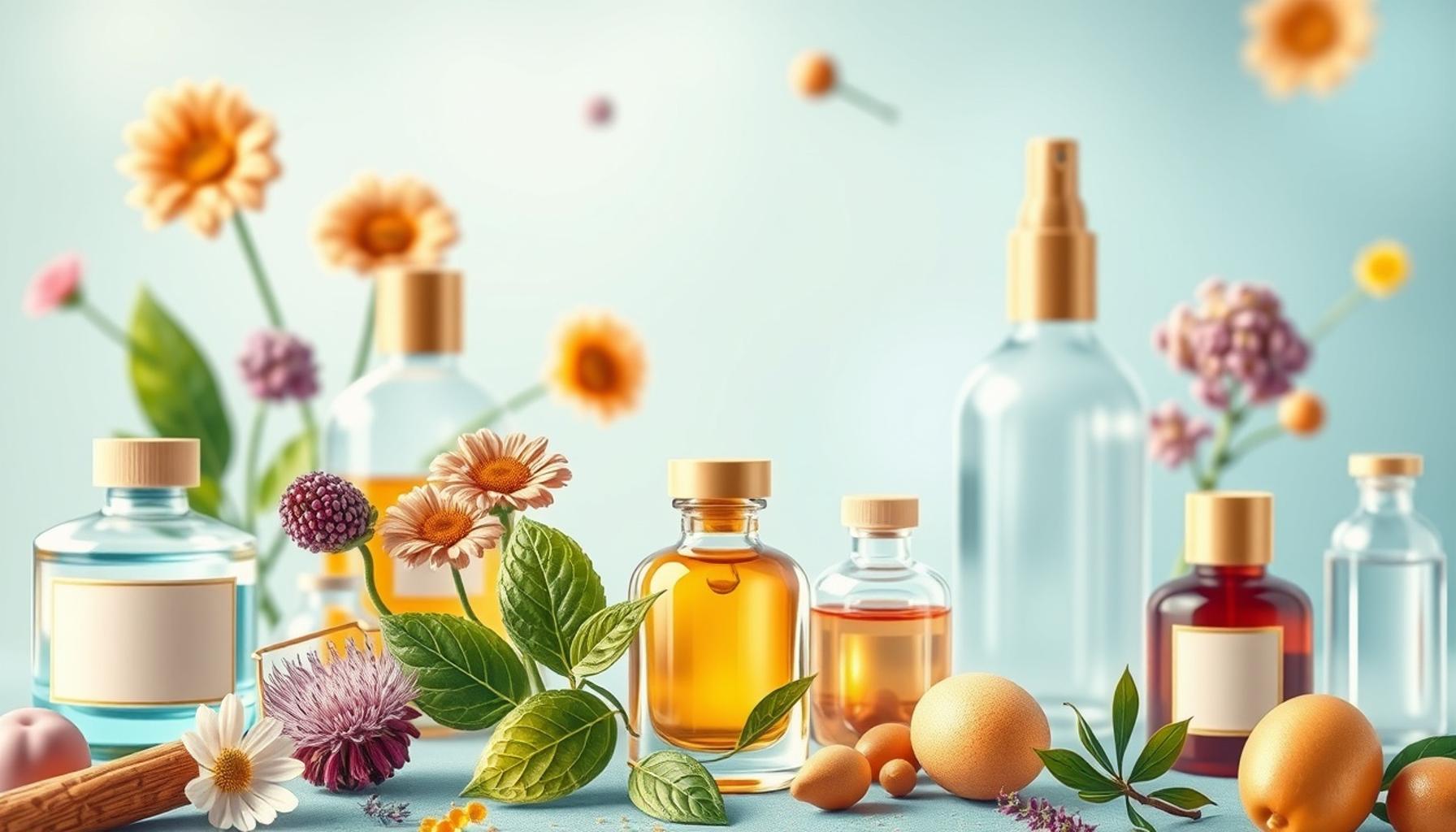
Understanding the Scent of Beauty
Fragrance plays a pivotal role in the allure of cosmetics, captivating consumers with delightful odors. However, the choice between natural and synthetic ingredients often raises questions about safety, sustainability, and overall impact. In this exploration, we’ll uncover the nuances behind these two categories of fragrances, encouraging a deeper understanding for both consumers and beauty enthusiasts.
The Allure of Fragrance
Fragrances enhance our daily routines, elevating everything from a morning skincare regimen to the final spritz of perfume before a night out. But what constitutes a “good” scent? The preferences can be highly subjective, tied closely to individual experiences and memories. Consider the following:
- Natural Fragrances: Derived from plants, flowers, and essential oils, these fragrances often evoke a sense of authenticity. For example, lavender essential oil is not only celebrated for its pleasant aroma but also prized for its calming effects. Brands that utilize natural fragrances often tout their products as being environmentally friendly, appealing to eco-conscious consumers.
- Synthetic Fragrances: Created in laboratories, these fragrances mimic natural scents and can offer a broader range of olfactory experiences. A good example is vanilla, which is widely used in cosmetics. While natural vanilla is relatively costly and can be hard to source sustainably, synthetic vanillin can replicate that warm, inviting scent efficiently and at a lower cost.
- Potential Allergen Risks: It’s essential to recognize that both types can trigger allergic reactions. Some individuals may react poorly to specific essential oils, while synthetic fragrances often include chemicals like phthalates, which have raised health concerns and led to regulatory scrutiny.
As we dive deeper, it’s vital to examine the benefits and drawbacks of both types of fragrances. What might appeal to one person could raise concerns for another. Natural fragrances typically boast a richer profile, but the scent may fade quicker than their synthetic counterparts. Conversely, synthetic fragrances can provide long-lasting experiences; however, they sometimes lack the depth that nature offers.
Why It Matters
The debate over natural versus synthetic fragrances remains ongoing, and understanding this topic is crucial for informed consumer choices. Here are some key considerations:
- Environmental Impact: Are natural materials sustainably sourced? The extraction of certain essential oils can lead to environmental degradation and loss of biodiversity. Understanding the lifecycle of these ingredients can help consumers make eco-friendlier decisions.
- Chemical Safety: Do synthetic ingredients pose health risks? Certain synthetic compounds, while effective, have been identified as potential irritants or allergens. Consumers are encouraged to scrutinize ingredient lists and research the implications of these substances.
- Performance: How do they compare in terms of longevity and scent strength? Synthetic fragrances tend to last longer on the skin due to their molecular structure, while natural scents may require more frequent reapplication.
Unlocking the secrets of cosmetic fragrances invites you to discover their roots and implications. Dive in as we separate fact from fiction in this fascinating world of scents, empowering yourself with knowledge to make choices that resonate with your values and preferences.
DISCOVER MORE: Click here for essential facial cleansing tips
Natural Fragrances: The Essence of Nature
Natural fragrances are derived directly from the plant kingdom, capturing the essence of flowers, fruits, herbs, and even woods. These aromatic substances are extracted through various means such as steam distillation, cold pressing, or solvent extraction. The allure of natural fragrances lies in their perception as being purer and cleaner, appealing to consumers who value organic ingredients and transparency in products. For instance, the rich and vibrant scent of jasmine is not only enchanting but also tied to traditions that date back centuries, promoting well-being and emotional balance.
The Benefits of Natural Fragrances
One of the notable advantages of natural fragrances is their complex scent profiles. Essential oils contain numerous compounds working harmoniously, which can enhance not only the fragrance itself but also provide therapeutic benefits—often referred to as aromatherapy. For example, citrus fragrances derived from zesty oranges or refreshing lemons can invigorate and uplift one’s mood, while earthy scents like sandalwood may offer grounding qualities.
- Biodegradability: Natural fragrances are less likely to accumulate in the environment compared to some synthetic fragrances, making them a more eco-friendly option. Their organic composition allows for easier breakdown in nature, thus reducing potential harm.
- Holistic Benefits: With ancient roots in various cultures, many users believe that natural fragrances can positively influence mental state and overall wellness. Whether soothing stress or providing clarity, the potential health benefits add to their appeal.
- Consumer Trust: Brands that prioritize natural ingredients often gain consumer loyalty through transparency and ethical sourcing. As consumers become more aware of what they apply to their skin, the demand for trustworthy brands grows.
Synthetic Fragrances: Innovation Meets Versatility
Synthetic fragrances, conversely, are the product of modern chemistry, crafted in lab environments to mimic the scents found in nature or to create entirely new olfactory experiences. These fragrances can be designed specifically to evoke certain emotions or reactions, offering brands the ability to maintain consistency in scent across different batches and product lines. Their cost-effective nature allows for a broader range of products at accessible price points.
The Advantages of Synthetic Fragrances
Synthetic fragrances boast significant benefits that appeal to both manufacturers and consumers alike. They can produce scents that are hard to source organically, such as certain tropical fruits or exotic spices. Additionally, they are often more stable, which means they can maintain their scents longer and withstand changing environmental conditions.
- Consistency: Unlike natural fragrances, which can vary in scent depth and strength based on crop yield and seasonal changes, synthetic fragrances provide uniformity—ensuring that each bottle of product delivers the same aromatic experience.
- Cost-Effectiveness: Creating fragrances chemically can significantly reduce costs, allowing for affordability without compromising on quality for consumers looking for budget-friendly options.
- Creative Freedom: Synthetic chemistry allows perfumers to experiment with a wider array of scents, encouraging innovation and the development of unique fragrances that may not exist in nature.
As we analyze the intricate details of fragrance components in cosmetics, it becomes clear that the choice between natural and synthetic fragrances is not merely about preference but also encompasses broader considerations such as effectiveness, ethics, and environmental impact.
Exploring Natural Fragrances in Cosmetics
Natural fragrances sourced from plants have become increasingly popular among consumers seeking cleaner, more sustainable cosmetic options. These fragrances are derived from essential oils, extracts, and other plant-based sources, providing not only scent but also potential skin benefits. For instance, essential oils like lavender or eucalyptus are often incorporated into products for their calming properties, and their use can enhance the overall sensory experience of beauty routines.Another important aspect of natural fragrances is their perceived safety profile. Many consumers associate natural with safe, leading to a rising demand for cosmetics marketed as “free from synthetic additives.” However, it’s essential to note that natural ingredients can cause allergic reactions or sensitivities just like their synthetic counterparts. Therefore, transparency in ingredient sourcing is vital, allowing consumers to make informed choices about what they apply to their skin.Environmental sustainability is another critical factor driving the choice of natural fragrances. Sourcing ingredients that are ecologically sustainable supports biodiversity and reduces the impact on the planet. Many brands are adopting environmentally-friendly practices, such as using organic farming techniques and minimizing waste in production, which resonates with eco-conscious consumers seeking to support preservation efforts.
Diving into Synthetic Fragrances
On the other side of the spectrum, synthetic fragrances are crafted from various chemical compounds that can mimic natural scents or produce entirely new olfactory experiences. One significant advantage of synthetic fragrances is their consistency; they can be engineered for reliability without the variations found in natural sources due to climate, location, or season. This reliability allows brands to maintain a signature scent across products and batches.Beyond aesthetic appeal, synthetic fragrances can also offer functional benefits such as longer-lasting scents and stability during production. They are less prone to degradations that can occur in natural formulations, ensuring that the product retains its fragrance over time. Additionally, reputable manufacturers are committed to creating safer synthetic options, often excluding harmful phthalates and allergens, and adhering to rigorous safety assessments.However, the topic of synthetic fragrances can raise concerns regarding potential skin irritations or health issues associated with certain chemicals. The challenge lies in balancing fragrance efficacy with safety, leading to ongoing discussions about the need for stricter regulations in the cosmetics industry. Consumers are encouraged to research and remain aware of ingredient lists when choosing products.Overall, both natural and synthetic fragrances hold distinct advantages and challenges, and understanding these differences empowers consumers to make educated choices in their cosmetic purchases. As the debate continues, it is crucial to consider personal preferences, sensitivities, and environmental impacts when exploring the world of fragrances in cosmetics.
DISCOVER MORE: Click here to find out which beauty tools suit you best
Understanding the Impact of Fragrance Choices
The debate surrounding natural versus synthetic fragrances isn’t just limited to personal preference; it extends into the realms of health, sustainability, and consumer safety. As modern consumers become more educated and vigilant about what they apply to their skin, the implications of fragrance choices in cosmetics garner increasing scrutiny.
The Health Considerations
Some consumers express concerns about potential allergens and irritants commonly found in both natural and synthetic fragrances. According to the American Academy of Dermatology, certain essential oils and their concentrated forms can cause skin reactions for sensitive individuals. Conversely, synthetic fragrances often house a cocktail of chemical compounds that may also pose risks, with studies suggesting that some ingredients can disrupt hormonal balance or provoke respiratory issues.
- Label Transparency: The discrepancy between ingredient transparency is crucial. Natural products often emphasize their ingredient sourcing, but companies using synthetic fragrances may not always disclose their full composition, making it important for consumers to seek brands that provide comprehensive labeling.
- Regulatory Standards: The regulation surrounding cosmetic ingredients can vary significantly. Natural ingredients often go through rigorous scrutiny to ensure consumer safety, while some synthetic components escape stringent guidelines. The Cosmetics Ingredient Review panel recommends specific synthetic ingredients, but the landscape is continuously evolving.
Sustainability as a Driving Factor
In an age where sustainability is a cornerstone of many purchasing decisions, the impact of fragrance sources also plays a pivotal role. The extraction process for natural fragrances, for example, can contribute to biodiversity loss if not managed sustainably. Many essential oils require significant land and water resources, raising concerns about ecological sustainability. However, brands are increasingly embracing ethical sourcing and sustainability practices, aiming to create fragrances that are both environmentally friendly and socially responsible.
- Carbon Footprint: The environmental impact extends beyond sourcing. Synthetic fragrances may have a lower carbon footprint during their lifecycle due to less impact on crops and land. However, the manufacturing process for synthetic compounds can be energy-intensive, necessitating a broader assessment of their overall environmental costs.
- Waste Reduction: As the beauty industry continues to innovate, the emphasis on reducing packaging waste and finding biodegradable ingredients has taken center stage. This trend applies to both natural and synthetic fragrances, with brands re-evaluating traditional practices.
The Market Trends and Consumer Preferences
The market for fragrance in cosmetics is ever-evolving. According to research conducted by Statista, the demand for natural beauty products has surged in recent years, with consumers increasingly prioritizing organic and sustainably sourced ingredients. This shift encourages manufacturers to re-evaluate their formulations—pushing the envelope towards greener options that satisfy both aesthetic and ethical concerns.
- Brand Storytelling: Labels that effectively communicate their values and sourcing practices connect with consumers on a deeper level. The narrative behind a product can significantly influence buying behavior, requiring brands to be transparent about where their ingredients come from, be it natural or synthetic.
- Niche Markets: The rise of specialty and niche brands focusing exclusively on natural or synthetic formulations is not only creating competition, but also fostering a more informed consumer base. This segment embraces everything from artisanal perfumery to cutting-edge synthetic chemistry, reflecting a dual appreciation for both ends of the fragrance spectrum.
As the dialogue around cosmetics fragrances expands, understanding the implications of both natural and synthetic ingredients becomes crucial for empowered consumer choices. With more information at hand, one can navigate the complex world of fragrances with greater confidence, regardless of personal preferences.
DISCOVER MORE: Click here to learn about the role of hydration in maintaining youthful skin
Conclusion: Choosing Wisely in the Realm of Fragrance
As the landscape of cosmetic fragrances evolves, it is essential for consumers to make informed decisions regarding natural and synthetic ingredients. While both types of fragrances come with their own sets of advantages and drawbacks, understanding the nuances between them can empower individuals to choose products that align with their values and skin sensitivities.
The growing interest in health and sustainability has sparked a conversation that extends beyond scent preferences. With evidence suggesting that both natural and synthetic fragrances can trigger reactions for sensitive individuals, consumers must remain vigilant and proactive, scrutinizing labels and ingredient lists. This focus on label transparency is crucial as it provides clarity in a complex market where formulations may vary significantly.
Moreover, as the demand for eco-friendly products rises, companies must navigate the delicate balance of providing enticing fragrances while preserving the integrity of our environment. Innovative approaches to sourcing, manufacturing, and waste management are not just a trend but are becoming necessities in an increasingly conscious marketplace.
In exploring this dynamic field of cosmetic fragrances, consumers are reminded of their power to influence brands through their preferences and purchasing choices. Whether drawn to the authenticity of natural ingredients or the efficacy of synthetic formulations, the key lies in knowledge and awareness. We encourage readers to delve deeper into this topic, engage with brands that prioritize sustainability, and embrace a fragrance journey that reflects both personal taste and broader values.