
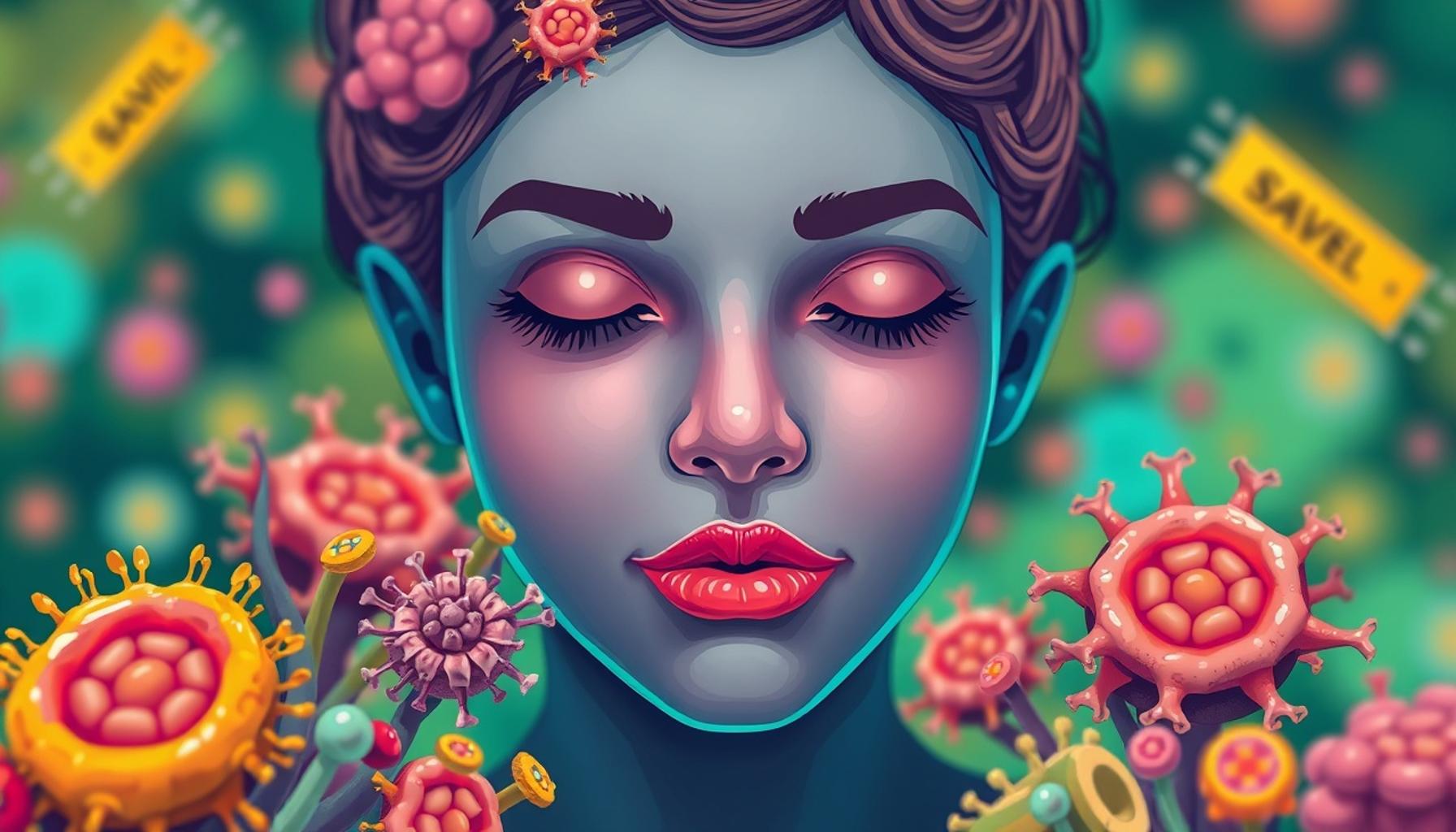
The human skin is not merely an exterior covering but a dynamic ecosystem brimming with life. This intricate landscape is home to the skin microbiome, a complex community of microorganisms—including bacteria, fungi, and viruses—that play a crucial role in maintaining skin health. Research has unveiled tantalizing insights into how this microscopic world can potentially influence not just our appearance but also our overall well-being, especially as we age.
Understanding the Microbiome’s Functions
The skin microbiome performs several vital functions that contribute to its health, acting as a guardian against various external threats. For instance:
- Protection: The microbiome serves as a first line of defense against harmful pathogens. The beneficial bacteria produce substances that inhibit the growth of harmful microorganisms, thereby reducing the risk of infection.
- Balance: It helps maintain optimal skin pH and moisture levels. A balanced microbiome can keep the skin hydrated and prevent conditions like dryness or excessive oiliness, both of which can lead to skin issues.
- Regulation: By influencing inflammation and immune response, the microbiome plays a significant role in skin conditions. This regulation can help mitigate issues such as acne, eczema, and rosacea, which are exacerbated by inflammation.
The Link Between Aging and the Microbiome
As individuals age, there is often a notable decline in the diversity of the skin microbiome. This decrease can lead to various skin issues, such as increased dryness, wrinkles, and sensitivity. Recent studies suggest that a robust and diverse microbiome can:
- Enhance skin barrier function. A strong skin barrier helps prevent moisture loss and protects against irritants.
- Combat environmental stressors. Exposure to pollution, UV radiation, and changes in climate can harm the skin; however, a healthy microbiome may offer resilience against these factors.
- Boost natural hydration. Certain bacteria can produce substances that keep the skin hydrated, which is particularly beneficial as the skin’s natural moisture-retaining abilities diminish with age.
In light of these findings, innovative skincare products are now emerging that focus on nurturing the microbiome. These formulations often contain prebiotics and probiotics, designed to support the beneficial microbes on the skin. As this area of research continues to evolve, understanding the role of the microbiome in anti-aging solutions could fundamentally change your skincare regimen, leading to a more youthful and vibrant appearance.
Exploring the world of the skin microbiome not only opens doors to new skincare innovations but also invites a deeper appreciation for the complexity of our bodies. By learning to support and nurture these microscopic allies, individuals can embark on a path toward healthier skin that looks and feels revitalized.
DIVE DEEPER: Click here to discover the connection between nutrition and skin aging
Unlocking the Secrets of Skin Microbiome and Aging
The skin microbiome is a fascinating aspect of human biology that has recently gained considerable attention in the realm of skincare and anti-aging solutions. Understanding how this intricate community of microorganisms functions can pave the way for innovative approaches to combat skin aging. The microbiome on our skin contains beneficial bacteria that are integral to maintaining overall skin health, and their influence can be far-reaching.
One significant aspect to note is that the skin microbiome is not static; it evolves in response to various internal and external factors. This adaptability highlights the importance of nurturing a healthy microbiome, particularly as one ages. Research indicates that an imbalance in this microbial community can lead to a variety of skin issues, which can exacerbate the visible signs of aging.
Age-Related Decline in Microbial Diversity
As we grow older, the diversity of our skin microbiome tends to diminish, resulting in an array of changes that contribute to aging skin. Here are several ways in which this decline can impact your skin:
- Decreased Epidermal Functionality: The reduced presence of beneficial bacteria can weaken the skin barrier, making it more susceptible to irritants and allergens, which can exacerbate aging signs.
- Impaired Sebum Production: With age, the skin produces less sebum, which leads to drier skin. A healthy microbiome can help maintain lipid balance, enhancing moisture retention.
- Increased Inflammation: Aging often correlates with higher levels of skin inflammation, which can accelerate conditions like rosacea and pigmentation issues. A balanced microbiome helps regulate inflammatory responses.
Additionally, the skin’s ability to retain moisture declines over time, and studies show that certain beneficial bacteria aid in the production of hyaluronic acid and other molecules that help keep skin hydrated. These insights reveal that maintaining a flourishing microbiome could potentially lead to a more youthful appearance.
Harnessing Microbial Benefits for Skincare
Incorporating microbiome-friendly products into your skincare routine has become an essential trend among consumers seeking effective anti-aging solutions. From probiotics to prebiotics, these ingredients are designed to replenish beneficial bacteria and restore balance to the skin’s ecosystem. Many brands are developing products that not only focus on traditional anti-aging compounds like retinol and peptides but also include formulations that actively nourish and support the skin microbiome.
For instance, some products are enriched with live cultures that introduce healthy bacteria directly to the skin. Others contain prebiotic fibers that serve as food for these microbes, helping them thrive. The convergence of microbiome research and dermatological innovations invites consumers to rethink their skincare strategies, considering not just the superficial outcomes but also the underlying biological ecosystems at play.
Ultimately, understanding and embracing the role of the skin microbiome could provide a blueprint for more effective and holistic anti-aging skincare practices. The journey into the world of skin microbiota offers an unprecedented opportunity to explore new dimensions of skin health and longevity.
As we delve deeper into the fascinating world of the skin microbiome, it’s essential to understand its multifaceted role in our skin health and its potential in anti-aging solutions. The skin microbiome, consisting of trillions of microorganisms, including bacteria, fungi, and viruses, acts as a protective barrier against harmful pathogens, while concurrently maintaining skin hydration and elasticity. Contemporary research has increasingly highlighted how a diverse and balanced microbiome can enhance skin rejuvenation processes. For instance, beneficial bacteria can synthesize vital nutrients like vitamin K and various acids, which contribute to the overall health of the skin. Notably, biota such as Staphylococcus epidermidis have been linked to the production of antimicrobial peptides that help ward off infections, promoting a healthier skin environment conducive to anti-aging effects.Additionally, the skin microbiome plays a crucial role in modulating our skin’s immune responses. An adequately balanced microbiome can regulate inflammation, a key factor in premature aging. For example, an optimal bacterial ecosystem can help control inflammatory markers such as interleukin-1, which has been associated with skin aging, thereby delaying the visible signs of aging.Moreover, the application of probiotics and prebiotics in skincare products is gaining traction, reinforcing the beneficial effects of these microorganisms on our skin. Topical probiotics can help restore balance to the microbiome when disrupted by factors like pollution, stress, and harsh skincare products, further highlighting their potential in enhancing skin vitality and appearance.Furthermore, emerging studies suggest a promising connection between skin microbiome diversity and skin aging biomarkers. Individuals with a rich and varied skin microbiome tend to exhibit fewer wrinkles and improved skin texture. This connection underlines the importance of nurturing our skin’s microflora through personalized skincare regimes and lifestyle choices, such as incorporating fermented products or reducing antibiotic overuse, ultimately leading to healthier, more youthful skin.Thus, recognizing and harnessing the power of our skin microbiome could revolutionize anti-aging strategies, offering a natural, sustainable way to combat aging while promoting overall skin health. This captivating intersection of microbiology and dermatology not only opens doors to innovative skincare solutions but also invites a reevaluation of how we approach skin maintenance in the quest for youthfulness.
DISCOVER MORE: Click here to learn how to decode ingredient labels
Reinforcing Skin Resilience Through Prebiotics and Probiotics
The pursuit of youthful, radiant skin has led to an explosion of interest in how the skin microbiome contributes to maintaining its vitality. As researchers continue to dissect the complexities of the skin’s microbial communities, promising pathways are emerging for enhancing skin resilience through targeted approaches. Prebiotics and probiotics are at the forefront of this transformation, heralding a new era in skincare that goes beyond traditional anti-aging ingredients.
The Role of Prebiotics in Skin Health
Prebiotics, by essentially nourishing the beneficial bacteria residing on the skin, play a critical role in sustaining a diverse microbiome. These non-digestible fibers serve as food for good bacteria, promoting their growth and activity. Ingredients such as inulin, derived from chicory root, and oat-derived beta-glucans have been shown to support this microbial ecosystem. The balance of the microbiome influences antibacterial activity, reducing the likelihood of pathogenic bacteria proliferating and causing skin issues that can signal aging.
Moreover, prebiotics can contribute to enhancing the skin’s barrier function. A robust skin barrier not only prevents moisture loss but also protects against environmental stressors. This is particularly important for aging skin, which naturally becomes thinner and more vulnerable. By incorporating prebiotic-rich products, consumers can support their skin’s defenses while simultaneously promoting a healthy appearance.
Probiotics: A Direct Approach to Skin Aging
In contrast to prebiotics, probiotics introduce live microorganisms to the skin, aiming to restore balance directly. Several studies have suggested that topical application of probiotics can significantly improve skin conditions such as acne, eczema, and atopic dermatitis. By modulating inflammatory responses, topical probiotics have the potential not only to alleviate existing skin problems but also to reinforce skin health against future signs of aging.
For example, strains like Lactobacillus rhamnosus have demonstrated promise in clinical studies for enhancing skin hydration and elasticity, both of which are critical elements in maintaining a youthful appearance. Additionally, probiotic-infused creams and serums are being developed to address skin sensitivity and boost overall skin tone, demonstrating the multifaceted benefits of these microorganisms.
Innovating Future Skincare Formulations
As we continue to unravel the complexities of the skin microbiome, the beauty and dermatological industries are rapidly evolving to incorporate this newfound knowledge into their formulations. The trend has sparked a wave of innovation, with many brands now emphasizing microbiome-friendly labels or incorporating microbial protocols in their production processes.
Moreover, the potential of the skin microbiome has not gone unnoticed in the realms of clinical skincare. Dermatologists are beginning to advocate for microbiome-centric regimens tailored to individual skin types and conditions. This approach goes beyond mere symptom management; it aims to enhance skin health from within, resonating with consumers seeking both visible and holistic improvements in their skincare routines.
Research is also highlighting the potential of personalized skincare based on microbiome profiling. By analyzing an individual’s unique microbial composition, tailored products could be created to target specific imbalances, offering a revolutionary method to combat aging signs. Such advancements place a spotlight on the intersection of science and beauty, paving the way for future skincare that is both effective and deeply attuned to our biological needs.
In essence, embracing the skin microbiome as a pivotal component in anti-aging solutions is not just a fleeting trend but an expanding field of research and innovation. As understanding deepens about the profound impact of skin-associated bacteria, consumers are empowered to make informed choices that harness these microbial allies for a brighter, youthful future.
LEARN MORE: Click here to discover how genetics shape your skin type
Conclusion: Unlocking the Secrets of the Skin Microbiome for Youthful Skin
As the journey towards youthful, glowing skin evolves, the skin microbiome stands out as a transformative hero in the realm of anti-aging solutions. Research has illuminated the vital role that skin-associated bacteria play in maintaining not just skin health but also in combating visible signs of aging. By supporting the microbiome through prebiotics and probiotics, individuals can create an environment that fosters resilience and enhances the skin’s natural defenses against environmental stressors.
The integration of microbiome-friendly products into skincare regimens reflects a paradigm shift that prioritizes both science and nature. These innovative formulations, designed to replenish and reinforce the skin’s microbial communities, empower consumers to take a proactive stance on their skin health. Furthermore, the potential for personalized skincare based on individual microbiome profiles opens exciting new avenues in the fight against aging.
In a world where beauty standards are continuously evolving, understanding the skin microbiome’s impact encourages a more nuanced approach to skincare—one that promotes sustainability and holistic well-being. As awareness increases and research dives deeper into the intricacies of our skin’s bacterial inhabitants, a future is on the horizon where skincare solutions not only offer aesthetic benefits but also a path to deeper, healthier skin. Thus, the call to action is clear: embracing the skin microbiome may very well be our best strategy for unlocking lasting youthfulness and vitality.