
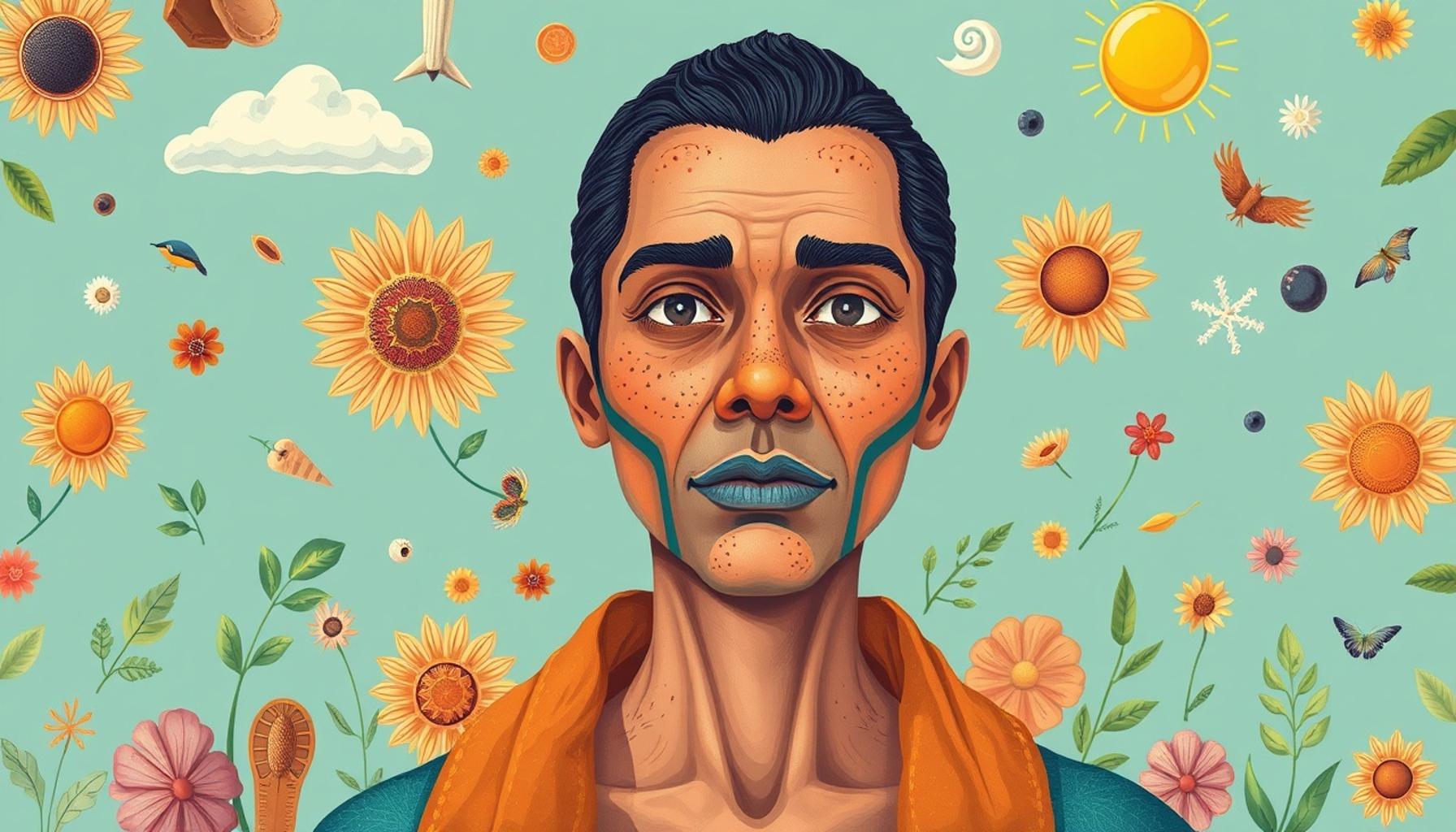
Understanding Skin: A Dynamic Asset
Your skin is more than just a protective barrier; it’s a living, breathing entity shaped by various factors. Over time, skin undergoes significant changes influenced by age and the environment. Recognizing how these elements play a role provides insightful perspectives on skincare and health.
Key Factors in Skin Evolution
- Age: As we age, skin loses elasticity, hydration, and overall vitality. The production of natural oils diminishes, leading to dryness and an increase in fine lines and wrinkles. In the United States, it’s common for individuals in their 30s to start noticing changes, and by the time they reach their 50s, the skin may exhibit significant signs of aging, such as sagging and decreased firmness.
- Environment: Pollution, weather conditions, and sun exposure have profound impacts on skin health. For instance, urban dwellers in cities like Los Angeles or New York may experience more issues related to pollution, such as breakouts and premature aging. Additionally, ultraviolet (UV) rays from the sun are significant contributors to skin damage, causing conditions like solar lentigines, commonly known as age spots, and increasing the risk of skin cancer.
- Lifestyle: Diet, stress levels, and sleep can either enhance or deteriorate skin quality. A diet rich in antioxidants—found in fruits and vegetables—can promote healthier skin, while high sugar consumption may worsen acne or lead to premature aging. Furthermore, chronic stress can trigger inflammation and exacerbate skin conditions like eczema or psoriasis.
The journey of your skin, from childhood to twilight years, reveals fascinating patterns. Each life stage, combined with environmental changes, contributes to the unique development of skin types. For instance, teenagers may grapple with oily skin and acne due to hormonal fluctuations, whereas individuals in their 40s and 50s might struggle with dryness and sensitivity. This variance emphasizes the need for a skincare regimen that evolves throughout life.
The Need for Adaptation
Understanding these transformations is crucial. As we adapt our skincare routines, it becomes essential to consider:
- Changes in skin texture, such as rough or uneven patches that may occur with age.
- Emerging concerns like wrinkles, which often begin to develop in the fine lines around the eyes and mouth.
- Environmental stressors like UV radiation, which necessitate the daily use of sunscreen irrespective of the weather to protect against sun damage.
Knowing how age and environment shape your skin enables tailored solutions. Routine adjustments might include introducing hyaluronic acid serums for hydration or adding retinoids to combat fine lines. Understanding your skin can be empowering, guiding you to make informed decisions about your skincare products and routines. Join us as we explore the intricate relationship between time, surroundings, and the health of your skin, paving the way for more effective and targeted skincare strategies.
DISCOVER MORE: Click here to learn about the effectiveness of aesthetic procedures
The Impact of Age on Skin Characteristics
As we traverse through different life stages, our skin undergoes remarkable transformations. The changes that occur with age are both natural and inevitable, dictating not just our skin’s appearance but also its underlying health. In our youthful years, skin typically exhibits a plump and radiant glow, largely attributed to higher levels of collagen, elastin, and moisture. However, as we enter our 30s and beyond, these vital components begin to diminish, resulting in noticeable differences.
The decline in collagen production triggers several skin concerns:
- Loss of Elasticity: By the age of 30, skin elasticity starts to wane, leading to sagging and a less defined jawline.
- Increased Dryness: The body’s natural oil production declines, rendering skin more susceptible to dryness and flakiness, particularly in winter months.
- Fine Lines and Wrinkles: Commonly manifested around areas of repetitive movement such as the mouth and eyes, these signs of aging start to appear in one’s late 20s to early 30s.
- Uneven Skin Tone: Age spots might begin to emerge, largely due to sun exposure accumulated over the years, creating a patchy complexion.
From the perspective of dermatology, it becomes critical to address these evolving concerns with a tailored skincare approach. Specialized products formulated with retinoids can aid in restoring collagen levels, while hydrating agents such as sodium hyaluronate can effectively combat dryness. As we age, understanding which ingredients benefit our specific skin type becomes essential for maintaining youthful vitality.
Environmental Influences on Skin Conditions
Alongside the intrinsic changes brought about by age, the environment plays a significant role in the overall condition of your skin. External factors like pollution, climate, and UV exposure can exacerbate aging symptoms, leading to a complex interplay between naturally occurring skin changes and those induced by our surroundings.
Consider the following environmental challenges:
- Pollution: Urban environments can be a breeding ground for irritants that penetrate the skin, leading to inflammation and breakouts.
- Sunlight: UV rays cause direct damage to skin cells, accelerating aging while heightening the risk of skin cancer.
- Climate Variability: Folks living in humid climates might experience oily skin and breakouts, while those in arid regions deal with dry and parched skin.
With this knowledge, it’s crucial to integrate protective measures into your skincare regimen. Daily use of a broad-spectrum sunscreen is not negotiable, irrespective of weather or climate, to shield against harmful UV exposure. Furthermore, utilizing antioxidant-rich serums can help neutralize free radicals generated by pollutants. By honing in on both age-related changes and environmental influences, we can craft a personalized approach to skincare that not only combats existing issues but also fortifies the skin against future challenges.
| Category 1 | Category 2 |
|---|---|
| Age-Related Changes | Skin loses elasticity and moisture with age. |
| Environmental Impact | Pollution and UV exposure accelerate skin aging. |
As we delve deeper into the evolution of skin types, it becomes clear that both age and the environment play pivotal roles in shaping our skin. As individuals age, significant physiological changes occur, such as decreased collagen production and a reduction in natural oils. This leads to noticeable changes, including increased dryness and the prominence of fine lines and wrinkles. Moreover, the environment also profoundly affects skin health. For instance, exposure to pollution, harsh climate conditions, and ultraviolet (UV) radiation can accelerate the skin aging process, causing oxidative stress and damage. As a result, understanding these influential factors is crucial in forming effective skincare routines tailored to one’s unique skin type, ensuring appropriate protection and nourishment as we age.This knowledge drives a more informed approach to skincare, emphasizing not only preventive measures but also targeted treatments that respond to the distinct needs of different skin types throughout various life stages. By adopting such personalized strategies, individuals can embrace their skin’s evolving nature and maintain a healthy, youthful appearance amidst challenging environmental conditions.
DON’T MISS: Click here to enhance your beauty routine
Understanding Genetic Predispositions in Skin Health
While age and environmental factors undeniably shape the characteristics of our skin, it’s important to recognize that genetic predispositions play a crucial role in determining our individual skin types. Each person’s genetic makeup influences how skin responds to external challenges and internal changes, leading to a diverse array of skin types and conditions.
For instance, certain genetic traits can make individuals more susceptible to conditions such as eczema or rosacea. According to studies, individuals with a family history of these conditions are significantly more likely to develop them themselves. This genetic connection highlights the need for personalized skincare regimens that cater to the specific issues that hereditary factors may present.
Moreover, genetics not only dictate our skin’s susceptibility to specific conditions but also influence its texture and oiliness. For example, those with oily skin may inherit additional oil-producing glands, while those with dry skin might carry fewer. This variance reinforces the concept that skincare routines should be individualized rather than adopting a one-size-fits-all approach.
The Intersection of Lifestyle Choices on Skin Health
In tandem with genetics, lifestyle choices dramatically impact skin health and appearance over time. Factors such as diet, hydration, and stress levels intertwine with genetic predispositions and environmental influences, creating a complex mosaic of skin health.
A balanced diet rich in antioxidants, vitamins, and minerals can significantly enhance skin vitality. For instance, foods high in vitamin C, such as oranges and bell peppers, can boost collagen production and combat oxidative stress. On the other hand, a diet laden with processed sugars and unhealthy fats may accelerate the aging process, leading to skin conditions like acne and inflammation.
Hydration also plays a pivotal role in maintaining skin’s suppleness and overall appearance. Studies indicate that water intake directly influences skin hydration levels, which subsequently affects elasticity and smoothness. A lack of hydration can intensify the visible signs of aging and exacerbate dryness or flakiness.
- Stress Levels: Stress triggers the release of cortisol, a hormone that can exacerbate skin conditions like acne and eczema. Implementing stress management techniques such as mindfulness or regular exercise can have positive ramifications on both mental health and skin welfare.
- Smoking and Alcohol Consumption: Both habits have detrimental effects on skin, leading to reduced blood flow and oxygen, which ultimately accelerates the aging process and increases the risk of skin cancer.
It’s evident that each element—genetic factors, age, environmental conditions, and lifestyle choices—interacts symbiotically, forming the foundation of one’s skin health. Consequently, understanding the individual components that contribute to skin type evolution can empower a more proactive stance toward skincare, fostering an informed approach that champions both prevention and restoration.
Trends in Skincare Products and Innovations
With the growing awareness of how age, environment, and genetics interact to influence skin health, the skincare industry has made notable strides in formulating products that cater to these complex factors. Biotech advancements have led to the development of personalized skincare regimens that analyze individual skin types and recommend products based on data.
Innovative ingredients such as peptides, probiotics, and growth factors are being utilized to address age-related skin concerns more effectively. For example, peptides can support collagen production, while probiotics can enhance microbiome balance on the skin, promoting clarity and resilience. These cutting-edge formulations offer long-term solutions tailored to specific skin types and their evolving needs.
As we venture into a future where skincare becomes increasingly customizable, individuals are better equipped to face the challenges of aging, environmental stressors, and genetic predispositions. This ongoing evolution emphasizes the importance of informed decision-making regarding skincare options, enabling consumers to prioritize both their skin’s immediate needs and its long-term health.
DISCOVER MORE: Click here to enhance your beauty routine
Conclusion: Embracing the Complexities of Skin Evolution
In conclusion, the evolution of skin types is a multifaceted journey shaped by a blend of age, environmental factors, and genetic predispositions. As we age, our skin undergoes a range of transformations influenced by exposure to the sun, pollution, and lifestyle choices. The interplay of genetics further complicates this narrative, dictating not only our skin’s susceptibility to various conditions but also its overall resilience and texture.
Understanding these dynamics equips individuals with the knowledge necessary to tailor their skincare routines effectively. Acknowledging the role of lifestyle choices—from diet and hydration to stress management—underscores the importance of holistic approaches in maintaining skin health. As the skincare industry continues to innovate with personalized solutions, consumers are empowered to address their unique needs, taking control of their skin’s destiny.
This evolution is not merely about combating aging or environmental damage; it is about fostering a deeper connection with our skin, recognizing its history, and honoring its story. In this ongoing quest for skin wellness, informed decisions play a critical role. Thus, as we embrace advancements in skincare technology and uncover the intricate layers of skin health, we foster an environment that prioritizes not just beauty, but also resilience and vitality for future generations.