
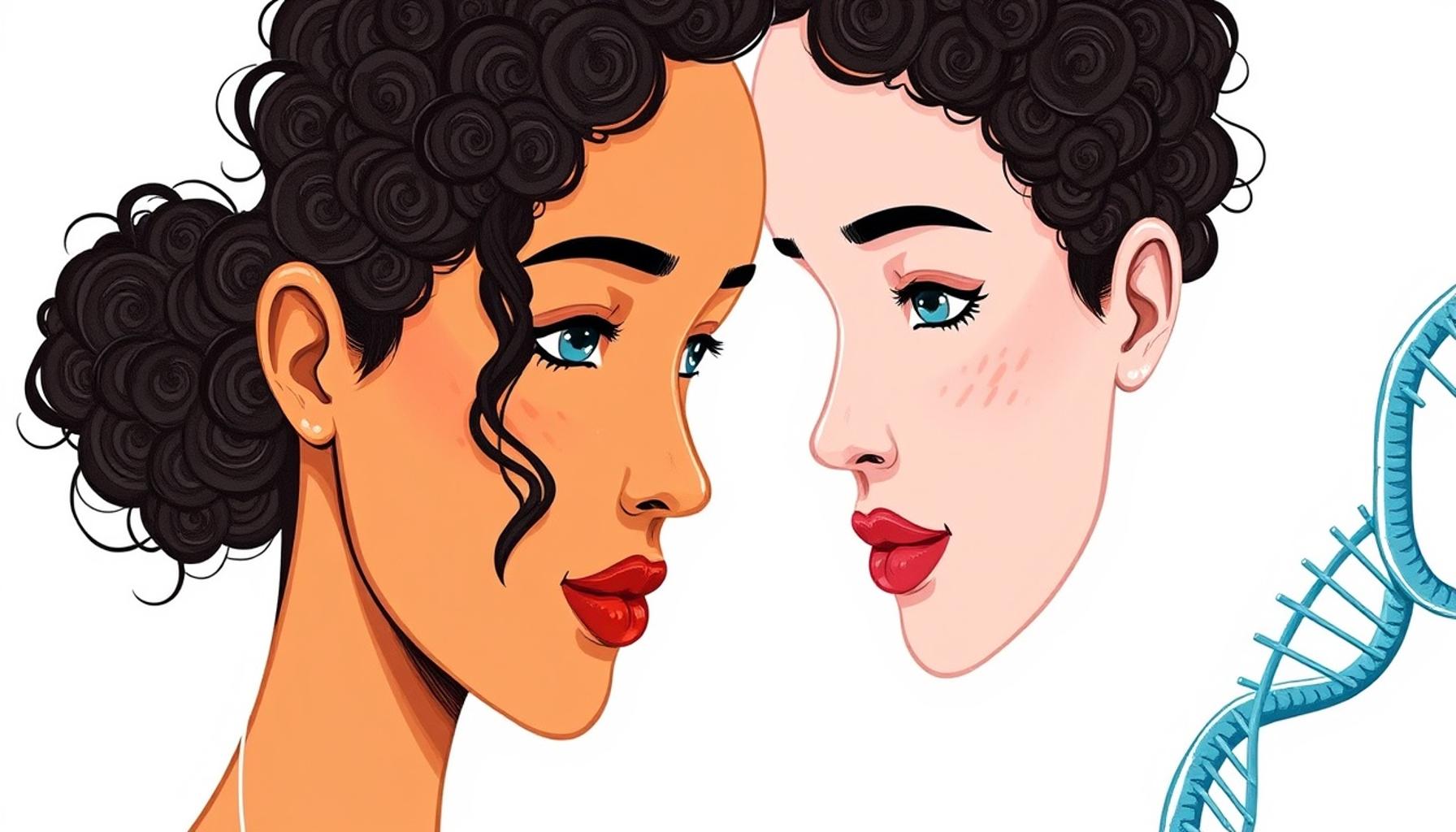
The Complex World of Skin Types
Skin is not just a protective barrier; it’s a canvas reflecting our genetic makeup. Due to advancements in science, we now understand that genetics plays a crucial role in determining our skin type. This insight encourages us to explore how our ancestry influences what we see in the mirror, with variations manifesting in everything from oiliness to sensitivity.
Key Factors Influencing Skin Type
- Genetic Variations: Specific genes dictate oil production, sensitivity, and moisture retention. For instance, a study published in the Journal of Investigative Dermatology identified particular gene variants associated with sebum (oil) production. Individuals with certain genetic markers may be more prone to oily skin, while others experience dryness, directly impacting their skincare needs and product selections.
- Ethnicity: Different ethnic backgrounds have unique skin attributes, commonly seen in variations of pigmentation. For example, individuals of African descent typically have more melanin, which can offer protection against UV rays but may also lead to conditions like hyperpigmentation. In contrast, people with lighter skin tones might face a higher risk of sunburn and sunlight-induced skin damage, necessitating more attention to sun protection.
- Family Traits: Skin conditions, such as eczema or acne, often run in families, showcasing hereditary patterns. Research indicates that if one parent suffers from atopic dermatitis, a child has a 50% chance of developing it as well. This genetic predisposition highlights the importance of familial histories in skin health, directing individuals towards tailored treatments that may alleviate or mitigate these hereditary issues.
Understanding the interplay between genetics and skin type can empower individuals to make informed skincare choices. This knowledge minimizes trial and error, leading to better results for your unique skin concerns. For example, if you have a family history of acne, you might benefit from non-comedogenic products specifically formulated to prevent breakouts without clogging pores.
Moreover, recognizing your skin type can serve as a crucial guide for selecting products ranging from cleansers to moisturizers. Oily skin types may thrive on gel-based products, while those with dry skin might require creamier, hydrating formulations. Alongside variations in skin type, environmental factors such as humidity and pollution within the United States also play a significant role in how skin behaves, particularly in urban areas versus rural settings.
Throughout this article, we’ll delve deeper into the science of genetics and how it shapes not only our skin type but also our approaches to skincare. Stay tuned to uncover data-backed insights into the genetic factors that might explain why your skin behaves the way it does. Armed with this knowledge, you can navigate the often-overwhelming world of skincare with confidence and personalized strategies that cater to your unique skin needs.
DIVE DEEPER: Click here for personalized skincare tips
Unraveling the Genetic Foundations of Skin Type
The study of genetics provides a fascinating lens through which we can understand the diverse characteristics of our skin. Genetics does not operate in isolation; it influences how our skin reacts to environmental factors, skin conditions, and even our choice of skincare products. When we dissect the genetic tapestry that determines our skin type, several critical elements come to the fore, revealing why some people may have radiant, dewy skin while others struggle with relentless dryness or excess oil. This complexity paints a multifaceted picture of our skin health.
The Role of Key Genes in Skin Health
Research has pinpointed several specific genes that play a pivotal role in determining skin type. For example, variations in the locus of the gene called TGM1 have been linked to conditions affecting the skin’s barrier function. This gene helps produce enzymes that contribute to maintaining the skin’s moisture and barrier integrity. When this gene does not function optimally, it may lead to dry skin or conditions like eczema.
Moreover, a study in the Journal of Dermatological Science highlighted the role of genetic variability in the FABP5 gene, which is involved in the metabolism of fatty acids. Individuals with certain variants of this gene may experience increased oil production, resulting in oily skin. Recognizing these genetic influences can help tailor skincare approaches, ensuring that individuals seek the right formulations that address their specific skin types.
Comparative Analysis: Genetic Influences Across Ethnicities
Skin is an organ that does not only reflect genetic predisposition but also ethnic background. The traits exhibited by various skin types can often be traced back to geographical ancestry. Ethnic groups have evolved unique skin characteristics in response to climate and sun exposure, leading to significant differences. For instance, individuals from Asian backgrounds are often noted for their thicker dermis and higher collagen density, which gives them a more youthful appearance compared to those with European ancestry, who may be more susceptible to UV-related skin damage.
This genetic divergence implies that skincare recommendations must take into account individual backgrounds. For example, if someone identifies with a skin type that is prone to hyperpigmentation due to their genetic makeup, they may need to prioritize products containing brightening agents like vitamin C or niacinamide to target those specific concerns.
Hereditary Patterns and Skin Conditions
- Acne: Family studies have demonstrated a genetic contribution to acne susceptibility, suggesting that if your parent had acne, you are more likely to experience it as well.
- Eczema: Genetic predispositions play a significant role in atopic dermatitis, as seen in studies that show increased risks among first-degree relatives.
- Melanoma: Certain genetic markers, such as variations in the MC1R gene, are associated with an increased risk of developing skin cancers, particularly in individuals with fair skin.
In conclusion, by delving into these genetic elements and understanding their implications, we enable ourselves to make smarter, more tailored decisions regarding skincare. As we continue exploring the intricate relationship between genetics and skin type, we uncover the foundation upon which effective skincare strategies can be built. Stay with us as we navigate further into the depths of genetic research, shedding light on how this knowledge can empower individuals in their quest for healthier skin.
The Role of Genetics in Determining Your Skin Type
Understanding skin types is foundational in skincare, and genetics play a vital role in determining these variations. Scientific research indicates that our skin’s structure, oiliness, sensitivity, and overall complexion can largely be traced back to our hereditary traits. For instance, individuals with a family history of oily skin may inherit increased sebum production, leading to shinier skin and a propensity for acne. On the flip side, those whose relatives tended to have dry skin could be genetically predisposed to a drier complexion due to lower oil gland activity. This genetic predisposition extends to conditions such as eczema and psoriasis, which often run in families.Moreover, the genes affect how skin ages and reacts to environmental factors. Some people have genetic protection against the effects of UV exposure, meaning they might witness less sun damage or skin aging over time. In contrast, others might have a genetic sensitivity making their skin more reactive to pollutants or allergens.It’s also important to note that not only does our genetic makeup influence our skin’s condition, but it also impacts how effective certain treatments might be. For example, individuals with a strong genetic lineage of melanin-rich skin may find that skin-lightening treatments have varying efficacy compared to those with lighter skin tones due to differences in skin structure and response.In response to these genetic factors, it’s crucial to tailor your skincare routine to align with your inherent skin type and genetic background. Products enriched with vitamins and antioxidants can aid in combating genetic vulnerabilities and enhancing skin health. Genetic research is continuously evolving and unlocking new insights, leading to innovative personalized skincare solutions that cater to individual genetic blueprints.To delve deeper into the connection between genetics and skin types, consider exploring scientific journals or genetic studies that further elaborate on how specific genes are related to various skin characteristics.
| Genetic Influence | Impact on Skin Type |
|---|---|
| Sebum Production | Higher genetics lead to oily skin, resulting in acne vulnerability. |
| Sensitivity | Family history of allergies may result in more reactive skin. |
DISCOVER MORE: Click here for essential hydration tips
Environmental Interaction: How Genetics and Lifestyle Intertwine
Our genetic makeup lays the groundwork for our skin type, but the interaction between genetics and environmental factors significantly influences how our skin manifests its characteristics. Factors such as diet, climate, pollution, and lifestyle choices often interact with our genetic predispositions to shape our skin’s appearance and health. Understanding these interactions can provide a tailored approach to skincare and overall skin wellness.
The Influence of Diet on Genetic Expression
Emerging studies suggest that diet can modify the expression of certain genes related to skin health. For instance, diets rich in antioxidants, omega-3 fatty acids, and vitamins can enhance skin quality by potentially mitigating genetic vulnerabilities. A study published in the American Journal of Clinical Nutrition found a correlation between high consumption of fruits and vegetables and lower instances of inflammatory skin conditions. This raises the question: could your family history of certain skin issues be combated through dietary changes that target genetic expressions?
Additionally, the Mediterranean diet, known for its healthy fats and nutrient-rich ingredients, has been associated with improved skin elasticity and hydration. Individuals with genetic dispositions towards dryness or rough texture may benefit significantly from incorporating components of this diet into their daily routine, ultimately leading to healthier skin.
Environmental Factors and Genetic Vulnerabilities
Each person’s skin responds differently to environmental stressors, often due to genetic differences. For example, individuals with lighter skin tones, generally due to lower melanin levels, are genetically more vulnerable to sun damage. This inherent susceptibility calls for a proactive approach, whereby the adoption of sun protection measures becomes critical for prevention. Wearing broad-spectrum sunscreen and protective clothing can serve as a barrier against UV radiation, mitigating the risks often linked to hereditary factors.
On the other hand, those with darker skin tones may have a natural advantage in UV protection but can still face unique challenges such as hyperpigmentation or post-inflammatory erythema, conditions that might arise from their own genetic predispositions. Understanding these differences can guide individuals towards more effective protective measures tailored to their specific skin type
The Role of Hormones in Genetic Skin Types
Hormonal fluctuations, particularly those linked to puberty, pregnancy, or hormonal therapy, can also significantly impact skin health—often influenced by genetic makeup. For example, some individuals may have a genetic predisposition to seborrheic dermatitis or acne due to hormonal changes during adolescence. Studies show that genes involved in hormone regulation can heighten or reduce oil gland activity, further complicating the individuality of skin types.
- Persistent Acne: Genetic predispositions to acne can be exacerbated by hormonal surges, leading to severe cases that require specialized treatment.
- Hirsutism: Conditions such as polycystic ovary syndrome (PCOS) can lead to genetic-based changes in hair distribution, prompting tailored skincare approaches.
- Age-Related Changes: Genetics also dictate how skin ages, influencing collagen production, elasticity, and moisture retention over time.
As we continue exploring the dynamic interaction between genetics and lifestyle factors affecting our skin types, the significance of personalized skincare regimens becomes evident. By considering both our genetic foundations and environmental influences, we can empower ourselves to take proactive steps towards achieving healthier, more vibrant skin.
DISCOVER MORE: Click here to learn about the latest advancements
Conclusion: Embracing the Genetic Blueprint of Our Skin
Understanding the role of genetics in determining your skin type offers a unique perspective on how our individual characteristics are shaped not only by our genetic makeup but also by our environmental interactions. By acknowledging the intricate interplay between genes and external factors, such as diet and lifestyle, we can become more informed about our skin’s needs.
As highlighted in our exploration, genetic predispositions dictate our skin’s response to various stimuli, including hormonal changes, UV exposure, and even nutritional influences. This means that people with different skin types, whether oily, dry, or combination, may respond uniquely to treatments and daily care routines. Empowering ourselves with this knowledge can facilitate targeted skincare strategies that maximize our skin’s health and aesthetics.
Furthermore, as we navigate our skincare journeys, adopting preventive measures tailored to our genetic vulnerabilities—such as sun protection or adaptively modifying our diets—can significantly improve skin health outcomes. Individuals eager to enhance their skincare routine should consider genetic testing or professional consultations that guide personalized suggestions.
Ultimately, appreciating the role genetics plays in our skin type is not just about acceptance but about empowerment. By combining this understanding with conscious lifestyle choices, we can take charge of our skin health, unlocking the potential for vibrant and resilient skin tailored to our unique genetic profiles. In this genetic era, it is clear that your skin story is as much about your DNA as it is about how you live your life.