
Inspiration in Nature: How the Natural World Can Enrich Your Written Adventures
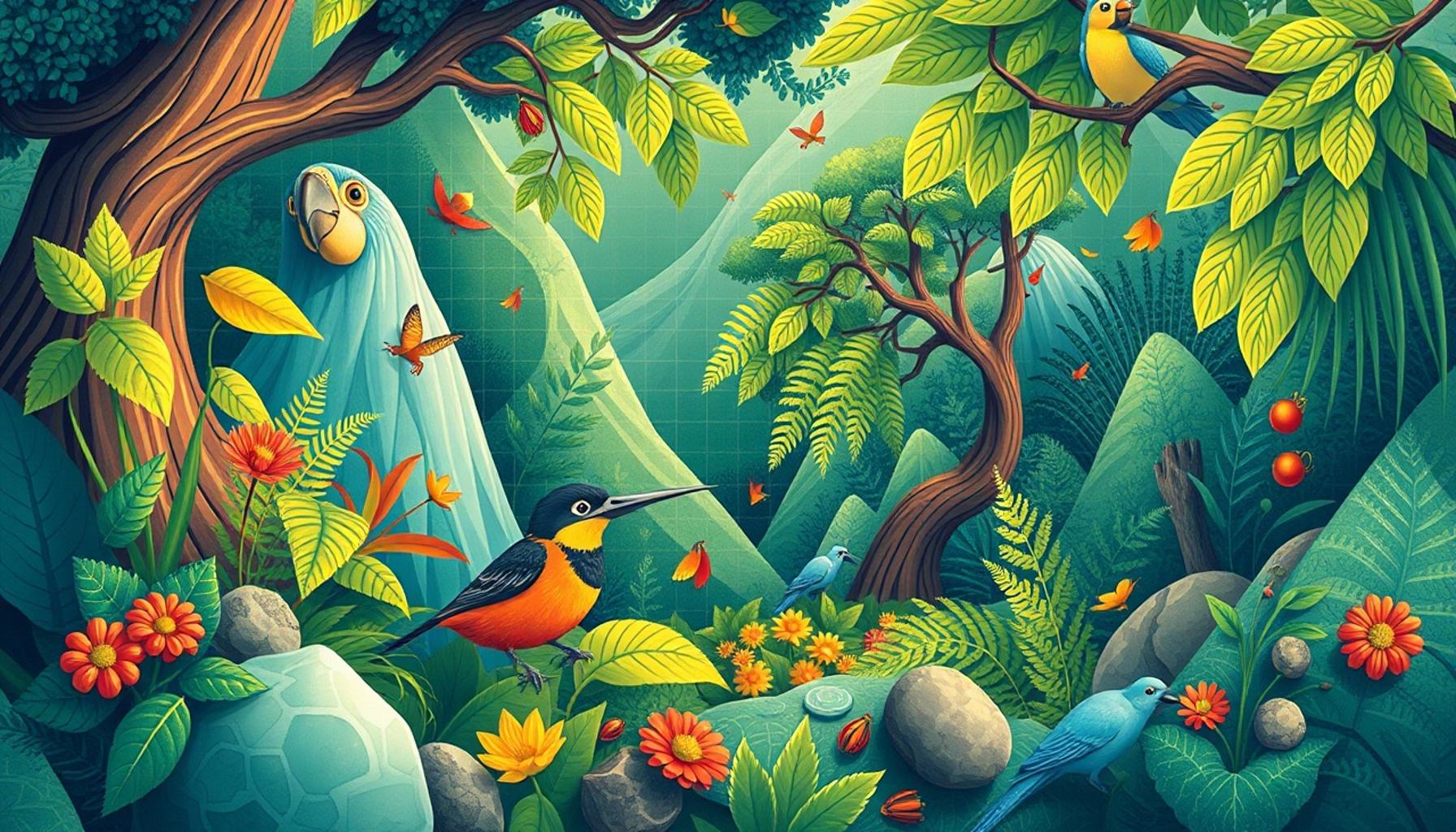
Exploring Nature’s Influence on the Written Word
The natural world surrounds us with an endless array of stimuli that can both challenge and charm writers. It is a rich tapestry of experiences waiting to be translated into language, offering writers not just inspiration, but also a deeper understanding of the connection between storytelling and the environment. Whether it’s the rustling of leaves in an autumn breeze or the boundless expanse of an ocean at sunset, nature serves as a profound muse for those who seek to articulate their thoughts through the written word.
Consider the various facets through which nature can enhance your writing:
- Visual Inspiration: The stunning palette of colors displayed in a spring bloom or the intricate patterns of a butterfly’s wings can ignite your creativity. For instance, the explosion of hues during a sunrise can provoke feelings of hope and renewal, setting a powerful tone for your narrative. Such visuals not only enrich your prose but also allow readers to visualize and feel the worlds you create.
- Soundscapes: The chorus of a forest—chirping birds, rustling leaves, and babbling brooks—offers a unique auditory backdrop that can influence the cadence of your writing. The rhythmic sound of waves crashing on a beach might inspire a reflective tone, perfect for evocative poetry or introspective prose. Writers have often noted that these natural symphonies can create a subconscious rhythm within their text, enhancing the overall reading experience.
- Emotional Connection: Natural settings frequently evoke a spectrum of emotions, providing a backdrop that allows characters to flourish. A quiet, snow-covered landscape can convey isolation and introspection, while a vibrant summer meadow can embody joy and vitality. Incorporating these emotional responses into your narratives can help to forge a deeper bond between characters and readers, making your storytelling more impactful and resonant.
Many renowned authors have drawn on nature for their literary endeavors. For instance, Henry David Thoreau’s reflections in “Walden” emphasize the transformative power of nature on individual thought, while John Muir extolled the spiritual connection to the wilderness in his writings. Their works continue to inspire countless writers to look outdoors for creativity, proving the timeless relationship between the natural environment and literary expression.
Consider embracing this potential by participating in writers’ retreats in national parks, where you can immerse yourself in breathtaking sceneries while honing your craft. Alternatively, a stroll through a local garden or a nearby nature trail can provide a refreshing burst of inspiration. With each outing, you open yourself to new narratives, fresh ideas, and the wonders of the world waiting to be crafted into your next story.
In conclusion, delving into the natural world provides writers with a multitude of resources to enhance their work. The beauty, sound, and emotional resonance found in nature serve not only as inspiration but also as a reminder of the intricate bonds between humanity and the earth. Harness this connection to enrich your storytelling and captivate your readers.
Awakening Creativity Through Natural Wonders
Nature’s ability to stir the imagination is both profound and undeniable. From the vivid landscapes of the American West to the tranquil forests of New England, the diverse ecosystems across the United States serve as an endless source of inspiration for writers. The subtle details present in the surroundings often lead writers to explore themes of transformation, resilience, and discovery in their narratives.
One of the most captivating aspects of nature is its diversity. Each season brings its own unique beauty and lessons to be learned. In spring, the blossoming of flowers can symbolize new beginnings, while summer’s vibrant sunsets can inspire tales of warmth and connection. In contrast, the starkness of winter might prompt reflections on solitude and survival. As you explore the outdoors, consider how these seasonal shifts might enhance your character development and plot progression.
- Symbolism in Nature: Nature is rich with symbols that writers can leverage to create deeper meaning within their stories. The cyclical transformation of trees with the changing seasons can serve as a metaphor for character growth or the passage of time.
- The Influence of Local Flora and Fauna: Incorporating regional plant and animal life can lend authenticity to your work, making it resonate more with readers who share similar geographical experiences. Nature can shape your narrative’s ecosystem, providing specific creatures or plants that enhance the authenticity of your storytelling.
- Environmental Themes: With increasing awareness of environmental issues, many writers are weaving themes of ecological preservation and the fragility of nature into their narratives. Addressing such topics not only invites social consciousness but also encourages readers to contemplate their relationship with the environment.
The concept of place-based writing is gaining traction, encouraging authors to ground their stories in the environments in which they live or explore. This deeply rooted sense of place enriches storytelling by connecting characters to their landscapes—transforming the backdrop into a pivotal element of the narrative. Writers can draw parallels between the challenges their characters face and the obstacles present in the natural world.
For those looking to infuse their writing with elements inspired by the natural world, consider embarking on dedicated nature-writing excursions. Places like the Great Smoky Mountains National Park or the Pacific Crest Trail can provide both a sanctuary and a backdrop for creative exploration. Journaling while immersed in these locations allows for immediate reflection and connection to your surroundings, translating sensory experiences into written words that leap off the page.
Ultimately, nature is not merely a backdrop but a vital character in our stories. Allowing the great outdoors to breathe life into your writing can transform passive observations into vivid tales that resonate with readers’ hearts and minds. By embracing the intricate details of our environment, writers can enhance their craft and inspire their audience to contemplate the world around them in new and engaging ways.
As we embark on the journey of exploring the connections between the natural world and our written adventures, it becomes clear that nature serves as a remarkable wellspring of creativity and insight. Writers have long been inspired by the beauty and complexity of their surroundings, using them as backdrops for their stories or as symbols to convey deeper meanings. One of the most powerful aspects of nature is its ability to evoke emotions, from the serene calmness of a forest at dawn to the tumultuous fury of a storm. These sensory experiences can deepen a reader’s connection to the text, enveloping them in a world that feels vivid and alive. By incorporating elements of the natural world into their narratives, authors can tap into these primal emotions, engaging the audience in a way that resonates far beyond mere words on a page.Furthermore, nature’s diverse ecosystems and cycles reflect themes of growth, struggle, and transformation, all of which parallel the arcs of characters in stories. Writers drawing on these natural phenomena can create layers of meaning, enriching their narratives by offering readers not just entertainment but also reflections on life itself. For instance, the resilience of plants in challenging conditions can mirror a character’s journey through adversity, allowing for a richer, more relatable experience.Writing about nature can also foster a sense of environmental awareness, encouraging both writers and readers to find inspiration in conservation and sustainability. When authors articulate the splendor and fragility of the natural world, they invite readers to appreciate their surroundings, perhaps even igniting a spark of activism. This connection can lead to profound revelations about our collective responsibilities toward nature and each other.Literary figures such as Ralph Waldo Emerson and John Muir used their keen observations of nature not only to craft poetic prose but also to advocate for a reverence of the environment. Their works continue to inspire modern writers to look outside their windows and reflect on how landscapes influence their creative processes.In summary, the natural world holds an incredible wealth of inspiration for writers. The beauty, complexity, and interconnectivity found in nature can profoundly enhance written adventures, fostering deeper emotional engagement, thematic richness, and an enduring respect for the environment. By embracing the wisdom and wonder that nature provides, writers can craft narratives that are as compelling as they are meaningful, creating a bridge between the reader and the intricacies of life itself.
Finding Perspective in the Great Outdoors
Nature not only serves as a catalyst for creativity but also offers valuable perspectives and insights that can elevate a writer’s narrative journey. Stepping away from the confines of our daily routines and immersing ourselves in natural settings can provide a fresh lens through which to view our stories. Different environments prompt distinct emotional responses and inspire various writing approaches.
Consider the towering redwoods of California’s Sequoia National Park, which evoke feelings of awe and permanence. Writers might use this majesty to frame characters facing adversity, emphasizing themes of strength and resilience. Conversely, the vast deserts of Arizona, with their stark landscapes, might inspire narratives steeped in isolation, survival, or self-discovery. By contrasting these inspiring locales, writers can effectively create backdrops that reflect inner struggles or triumphs, adding layers of depth to their storytelling.
Nature as a Setting for Character Development
Incorporating diverse ecosystems into your narratives can enrich character development, illustrating how external environments impact internal transformations. For example, think about a story set in the lush, rolling hills of Nebraska’s Sandhills where a character contributes to community resilience amidst a natural disaster. The setting not only shapes the protagonist’s actions but also plays a pivotal role in their emotional evolution. As writers, harnessing these elements of geography and climate authenticates our narratives, allowing readers to immerse themselves fully in the world we create.
- Authenticity Through Experience: Venturing into specific geographic areas, writers can gain firsthand experiences that inform their storytelling. The chirping of crickets on a summer evening in Missouri or the crashing waves of the Pacific Ocean in Oregon can inspire sensory-rich descriptions that resonate deeply with readers.
- Nature’s Rhythm and Timing: Recognizing natural cycles can inspire the pacing of your narrative. The slow unfolding of a blossom may parallel a character’s journey, creating harmony between plot development and nature’s inherent rhythms.
Inspirational Figures of Nature
Additionally, seasonal changes introduce a host of influential figures that writers can draw upon. For instance, many writers have found inspiration from the migratory patterns of birds, often associating them with exploration and freedom. A writer might create a character who follows in the footsteps of the California condor, learning lessons about protection, survival, and the importance of preserving one’s environment. This adds a metaphorical richness that embeds environmental messaging within personal stories, making the narrative not only compelling but also socially relevant.
Writers might also structure compelling narratives around the ecological cycles they encounter. The metamorphosis of a caterpillar into a butterfly can symbolize growth and change among characters navigating life’s challenges. Such symbolic depth invites readers to reflect on their journeys alongside the natural world. Recognizing these connections encourages writers to develop themes that resonate on multiple levels, fostering a dialogue between the narrative and the readers about the interconnectedness of life.
Ultimately, the act of writing is a reflection of our surroundings, and when we draw from nature’s vastness, we find rich textures and themes that speak to the human experience. The more we embrace the enchanting influences of the natural world, the more our writing can illuminate the intricate tapestry of life that surrounds us. As you venture into the wild, keep an eye out for those moments of inspiration—they could shape the next chapter of your storytelling journey.
Embracing the Profound Influence of Nature
In conclusion, the natural world serves as an unparalleled reservoir of inspiration for writers, inviting us to dive deep into its rich landscapes, rhythms, and cycles. Whether it’s the towering peaks of the Rockies or the gentle whispers of a New England forest, nature offers a boundless array of experiences and emotions for our narratives. As we observe the changing seasons, the intricate ecosystems, and the life lessons mirrored in natural phenomena, we can evoke a sense of authenticity and connection that resonates with our readers.
By incorporating the multifaceted elements of the environment into our storytelling, we not only enhance character development but also draw attention to the pressing themes of resilience, survival, and the interconnectedness of life. The vibrant tapestry of nature is reflective of our journeys—its challenges echo our struggles, while its beauty reflects our aspirations. As you find yourself in the great outdoors, remember to take note of those fleeting moments and inspirations; they may fuel the next unforgettable chapter of your writing journey.
Ultimately, embracing nature as a source of inspiration can elevate your written adventures, enriching your storytelling with profound depth and perspective. So, step outside, breathe deeply, and let the wonders of the natural world guide your pen to create stories that not only entertain but also inspire others to look closely at the beauty and wisdom surrounding them.