
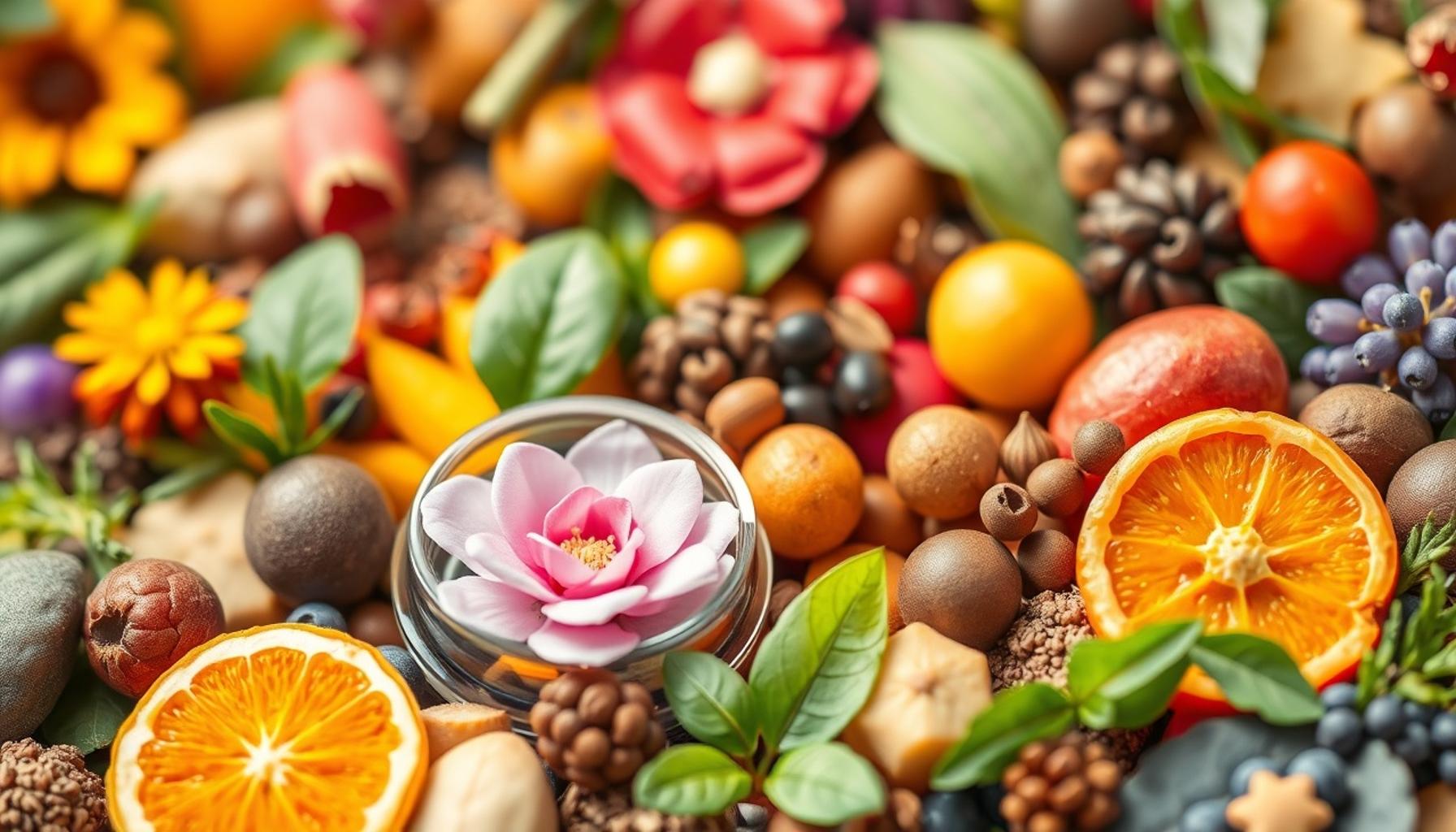
The Rise of Natural Ingredients in Beauty Products
In recent years, the beauty industry has undergone a transformative evolution, with a notable shift towards natural ingredients. This change is largely fueled by a growing awareness among consumers about the components used in their skincare, haircare, and cosmetic products. As individuals increasingly scrutinize labels, the demand for clean, organic components has surged, reflecting a new standard in personal care that encompasses both safety and effectiveness.
Understanding the Importance of Natural Ingredients
The significance of natural ingredients in beauty products is multifaceted. One of the primary reasons is safety. Many conventional beauty products contain harsh chemicals that can cause irritation or allergic reactions. In contrast, natural products typically utilize gentler alternatives, reducing the likelihood of adverse effects. For example, products derived from plants, such as calendula oil or chamomile, are celebrated for their soothing properties, making them suitable for sensitive skin.
Moreover, sustainability has become a crucial consideration for today’s consumers. Numerous beauty brands are adopting eco-friendly practices, utilizing ingredients sourced from sustainable farms, and employing packaging that minimizes environmental impact. A prime example is using biodegradable containers and supporting fair trade practices, which not only help the planet but also promote social responsibility. This environmentally conscious approach resonates with consumers, particularly Millennials and Gen Z, who are more inclined to champion brands that align with their values.
The Therapeutic Power of Natural Components
Beyond safety and sustainability, the effectiveness of natural ingredients contributes significantly to their appeal. Ingredients like aloe vera, known for its ability to hydrate and soothe, and shea butter, which deeply moisturizes, are garnering attention for their practical benefits. Essential oils, such as lavender or tea tree oil, are prized for their therapeutic properties, with many users reporting improvements in skin conditions like acne and eczema after incorporating these products into their routines.
As we pursue the allure of natural beauty, it is important to recognize that this trend extends beyond mere marketing strategies; it embodies a cultural shift focusing on holistic health and well-being. According to recent studies, over 60% of consumers express a preference for products with ingredients they can easily identify, creating a significant market opportunity for companies that prioritize transparency and integrity.
The exploration of natural ingredients in beauty products opens the door to a world rich with potential benefits. Not only do these products offer healthier options for consumers, but they also empower individuals to make ethical choices in their beauty regimens. As this trend continues to grow, it invites ongoing discussion and investigation into the implications of our choices in personal care.
DISCOVER MORE: Click here to dive into the future of beauty tools
Consumer Awareness and Ingredient Transparency
As consumers increasingly seek knowledge about the products they use, the demand for ingredient transparency has intensified. According to a report by the Organic Trade Association, over 73% of American consumers are now inclined to choose personal care brands that openly disclose their ingredient lists. This trend has encouraged beauty companies to not only label their products more clearly but also to prioritize the inclusion of natural ingredients in their formulations.
Today’s shoppers are more discerning than ever, often conducting research on the potential effects of specific components. Ingredients commonly found in beauty products are being scrutinized under a microscope, leading to heightened concerns over components such as parabens, sulfates, and synthetic fragrances. In response, brands have started reformulating their products to incorporate safe, natural alternatives, pleasing a market segment that is actively seeking health-conscious options.
Benefits Driving the Natural Ingredient Movement
The ascent of natural ingredients in beauty products is fueled by a range of benefits that appeal to both consumers and manufacturers. These include:
- Skin Compatibility: Natural ingredients are often more compatible with human skin, reducing the risks of irritation and reactions. For instance, argan oil, rich in fatty acids and vitamins, is known for its moisturizing benefits and is gentler on the skin compared to chemical-laden alternatives.
- Nutrient-Rich Formulations: Many natural components are packed with vitamins, minerals, and antioxidants. Ingredients like vitamin C derived from kakadu plum or resveratrol extracted from grapes can enhance skin health and promote a youthful appearance.
- Environmental Impact: Using sustainably sourced natural ingredients helps to minimize the ecological footprint of beauty products. Ingredients such as coconut oil and organic shea butter not only benefit users but also support sustainable farming practices and local economies.
Brands that lead with natural ingredients are also able to tell compelling stories about their origins and benefits. This narrative creates an emotional connection with consumers, aligning with their desire for authenticity and purpose within the brands they support. Reports show that brands with transparent practices see up to a 30% increase in customer loyalty, illustrating the power of sharing the journey from source to product.
Furthermore, the evolving regulatory landscape is pushing beauty brands towards cleaner formulations. Initiatives to regulate beauty products are gaining momentum, with various states considering stricter laws around harmful chemicals in personal care. As companies proactively adopt natural ingredients to address these potential regulations, they position themselves as forward-thinking leaders in a rapidly changing market.
The combination of consumer awareness, regulatory changes, and the inherent benefits of natural ingredients positions this trend as a significant focal point in the beauty industry. As more brands embrace this shift, the future of beauty products increasingly leans towards holistic health and environmental stewardship.
As the beauty industry evolves, so too does the demand for transparency and sustainability in product formulation. Natural ingredients are not just a trend; they signify a movement towards more responsible beauty practices. In this era where consumers are increasingly aware of the environmental and health implications of their choices, brands are pivoting to *sustainable sourcing* and *ethical production*. This shift is essential, as it resonates with discerning customers who prioritize products that are not only beneficial for their skin but also for the planet.One significant advantage of natural ingredients is their minimal risk of causing allergies or adverse reactions. Many synthetic chemicals found in traditional beauty products can irritate sensitive skin or provoke reactions, leading to a growing concern among consumers. Ingredients derived from plants, such as aloe vera, tea tree oil, and shea butter, boast anti-inflammatory and soothing properties, appealing to those looking for gentle yet effective skincare solutions.Moreover, the efficacy of natural ingredients is often backed by generations of traditional use alongside modern research. For instance, the incorporation of *antioxidant-rich botanicals* in formulations enhances skin protection against free radicals, a leading cause of premature aging. With a plethora of options available, consumers are expanding their horizons, exploring formulations enhanced with unique natural ingredients like sea buckthorn and argan oil, which are praised for their nourishing and rejuvenating capabilities.In essence, the blooming interest in *natural beauty products* goes beyond aesthetics, tapping into a broader cultural shift towards wellness and self-care. Emphasizing the journey of beauty as connected to one’s overall health, brands harness the power of nature to cultivate both beauty and sustainability. This invigorates the industry, encouraging innovation that adheres to these values, allowing consumers to feel empowered in their purchasing decisions. Now, let’s take a closer look at the specific advantages of integrating natural ingredients into beauty products:
| Advantages | Key Features |
|---|---|
| Skin Compatibility | Natural ingredients are less likely to irritate sensitive skin. |
| Nutritional Benefits | Packed with vitamins, minerals, and phytochemicals that nourish the skin. |
Natural beauty products embody a holistic approach, marrying nature’s best offerings with the latest advancements in research and development, leading to enhanced awareness of how we care for our skin.
DIVE DEEPER: Click here for tailored beauty tool tips
The Impact of Social Media on Natural Beauty Trends
The rise of social media has played a pivotal role in amplifying the popularity of beauty products that feature natural ingredients. Platforms like Instagram, TikTok, and Pinterest have cultivated a community of beauty enthusiasts who share their personal experiences with various products, leading to the trend known as “clean beauty.” Influencers and brands alike utilize these platforms to demonstrate the use of natural ingredients, driving consumer awareness and engagement. In fact, a recent survey found that 60% of consumers are influenced by social media when making purchasing decisions in the beauty sector.
These channels not only allow consumers to discover new products but also to engage with brands on a personal level. Hashtags such as #CleanBeauty and #NaturalSkincare have gained traction, creating communal spaces where individuals seek advice, reviews, and recommendations. The power of visual storytelling, combined with authentic testimonials, fosters a sense of trust among consumers, many of whom are eager to avoid harmful chemicals.
Celebrity Endorsements and Their Influence
The endorsement of natural ingredients by celebrities has also shaped consumer preferences in the beauty industry. High-profile figures such as Gwyneth Paltrow, Alicia Keys, and Jessica Alba have launched their own lines of natural beauty products, significantly impacting market trends. Research indicates that 43% of consumers are more likely to try a brand when endorsed by a celebrity who resonates with their values, particularly around health and sustainability.
As these prominent figures vocalize their commitment to natural ingredients, they highlight not only the efficacy but also the broader lifestyle that accompanies their product lines. This aligns with a demographic that values wellness and environmental consciousness, further driving the shift towards products that prioritize natural formulations.
Customer Demand for Customization
Today’s consumers are not just passive recipients of beauty products; they actively seek personalized solutions that cater to their unique skincare needs. The demand for customization has seen brands pivot toward products that incorporate natural ingredients, catering to distinct skin types and concerns. This trend is evidenced by the fact that around 50% of consumers expressed interest in brands offering customization based on individual skin profiles.
Companies are leveraging advanced technology and data analytics to provide personalized assessments, enabling customers to select ingredients that resonate with their personal health goals. This new level of engagement pivots on the use of natural ingredients, as formulations become more sophisticated and tailored to accommodate varying sensitivities and preferences.
The Role of Certifications and Authenticity
Another emerging trend that underscores the significance of natural ingredients in beauty products is the rise of third-party certifications such as USDA Organic, EcoCert, and Leaping Bunny. These certifications offer consumers a layer of assurance regarding the authenticity and source of the ingredients, further amplifying the narrative of transparency.
With a growing understanding of ethical and environmental considerations, shoppers are more inclined to support brands that demonstrate accountability in their sourcing practices. Certification can serve as a differentiating factor in a crowded market, as consumers gravitate toward brands that not only prioritize natural ingredients but also ensure ethical practices from production to shelf.
As consumer groups become increasingly educated and vocal about their skincare choices, natural ingredients have transitioned from a mere trend to a fundamental expectation in the beauty industry. This transition is reshaping brand strategies, product formulations, and market dynamics, evidencing that beauty and wellness are inextricably linked in the eyes of today’s consumers.
DISCOVER MORE: Click here to find budget-friendly beauty tools
Conclusion: Embracing the Shift Towards Natural Beauty
In conclusion, the growing emphasis on natural ingredients in beauty products reflects a significant shift in consumer preferences, driven by an increasing awareness of health and sustainability. The intersection of social media and celebrity endorsements has revolutionized the way beauty brands communicate their values, fostering a community that prioritizes transparency, authenticity, and wellness.
The rise of clean beauty trends signifies not only a consumer demand for safer, chemical-free alternatives but also a broader movement towards holistic self-care practices. As brands embrace personalization and customization, they cater to diverse skin needs and preferences, underscoring the importance of tailoring formulations that resonate with individual consumers.
Furthermore, third-party certifications play a crucial role in building consumer trust. As shoppers become more discerning, they are likely to gravitate towards products that reflect their ethical values and offer evidence of responsible sourcing. Knowing that a brand adheres to stringent standards can enhance consumer loyalty, making authenticity and integrity vital components of successful marketing strategies.
Ultimately, the transition towards natural ingredients in beauty products is not just a passing trend but rather a fundamental shift that intertwines with the global push for sustainability. By embracing this evolution, both consumers and brands can thrive in an ecosystem that values health, transparency, and ethical responsibility in beauty, setting the stage for a vibrant future in the industry.