
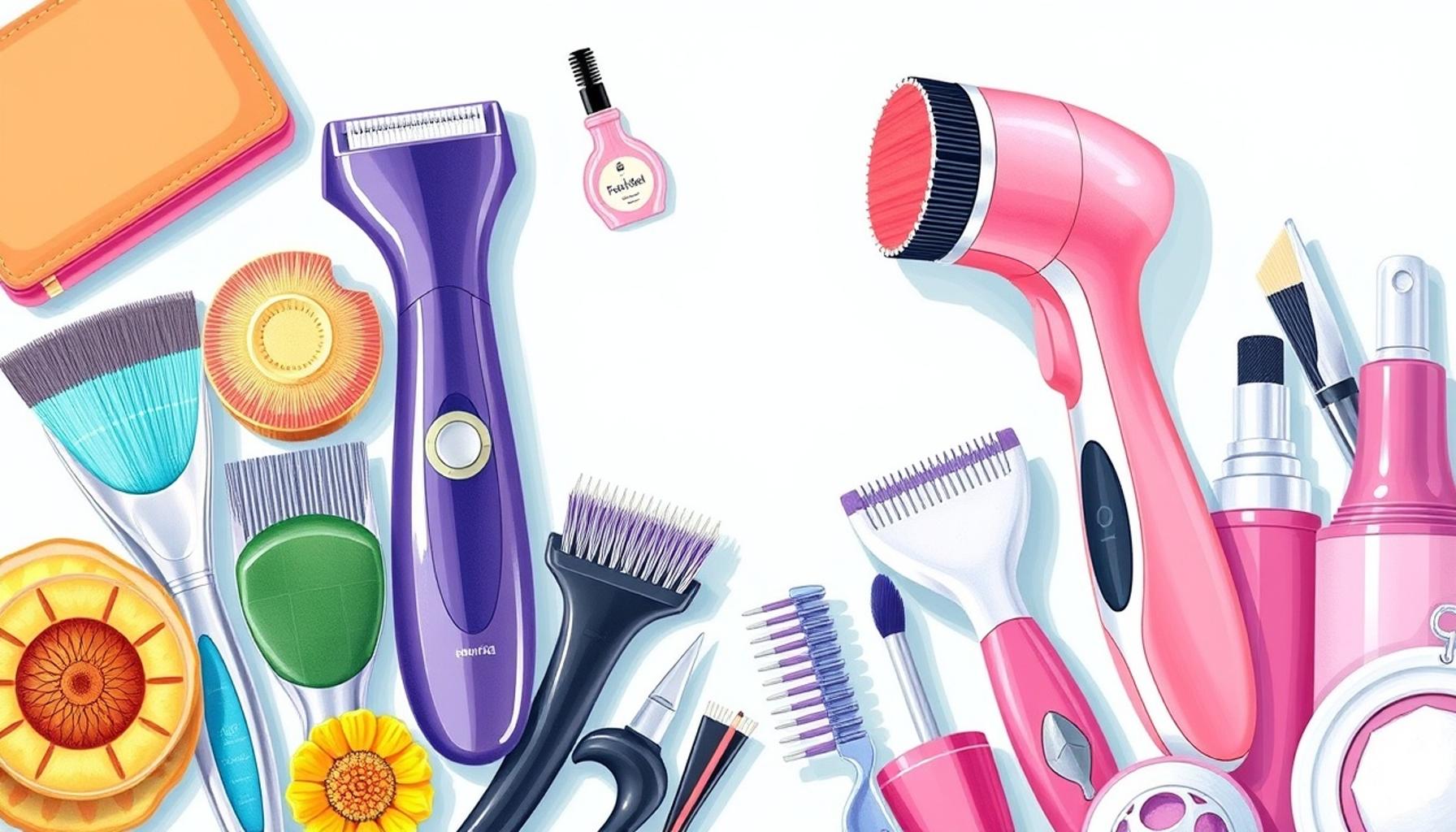
The Dichotomy of Beauty Tools
The beauty industry is experiencing a renaissance driven by technological advancements and a growing understanding of personal care. For many consumers, the choice between manual and electric beauty tools is a significant one, influencing their overall beauty routine and self-care experience. The decision reflects not just personal preferences but also a deeper understanding of how different tools can cater to unique beauty needs.
Understanding Manual Beauty Tools
Manual beauty tools offer a wide variety of options that can fit any budget and preference. Since they are often more cost-effective than their electric counterparts, they are accessible to a broader audience. For example, a high-quality set of makeup brushes can range from inexpensive drugstore options to high-end brands, allowing users to select tools based on their financial comfort.
Additionally, using manual tools allows for enhanced control over application technique. A handheld mirror, for instance, enables individuals to inspect their work closely as they apply makeup or skincare products, leading to a more tailored outcome. Furthermore, tools like face rollers not only facilitate a relaxing beauty regime but also promote lymphatic drainage and reduce puffiness, catering to those seeking both functionality and relaxation.
Exploring Electric Beauty Tools
On the other hand, electric beauty tools promise consistency and efficiency, ideal for those with time constraints or specific beauty objectives. Many modern electric tools come equipped with advanced technology designed to enhance user experience. For example, facial cleansing devices like the Clarisonic brush use sonic vibrations to cleanse the skin more deeply than manual methods, potentially leading to clearer skin with regular use.
Moreover, electric beauty tools tend to save time. An electric hairdryer can drastically reduce styling time compared to air drying or using traditional handheld hair tools. For busy professionals or parents, this efficiency can make a significant difference in the morning routine.
Making the Right Choice
When it comes down to selecting between manual and electric beauty tools, it is essential to consider individual skin types and beauty goals. Some skin types may benefit from the control provided by manual tools, while others may find the effectiveness of electric tools more conducive to their needs. Understanding your personal preferences—such as your budget, time limitations, and skin sensitivities—can guide your choice.
As we unravel the advantages and disadvantages of both tool types, you may discover that a blend of both manual and electric tools in your regimen provides the ultimate balance for achieving your beauty goals. Dive deeper into the world of beauty tools and explore what suits you best for a radiant complexion and a confident outlook!
Weighing the Pros and Cons
When delving into the realm of beauty tools, it’s imperative to understand the unique benefits and limitations that both manual and electric tools present. The choice between the two can set the tone for your entire beauty routine, thus it’s worthwhile to dissect the alternatives carefully.
The Benefits of Manual Beauty Tools
Manual beauty tools have been a staple in beauty routines for decades and continue to earn their place in contemporary skincare and makeup application. Some notable advantages include:
- Control: Users can control the force and technique applied, perfect for those who appreciate a precise touch. Whether it’s applying foundation or deciding how much pressure to use while sculpting the eyebrows, manuals allow for customization.
- Affordability: Manual tools generally come with a lower price tag, making them accessible for those on a budget. This affordability does not compromise quality, as many budget options still deliver outstanding results.
- Simplicity: Many manual tools do not require charging or batteries, making them more portable and ready to use whenever needed. A makeup sponge or brush can easily fit into a purse or travel bag.
Moreover, the intimacy involved in using manual tools can create a more enjoyable self-care routine. The tactile experience of applying products with brushes or sponges can heighten the pleasure of the process, making skincare and makeup feel meditative rather than mundane.
Exploring the Appeal of Electric Beauty Tools
Conversely, the rise of electric beauty tools has transformed how beauty enthusiasts approach their routines. These devices present a range of technological advancements that enhance user experience:
- Effectiveness: Electric tools often provide deeper cleansing, better exfoliation, and more efficient heat styling. Facial devices like the Foreo use pulsation technology to cleanse and rejuvenate the skin more effectively than by hand alone.
- Speed: Appliances such as electric hair straighteners can drastically reduce styling time, making them an essential tool for busy individuals who need to maximize efficiency in their morning routines.
- Innovative Features: Many electric tools come with added functionalities—such as customizable heat settings in hair tools or built-in timers in cleansing devices—that further streamline the beauty process.
This blend of efficiency and innovation provides electric tools with a strong following, particularly among those who value time-saving solutions and consistent results in their beauty regimen. Understanding these unique characteristics can empower users to make informed choices based on their specific needs and lifestyle. As we continue to weigh the capabilities of each type of tool, it will become progressively clear which aligns best with individual beauty aspirations.
The Ultimate Comparison of Manual vs. Electric Beauty Tools: Which is Right for You?
When diving into the world of beauty tools, it’s crucial to explore various options that cater to different needs and preferences. From skincare routines to makeup applications, both manual and electric tools have their unique advantages that can enhance your beauty rituals.
Manual beauty tools often appeal to individuals who value simplicity and control. Products such as traditional makeup brushes or handheld skincare devices allow you to exert more precision in your application. The tactile experience that comes with using manual tools can also enhance mindfulness during your beauty routine, making the process feel more personal. Moreover, they tend to be more affordable and easier to clean, making them accessible for many.
On the other hand, electric beauty tools have surged in popularity due to the speed and efficiency they provide. Devices like electric facial cleansers or hair styling tools often come equipped with advanced features that can save you time on busy mornings. These tools are designed for convenience and often deliver professional-level results with less effort. For example, electric makeup brushes can provide a flawless finish in seconds, while microdermabrasion machines can help to significantly improve skin texture and tone.
Ultimately, the choice between manual and electric beauty tools boils down to personal preference, budget, and your individual beauty goals. You might find that a combination of both types perfectly complements your skincare and makeup routine. Whatever the case may be, understanding the advantages of each can empower you to make better-informed decisions when choosing the right tools for your beauty arsenal.
| Category | Advantages |
|---|---|
| Manual Tools | Offer precise control and are usually more affordable. |
| Electric Tools | Provide convenience and can achieve professional-level results quickly. |
By evaluating these advantages, you can better understand which tools resonate with your personal beauty philosophy, ensuring your beauty routine is both effective and enjoyable.
Understanding User Experience and Longevity
When evaluating manual and electric beauty tools, it’s crucial to consider the overall user experience and the lifespan of these tools. Each category brings unique characteristics that can influence consumer satisfaction and long-term usage.
The Longevity of Manual Beauty Tools
Manual tools often boast a longer lifespan primarily due to their simplicity. Made from durable materials like wood, metal, and high-quality plastic, these tools can withstand years of use if well cared for. Items such as makeup brushes and sponges might lose their aesthetic appeal over time, but with proper cleaning and maintenance, they can continue to perform effectively.
Moreover, many users appreciate the notion that manual tools can be more sustainable. Without the need for batteries or electrical components, they contribute less to electronic waste, aligning well with the increasing trend of environmentally conscious purchasing in the beauty industry. This consideration makes manual tools appealing to eco-friendly consumers who are keen on reducing their carbon footprint.
The Durability of Electric Beauty Tools
On the other hand, electric beauty tools offer advanced features that often come with a price tag reflecting their complexity. Their lifespan can be impacted by factors such as technological updates and changes in consumer trends. Many brands introduce newer models with enhanced functionalities, making it essential to stay current with the latest advancements.
While some electric tools may come with warranties to ensure repair or replacement, damage can occur through overuse or mishandling. Take, for example, hair dryers and curling irons; improper storage or neglecting to unplug them can lead to malfunctions over time. Nonetheless, if well maintained, tools like facial cleansing devices or powered hair styling tools can offer consistent performance for several years, thereby justifying the initial investment.
The Experience Factor: Use and Effort
Another essential consideration is the effort involved in using both types of tools. With manual tools, users often find the application process more engaging and hands-on. As a result, many beauty enthusiasts enjoy the ritualistic nature of using a brush or a roller, which can lead to a more satisfying experience. This personal touch fosters a stronger relationship with the beauty routine and can enhance the perceived results.
Conversely, the ease of use associated with electric tools cannot be overlooked. Many users appreciate the hands-free convenience that electric brushes provide, particularly when multi-tasking or managing a tight schedule. The automatic features, like timers and auto shut-offs, help ensure that users do not accidentally over-process their skin or hair, making them ideal for individuals still learning the ropes when it comes to beauty applications.
Understanding the nuances between the longevity and user experience of manual and electric beauty tools allows consumers to make confident choices. By reflecting on personal preferences, lifestyle demands, and beauty goals, you can identify which type of tool will best support your unique beauty routine. Whether opting for the tactile allure of manual options or the high-tech efficiencies of electric tools, each path offers its own set of rewarding possibilities.
Final Thoughts: Making Your Choice
In the grand landscape of beauty tools, the choice between manual and electric options ultimately comes down to personal preferences, lifestyle, and beauty goals. Both types of tools offer distinct advantages, catering to diverse needs of consumers across the United States. Manual tools, with their enduring durability and sustainability, allow for a tactile and personalized experience, appealing to those who cherish the artistry and ritual of their beauty routine. They stand testament to the notion that simplicity can often deliver exceptional results with a minimal ecological footprint.
On the other hand, electric beauty tools present a realm of innovation, offering convenience and efficiency that align seamlessly with today’s fast-paced lifestyles. The ease of use and advanced features are particularly alluring for those who juggle busy schedules yet desire high-quality results. As technology continues to evolve, so too will the capabilities of these tools, ensuring they remain relevant in an ever-changing beauty landscape.
When making your choice, consider factors such as usability, maintenance, and your individual values regarding sustainability and technological innovation. Are you drawn to the hands-on, engaging experience of a beloved makeup brush, or do you prefer the automated precision of an electric styling tool? Remember that each option has its merits, and understanding your beauty philosophy is key to finding the right match for your routine. As you explore the world of beauty tools, may you discover not just the perfect device, but also an enhanced sense of confidence and empowerment in your beauty journey.