Crafting as a Community: Building Connections Through Group Projects and Workshops
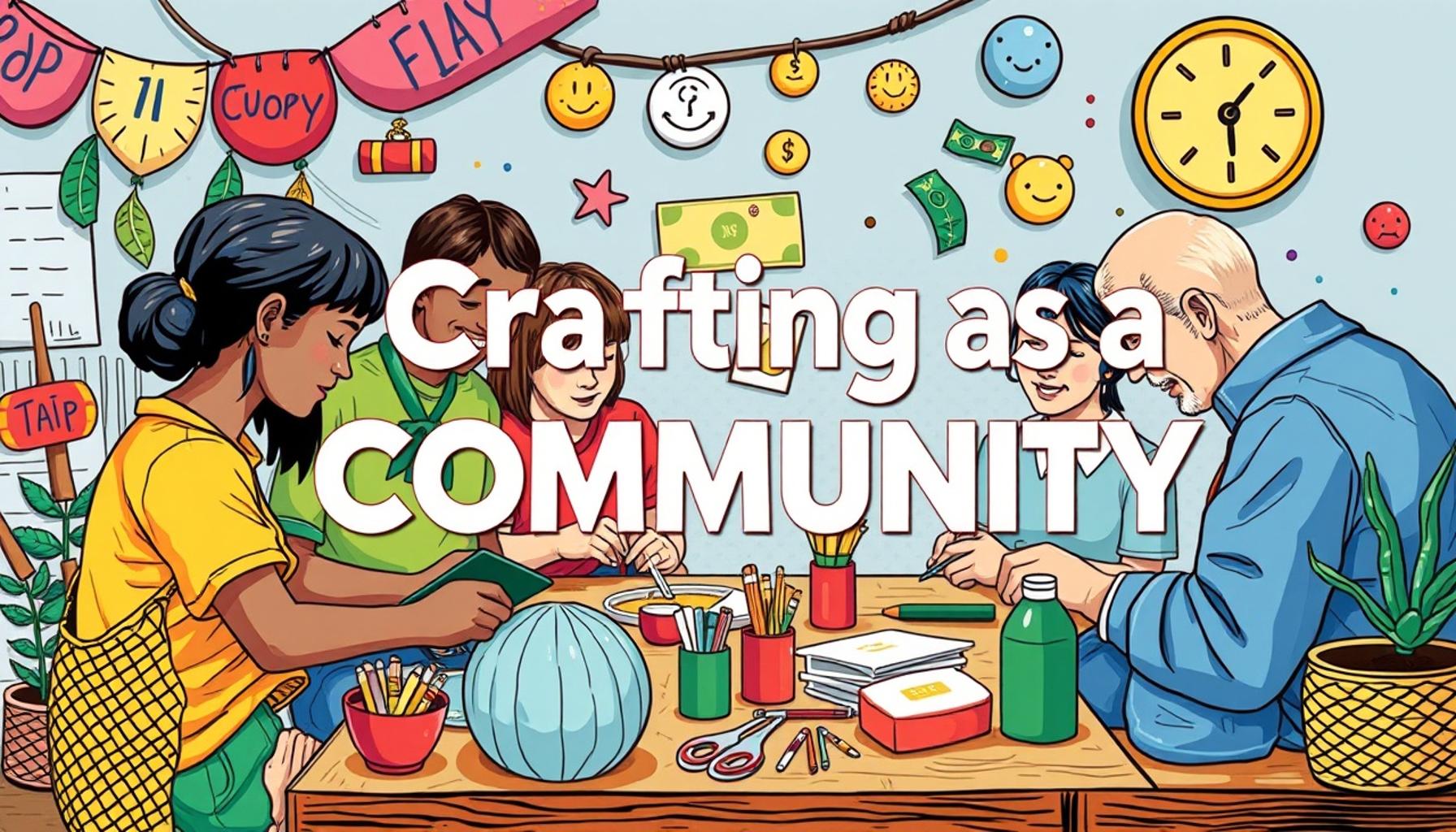
The Unifying Power of Crafting
In recent years, crafting has emerged as a significant force in community development, weaving a rich tapestry of relationships and shared experiences. From neighborhood gatherings to digital communities, the act of creating has become a bridge connecting individuals from diverse backgrounds. This evolution extends well beyond mere hobbyism; it embodies collaboration, creativity, and connection.
Workshops: Learning Together
Workshops serve as vibrant venues where experienced creators mentor novices in various crafting techniques. For example, local quilt shops often host sewing workshops that not only teach essential skills but also encourage participants to share their own stories and backgrounds. A newcomer learning to sew a quilt may find themselves inspired by a seasoned quilter’s family traditions or cultural perspectives, creating a rich dialogue that enhances the learning experience. These gatherings not only impart practical skills but also foster a supportive atmosphere where encouragement and collaboration thrive.
Group Projects: Building Together
Participating in group projects can be particularly rewarding. Consider knitting circles and woodworking clubs—participants often share tools, materials, and expertise while working towards a collective goal. In many cases, these projects culminate in a community display or donation, such as handmade blankets for shelters or birdhouses for local parks. This shared endeavor not only strengthens friendships but also imbues the crafting process with a sense of purpose and achievement, as participants recognize their contributions to something greater than themselves.
Online Platforms: Connecting the Dots
In today’s digital age, online platforms have revolutionized the way crafters connect. Websites like Pinterest and Ravelry allow users to share patterns, showcase completed projects, and exchange crafting tips. Eager crafters can easily find groups dedicated to virtually any craft, from crochet to upcycled furniture building. Through these platforms, people form friendships and support networks that cross geographical boundaries, leading to innovative collaboration and a global exchange of ideas. For instance, a group may work together to create a tutorial video that showcases diverse crafting styles from around the world, highlighting the universal appeal of creative expression.
The Impact on Mental Well-Being
Numerous studies show that engaging in creative activities, especially in a group setting, significantly enhances mental well-being. Participants often report lower levels of stress and a greater sense of belonging. The process of crafting not only stimulates the mind but also allows individuals to escape their daily routines and immerse themselves in a world of creativity. This mental investment leads to stronger social networks, as people share their journeys, celebrate successes, and offer support during challenges.
Crafting opens doors, inviting people from all walks of life to collaborate, create, and connect. With the power to transform simple materials into cherished items, the act of making together nurtures lasting relationships and builds resilient communities. Whether you consider yourself a hobbyist or a dedicated artisan, immersing yourself in the crafting community may reveal unexpected joys and bonds, inviting you into a world where creativity reigns supreme.
Fostering Creativity and Collaboration
The rise of community crafting has paved the way for individuals to come together, sharing not only their skills but also their personal narratives. This collaborative spirit encourages an inclusive environment where diversity is celebrated, and everyone feels valued. In areas ranging from urban centers to small towns, local events provide a platform for people to connect through shared interests and passions. Crafting workshops can encourage creative expression while also reinforcing the significance of teamwork.
Types of Community Crafting Initiatives
Across the United States, various initiatives showcase the communal aspect of crafting. Examples include:
- Maker Faires: These events bring together artisans, tinkerers, and hobbyists to exhibit their projects, fostering a culture of knowledge sharing and innovation.
- Craft Fairs: Local artisans gather to sell their handmade goods, allowing craft enthusiasts to network while discovering unique items that reflect community culture.
- Community Art Projects: Some neighborhoods collaborate on large-scale projects, such as murals or public sculptures, which inject character into public spaces while promoting community pride.
The beauty of these initiatives lies in their ability to unite individuals around common goals. When a group of people comes together to learn a new craft or collaborate on a shared project, they cultivate connections that extend beyond the crafting table. Stories, laughs, and support turn individuals into a close-knit community.
Skill Sharing: A Foundation for Connection
Skill sharing is a vital component of crafting communities. Participants often come equipped with different levels of expertise and unique tools that contribute to the collective experience. For instance, a pottery workshop may feature a participant who specialized in glazing techniques, while another lends expertise in throwing clay. This blending of knowledge creates a dynamic environment conducive to learning and collaboration. While these workshops focus on specific crafts, the lessons learned transcend the technical aspects by incorporating life skills such as patience, communication, and teamwork.
The Role of Local Businesses
Local businesses play a crucial role in fostering crafting communities. Many craft stores or cafés host workshops that draw in enthusiastic participants eager to learn and connect. By creating safe and welcoming spaces, these establishments help facilitate interactions among crafters. Additionally, local businesses often collaborate to sponsor craft-related events, such as community art shows or trunk fairs, enhancing visibility for both the crafting community and local vendors. This symbiotic relationship not only strengthens the local economy but also reinforces the sense of camaraderie among community members.
The impact of community crafting reaches far beyond the physical creations produced. It opens the door to friendship, mutual support, and shared passion, knitting together an intricate network of relationships. As individuals engage in crafting activities, they actively participate in a collective journey that celebrates creativity while simultaneously cultivating a thriving local culture. Embracing these opportunities can lead to powerful connections that enrich the crafting experience, turning simple projects into extraordinary tales of community and collaboration.
Crafting as a Community: Building Connections Through Group Projects and Workshops
Crafting has long been a means of personal expression, but its potential to foster community and connection through group projects and workshops is equally significant. In an age where digital communication often overshadows face-to-face interaction, crafting provides a tactile, hands-on approach that encourages collaboration. When individuals gather in a shared space, they not only exchange ideas and techniques but also form lasting friendships and support networks.
Participating in group crafting activities creates a sense of belonging and enhances social skills. Attendees engage in collaborative learning, where they benefit from diverse perspectives and skill sets. Whether it’s knitting circles, pottery classes, or community quilt-making projects, workshops allow participants to share their unique talents while learning from one another. This exchange can lead to innovative projects that might not have been possible in solo endeavors.
Moreover, crafting as a community activity has numerous mental health benefits. It reduces stress and anxiety, promotes mindfulness, and provides a platform for self-expression. Workshops can act as creative outlets where members express their feelings and experiences, transforming challenges into art. This communal environment encourages individuals to take risks in their creativity, fostering a supportive space to try new techniques without the fear of judgment.
| Advantages | Key Features |
|---|---|
| Building Relationships | Encourages collaboration and bonding among participants. |
| Skill Development | Provides opportunities to learn new techniques and craft skills. |
Additionally, crafting in a group often results in community projects that promote local causes or charities, solidifying connections beyond individual interests. Whether organizing a charity crafting event or creating pieces for community beautification, these activities give participants a sense of purpose and achievement.
In essence, the act of crafting together transforms a simple hobby into a powerful force for social change and unity, turning shared creativity into impactful community action. Delve deeper into how participating in crafting workshops can significantly enhance both personal fulfillment and communal engagement.
The Transformative Power of Crafting Communities
As crafting communities continue to flourish, their transformative power becomes increasingly evident. These connections foster not only individual growth but also community resilience, promoting a sense of belonging and purpose among participants. Through shared experiences, crafters can transcend boundaries such as age, background, and skill level, creating an environment rich in collaboration and support.
Embracing Inclusivity Through Expert-Led Workshops
One of the defining attributes of community crafting is its embrace of inclusivity. Many local organizations and artists offer expert-led workshops designed specifically for various skill levels. For instance, non-profit organizations like Crafting for a Cause provide accessible workshops, where participants can not only learn but also contribute to charitable initiatives, such as creating handmade goods for those in need. These workshops prove that crafting can be a vehicle for positive change while building skills and relationships among participants.
Moreover, local libraries and community centers often hold free or low-cost crafting sessions for families, allowing people of all ages to discover their creativity together. These events encourage intergenerational bonding as grandparents pass down their crafting knowledge to younger generations, establishing a cycle of learning and connection. This dynamic creates a vibrant tapestry of shared stories, from stitching quilts together to creating unique holiday ornaments.
Digital Platforms: Connecting Crafters Beyond Borders
In today’s digital age, crafting communities are not restricted by geographical limitations. Online platforms like Facebook Groups and Instagram hashtags have fostered connections among crafters from all over the world. These platforms allow individuals to share project ideas, seek inspiration, and collaborate on virtual crafting events, such as the popular Craft-a-thon, where crafters gather online to create simultaneously, showcasing their work through livestreams.
Furthermore, online tutorials and crafting challenges provide opportunities for learning and participation from the comfort of home. Many crafters have reported feeling a sense of belonging and camaraderie through these digital avenues, as they engage with fellow enthusiasts who share similar passions and experiences. This modern connectivity enhances the notion that community crafting can occur not just physically but also virtually, uniting people with threads of creativity spanning continents.
The Healing Aspects of Crafting Together
Crafting as a community goes beyond just skill development; it also serves as a healing mechanism for many. Group crafting activities can create therapeutic spaces that promote mental well-being. Studies indicate that engaging in creative activities can reduce anxiety and depression, while fostering mindfulness and focus. Programs, such as those run by Art and Healing, utilize group art sessions to provide individuals with a safe place to express themselves and process their emotions through creativity.
These sessions not only generate beautiful works of art but also cultivate friendships based on mutual understanding and encouragement. Participants often leave feeling uplifted, having shared stories of resilience and triumph that contribute to their collective healing journey. As crafters come together to embrace their vulnerabilities, they weave a fabric rich in empathy, support, and community spirit.
The impact of crafting initiatives ripples out beyond the participants, spilling into the wider community and fostering a culture of creativity and connection. As more individuals find solace and empowerment through collaborative projects, the crafting landscape will continue to evolve, creating lasting bonds that shape and define our social fabric.
Conclusion: Weaving Stronger Communities Through Crafting
As we explore the world of crafting as a community, it becomes clear that these creative pursuits are much more than just hobbies—they are vital threads that bind individuals and groups together in meaningful ways. Through engaging in group projects and workshops, people find not only an outlet for their creativity but also a canvas for connection. The vibrant environment generated by collaborative crafting fosters inclusivity, learning, and mutual support among participants, enriching not just their lives, but also the communities they inhabit.
Furthermore, the advent of digital platforms has transcended geographical barriers, allowing crafters to join forces globally, thereby expanding their network of friends, mentors, and collaborators. This enhanced connectivity brings a sense of belonging that is often crucial in today’s fast-paced world, while offering endless opportunities for shared inspiration and artistic growth.
Importantly, the healing aspects of crafting in a community cannot be overlooked. The collective experience of creating together fosters empathy and understanding, providing a therapeutic space where individuals can express their emotions and build lasting friendships. As communities embrace crafting initiatives, they invite individuals to open up, heal, and transform, ultimately weaving a stronger social fabric that values creativity, collaboration, and connection.
In sum, whether in-person or online, the practice of crafting as a community is a rich and fulfilling endeavor that leaves lasting impacts on individuals and society. As we continue to foster these meaningful connections through our creative efforts, we cultivate not only a sense of belonging but also a sustainable culture of support and inspiration for future generations.