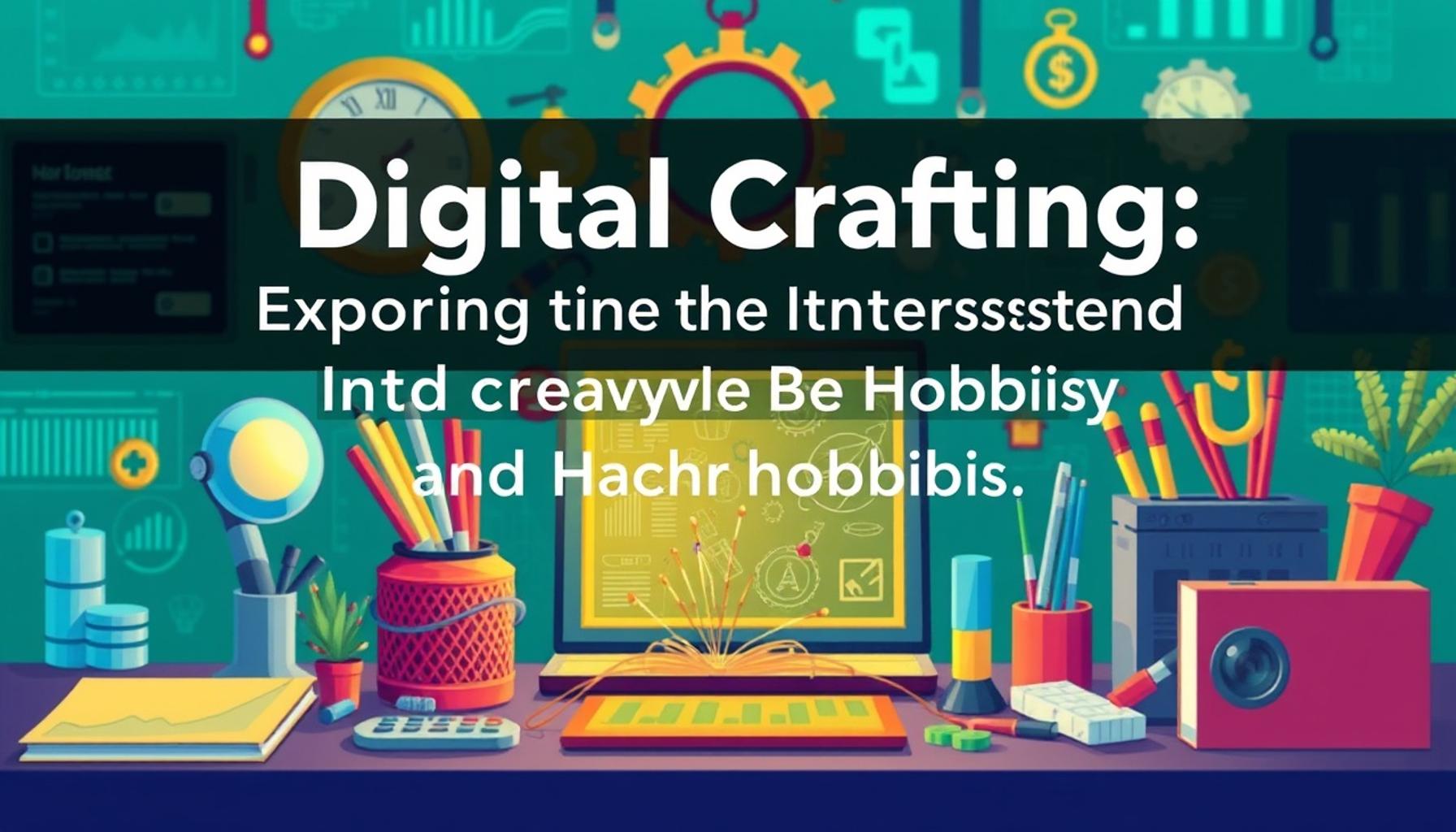
Digital Crafting: Exploring the Intersection of Technology and Creative Hobbies
The Evolution of Hobbies in the Digital Age
The fusion of technology and creativity is reshaping how we engage in hobbies, leading to an exciting realm known as digital crafting. This innovative approach empowers individuals to express their artistic visions while utilizing modern tools and techniques. Gone are the days when crafting was solely confined to physical materials and traditional methodologies. Today’s digital landscape invites creators to experiment with an extensive arsenal of resources, fundamentally altering creative processes.
From 3D printing to digital illustration, the possibilities are vast and varied. For instance, with 3D printing, hobbyists can design and construct intricate objects—think of unique jewelry pieces, custom toys, or even architectural models—that were once purely conceptual. This technology allows creators to turn digital blueprints into tangible items, bridging the gap between imagination and reality. A popular platform in the U.S. for 3D printing is Shapeways, which not only offers printing services but also connects designers with potential buyers, helping to commercialize their creations.
Digital scrapbooking enhances storytelling by integrating diverse multimedia elements such as photos, video clips, and even voiceovers into cohesive narratives. Tools like Canva and Adobe Spark simplify this process, offering templates and easy-to-use editing features. This not only allows for the preservation of memories but also encourages creativity through customizable layouts that resonate with personal style. It’s like turning a simple album into an interactive storytelling experience, perfect for sharing on social media platforms.
Virtual Reality (VR) art immerses users in a 360-degree creative environment, allowing them to paint, sculpt, or design in spaces that break traditional artistic boundaries. Programs such as Tilt Brush or Oculus Medium invite participants to step into their own imagination, making art an all-encompassing experience. Imagine swirling colors in a three-dimensional space, where the limits are defined only by your creativity. This technology not only fuels innovation but also promotes collaboration among artists worldwide through shared virtual spaces.
Graphic design software like Adobe Creative Suite continues to be a staple for both professional artists and hobbyists alike, providing tools for everything from digital illustrations to intricate layouts for promotional materials. With a myriad of online tutorials readily available, users can quickly improve their skills, irrespective of their starting point. This democratization of design empowers anyone with a computer to create stunning visuals that can stand shoulder to shoulder with professional works.
This blend of technology and creative expression not only broadens access to crafting but also enhances the overall experience. As a result, more people can explore their passions, regardless of previous skill levels. For enthusiasts in the United States, local makerspaces and workshops often host events focusing on these technologies, providing invaluable resources and community support to encourage learning and experimentation.
Understanding the impact of digital tools on traditional hobbies opens up new avenues for personal growth. Whether you’re a seasoned artist or a curious beginner, embracing these advancements can transform your creative journey. The integration of technology into crafting not only enriches individual expression but also cultivates a vibrant community where creativity thrives and inspires.
Unleashing Creativity with Modern Technology
The rise of digital crafting has fundamentally transformed the creative landscape, presenting hobbyists with a plethora of innovative options to express their artistic flair. In an age where technology defines much of our daily existence, the melding of creative hobbies with digital tools is not just a trend; it’s a revolution that invites individuals to experiment like never before. Whether it’s designing intricate patterns, creating animated stories, or generating unique products, the integration of technology into crafting has made art more accessible and versatile.
One of the most compelling aspects of digital crafting is the ability to integrate various technologies that can cater to multiple interests. Here’s a closer look at some of the trends reshaping how we craft:
- Augmented Reality (AR): AR tools are enabling crafters to visualize their designs in real-world settings before they create them. Applications such as IKEA Place allow users to see how furniture would look in their own homes, while similar technologies are aiding artists in visualizing installations and sculptures.
- Online Marketplaces: Platforms like Etsy have revolutionized how creators monetize their crafts. Digital crafting allows for easier production and scalability of unique goods, turning hobbyists into entrepreneurs. With the help of digital marketing tools, sellers can reach a global audience with just a few clicks.
- Collaborative Projects: Technology has made it easier than ever for artists and hobbyists to collaborate. Project-sharing platforms like Behance and Dribbble allow creators to interact, exchange ideas, and even co-create complex works from different corners of the globe.
The ability to share creations and gain feedback has also enhanced the learning curve for many hobbyists. Social media channels, primarily visual platforms like Instagram and Pinterest, serve as both galleries and communities. Creators can showcase their work, engage with fellow enthusiasts, and access a treasure trove of inspiration, tutorials, and trends—all at their fingertips. This sense of community serves as a crucial motivator for many to explore new techniques and ideas.
Moreover, the technological advancements in materials and tools have refined the crafting process. The evolution of laser cutting and vinyl cutting machines has made it possible to achieve precision and detail that were previously unimaginable. Devices like the Cricut and Silhouette Cameo allow hobbyists to create everything from custom stickers to home décor with exceptional accuracy. The automation of repetitive tasks in crafting enables creators to focus on the more enjoyable aspects of their projects.
As we delve deeper into digital crafting, it becomes evident that the marriage of technology and creativity is not merely a convenience; it’s a transformative force that invites everyone, from curious novices to seasoned artists, to explore the boundless possibilities of modern hobbies. The tools and platforms available today equip individuals to not only enhance their crafting skills but also build a sense of belonging in a vibrant community of like-minded creators.
| Category 1 | Category 2 |
|---|---|
| Accessibility | Digital tools and platforms are easy to access, enabling anyone to engage in creative hobbies. |
| Innovation | Emerging technologies enhance traditional crafting methods, offering new possibilities for creativity. |
The world of digital crafting offers a *variety of tools* that are transforming the way we explore our creative passions. From online tutorials that provide step-by-step guidance on intricate techniques to *software applications* that facilitate design and planning, the digital landscape is made for crafting enthusiasts. As you dive deeper into technology, you can discover the use of 3D printing and *augmented reality*, which create innovative experiences, allowing for more complex designs and interactive projects.Moreover, the intersection of technology with crafting creates a platform for *community engagement*, where individuals can share ideas, showcase their work, and collaborate on projects globally. This collaborative atmosphere is spurring not just personal expression but also *entrepreneurial ventures*, as crafters can easily set up online shops and market their creations to a wider audience. In this evolving environment, staying updated on the latest trends and tools is essential to fully realize the potential of digital crafting. Whether you are a seasoned crafter or a curious beginner, the advent of technology in creative hobbies is opening exciting new avenues for exploration and engagement.
New Tools and Trends Driving Digital Crafting Forward
As digital crafting continues to evolve, we find ourselves amidst a variety of new tools and trends that are not only enhancing the crafting experience but also redefining what it means to be a creator in this tech-driven age. From 3D printing to the rise of AI-generated art, these innovations are encouraging hobbyists to push their creative boundaries.
3D Printing has emerged as a game-changer for crafters. This technology allows individuals to bring their ideas to life in three dimensions, enabling them to create everything from prototype designs to intricate jewelry pieces. With user-friendly software like Tinkercad and Shapr3D, beginners can easily design models that can be printed from their homes or through service providers like Shapeways. The versatility of 3D printing means that hobbyists can experiment with different materials, such as plastics, metals, or even edible materials for culinary crafting, opening up a whole new world of possibilities.
Simultaneously, Artificial Intelligence (AI) is beginning to play an instrumental role in the crafting community. AI-powered tools are capable of generating designs based on input criteria provided by the user. Platforms like Artbreeder allow creators to meld various artistic styles and concepts, producing unique pieces that reflect a blend of human creativity and machine learning. As AI technology advances, it also raises questions about the future of originality in art, which is a fascinating area of discussion among enthusiasts and professionals alike.
The emerging trend of subscription boxes tailored for digital crafting is also worth noting. Companies like Maker Crate deliver curated kits filled with materials and digital resources directly to customers’ doors, offering a fun and convenient way to explore new projects each month. With numerous themes ranging from embroidery to digital illustration, these boxes allow crafters to try their hand at various crafts without the commitment of investing in extensive supplies upfront. The experience nurtures creativity by encouraging hobbyists to experiment with different forms of expression.
Moreover, the shift toward sustainability has made its mark on digital crafting as well. As eco-conscious consumers become more prevalent, many crafters are exploring upcycling and using technology to reduce waste. For instance, software like Adobe Photoshop offers features for modifying images before printing, allowing users to maximize their materials. This consciousness about sustainability not only contributes to a healthy planet but also inspires crafters to innovate and find new uses for discarded items.
In addition, the impact of virtual reality (VR) cannot be overlooked. As VR technology becomes more accessible, it promises to transform how we view and experience crafting. Imagine a world where you can step into a virtual studio to create art or textiles, guided by interactive tutorials that allow for a hands-on experience without the mess. Companies are now experimenting with such platforms, aiming to make crafting more immersive and engaging than ever before.
The landscape of digital crafting remains dynamic, filled with innovations that inspire and empower creators at all levels. As hobbyists embrace these emerging technologies, they not only amplify their individual talents but also contribute to a fascinating community that thrives on creativity, collaboration, and continuous exploration. With each advance, digital crafting becomes not just a hobby but a gateway to endless artistic possibilities, inviting everyone to join in the revolution.
Conclusion: Embracing Innovation in Digital Crafting
In a world where technology and artistry converge, digital crafting stands as a testament to human creativity and ingenuity. The multitude of emerging tools, from 3D printing and AI-generated art to subscription boxes and sustainable practices, paints a vibrant picture of a community that continually reinvents itself. These advancements not only redefine how we create, but they also expand the very notion of what constitutes a craft. By embracing the innovations of our age, hobbyists are not merely participants but pioneers in a digital artistic revolution.
As we delve deeper into the realm of digital crafting, one cannot overlook the vital importance of collaboration and sharing within this sphere. Online communities flourish, allowing crafters to connect, inspire, and provide feedback, which fosters a sense of belonging and mutual growth. This interconnectedness is shaping the future of creative expression, transforming isolated hobbies into a collective movement.
Moreover, the ongoing conversation about sustainability encourages individuals to find harmony between creation and environmental responsibility, highlighting that art can indeed coexist with eco-conscious practices. As these new trends continue to unfold, they beckon individuals to rethink traditional crafting methods and encourage untapped creativity.
Ultimately, the exploration of digital crafting opens a door to limitless potential. Whether you’re a seasoned artist or a curious beginner, the intersection of technology and creative hobbies invites every individual to participate, innovate, and express. As we stand on the cusp of this exciting artistic horizon, the canvas is vast, and the tools are at hand. The journey is just beginning—are you ready to craft your future?